The Martyrdom of Saint Thiemo
1662 | Christoph Paudiß
Paudiss was trained in Rembrandt’s studio, where he became familiar with the chiaroscuro technique that he used to create eerie effects in his bizarre paintings. This picture, which he designed as an altarpiece for a side chapel of Salzburg Cathedral, portrays with frightful cruelty the martyrdom of Saint Thiemo, a scene that is otherwise seldom depicted. From 1077 to 1090 the saint was the abbot of St. Peter’s Abbey in Salzburg and was later the archbishop of the city. According to legend he was martyred at Ascalon in the Holy Land in 1102, during the First Crusade.
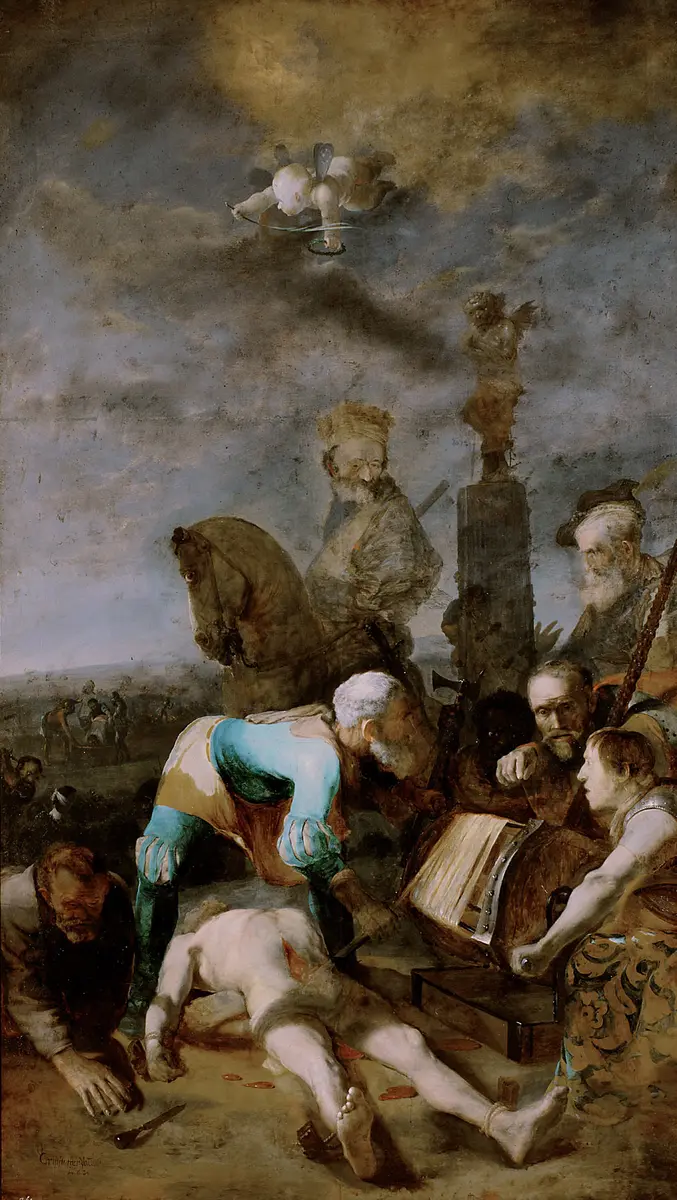
Paudiss was trained in Rembrandt’s studio, where he became familiar with the chiaroscuro technique that he used to create eerie effects in his bizarre paintings. This picture, which he designed as an altarpiece for a side chapel of Salzburg Cathedral, portrays with frightful cruelty the martyrdom of Saint Thiemo, a scene that is otherwise seldom depicted. From 1077 to 1090 the saint was the abbot of St. Peter’s Abbey in Salzburg and was later the archbishop of the city. According to legend he was martyred at Ascalon in the Holy Land in 1102, during the First Crusade.
Artist:
Christoph Paudiß (um 1625 Niedersachsen - 1666 Freising) DNB
Time:
1662
Object Name
Painting
Culture
German
Material/technology:
Canvas
Dimensions:
336 cm × 191 cm
Framed (gallery frame with inscriptions): 355,5 cm × 210,5 cm × 10 cm
Signed
Inscribed at lower left: Christstofher Paudiß 1662
Stamp / markings
Rückseite: roter Stern
Copyright
Kunsthistorisches Museum, Gemäldegalerie
Invs.
Gemäldegalerie, 2284
Provenance
Collection Archbishop Guidobald Graf Thun, Salzburg; 1806 from the prince archbishop's residence Salzburg to Vienna; 1868 documented in the gallery depot
Browse more
Similar items you might be interested in

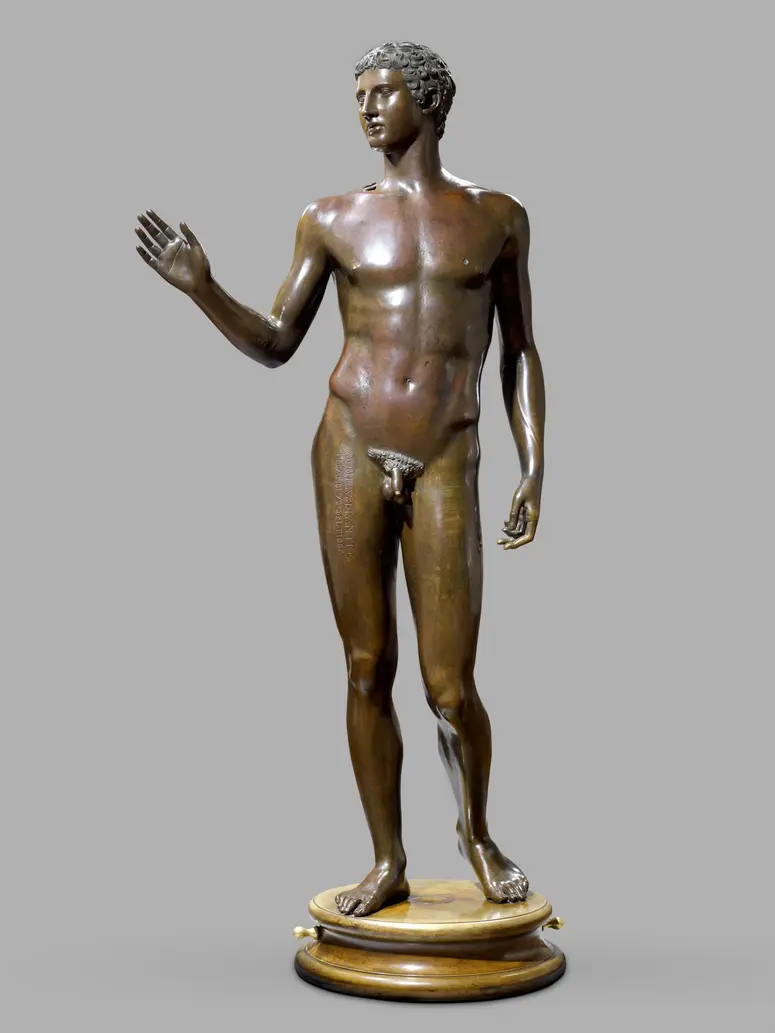
Statue: Jüngling vom Magdalensberg Neuzeitlich Abguss des 16. Jh. nach römischem Original
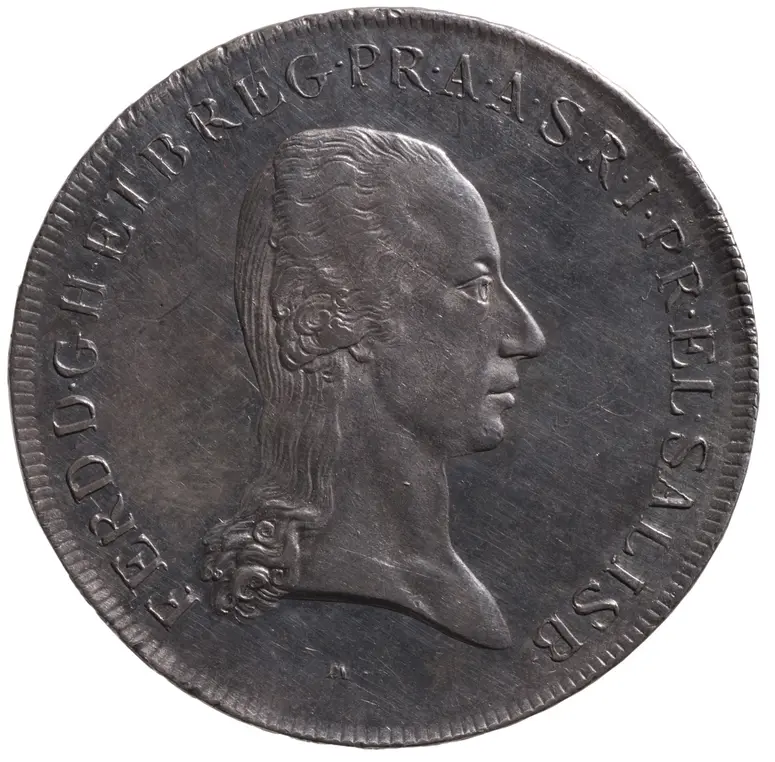
Ferdinand von Österreich (1790-1824), 1803-1805 Herzog von Salzburg, 1806-1814 Großherzog von Würzburg 1806
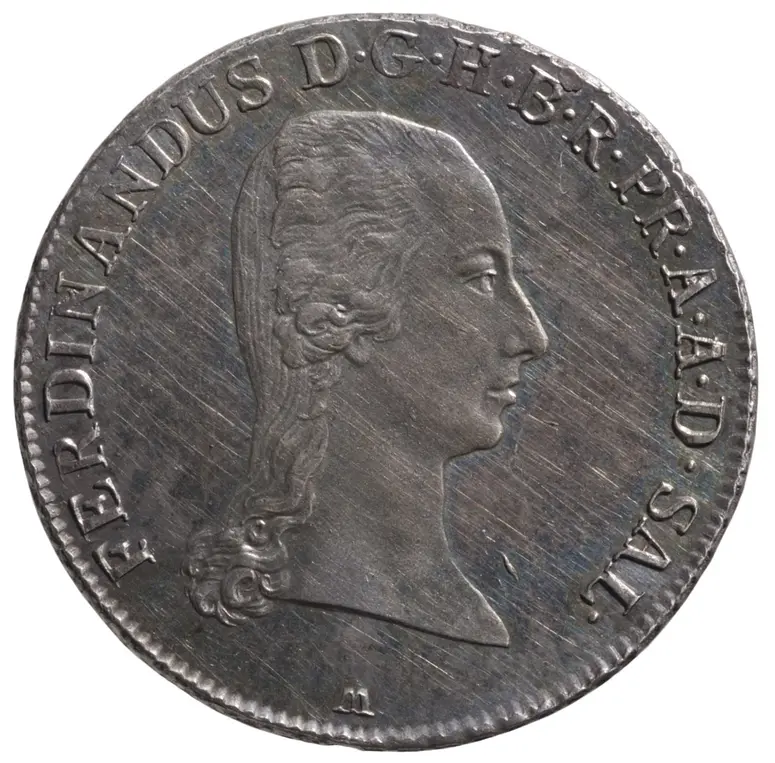
Ferdinand von Österreich (1790-1824), 1803-1805 Herzog von Salzburg, 1806-1814 Großherzog von Würzburg 1804
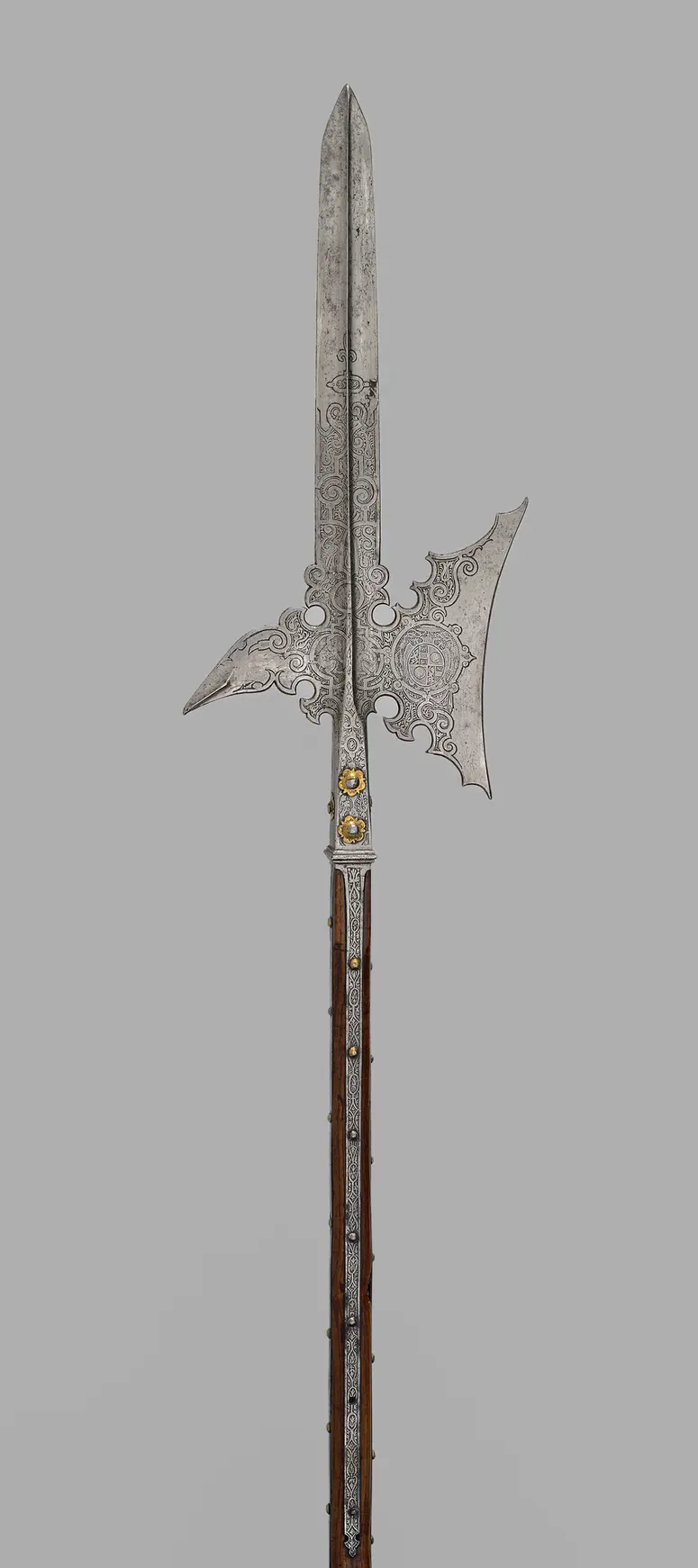
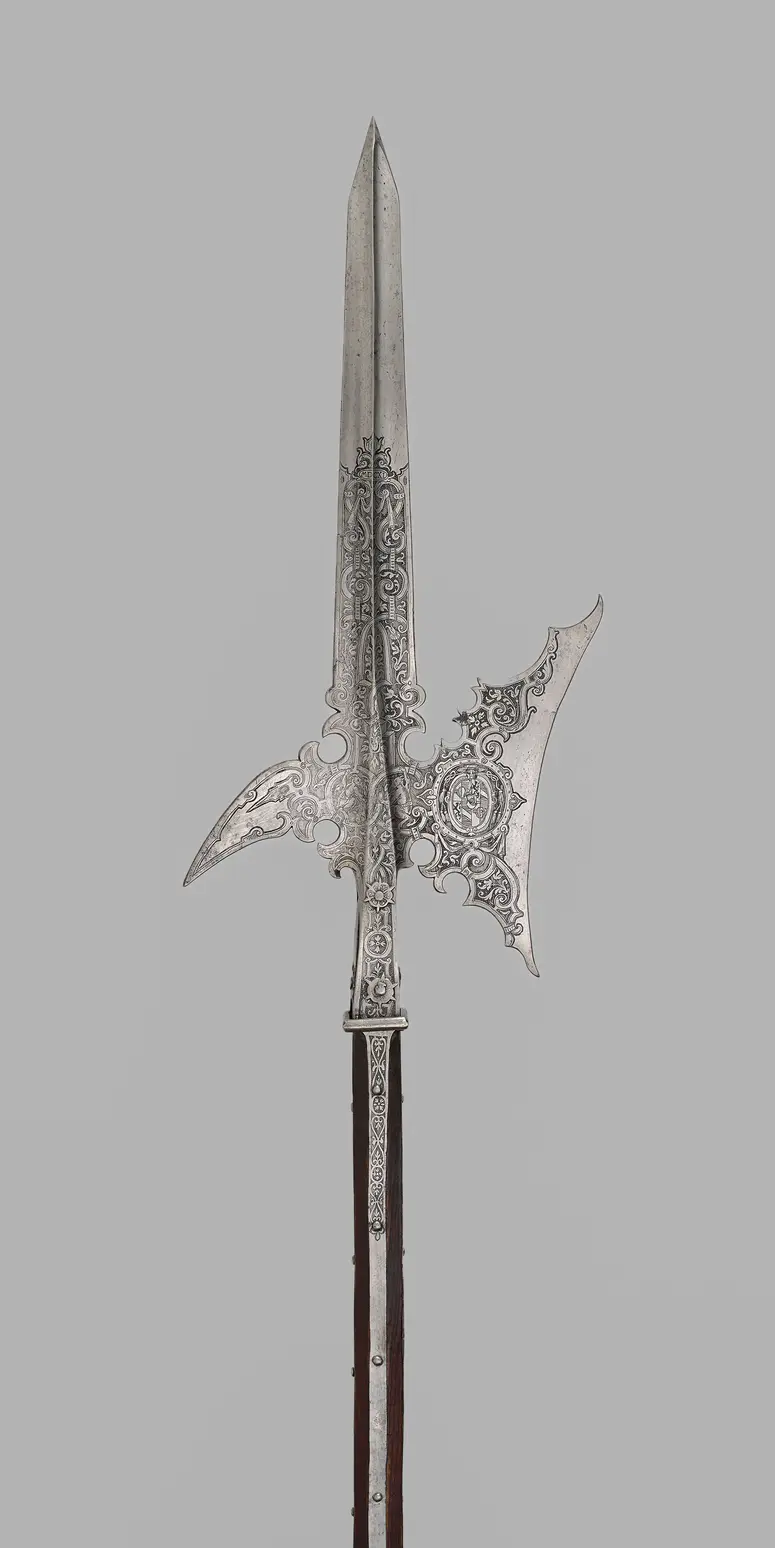
Eberhard II. (1200-1246), Erzbischof von Salzburg, von 1196-1200 Bischof von Brixen ca. 1200–1246