Sigismondo d’Este
4th quarter 15th c. | Sperandio Savèlli
The first plaquettes were created around 1440 in Rome as impressions of antique gems. Such small, single-sided bronze reliefs with depictions of mythological and historical subjects or antique and contemporary sovereigns were eagerly collected and traded. Like prints, they served to disseminate artistic ideas. They were occasionally also employed to decorate hats or household utensils.
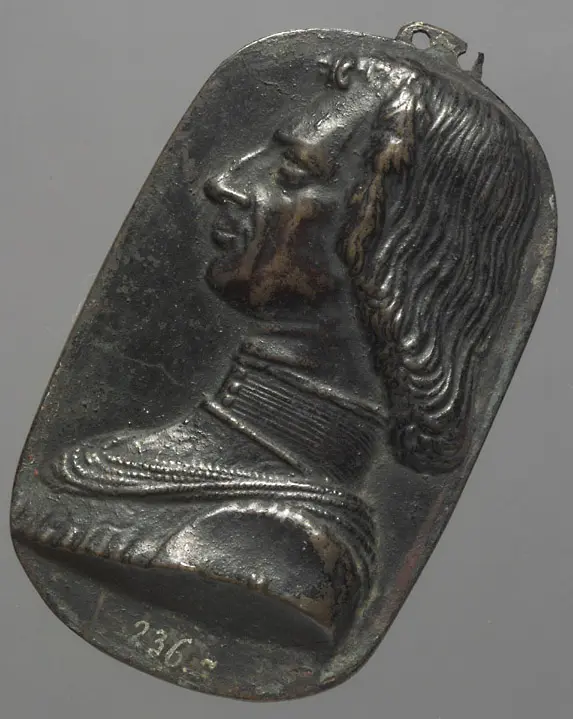
The first plaquettes were created around 1440 in Rome as impressions of antique gems. Such small, single-sided bronze reliefs with depictions of mythological and historical subjects or antique and contemporary sovereigns were eagerly collected and traded. Like prints, they served to disseminate artistic ideas. They were occasionally also employed to decorate hats or household utensils.
previously attributed to:
Sperandio Savèlli (um 1425 Mantua? - 1504 Venedig)
Depiction/Person:
Sigismondo d'Este (1433 - 1507)
Time:
4th quarter 15th c.
Object Name
relief; plaque; bronze sculpture
Culture
Upper Italian
Material/technology:
Bronze
Dimensions:
H. 7,3 cm, B. 4,5 cm
Copyright
Kunsthistorisches Museum, Kunstkammer
Invs.
Kunstkammer, 7778
Browse more
Similar items you might be interested in
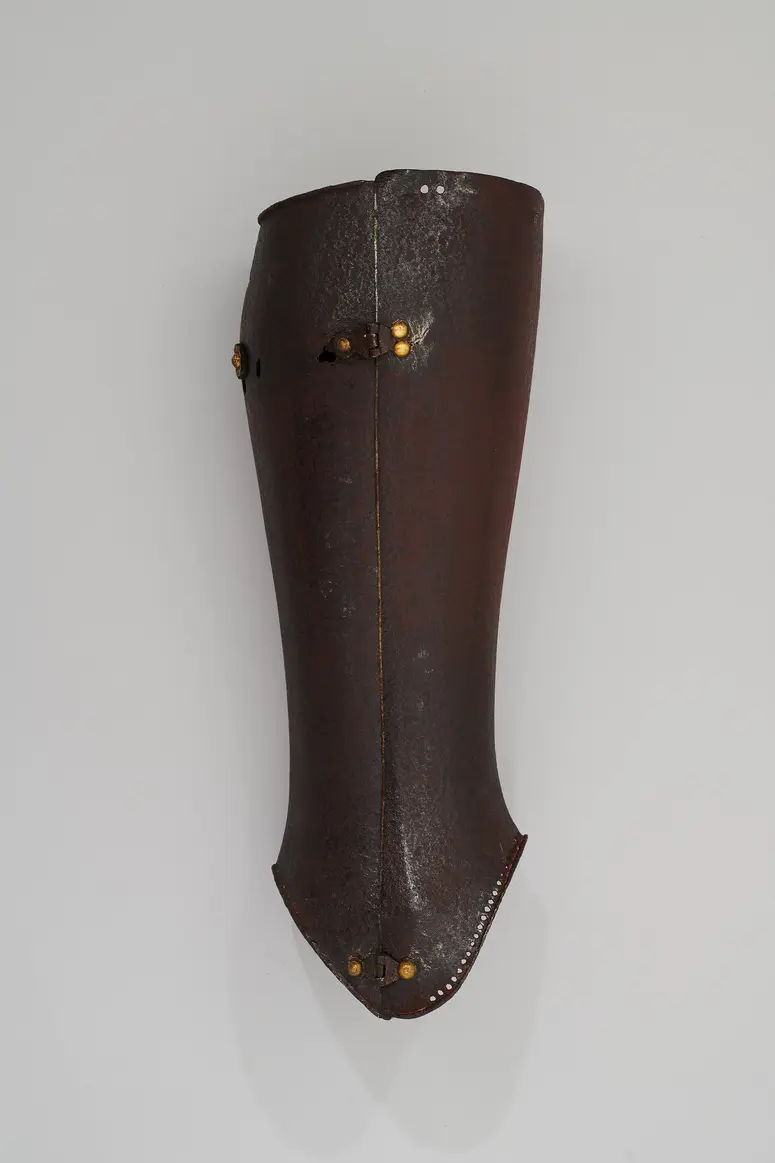
Sigismondo Pandolfo di Pandolfo III. Malatesta um 1460 - 1465

Sigismondo Pandolfo di Pandolfo III. Malatesta um 1460 - 1465
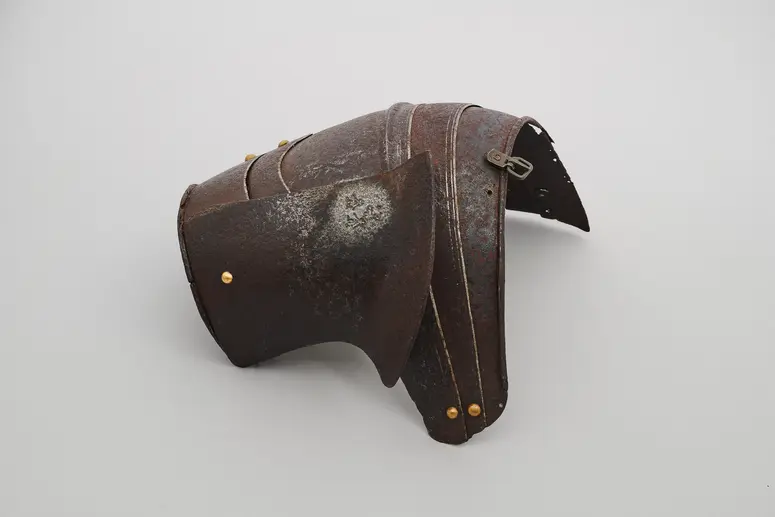
Sigismondo Pandolfo di Pandolfo III. Malatesta ca. 1460-1465

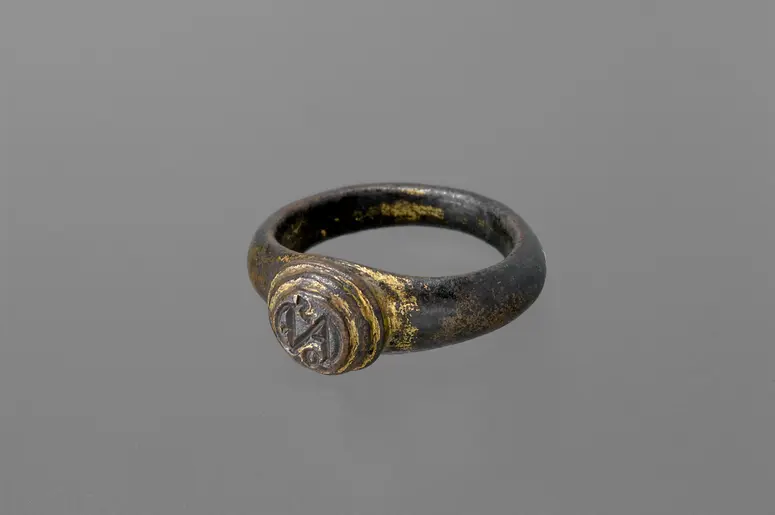
Fingerring: Fingerring mit Monogramm Frühbyzantinisch, Spätantike 5. - 6. Jh. n. Chr.
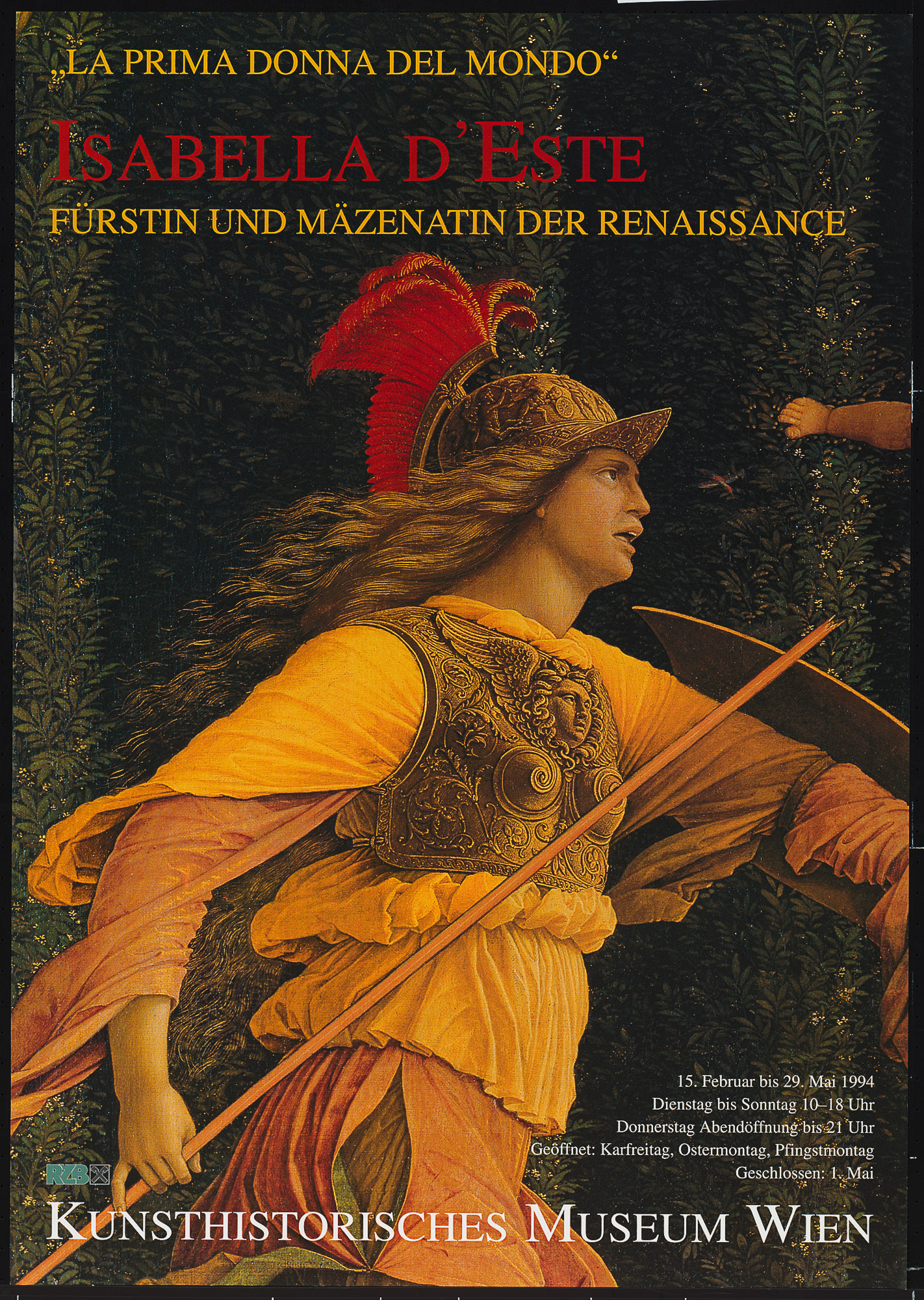
Ausstellungsplakat: Isabella d'Este - La prima donna del mondo - Fürstin und Mäzenatin der Renaissance Kunsthistorisches Museum Wien, Wien 1994

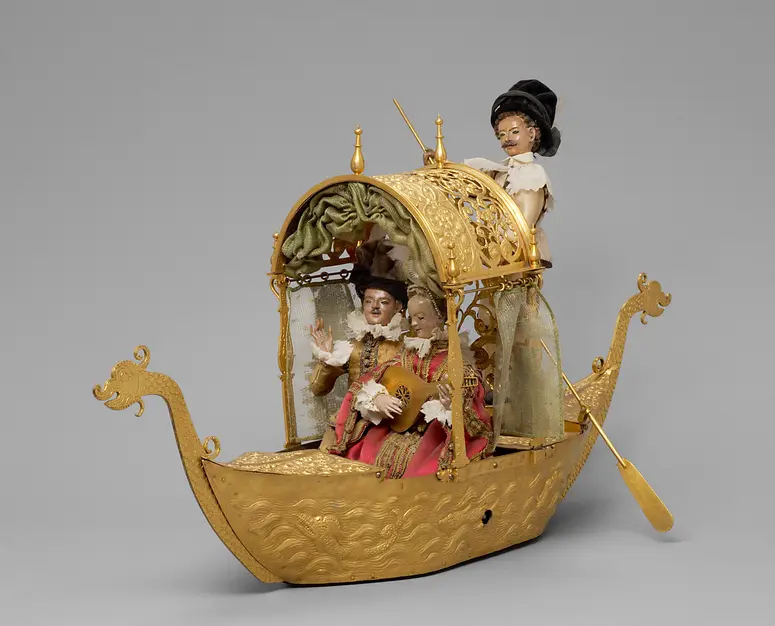
Gondelautomat, Automat, Tafelaufsatz Joachim Fries (auch Friss) um 1600

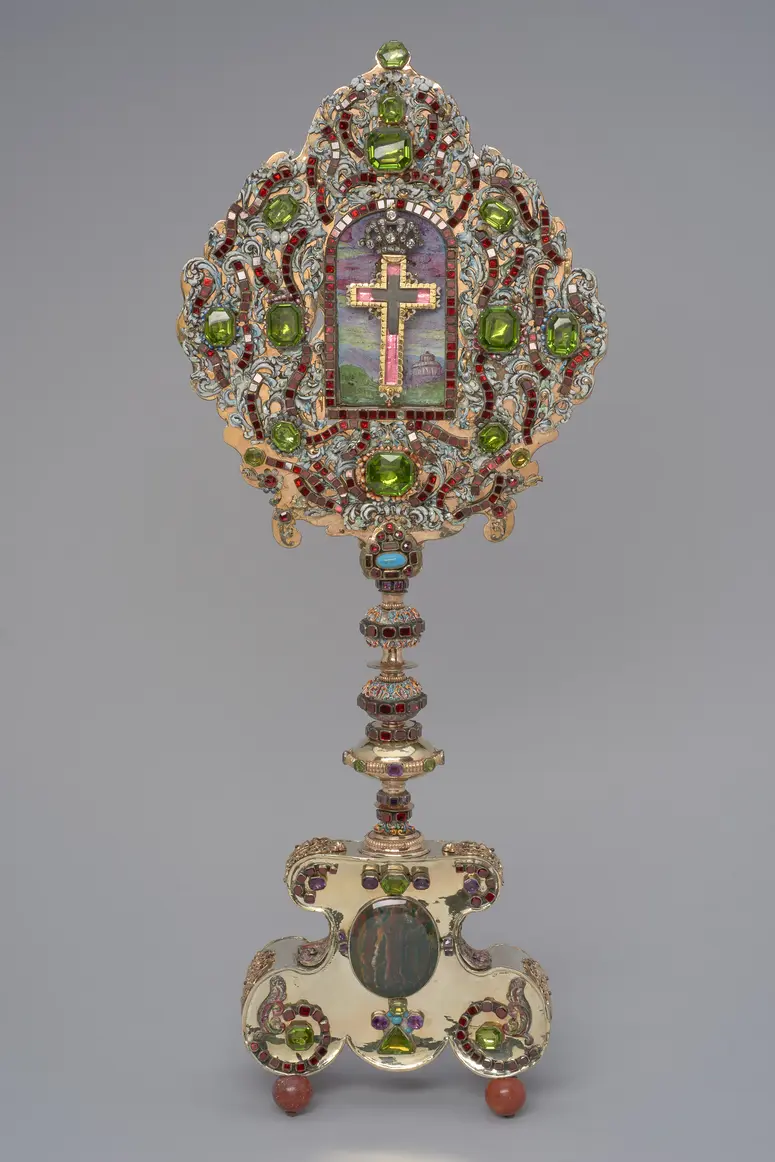
Sternkreuzordensmonstranz Hans Jakob Mair um 1668