Carlo Emanuele d‘Este, Marchese di Borgomanero (1622–1695)
1634/35 | Anthonis van Dyck
In November 1634 Filippo Francesco and Carlo Emmanuele, sons of Sigismondo d’Este, arrived in the Netherlands as part of the retinue of the newly appointed Spanish Governor, Cardinal Infant Ferdinand. Van Dyck portrayed the princes in Brussels during his third Antwerp period, 1634–35. Carlo Emmanuele, Marchese di Borgomanero – Spanish Ambassdor to Vienna from 1681 to 1695 – later became the most important patron of his nephew, Prince Eugene of Savoy. Their courtly Spanish attire emphasises the princes’ Catholic upbringing and has helped to refute the earlier identification of those depicted with the children of the Protestant “Winter King” Frederick V of Pfalz.
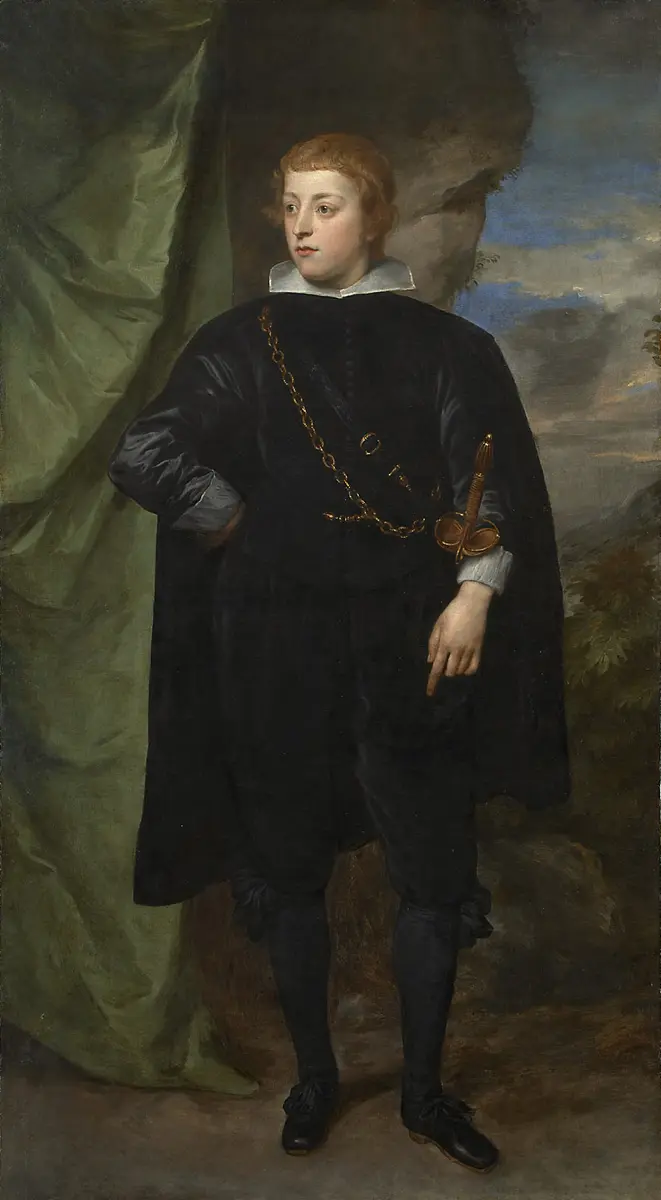
In November 1634 Filippo Francesco and Carlo Emmanuele, sons of Sigismondo d’Este, arrived in the Netherlands as part of the retinue of the newly appointed Spanish Governor, Cardinal Infant Ferdinand. Van Dyck portrayed the princes in Brussels during his third Antwerp period, 1634–35. Carlo Emmanuele, Marchese di Borgomanero – Spanish Ambassdor to Vienna from 1681 to 1695 – later became the most important patron of his nephew, Prince Eugene of Savoy. Their courtly Spanish attire emphasises the princes’ Catholic upbringing and has helped to refute the earlier identification of those depicted with the children of the Protestant “Winter King” Frederick V of Pfalz.
Artist:
Anthonis van Dyck (1599 Antwerpen - 1641 London) DNB
Depiction/Person:
Carlo Emanuele di Sigismondo III. d'Este di San Martino (1622 - 1695)
Time:
1634/35
Object Name
Painting
Culture
Flemish
Material/technology:
Canvas
Dimensions:
175 x 96,5 cm
Copyright
Kunsthistorisches Museum, Gemäldegalerie
Invs.
Gemäldegalerie, 485
Provenance
1651 Coll. Gaspar de haro Y Guzmán, VII marqués del Carpio (?); 1730 documented in the gallery
Browse more
Similar items you might be interested in
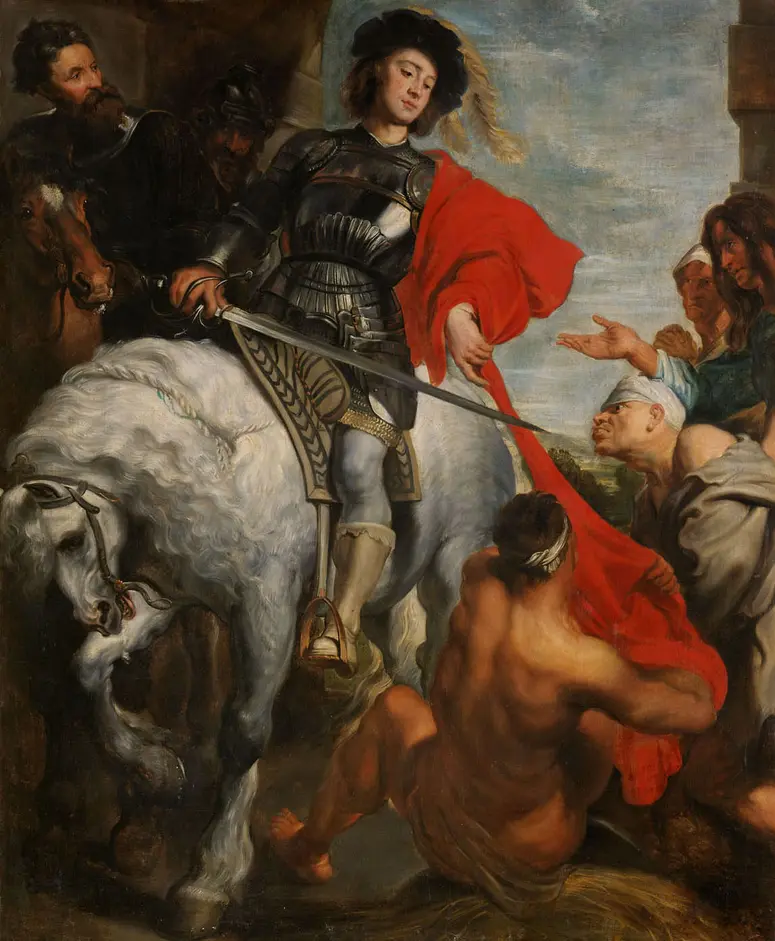
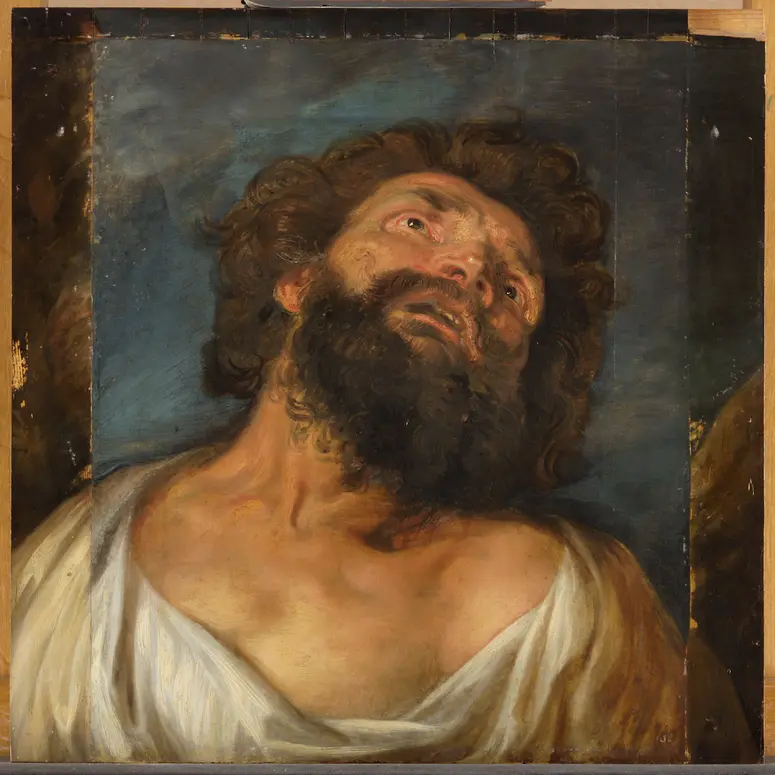
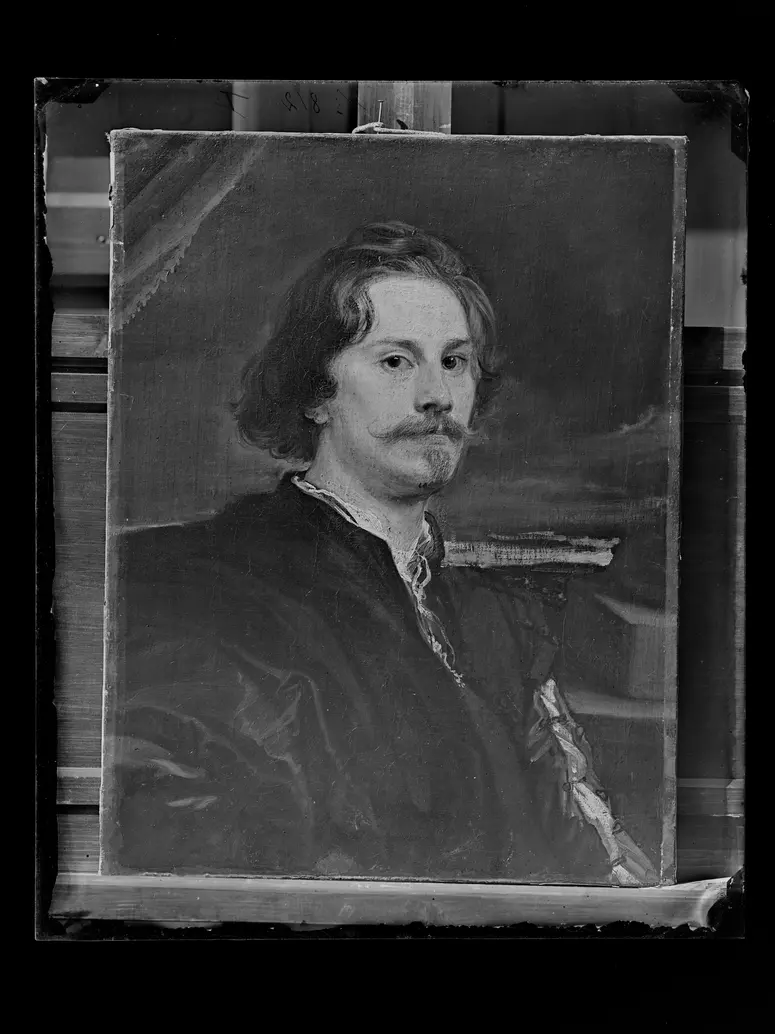
Bildnis des Pieter Soutman J. Löwy, K. und K. Hof-Photograph, Kunst- und Verlagsanstalt (Wien) 1888 bis 1891
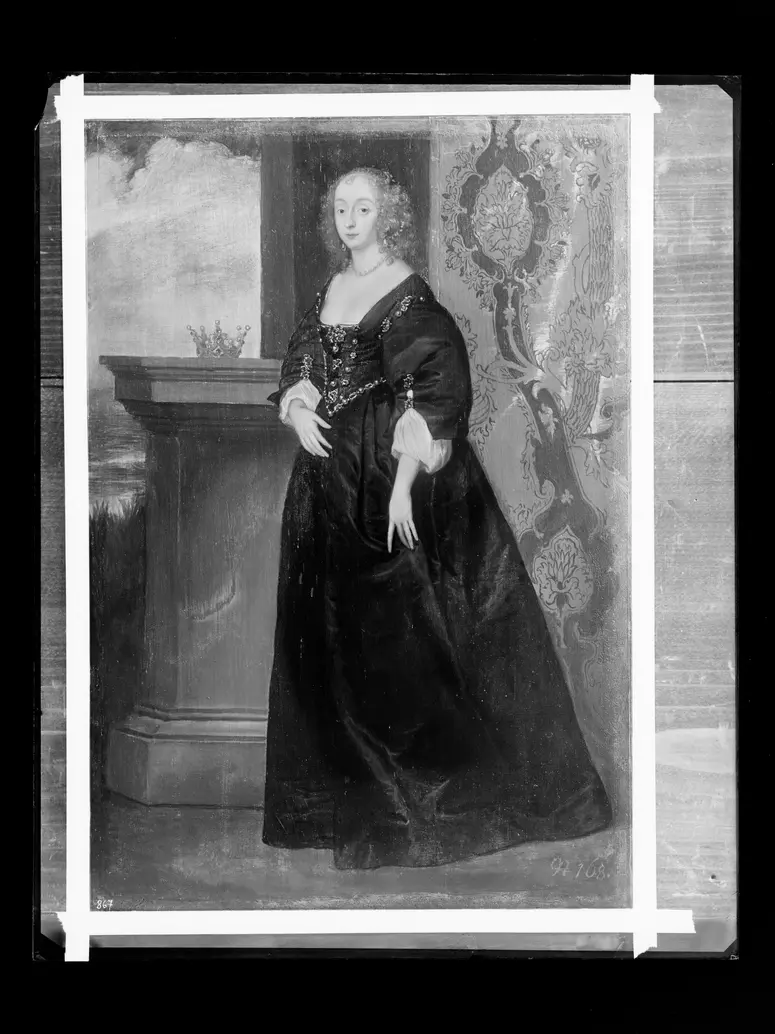
Damenbildnis J. Löwy, K. und K. Hof-Photograph, Kunst- und Verlagsanstalt (Wien) 1888 bis 1891
Knabenkopf J. Löwy, K. und K. Hof-Photograph, Kunst- und Verlagsanstalt (Wien) 1888 bis 1910
Männerbildnis J. Löwy, K. und K. Hof-Photograph, Kunst- und Verlagsanstalt (Wien) 1888 bis 1910
Amor J. Löwy, K. und K. Hof-Photograph, Kunst- und Verlagsanstalt (Wien) 1888 bis 1910
Gefangennahme Simsons J. Löwy, K. und K. Hof-Photograph, Kunst- und Verlagsanstalt (Wien) 1888 bis 1891
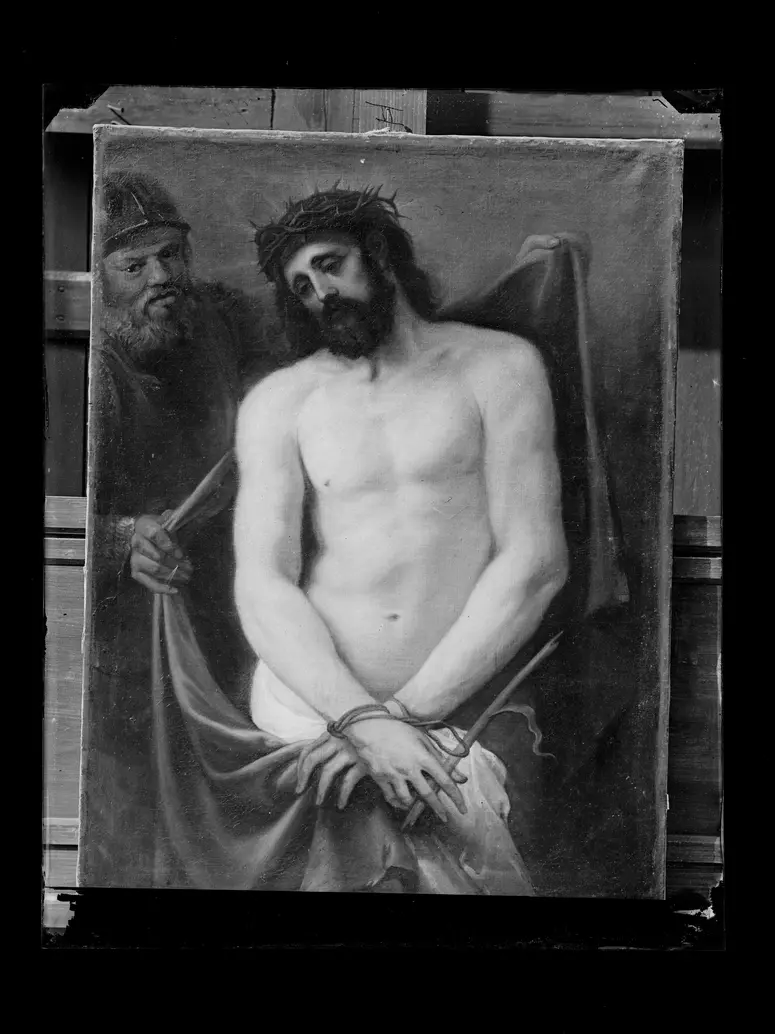
Ecce homo J. Löwy, K. und K. Hof-Photograph, Kunst- und Verlagsanstalt (Wien) 1888 bis 1891

Hl. Martin J. Löwy, K. und K. Hof-Photograph, Kunst- und Verlagsanstalt (Wien) 1888 bis 1891
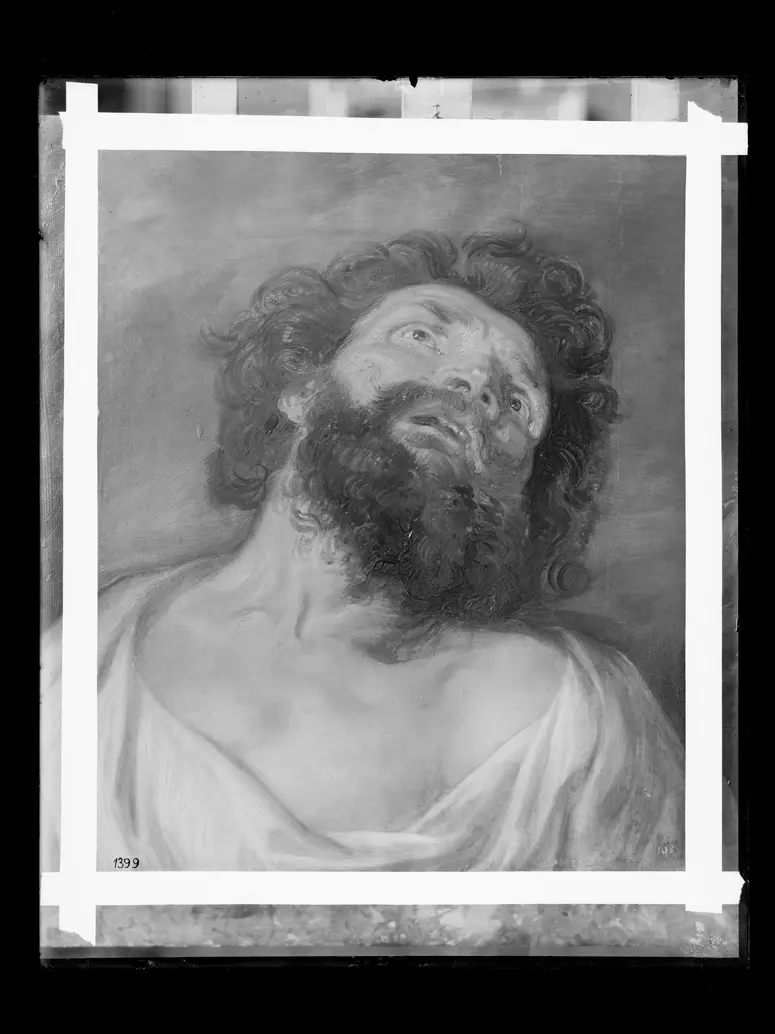
Studienkopf eines Schächers J. Löwy, K. und K. Hof-Photograph, Kunst- und Verlagsanstalt (Wien) 1888 bis 1891
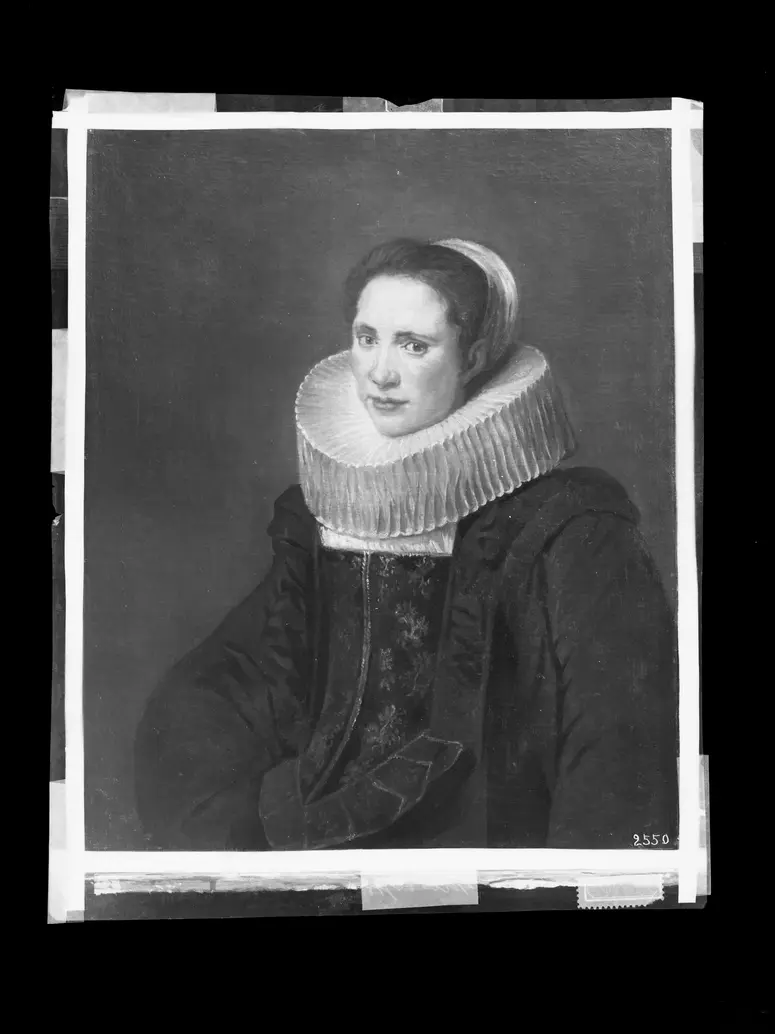
Weibliches Bildnis J. Löwy, K. und K. Hof-Photograph, Kunst- und Verlagsanstalt (Wien) 1888 bis 1910
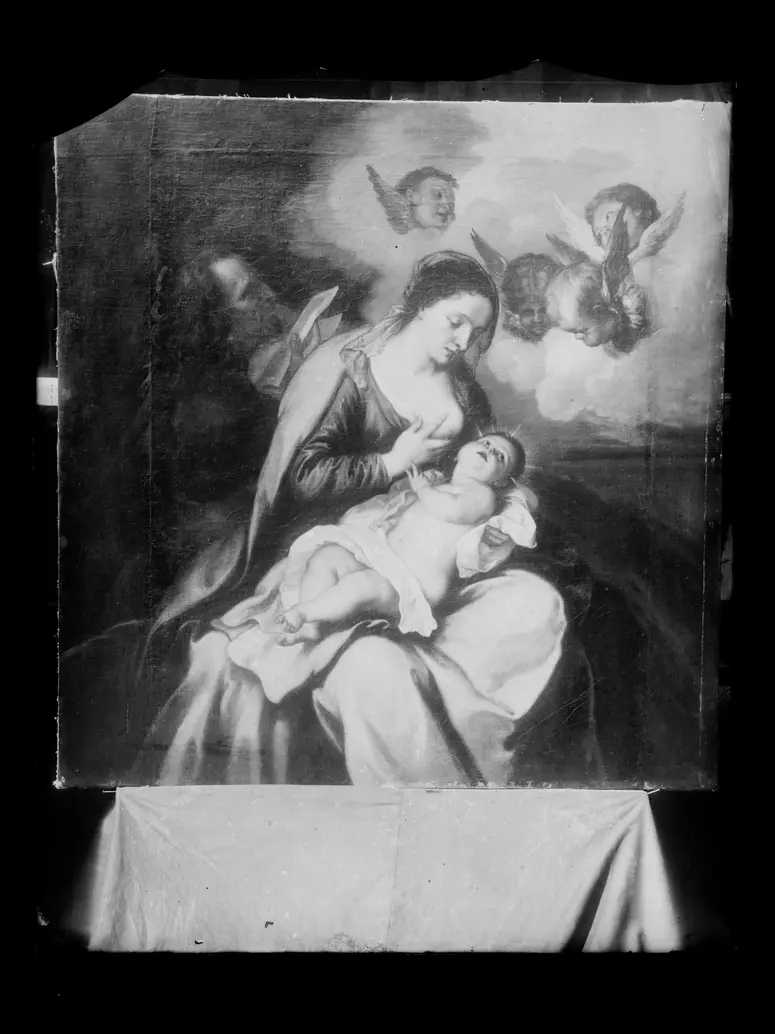
Die Heilige Familie J. Löwy, K. und K. Hof-Photograph, Kunst- und Verlagsanstalt (Wien) 1888 bis 1910
Männliches Bildnis J. Löwy, K. und K. Hof-Photograph, Kunst- und Verlagsanstalt (Wien) 1888 bis 1910
Männliches Bildnis J. Löwy, K. und K. Hof-Photograph, Kunst- und Verlagsanstalt (Wien) 1888 bis 1910
Männliches Bildnis J. Löwy, K. und K. Hof-Photograph, Kunst- und Verlagsanstalt (Wien) 1888 bis 1910
Betender Mönch J. Löwy, K. und K. Hof-Photograph, Kunst- und Verlagsanstalt (Wien) 1888 bis 1910