Paris
1. - 2. Jh. n. Chr.
In 1815, this smaller-than-life-sized marble sculpture sporting a Phrygian cap and a cloak and clasping a knotted cane was acquired as a depiction of “Paris” from the collection of Count Anton Lamberg-Sprinzenstein, together with a large number of vases from southern Italy the count had assembled during his tenure as the Austrian ambassador to the court in Naples. We know of many ancient depictions of Paris Prince of Troy, who by choosing Aphrodite as the most beautiful goddess and subsequently eloping with Helen had precipitated the Trojan War. This figure, however, could also depict Ganymede, the handsome shepherd abducted by Zeus in the shape of an eagle to become cupbearer to the gods on Mount Olympus. A skilled early-modern sculptor with a sure hand and a good eye restored the ancient torso by adding the head, a large part of the right arm with the knotted cane, the right leg from the knee downwards with part of the base, and the fingers of the left hand. He may have been Carlo Albacini, who, among other works, restored a Ganymede from the Farnese Collection prior to its removal from Rome to Naples.
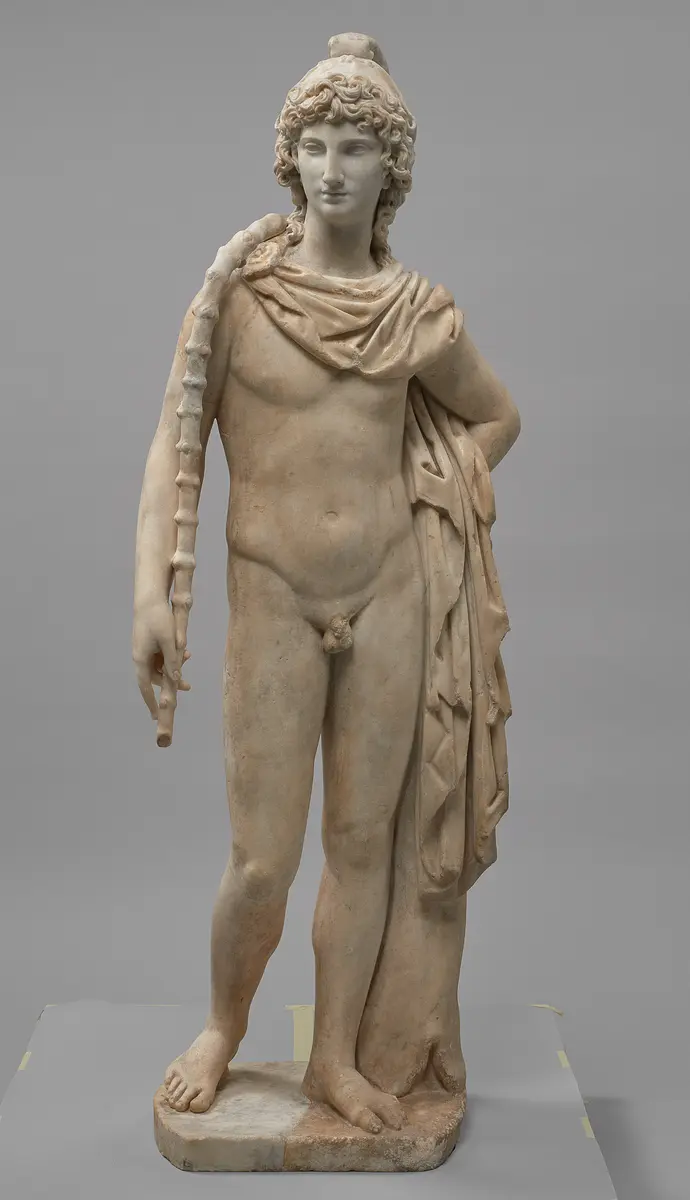
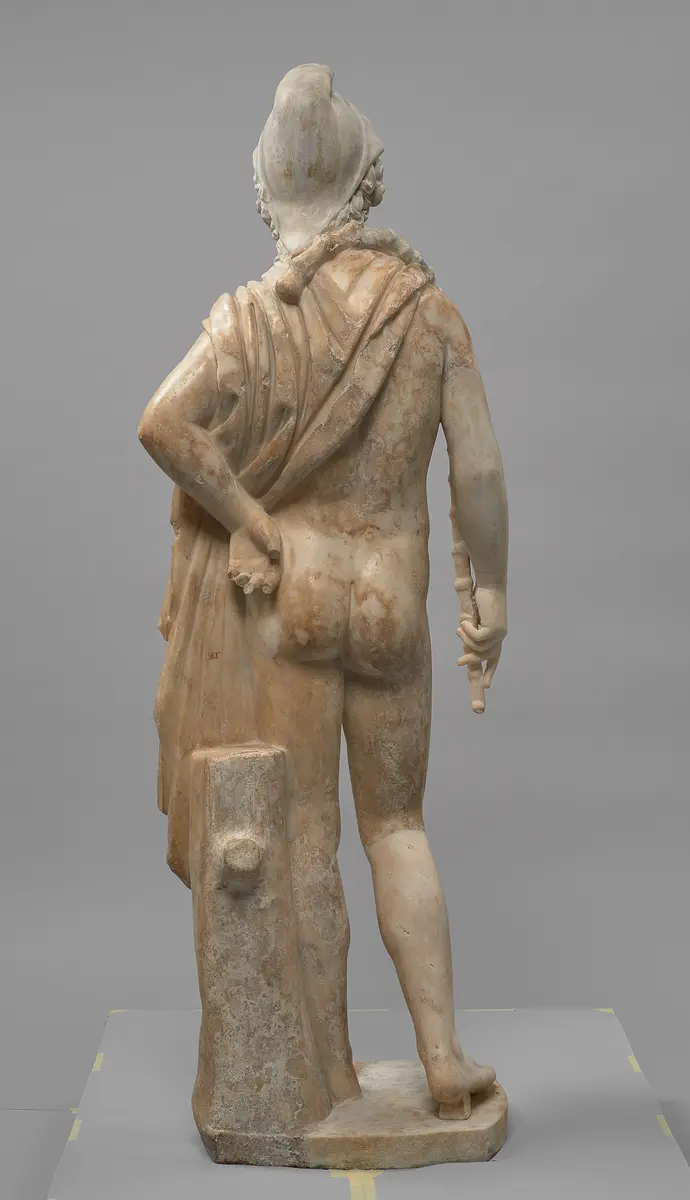
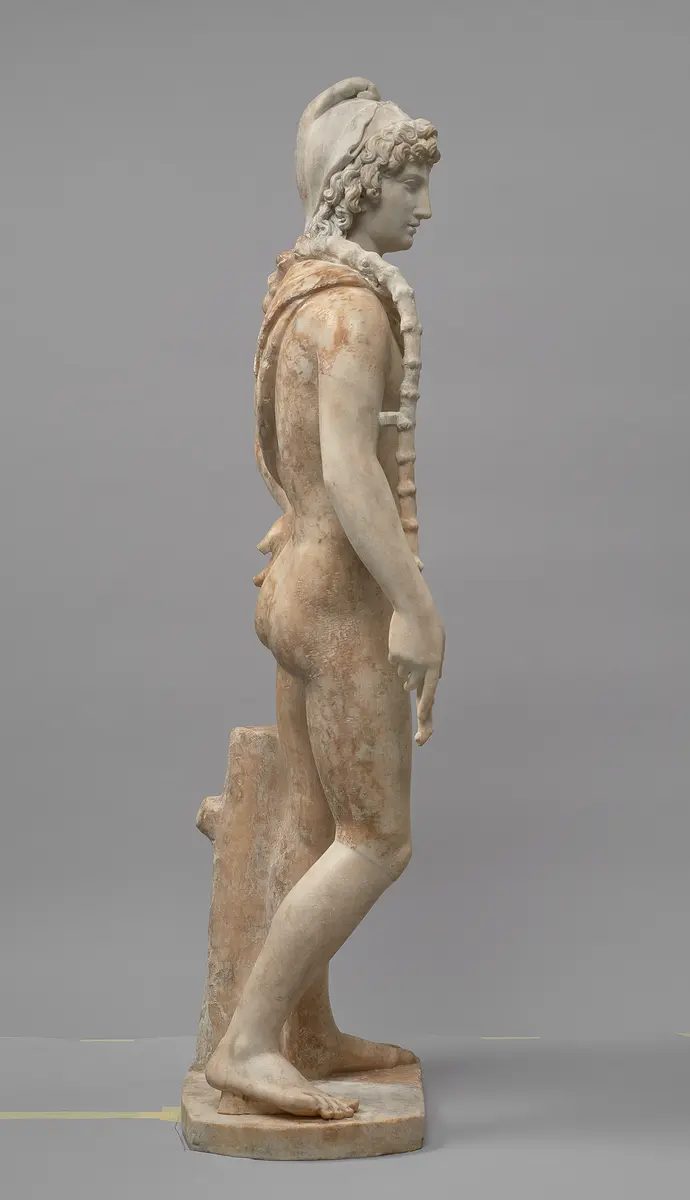
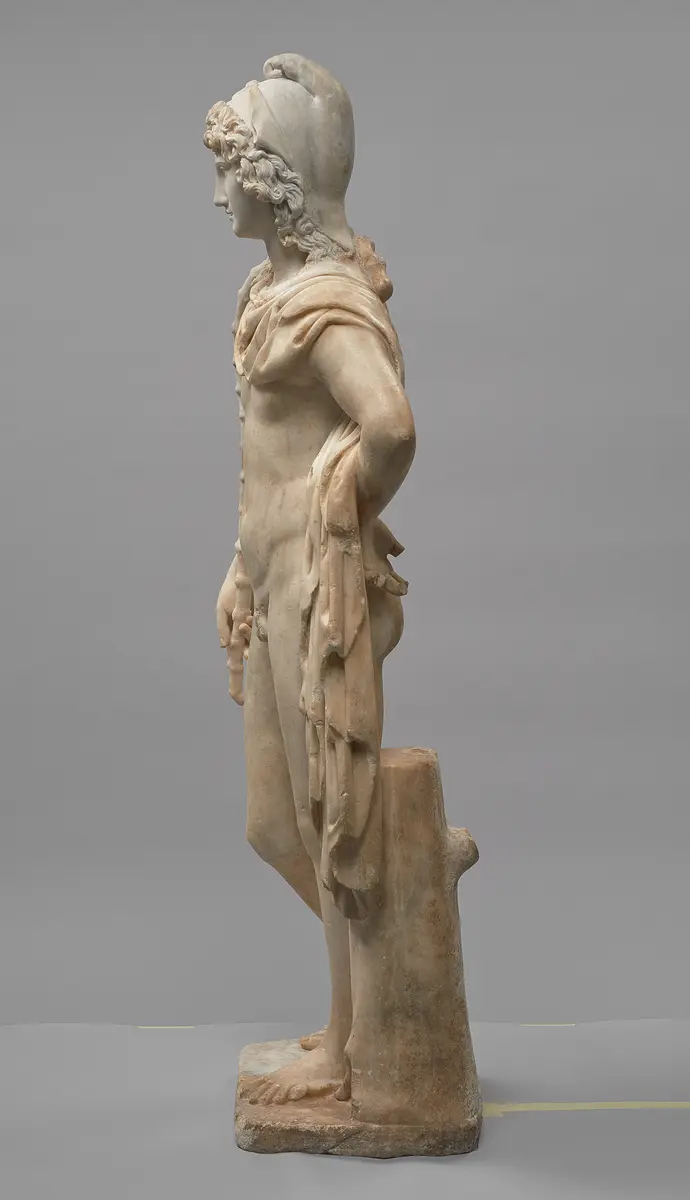
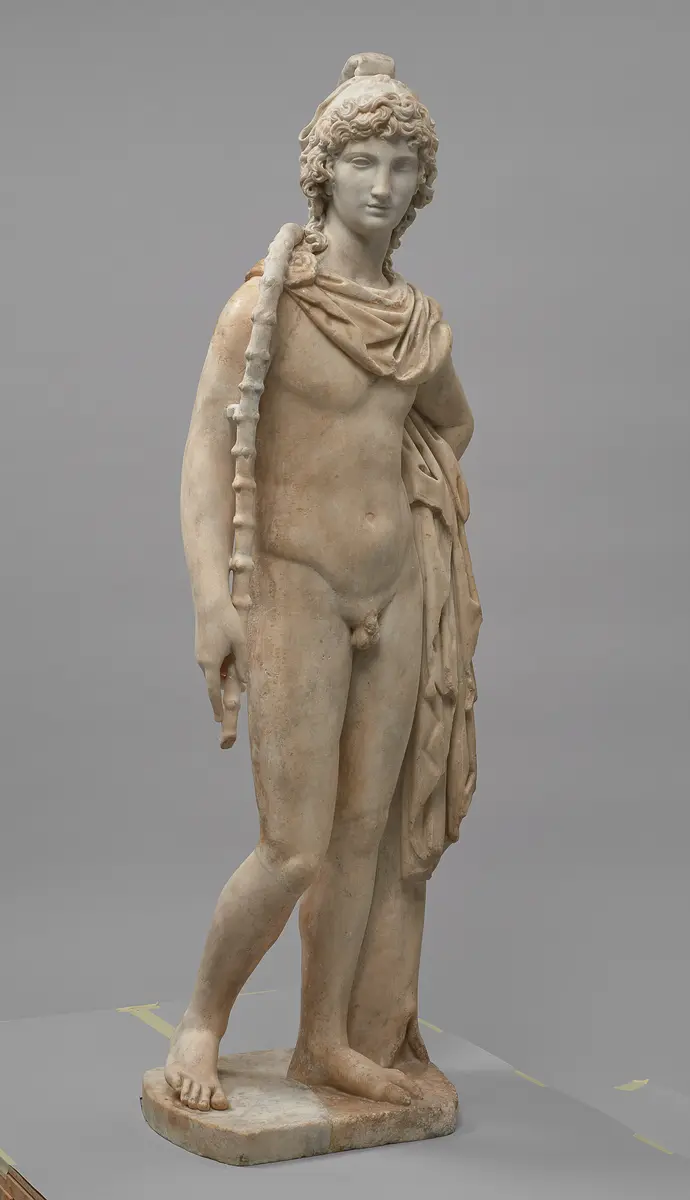
In 1815, this smaller-than-life-sized marble sculpture sporting a Phrygian cap and a cloak and clasping a knotted cane was acquired as a depiction of “Paris” from the collection of Count Anton Lamberg-Sprinzenstein, together with a large number of vases from southern Italy the count had assembled during his tenure as the Austrian ambassador to the court in Naples. We know of many ancient depictions of Paris Prince of Troy, who by choosing Aphrodite as the most beautiful goddess and subsequently eloping with Helen had precipitated the Trojan War. This figure, however, could also depict Ganymede, the handsome shepherd abducted by Zeus in the shape of an eagle to become cupbearer to the gods on Mount Olympus. A skilled early-modern sculptor with a sure hand and a good eye restored the ancient torso by adding the head, a large part of the right arm with the knotted cane, the right leg from the knee downwards with part of the base, and the fingers of the left hand. He may have been Carlo Albacini, who, among other works, restored a Ganymede from the Farnese Collection prior to its removal from Rome to Naples.
Time:
1. - 2. Jh. n. Chr.
Object Name
Statuette
Culture
Römisch
Location of discovery:
Unbekannt
Material/technology:
Marmor
Copyright
Kunsthistorisches Museum, Antikensammlung
Invs.
Antikensammlung, I 165
Provenance
Lamberg-Sprinzenstein, Graf, Anton, von, Wien; 1815 Kauf
Browse more
Similar items you might be interested in
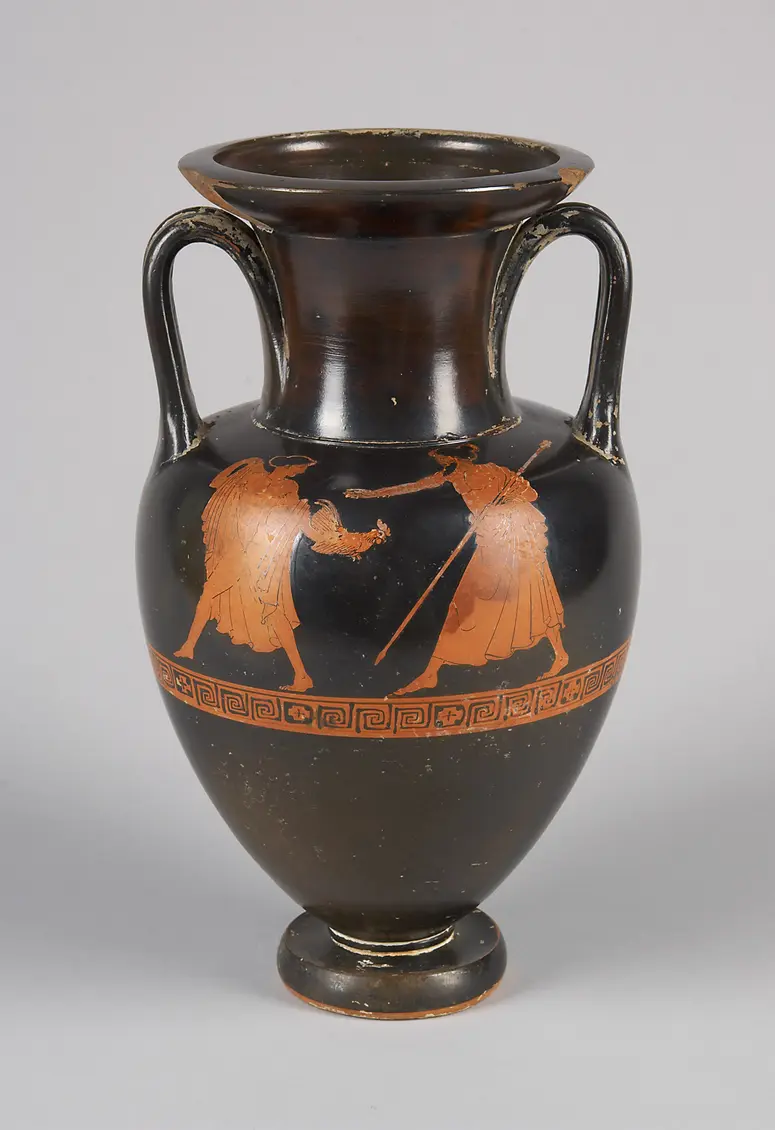
Halsamphora: Zeus verfolgt Ganymedes (A), Fliehender Knabe (B) Griechisch, Attisch, rotfigurig um 480 v. Chr.
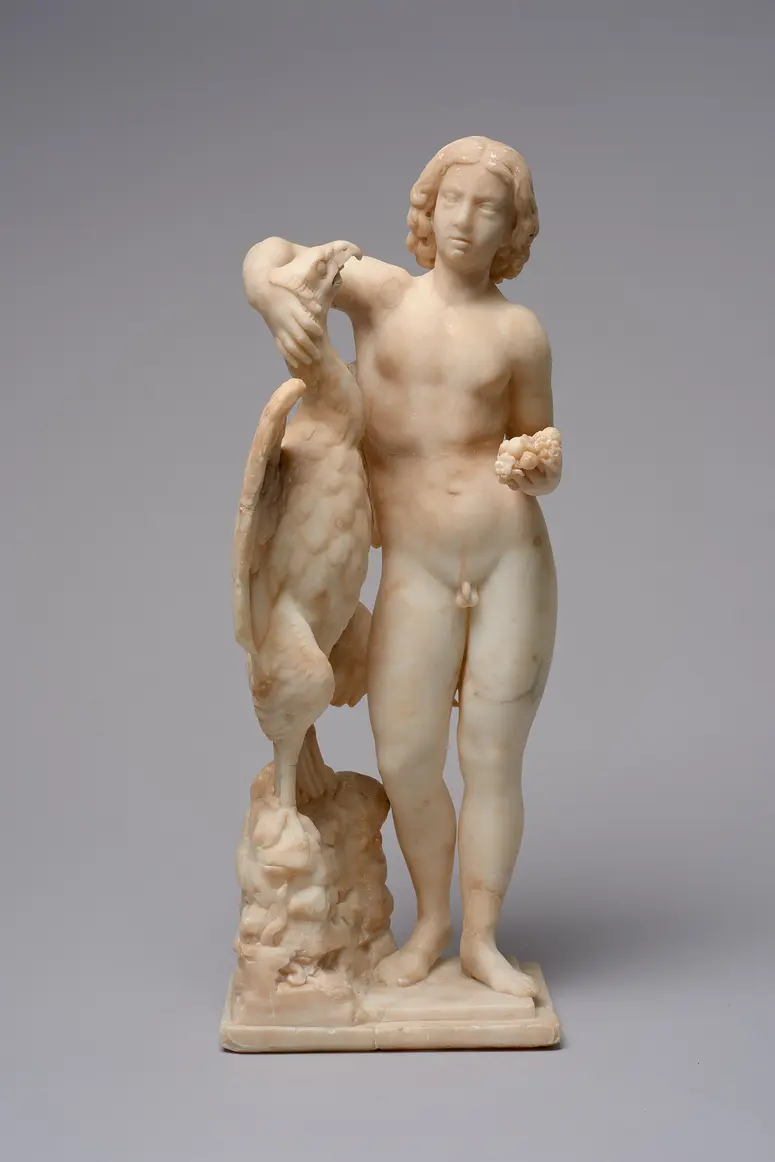
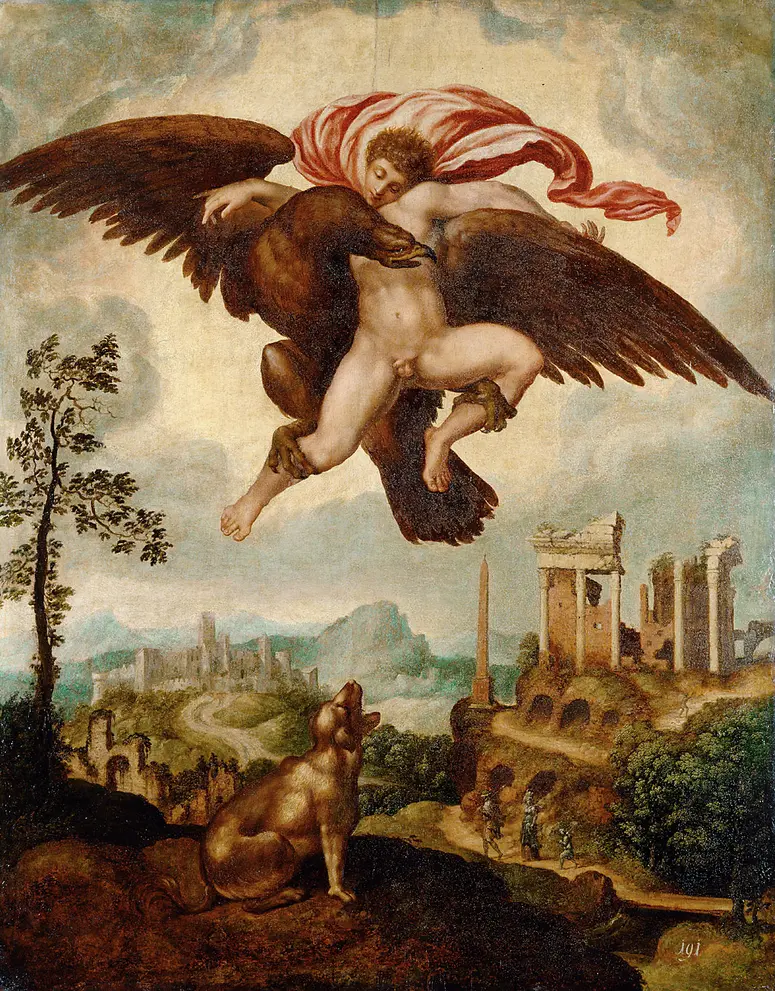
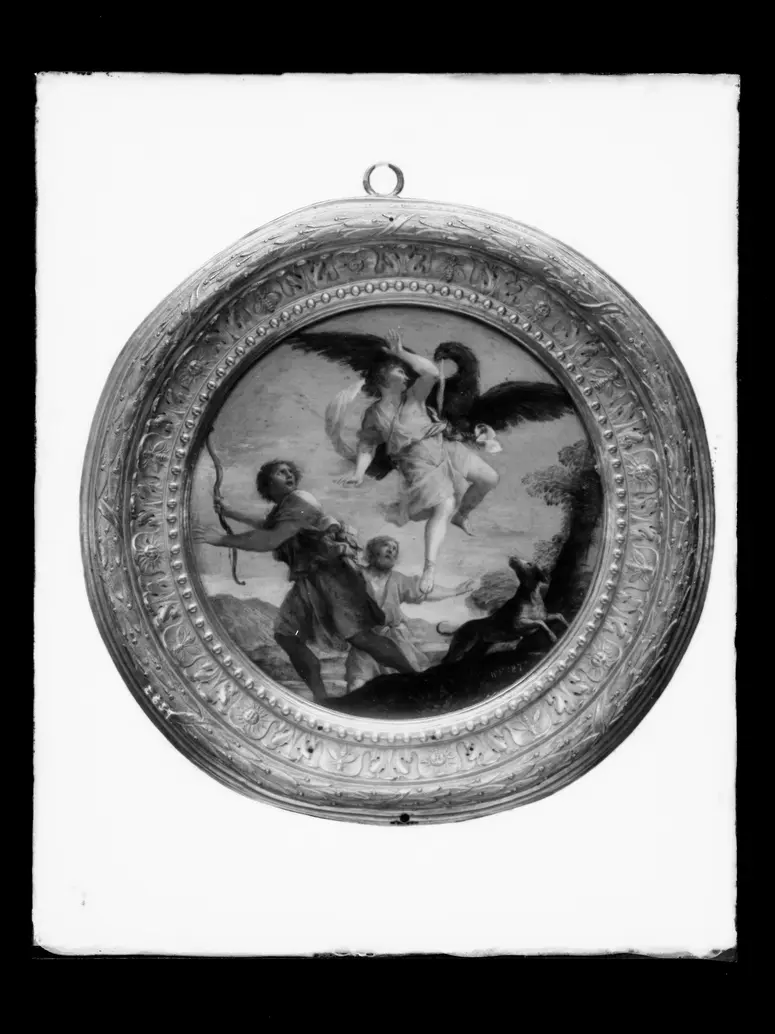
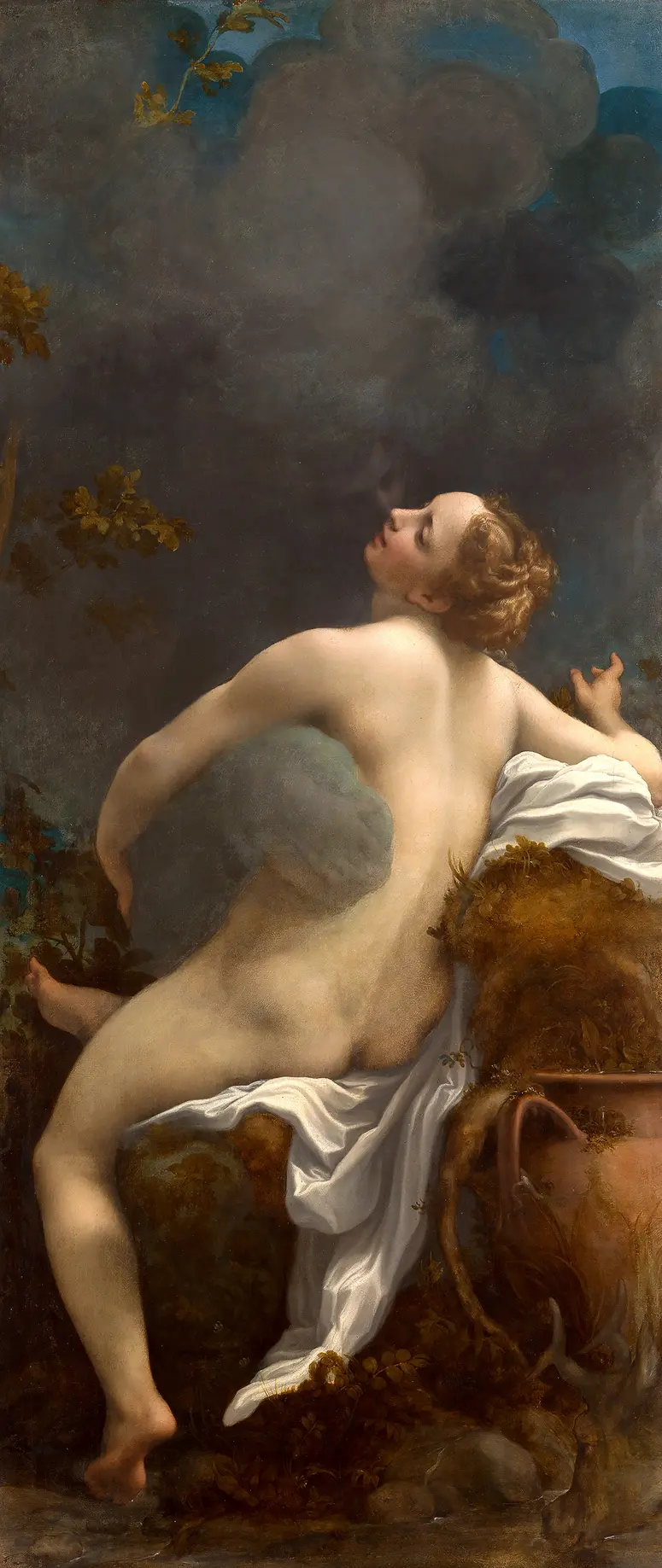
Raub des Ganymed J. Löwy, K. und K. Hof-Photograph, Kunst- und Verlagsanstalt (Wien) 1888 bis 1910
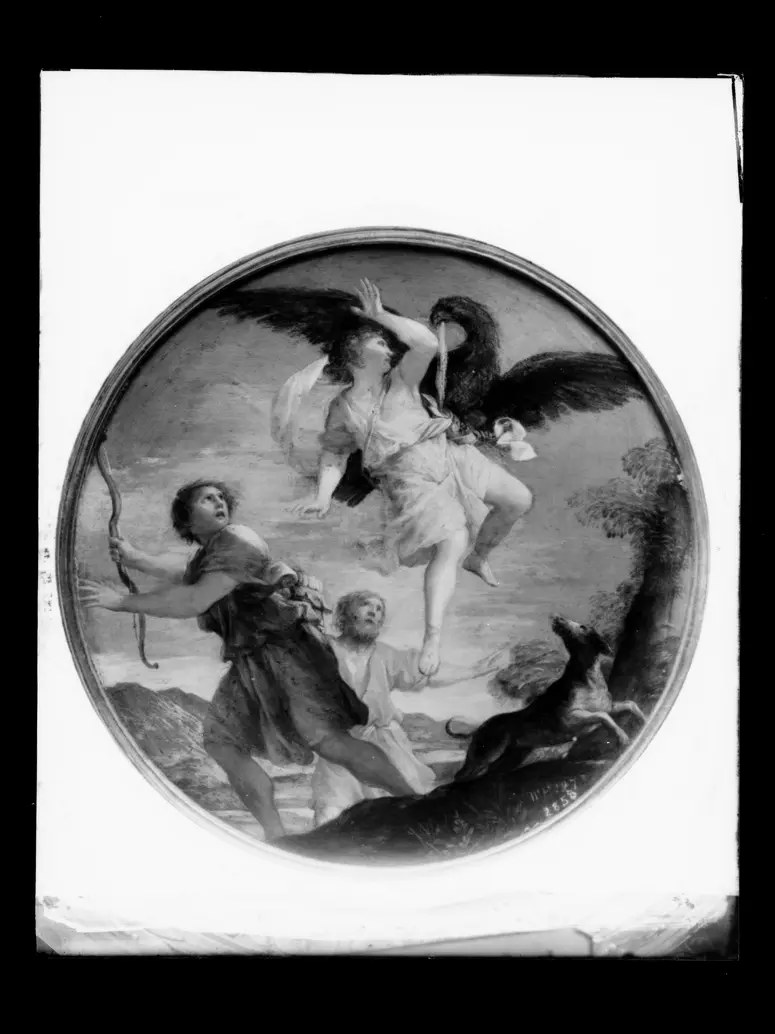
Raub des Ganymed J. Löwy, K. und K. Hof-Photograph, Kunst- und Verlagsanstalt (Wien) 1888 bis 1910
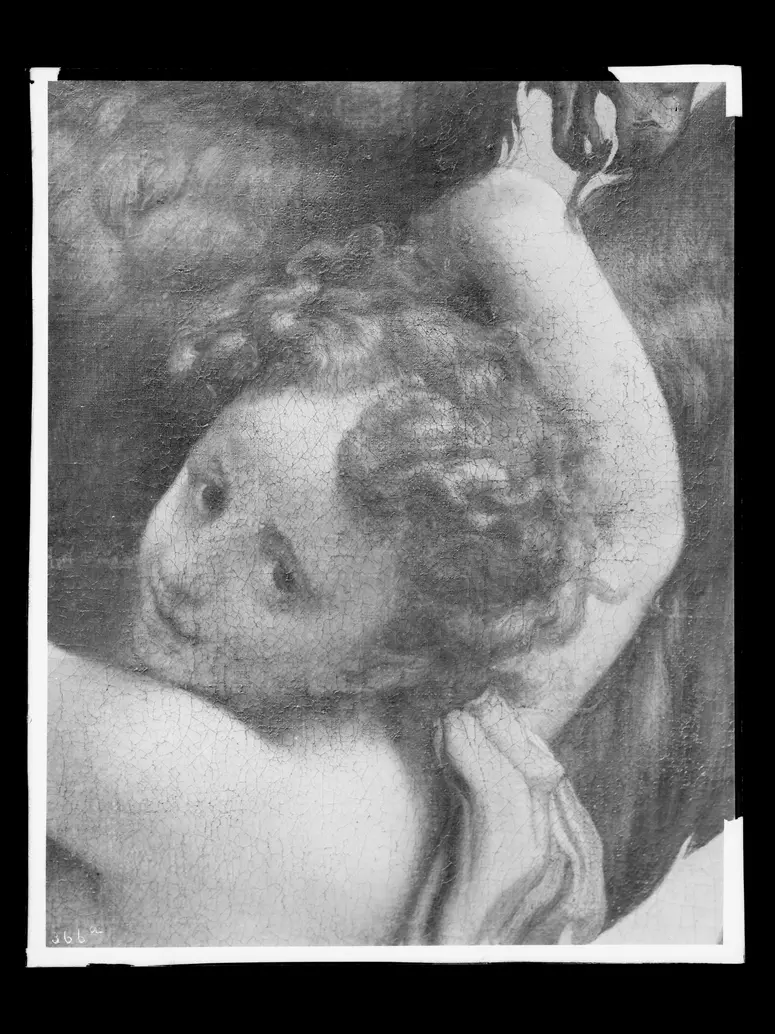
Entführung des Ganymed J. Löwy, K. und K. Hof-Photograph, Kunst- und Verlagsanstalt (Wien) 1888 bis 1891
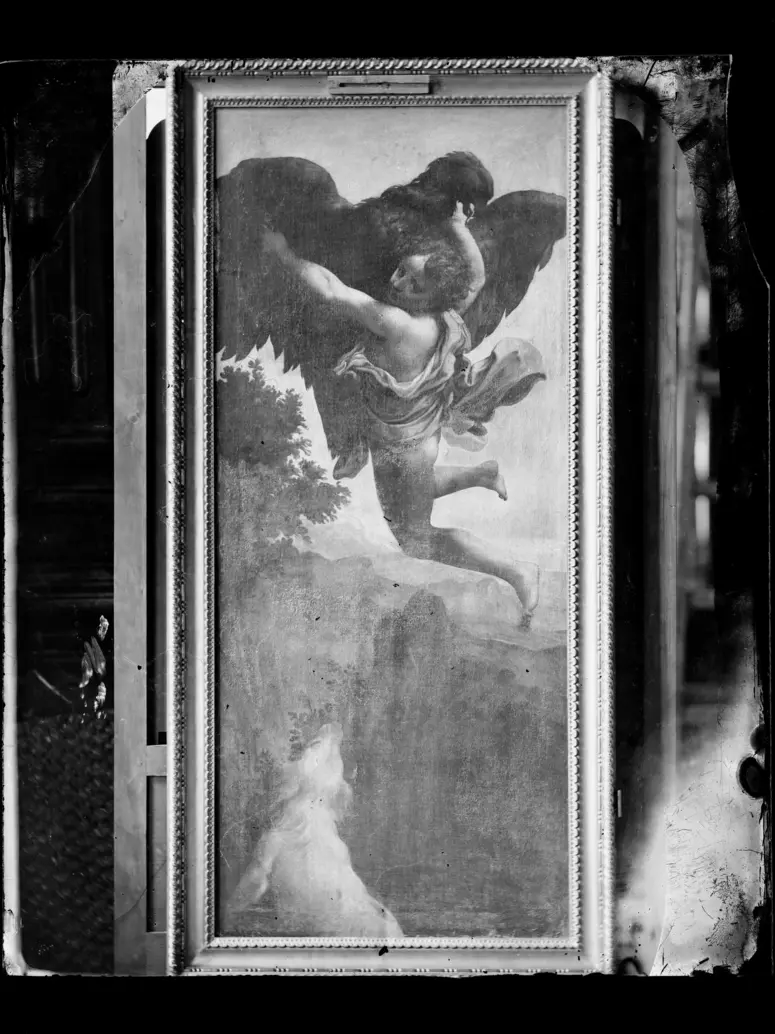
Entführung des Ganymed J. Löwy, K. und K. Hof-Photograph, Kunst- und Verlagsanstalt (Wien) 1888 bis 1891
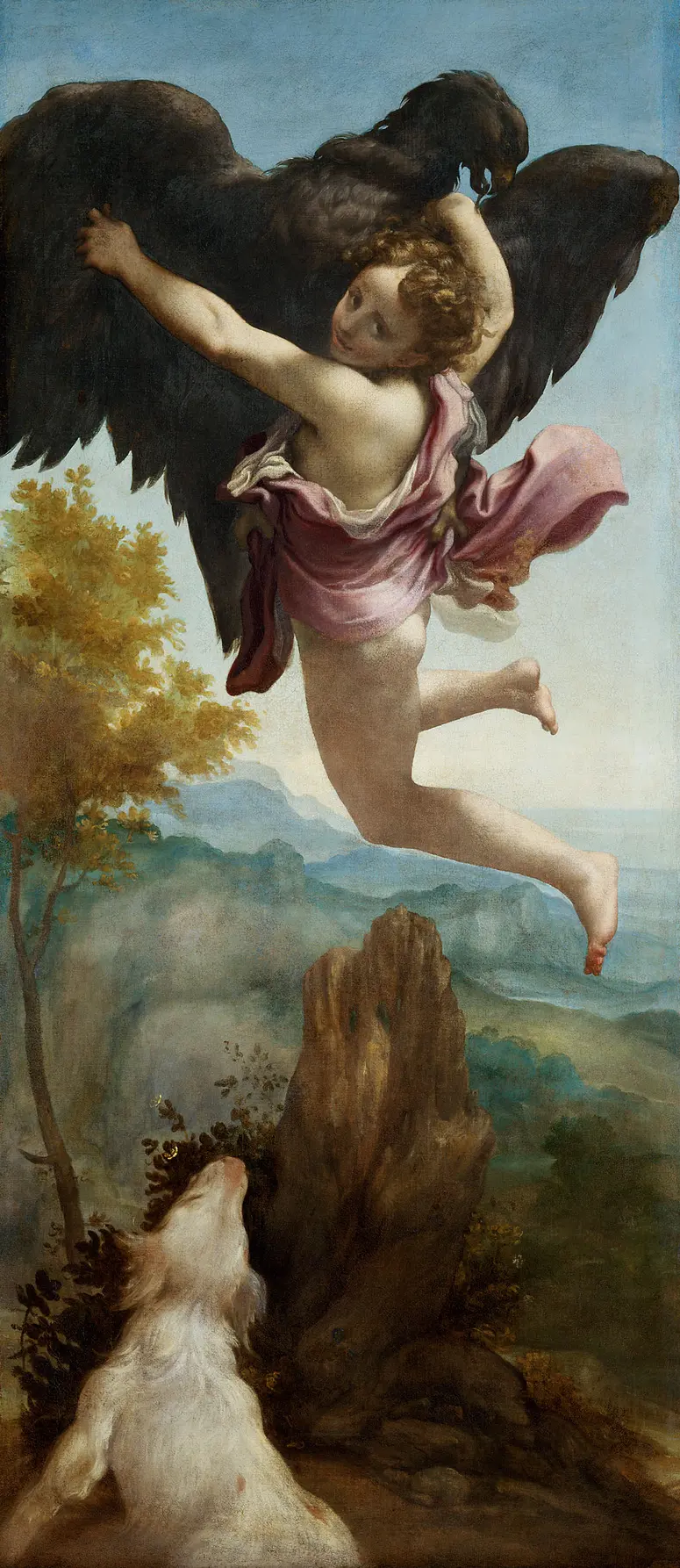
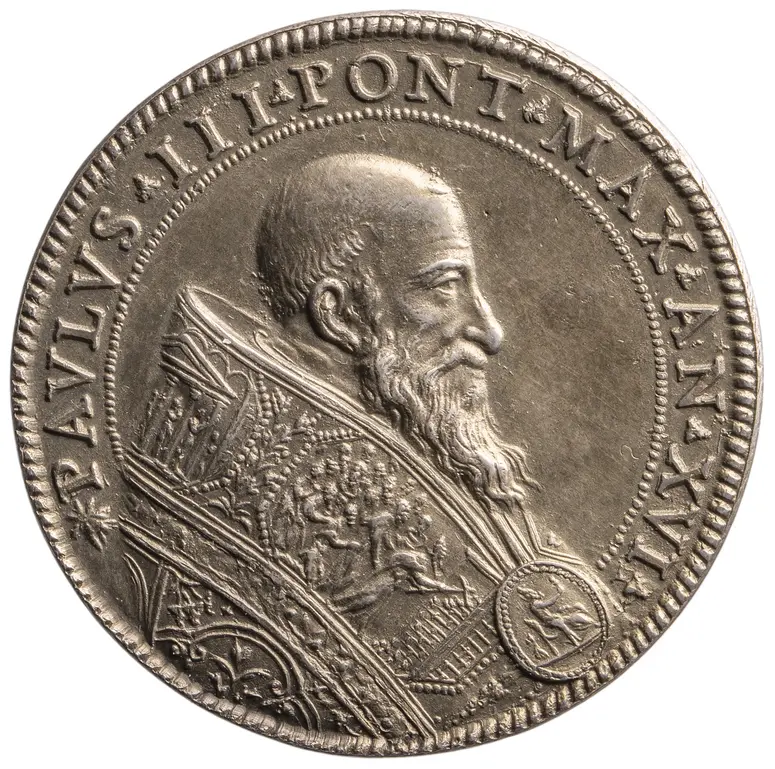
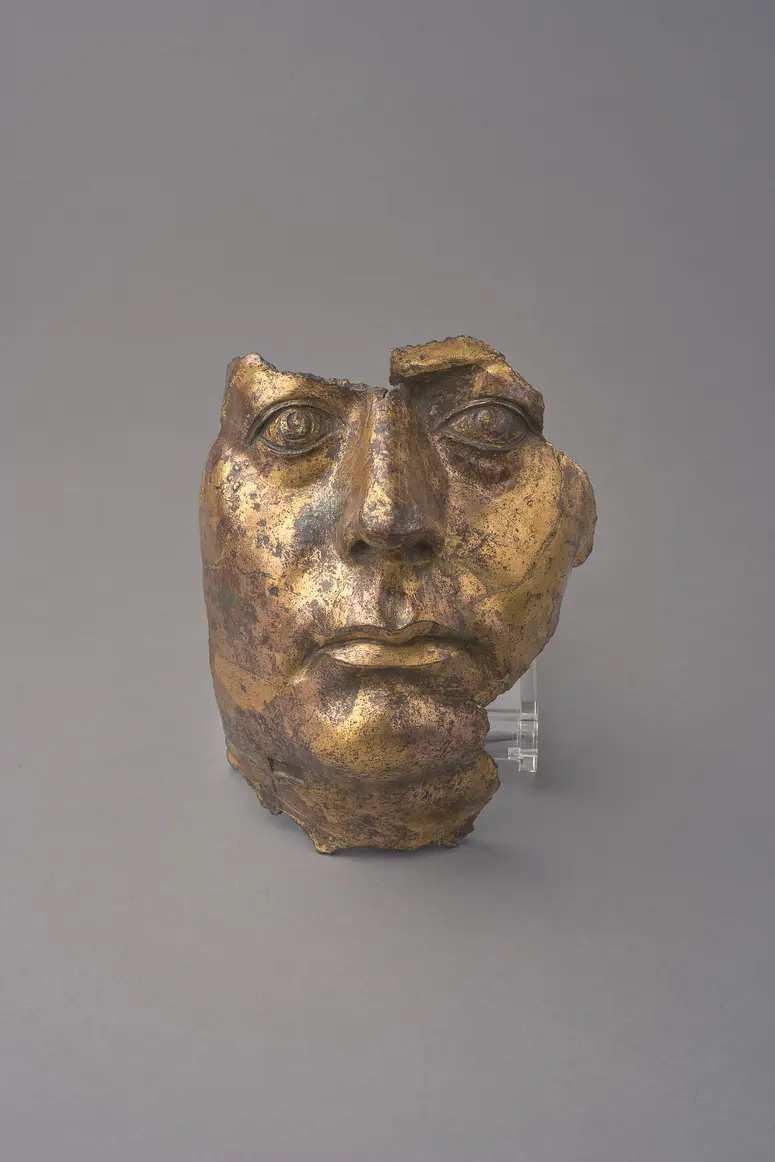
Statue: Fragmente von einer Statue: Kopffragment und Fingerfragment (zu Inv. VI 2441) Römisch, Mittlere Kaiserzeit 2. Jh. n. Chr.
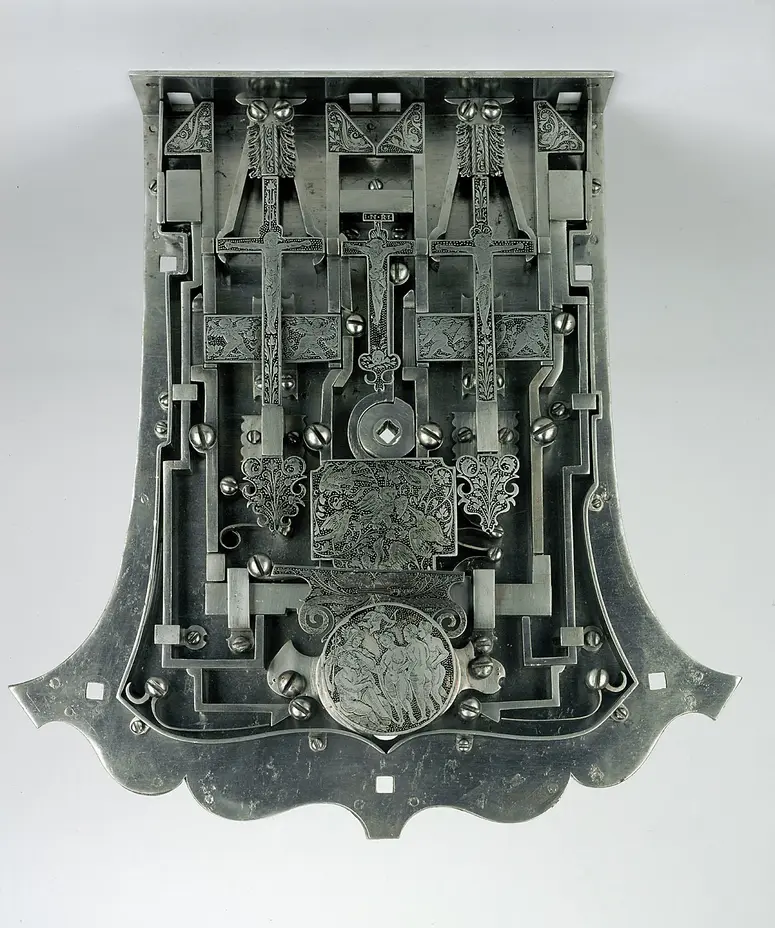
Truhenschloss, Schmiedearbeit, Schnittarbeit um 1550