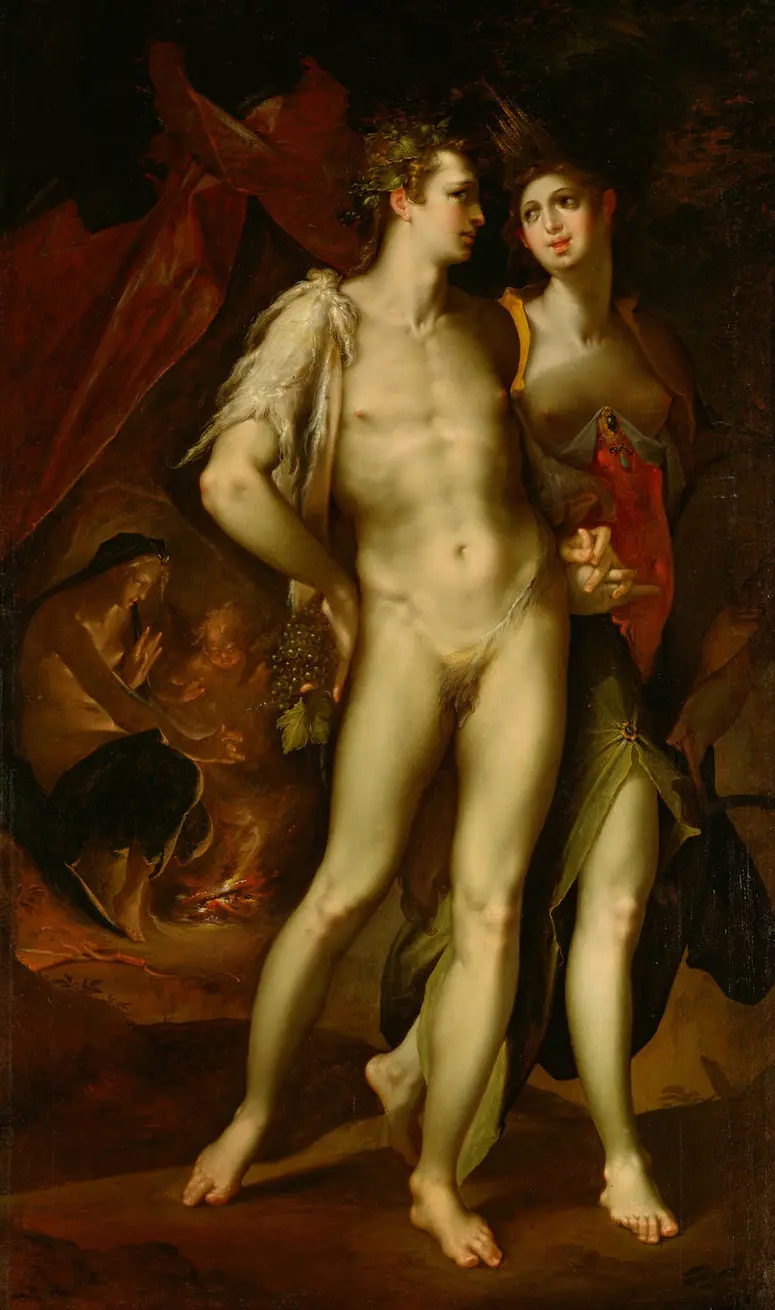
Glaucus and Scylla
around 1580/82 | Bartholomäus Spranger
In the “Metamorphoses”, Ovid tells of Glaucus, who leaped into the sea after enjoying a magic herb and was turned into a water demon. He loves the nymph Scylla, who nonetheless spurns him. Scylla is turned into a sea monster with six heads and twelve feet by poison given to her by the jealous witch Kirke, who for her part loves Glaucus. Legend tells that this monster, together with Charybdis, threatens the Straits of Messina and eats up passing sailors.
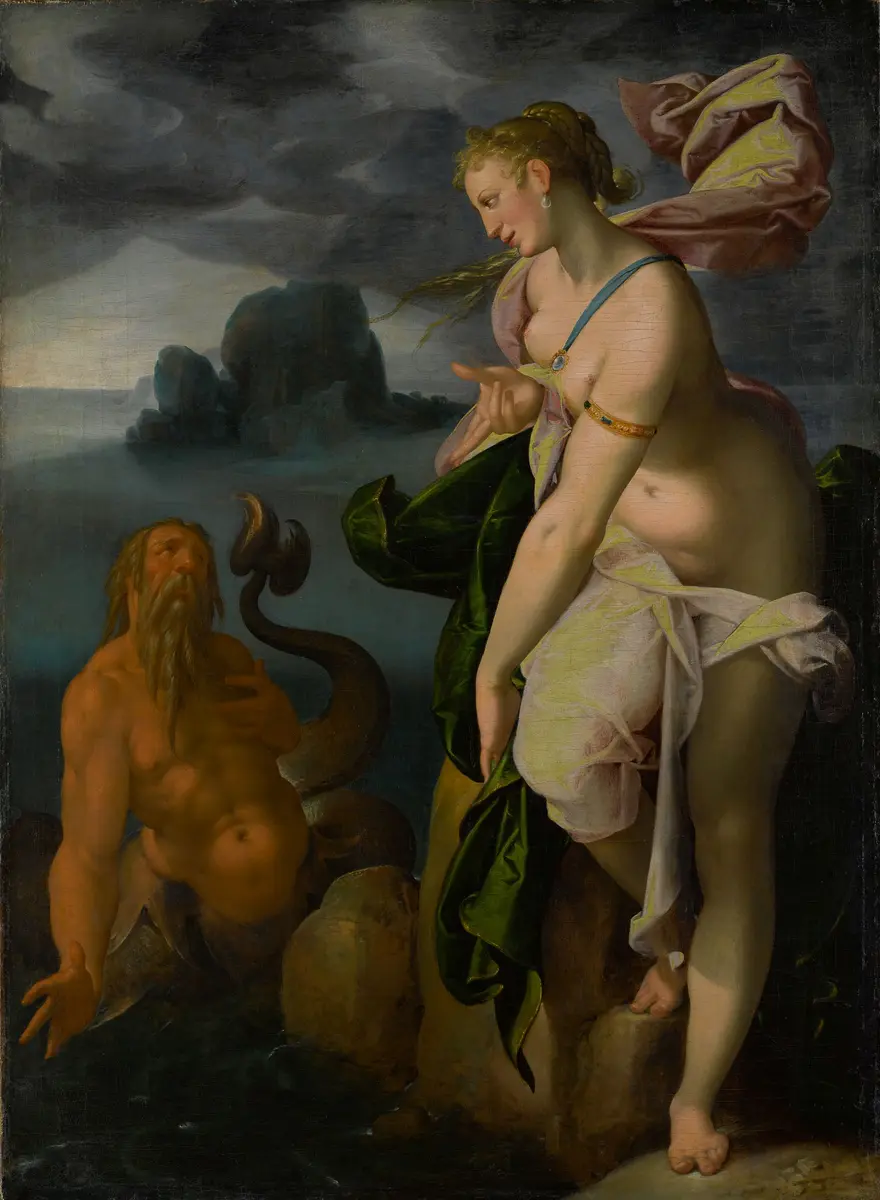
In the “Metamorphoses”, Ovid tells of Glaucus, who leaped into the sea after enjoying a magic herb and was turned into a water demon. He loves the nymph Scylla, who nonetheless spurns him. Scylla is turned into a sea monster with six heads and twelve feet by poison given to her by the jealous witch Kirke, who for her part loves Glaucus. Legend tells that this monster, together with Charybdis, threatens the Straits of Messina and eats up passing sailors.
Artist:
Bartholomäus Spranger (1546 Antwerpen - 1611 Prag) DNB
Time:
around 1580/82
Object Name
Painting
Culture
Netherlandish
Material/technology:
Canvas
Dimensions:
110 cm × 81 cm
Framed: 126 cm × 96 cm × 8,5 cm
Copyright
Kunsthistorisches Museum, Gemäldegalerie
Invs.
Gemäldegalerie, 2615
Provenance
From the treasury Rudolf II.
Browse more
Similar items you might be interested in
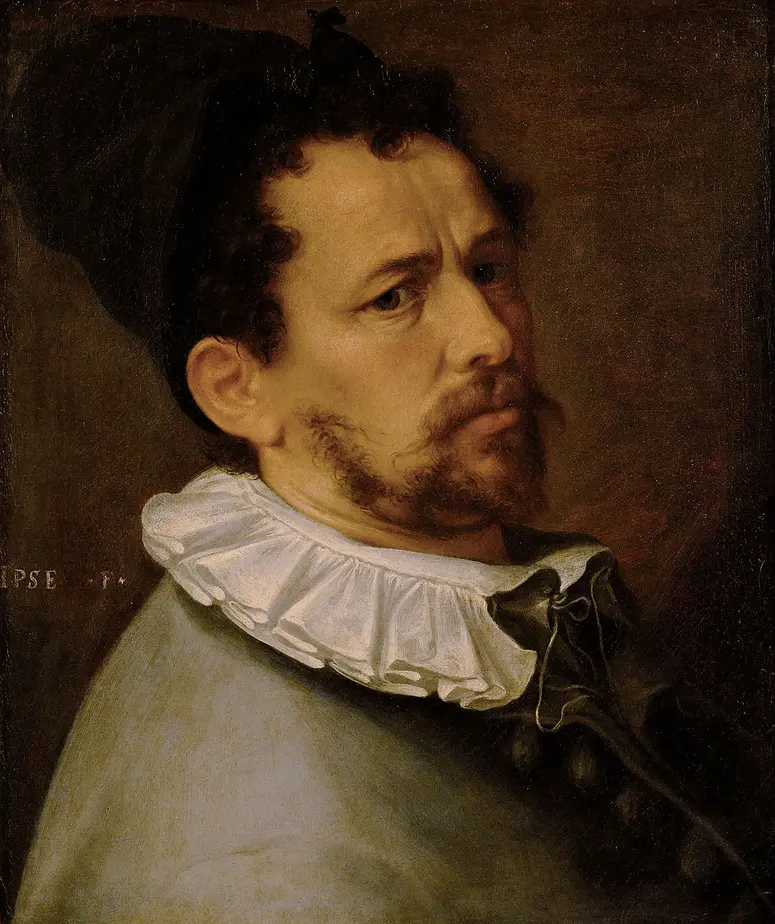
Selbstbildnis J. Löwy, K. und K. Hof-Photograph, Kunst- und Verlagsanstalt (Wien) 1888 bis 1891
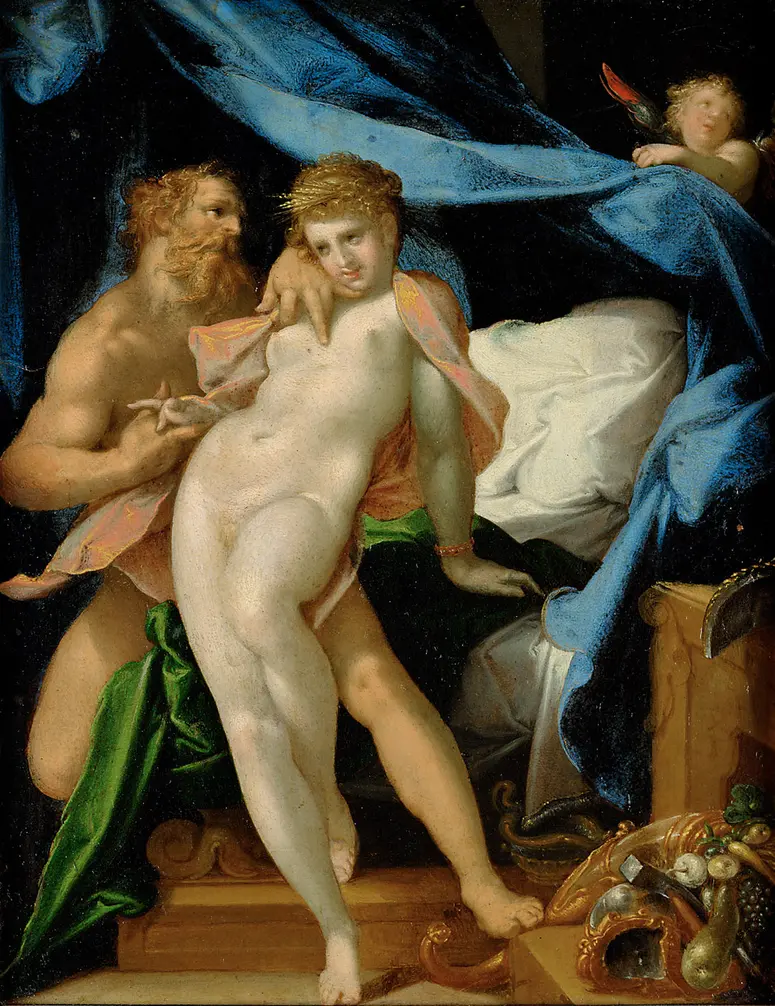
Herkules und Omphale J. Löwy, K. und K. Hof-Photograph, Kunst- und Verlagsanstalt (Wien) 1888 bis 1891
Vulkan und Maia J. Löwy, K. und K. Hof-Photograph, Kunst- und Verlagsanstalt (Wien) 1888 bis 1891
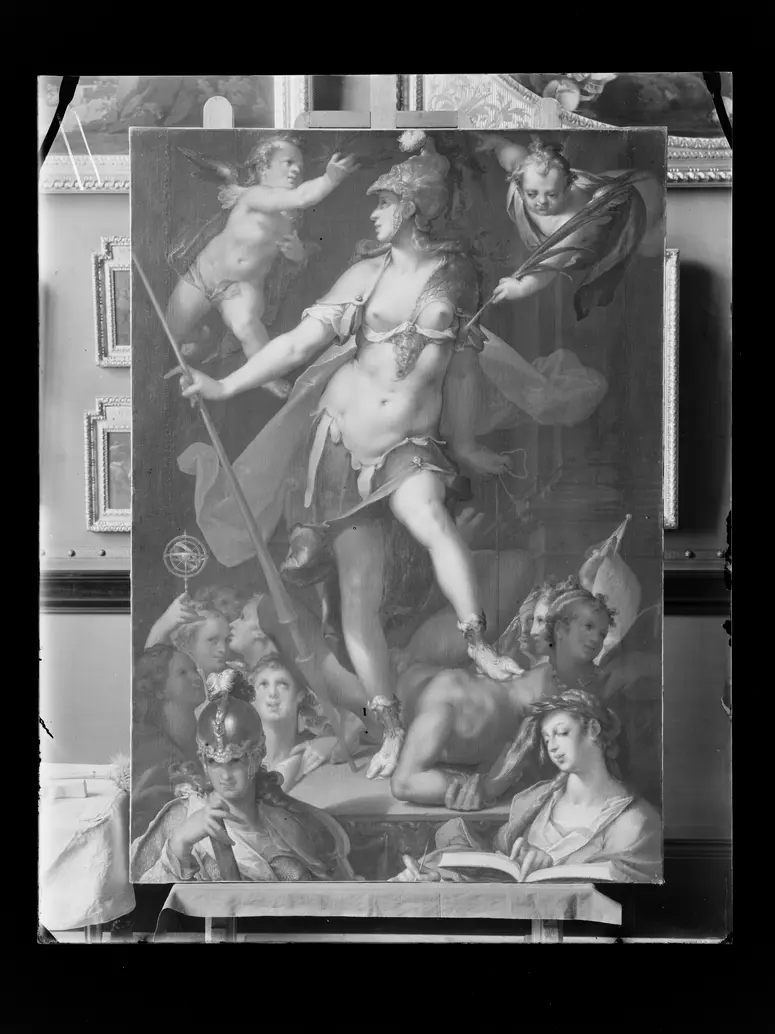
Minerva als Siegerin über die Unwissenheit J. Löwy, K. und K. Hof-Photograph, Kunst- und Verlagsanstalt (Wien) 1888 bis 1891
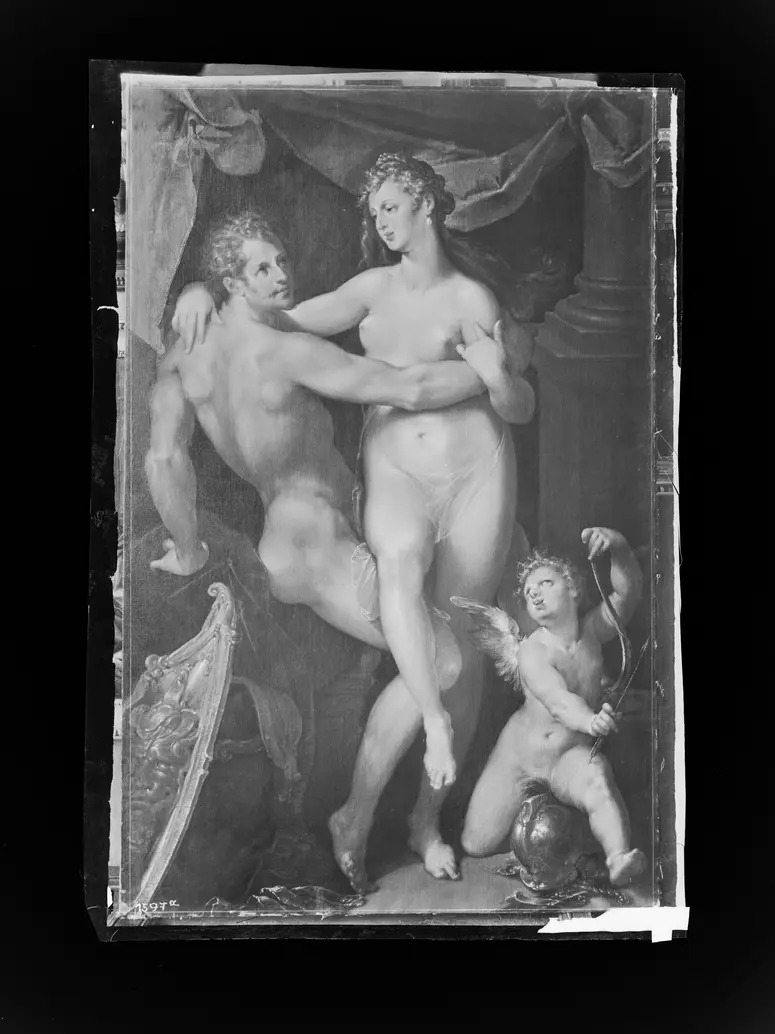
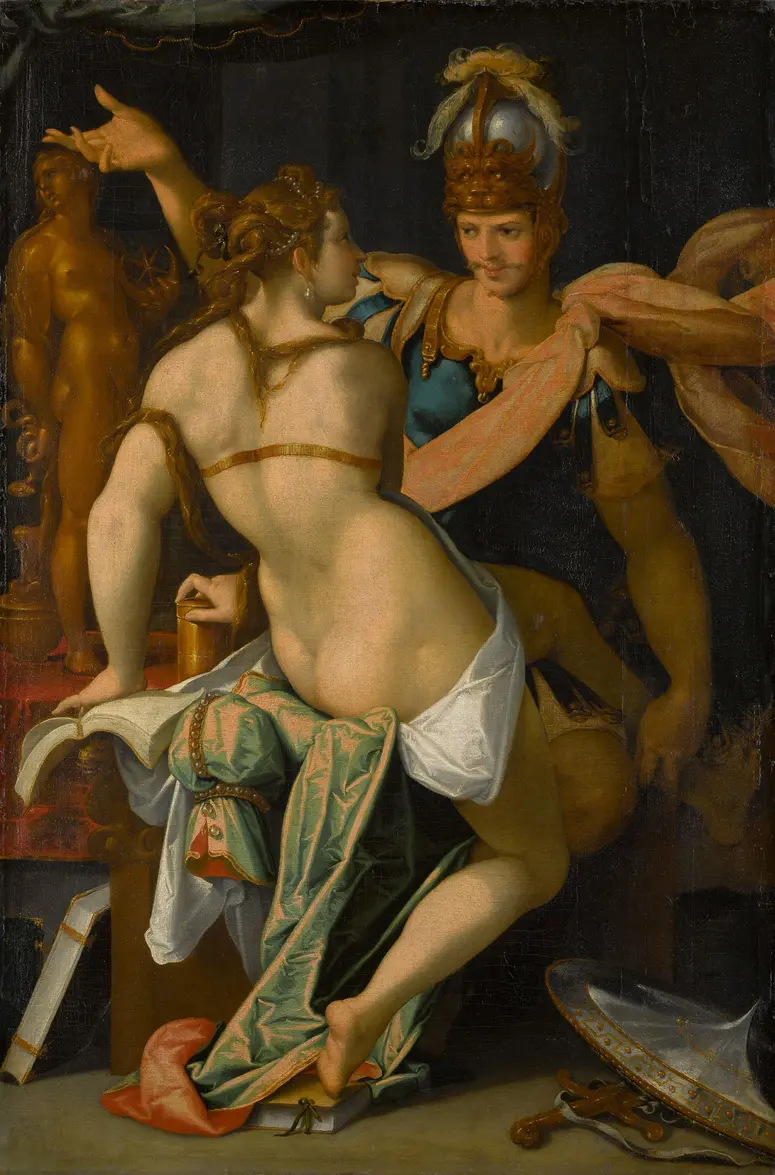
Mars, Venus und Amor J. Löwy, K. und K. Hof-Photograph, Kunst- und Verlagsanstalt (Wien) 1888 bis 1910
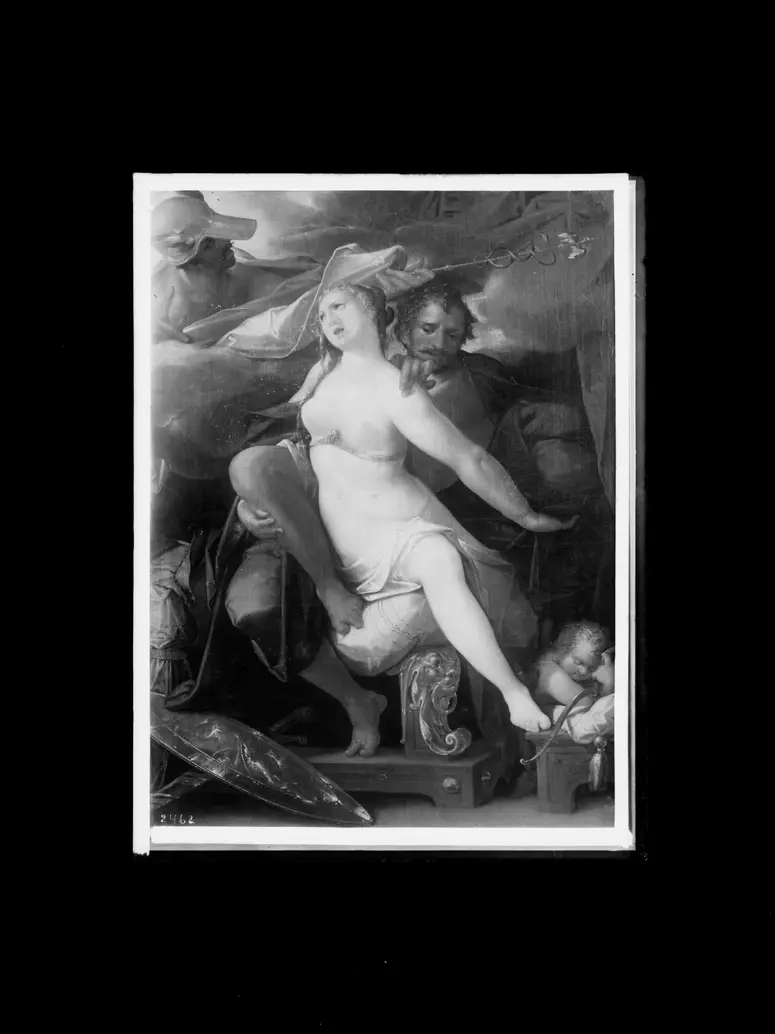
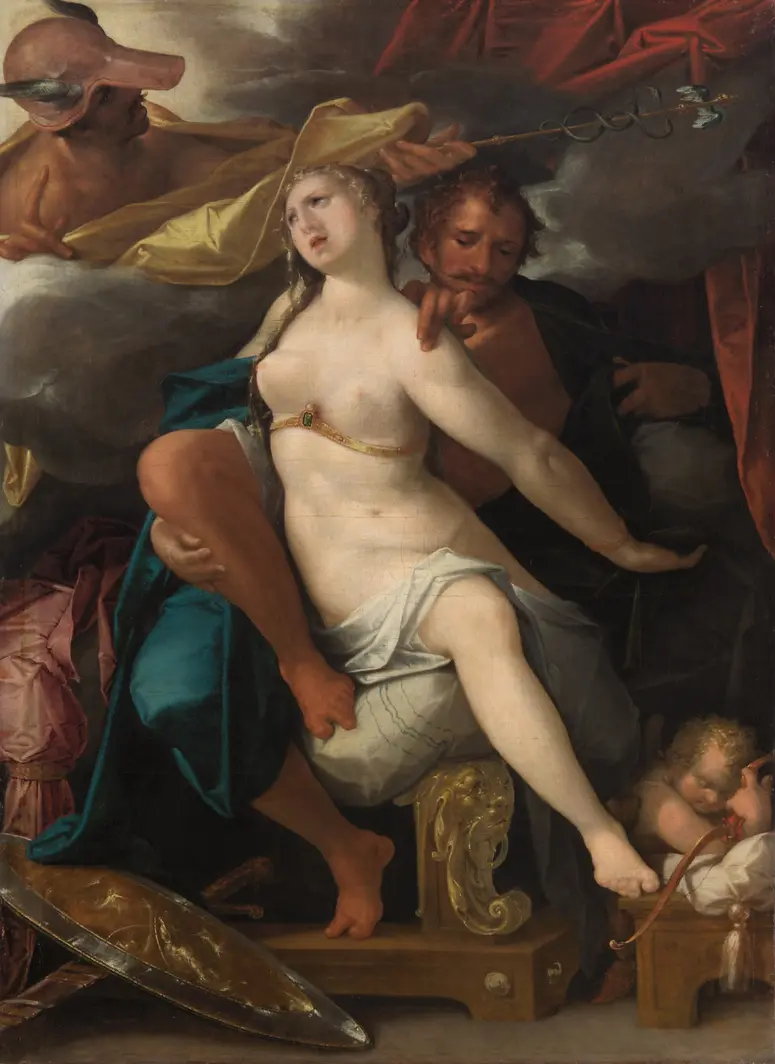
Venus und Mars, von Merkur gewarnt J. Löwy, K. und K. Hof-Photograph, Kunst- und Verlagsanstalt (Wien) 1888 bis 1891
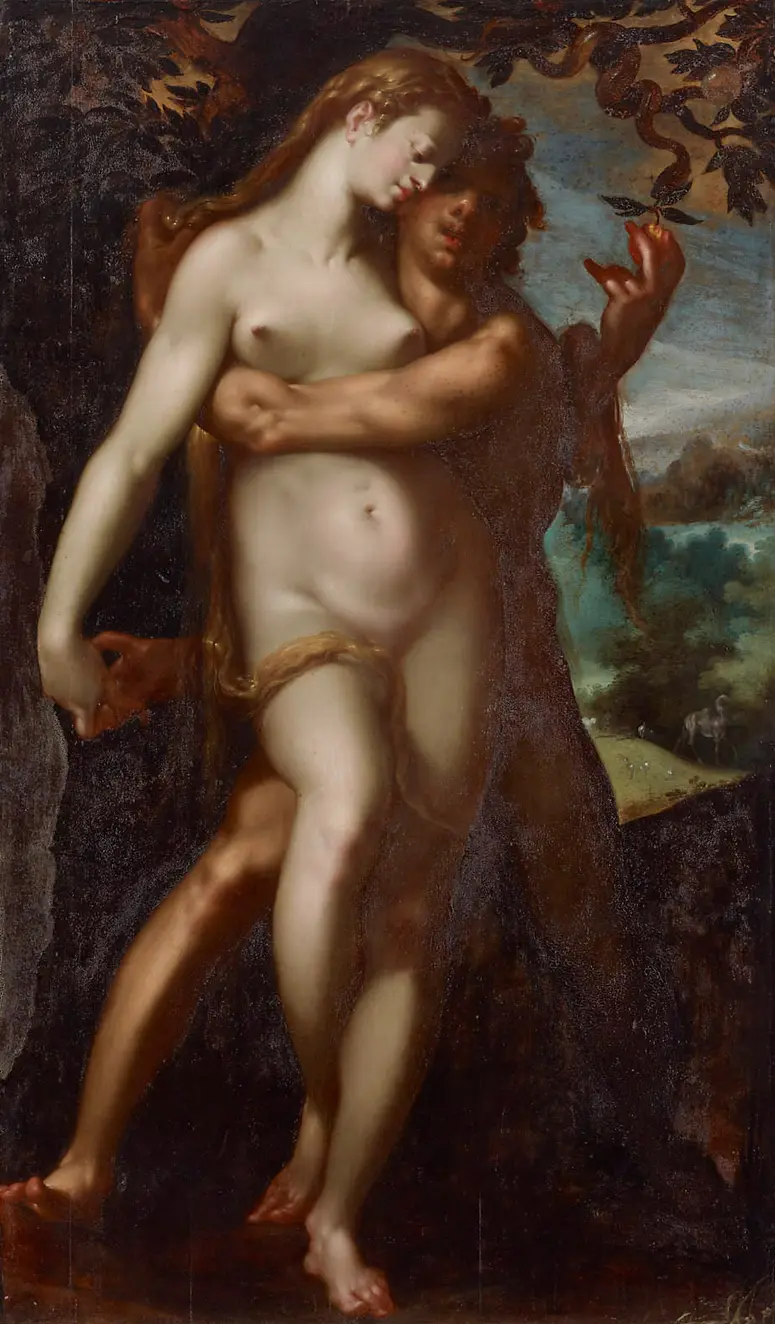
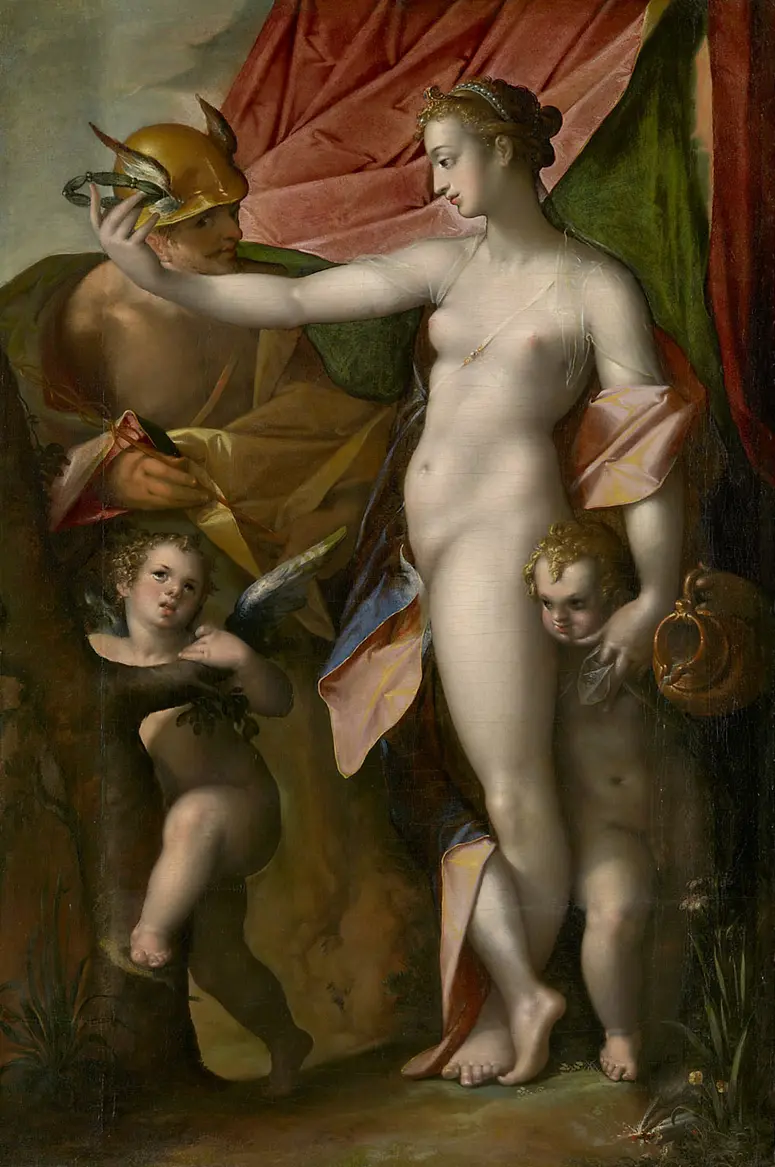
‚Sine Cerere et Baccho friget Venus’ (Without Ceres and Bacchus, Venus will feel cold) Bartholomäus Spranger around 1590/95