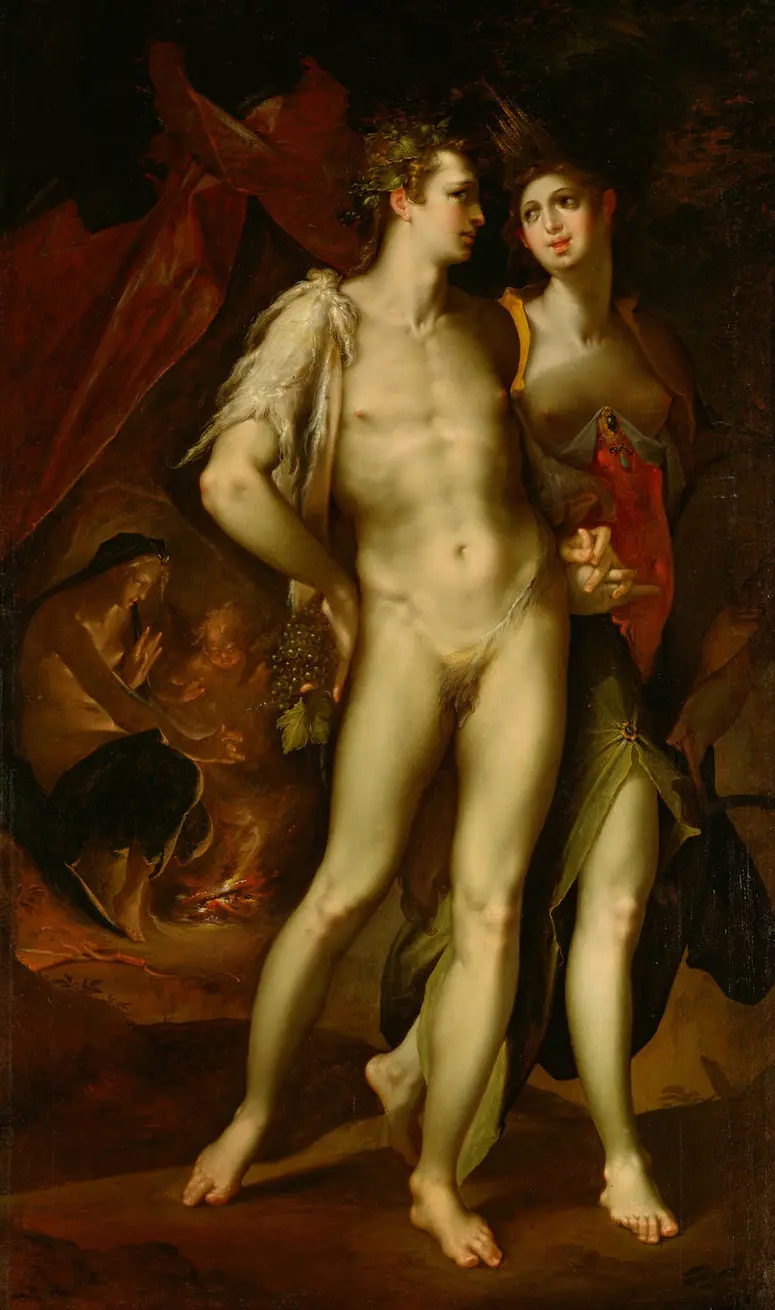
Adam and Eve
ca. 1593/95 | Bartholomäus Spranger
By depicting the close physical union between Adam and Eve, Spranger interprets the Fall of Man as the discovery of sexuality by the first human couple. Like almost all the other works by this artist exhibited here, the picture is part of the art collection of Emperor Rudolph II.
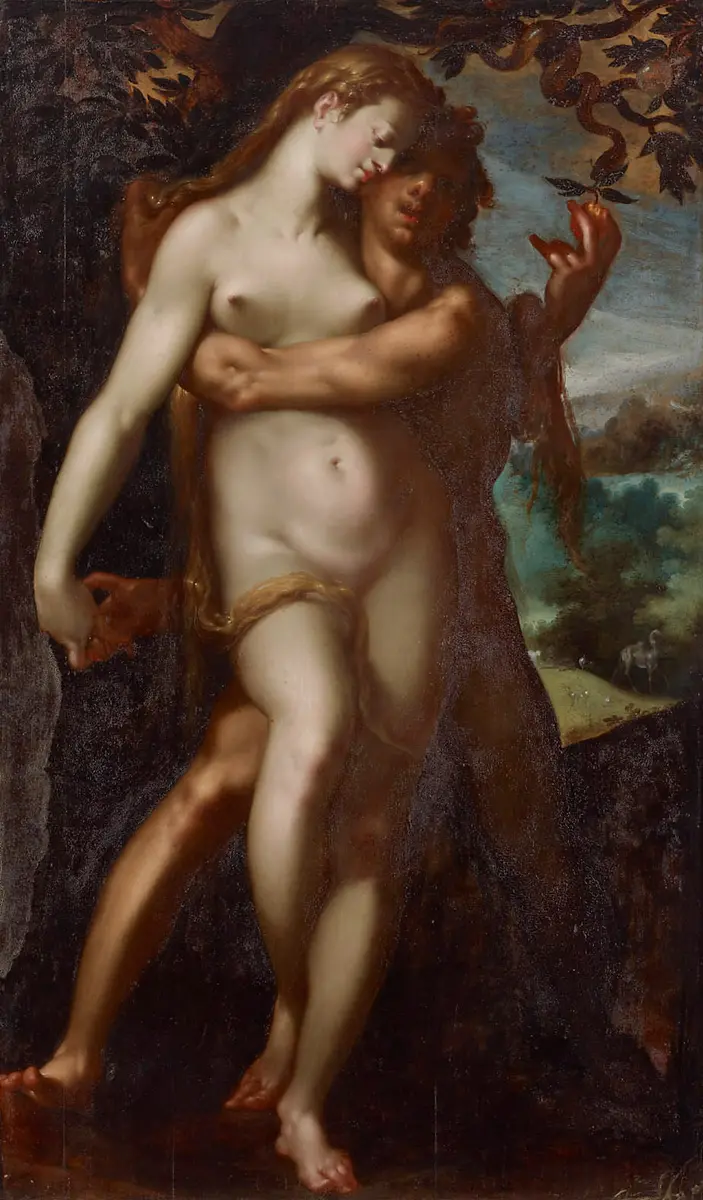
By depicting the close physical union between Adam and Eve, Spranger interprets the Fall of Man as the discovery of sexuality by the first human couple. Like almost all the other works by this artist exhibited here, the picture is part of the art collection of Emperor Rudolph II.
Artist:
Bartholomäus Spranger (1546 Antwerpen - 1611 Prag) DNB
Time:
ca. 1593/95
Object Name
Painting
Culture
Netherlandish
Material/technology:
wood
Dimensions:
126 cm × 79 cm
Framed: 149,5 cm × 94 cm × 4,5 cm
Copyright
Kunsthistorisches Museum, Gemäldegalerie
Invs.
Gemäldegalerie, 2417
Provenance
From the treasury Rudolf II.
Browse more
Similar items you might be interested in
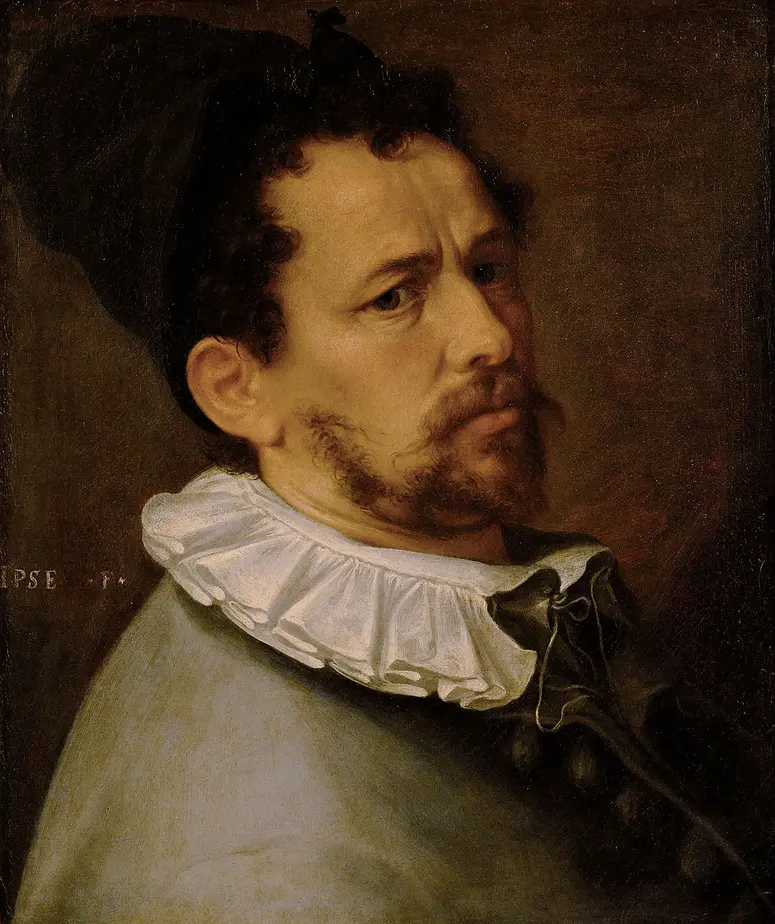
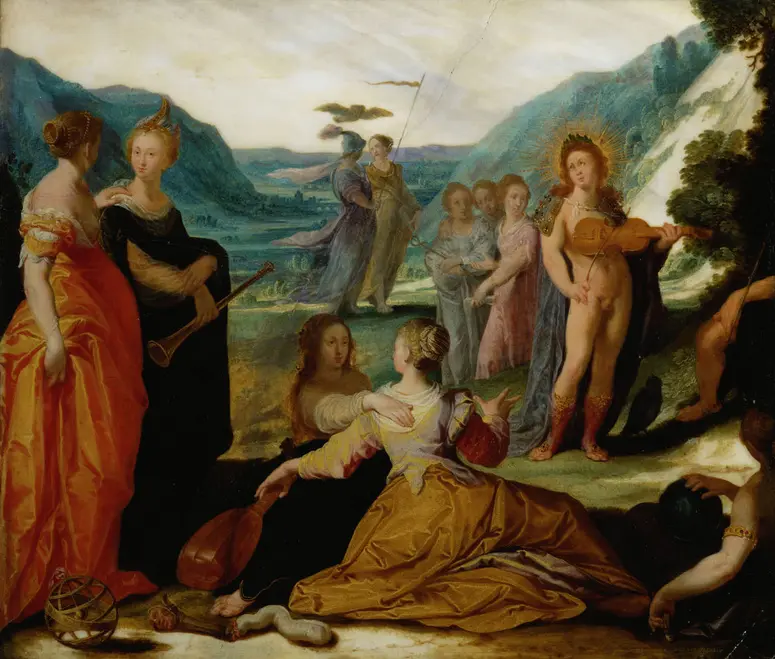
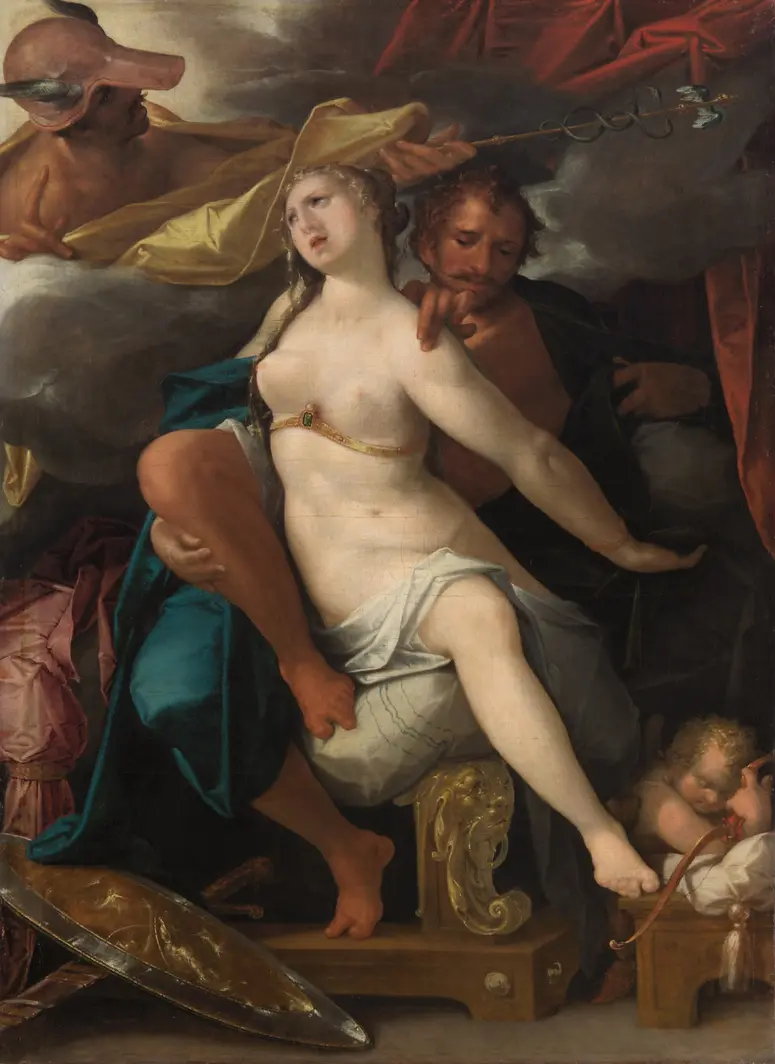
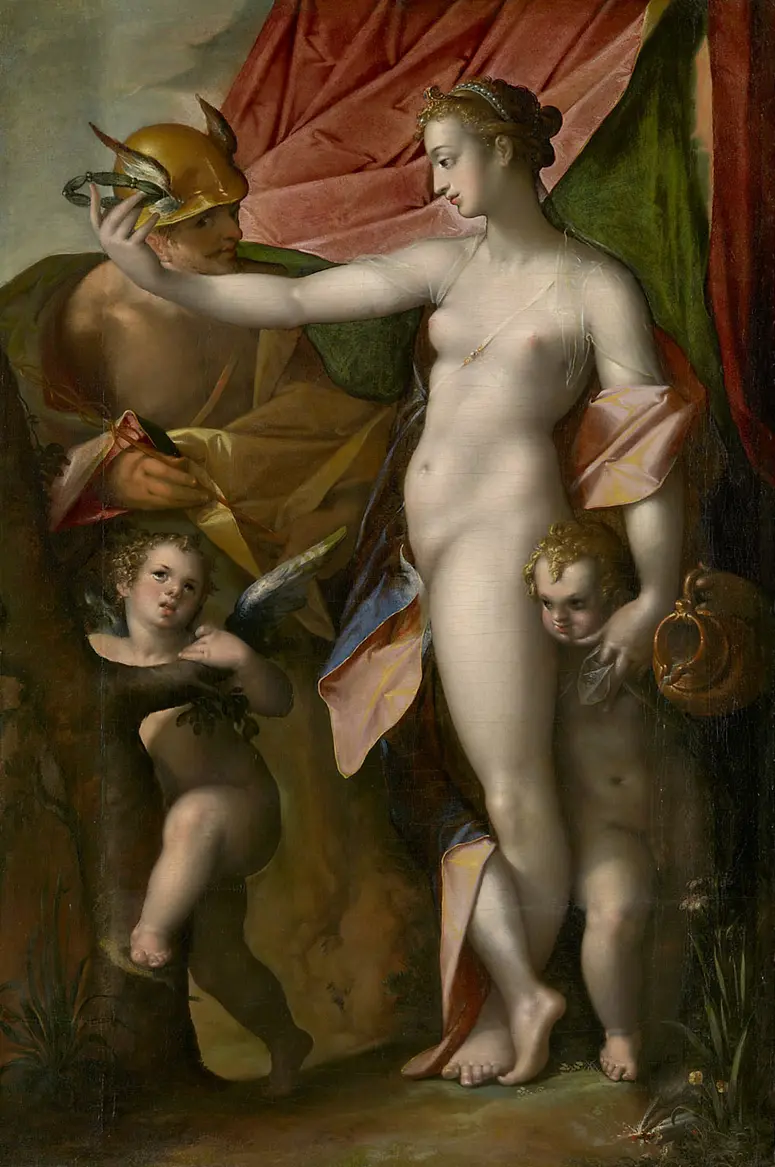
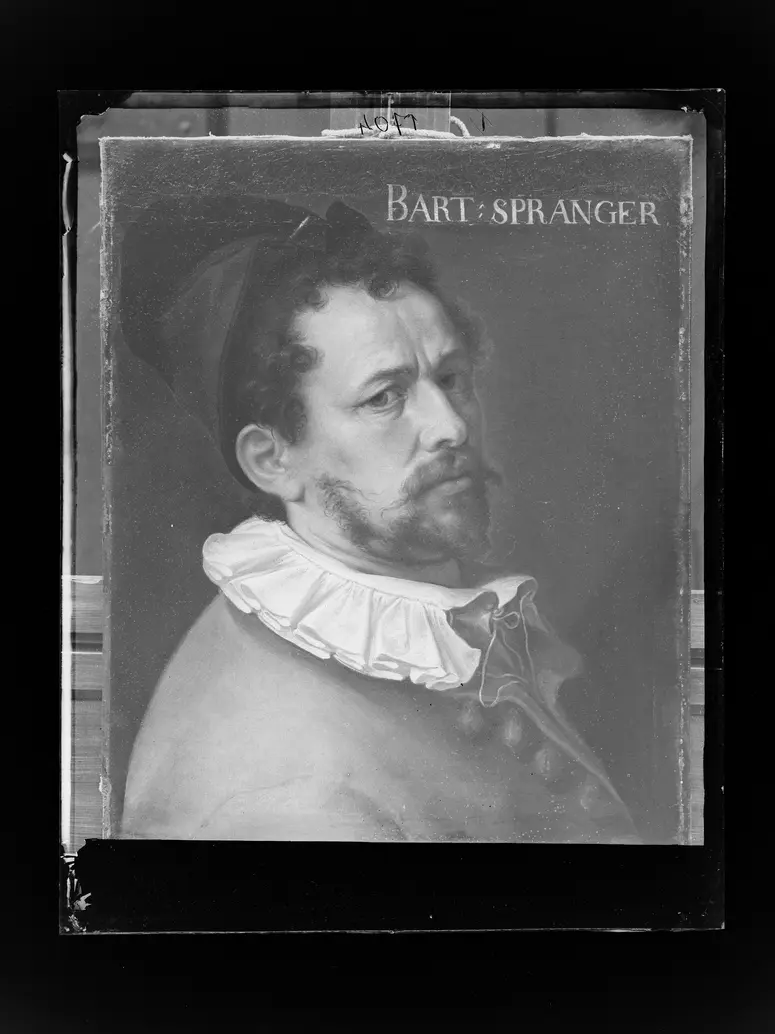
Selbstbildnis J. Löwy, K. und K. Hof-Photograph, Kunst- und Verlagsanstalt (Wien) 1888 bis 1891
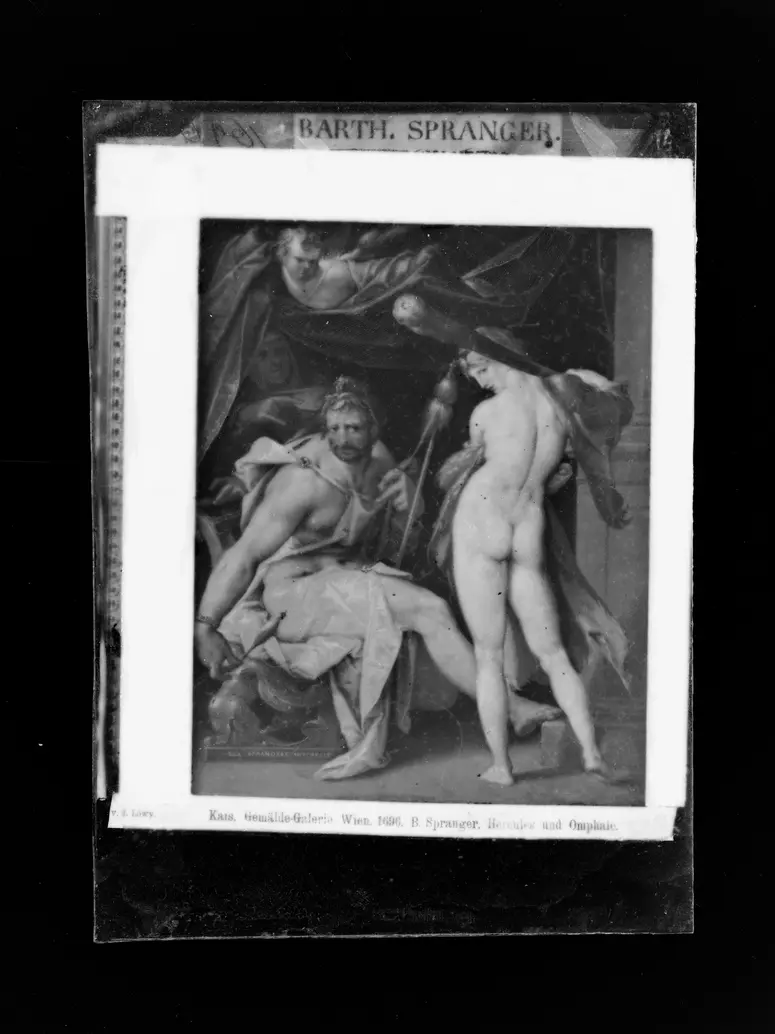
Herkules und Omphale J. Löwy, K. und K. Hof-Photograph, Kunst- und Verlagsanstalt (Wien) 1888 bis 1891
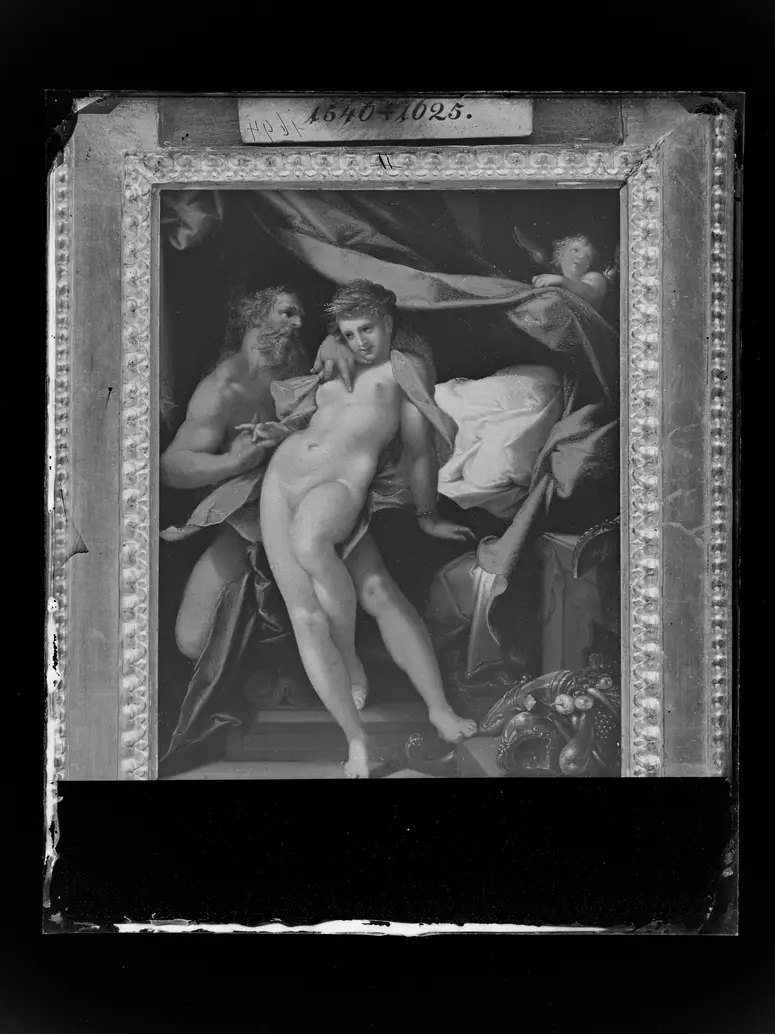
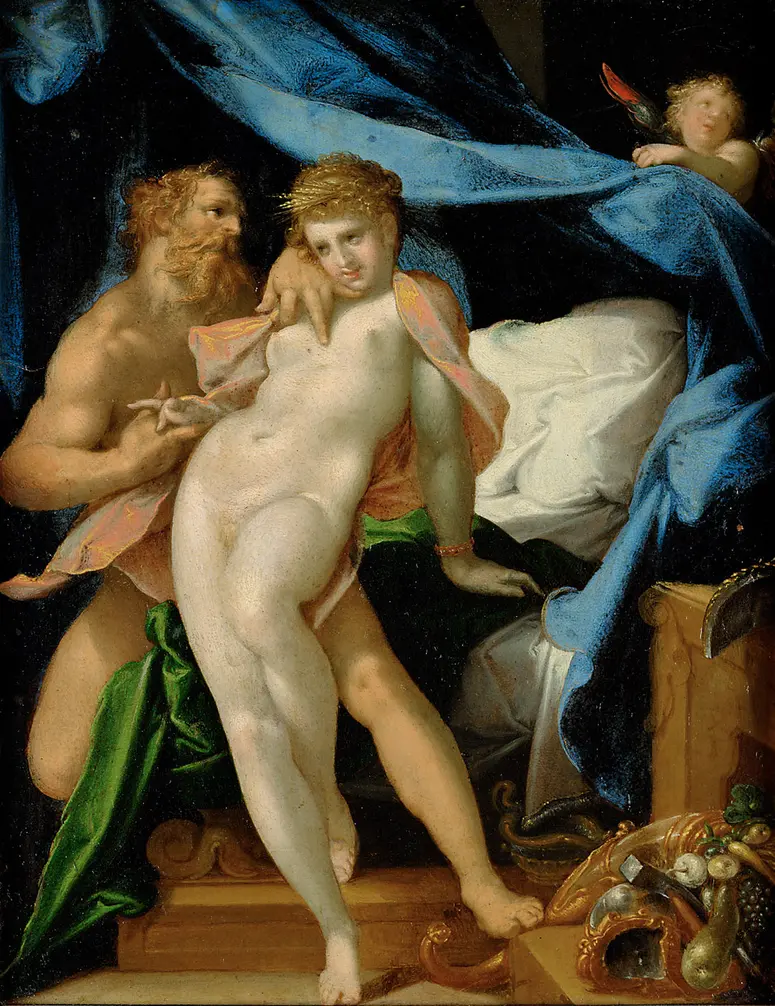
Vulkan und Maia J. Löwy, K. und K. Hof-Photograph, Kunst- und Verlagsanstalt (Wien) 1888 bis 1891
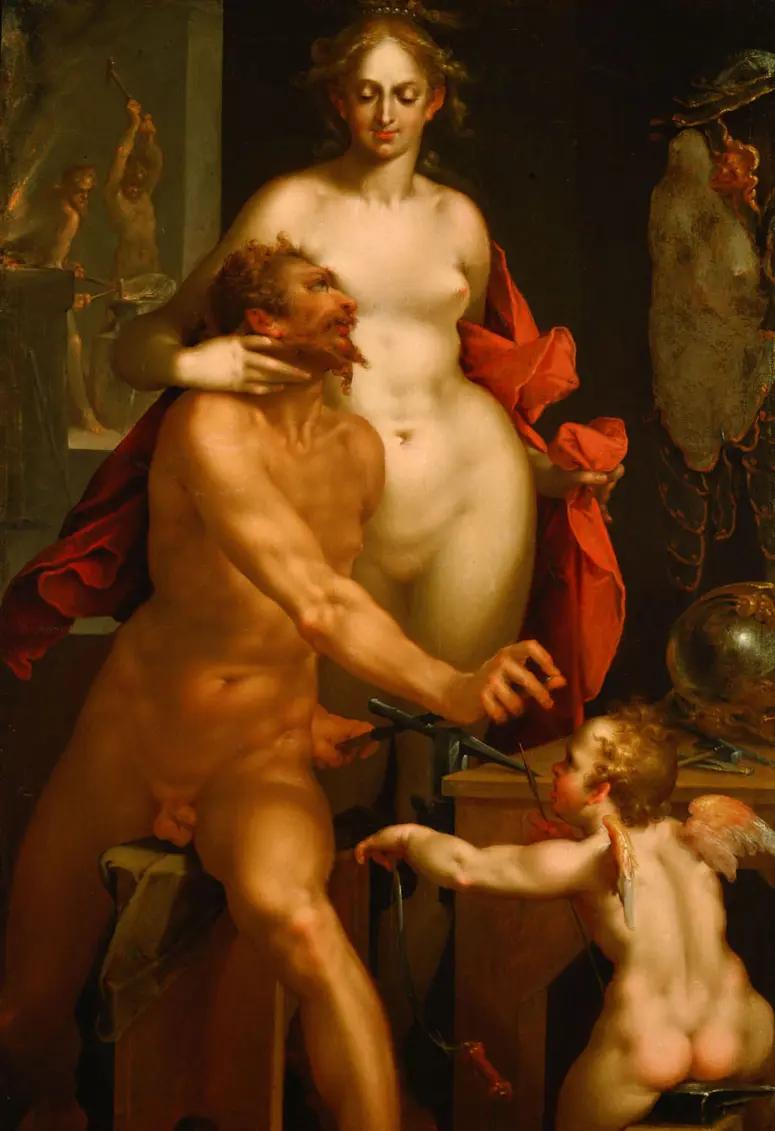
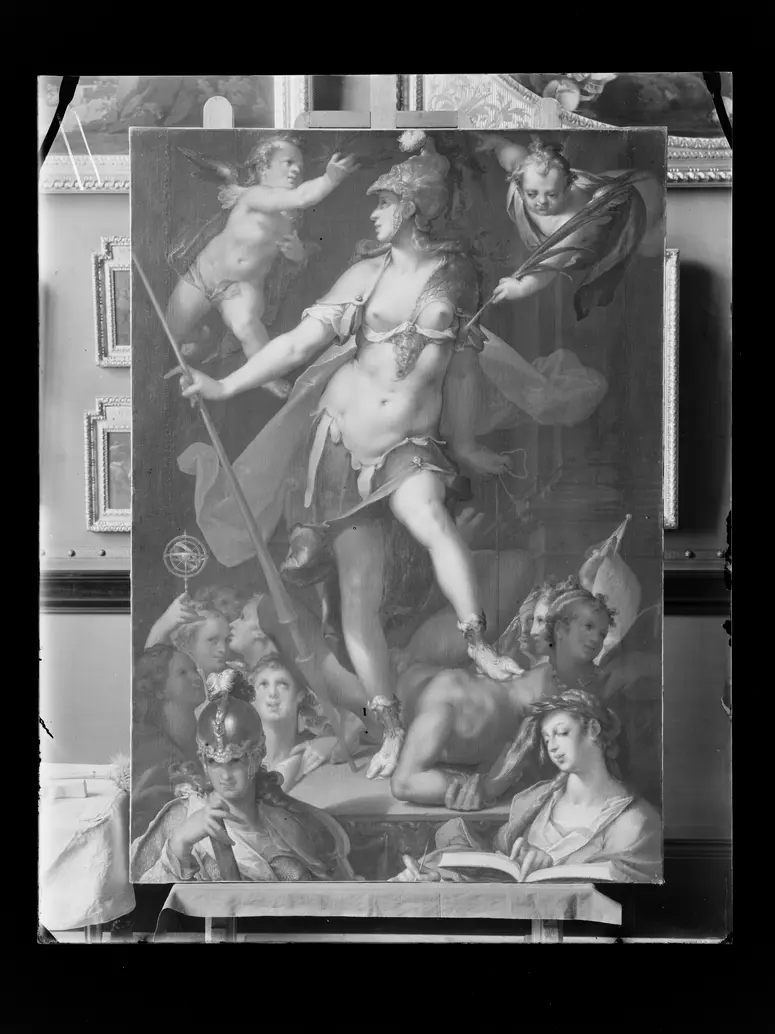
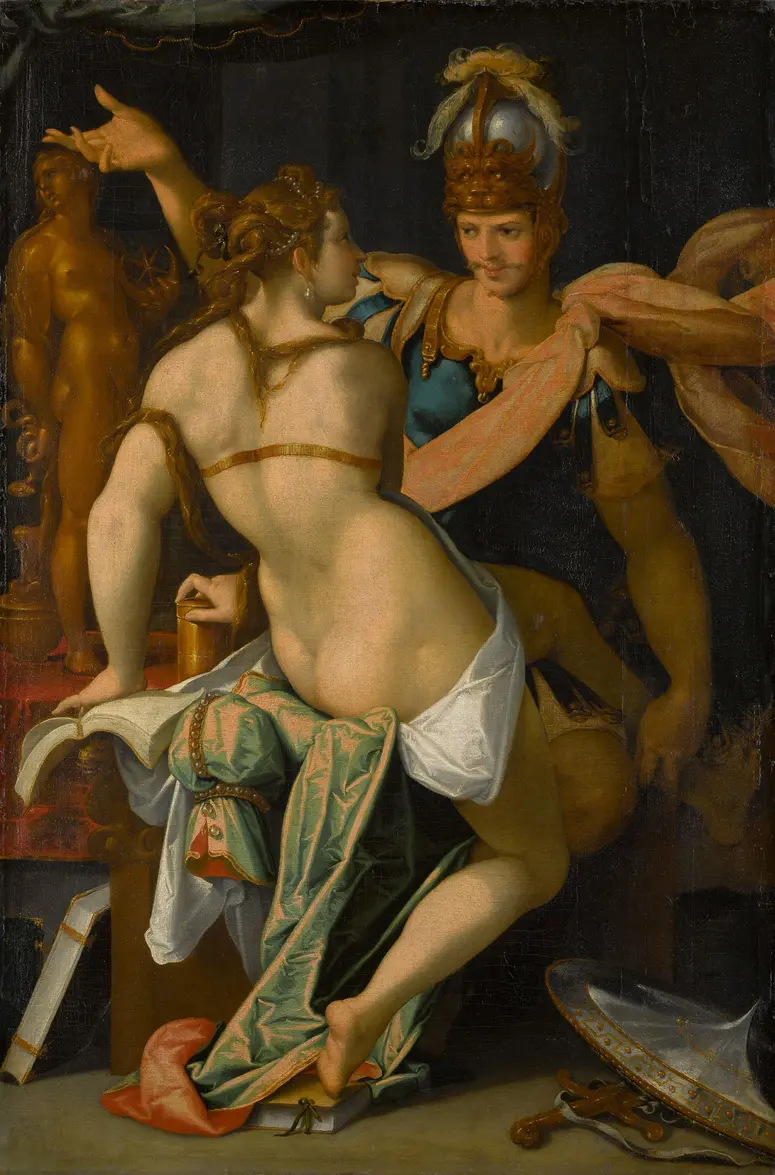
Minerva als Siegerin über die Unwissenheit J. Löwy, K. und K. Hof-Photograph, Kunst- und Verlagsanstalt (Wien) 1888 bis 1891
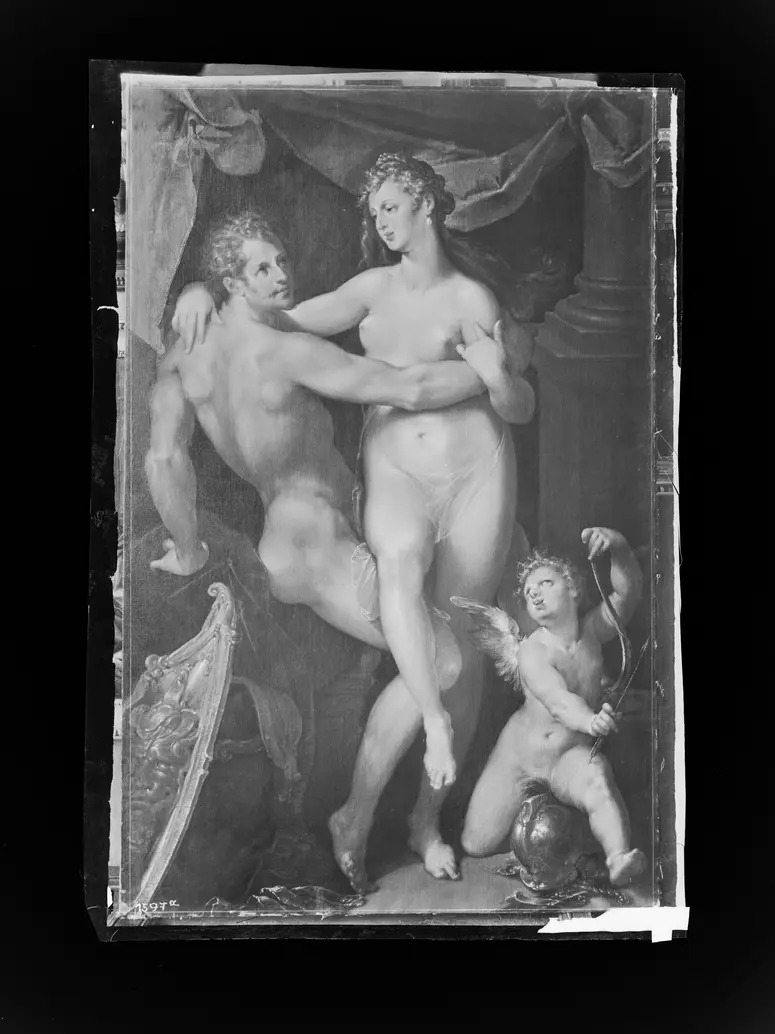
Mars, Venus und Amor J. Löwy, K. und K. Hof-Photograph, Kunst- und Verlagsanstalt (Wien) 1888 bis 1910
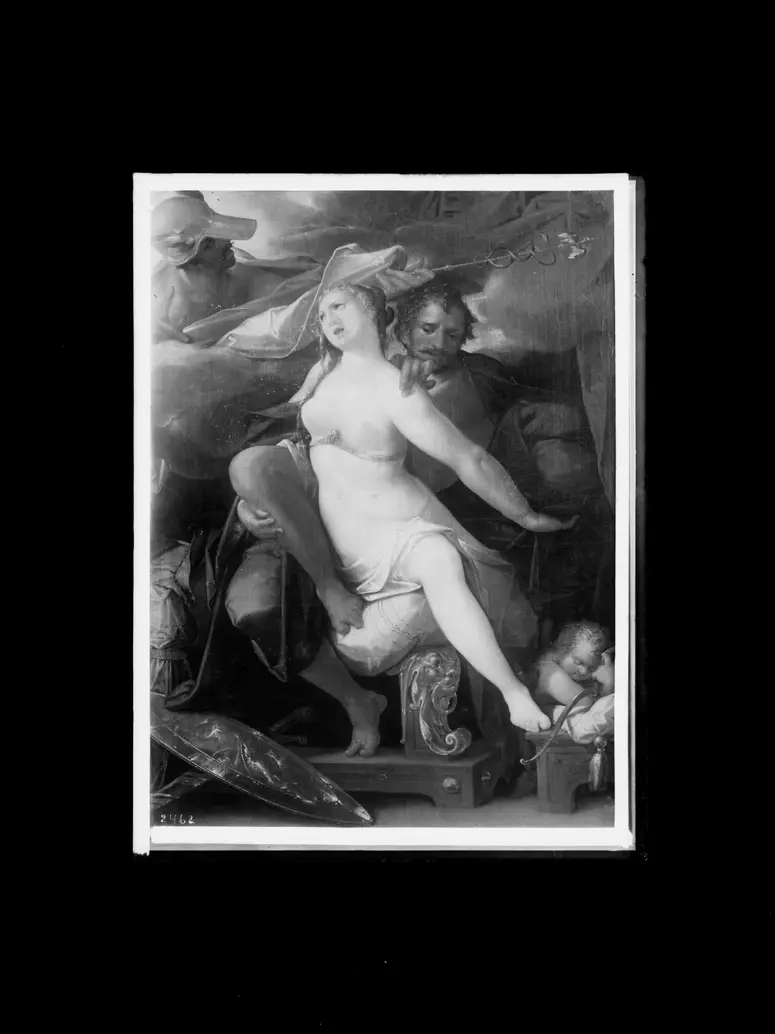
Venus und Mars, von Merkur gewarnt J. Löwy, K. und K. Hof-Photograph, Kunst- und Verlagsanstalt (Wien) 1888 bis 1891
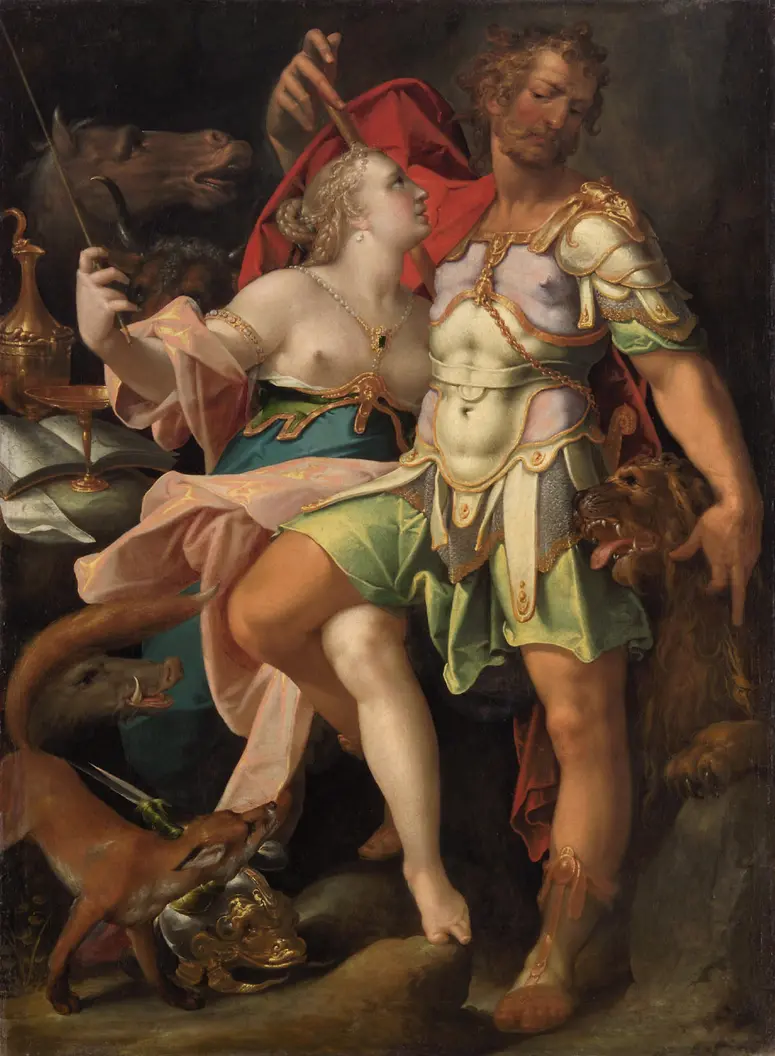
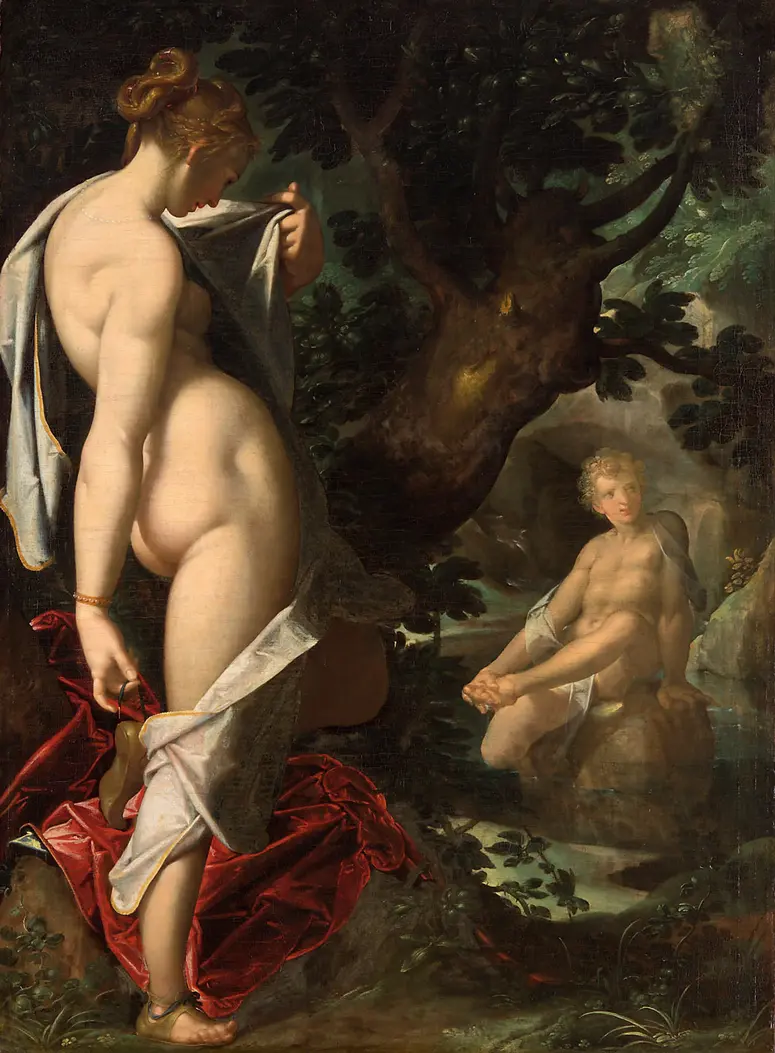
Hermaphroditus and the Nymph Salmacis Bartholomäus Spranger around 1580/82
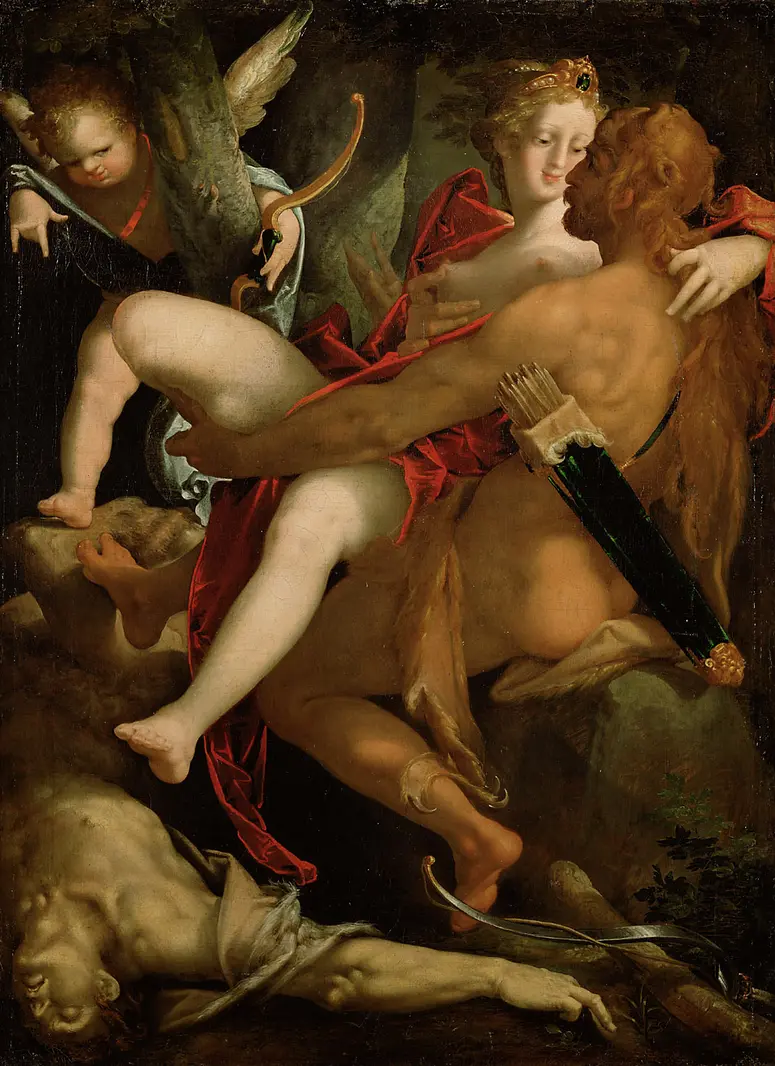
Hercules, Deianeira and the Centaur Nessus Bartholomäus Spranger around 1580/85
‚Sine Cerere et Baccho friget Venus’ (Without Ceres and Bacchus, Venus will feel cold) Bartholomäus Spranger around 1590/95