Fragment from a lintel of Ramesses III
20th Dynasty, reign of Ramesses III, 1198–1166 BC
Under a winged sun disk (only part of which can be seen below a long, narrow skyhiero glyph) the throne and personal names of Ramesses III are inscribed. The mention of the god Osiris and especially the epithet “justi fied” (which is used regularly with the names of deceased persons) makes it likely that the fragment comes from the king’s tomb.
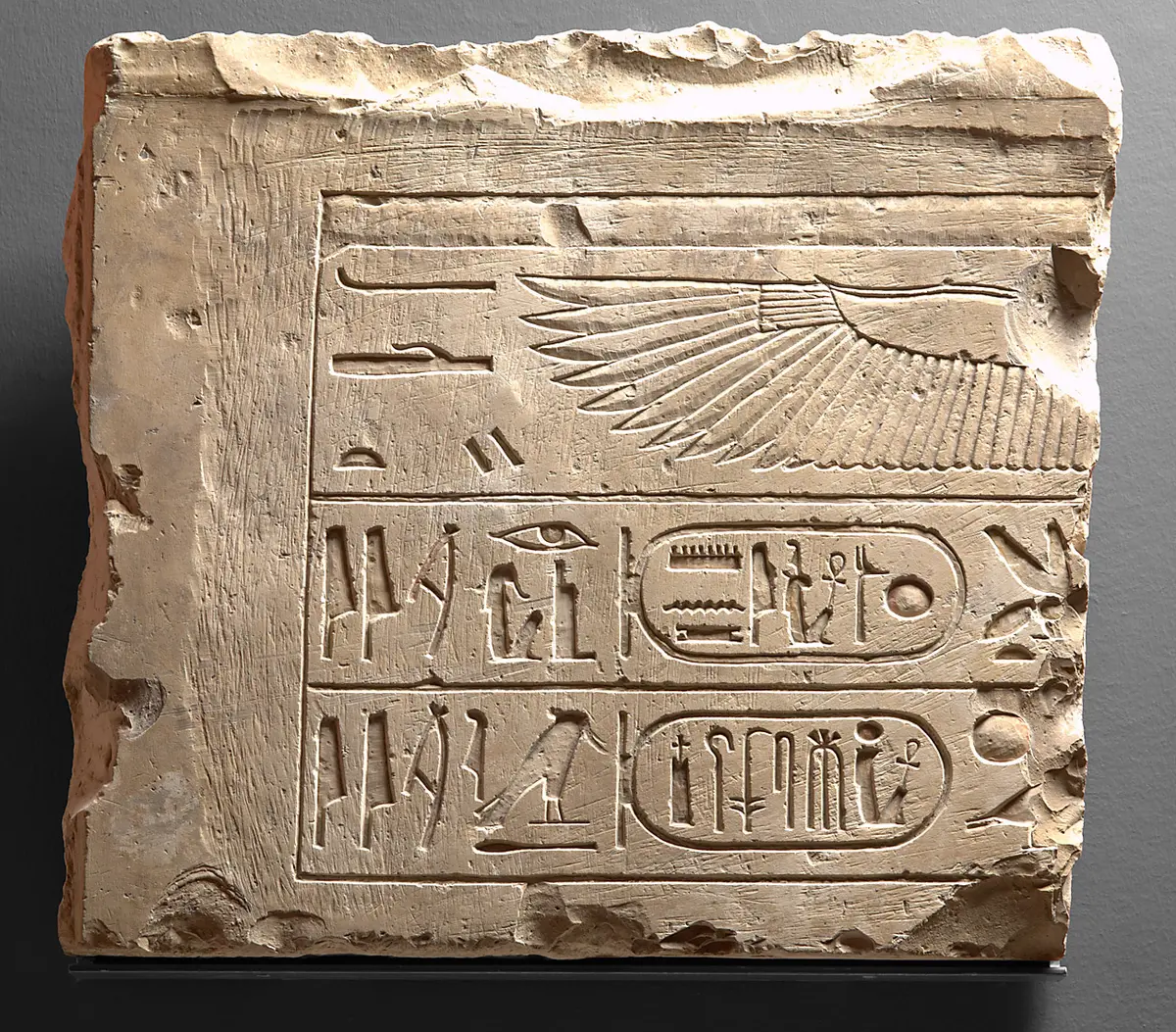
Under a winged sun disk (only part of which can be seen below a long, narrow skyhiero glyph) the throne and personal names of Ramesses III are inscribed. The mention of the god Osiris and especially the epithet “justi fied” (which is used regularly with the names of deceased persons) makes it likely that the fragment comes from the king’s tomb.
Time:
20th Dynasty, reign of Ramesses III, 1198–1166 BC
Object Name
Relief
Culture
Ägyptisch
Location of discovery:
Theben-West (vermutlich)
Material/technology:
Limestone
Dimensions:
H ca. 67 cm, B ca. 72,5 cm
Copyright
Kunsthistorisches Museum, Ägyptisch - Orientalische Sammlung
Invs.
Ägyptische Sammlung, INV 5905
Provenance
1881, gift of Crown Prince Rudolf
Browse more
Similar items you might be interested in
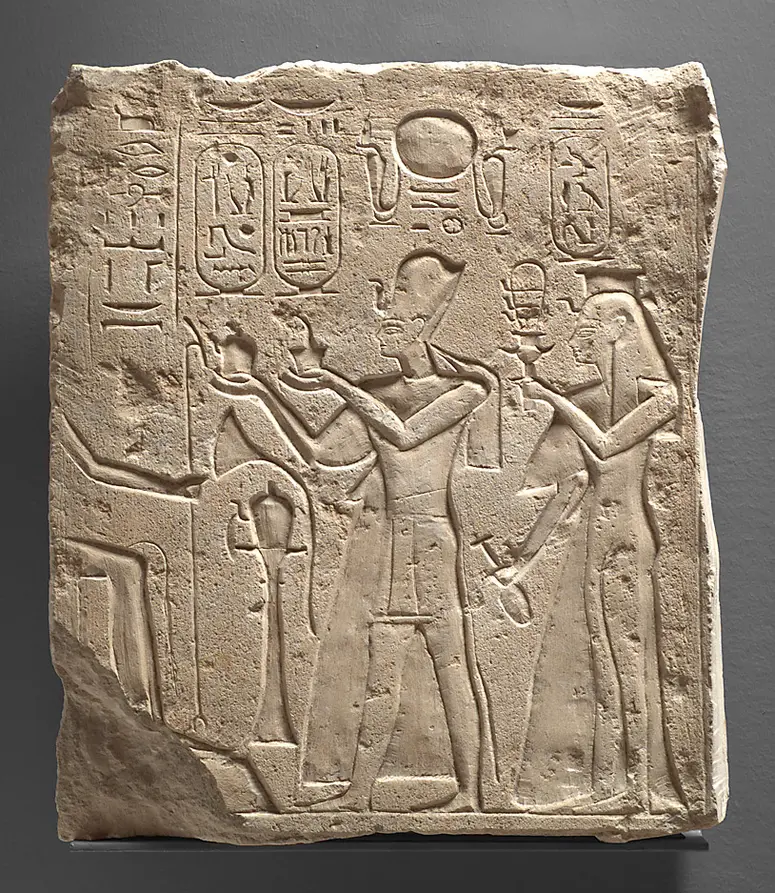
Ramesses II and his mother Tuia Memphis (vermutlich) late in the reign of Ramesses II, ca. 1264–1237 BC
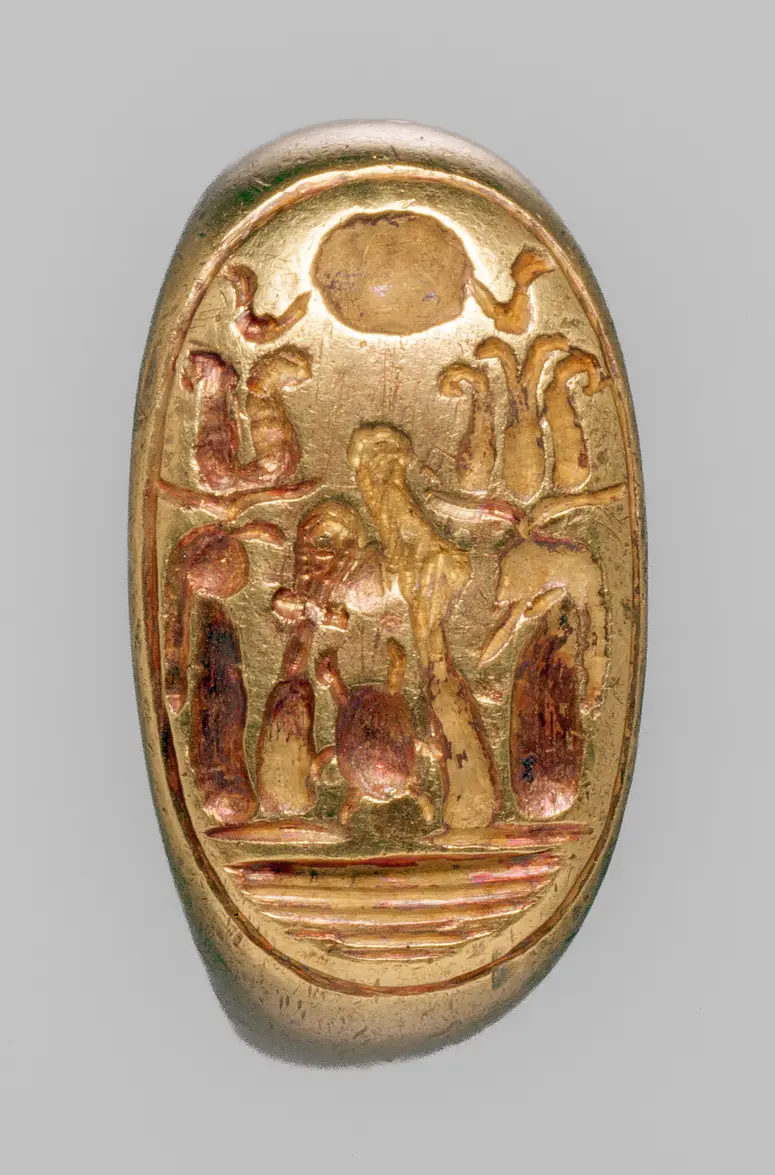
Siegelring Ramses' X. Fundort unbekannt 20. Dynastie, Zeit Ramses' X., ca. 1120-1111 v. Chr.
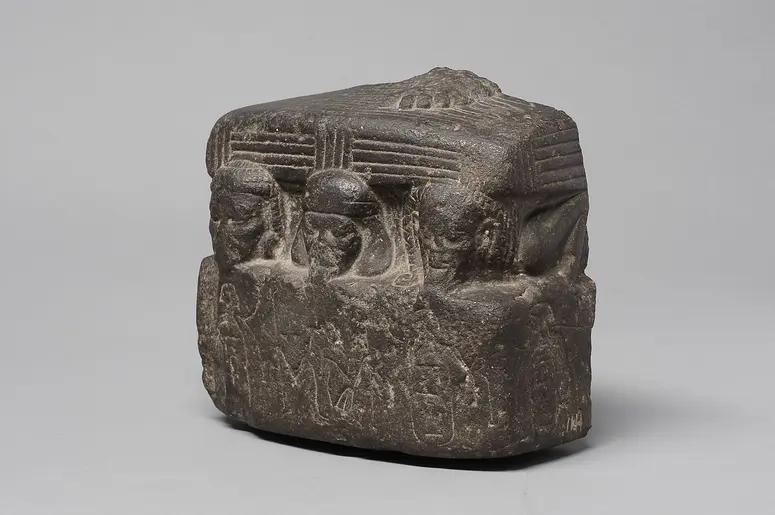
Vorderteil einer Statuenbasis mit Gefangenendarstellung Fundort unbekannt 19./20. Dynastie, Zeit Merenptahs / Ramses' III., 1237-1226 / 1198-1166 v. Chr.
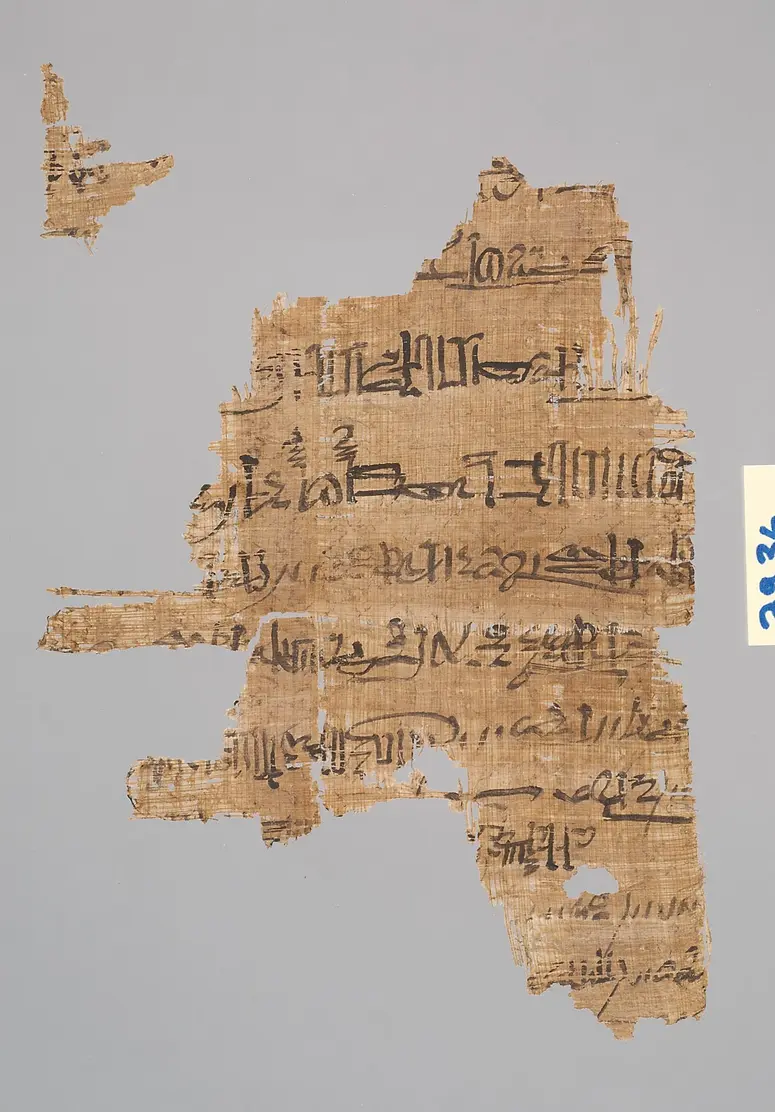
Protokoll Ramses' III. Fundort unbekannt 20. Dynastie, Zeit Ramses' III., ca. 1198-1166 v. Chr.
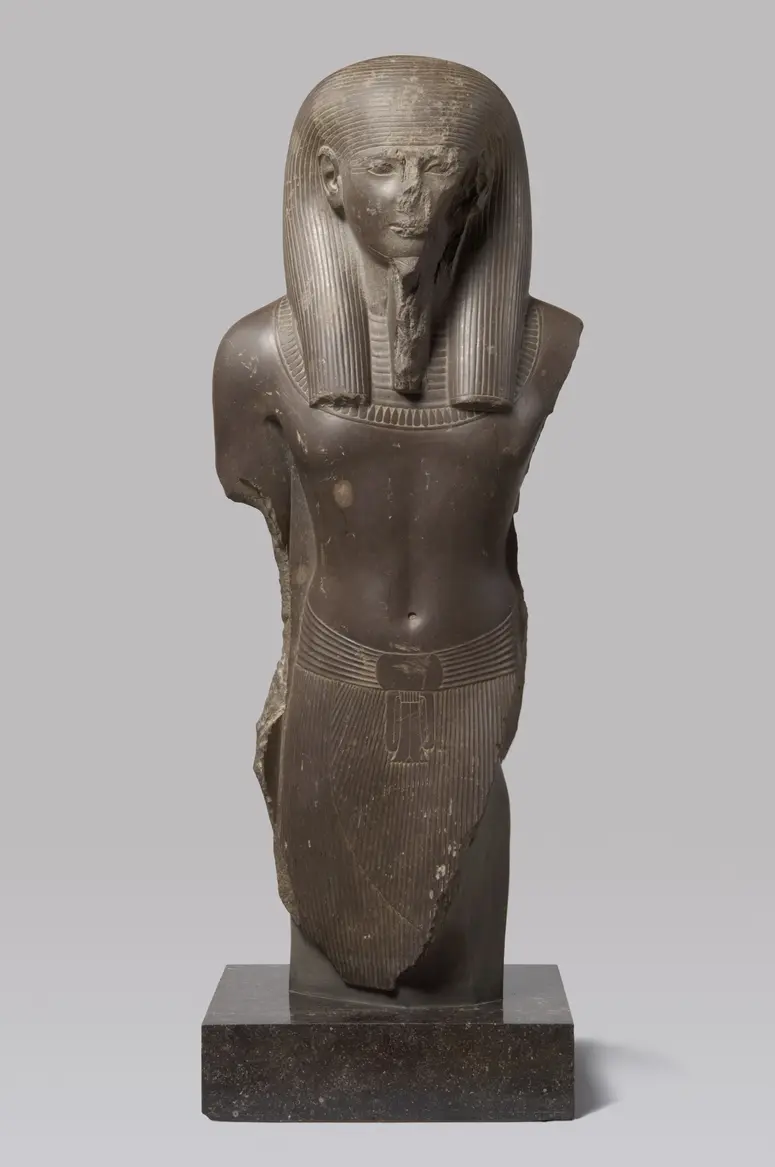
Statue of the god Imi-khent-wer Memphis, Gebiet um (vermutlich) 19th Dynasty, reign of Ramesses II, 1304–1237 BC;
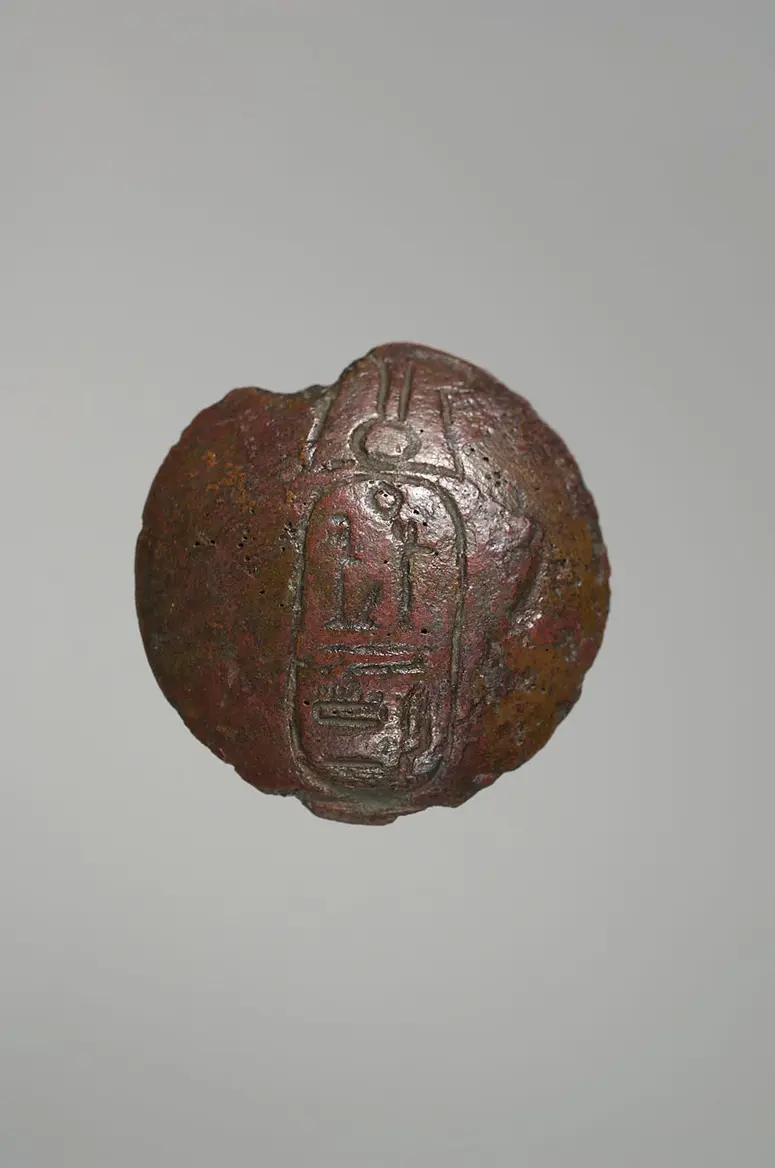
Bronzefragment (von Kelch?) mit Kartusche Ramses' III. Fundort unbekannt 20. Dynastie, Zeit Ramses' III., ca. 1198-1166 v. Chr.
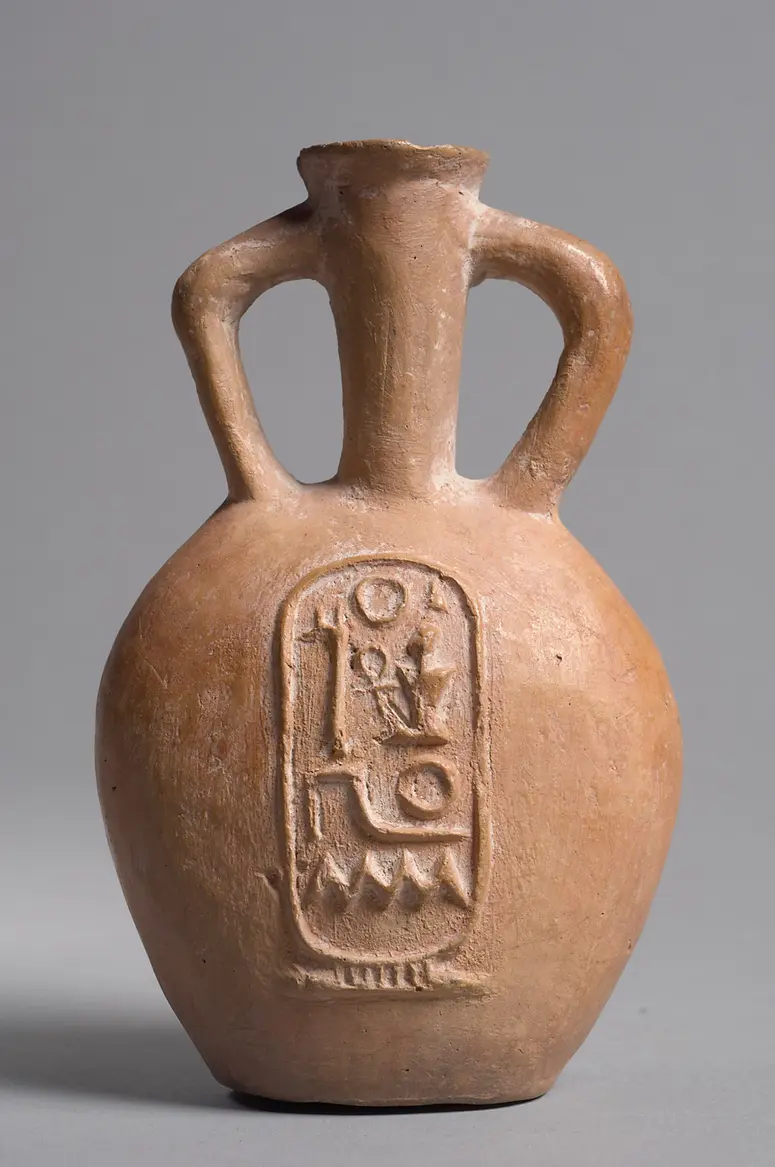
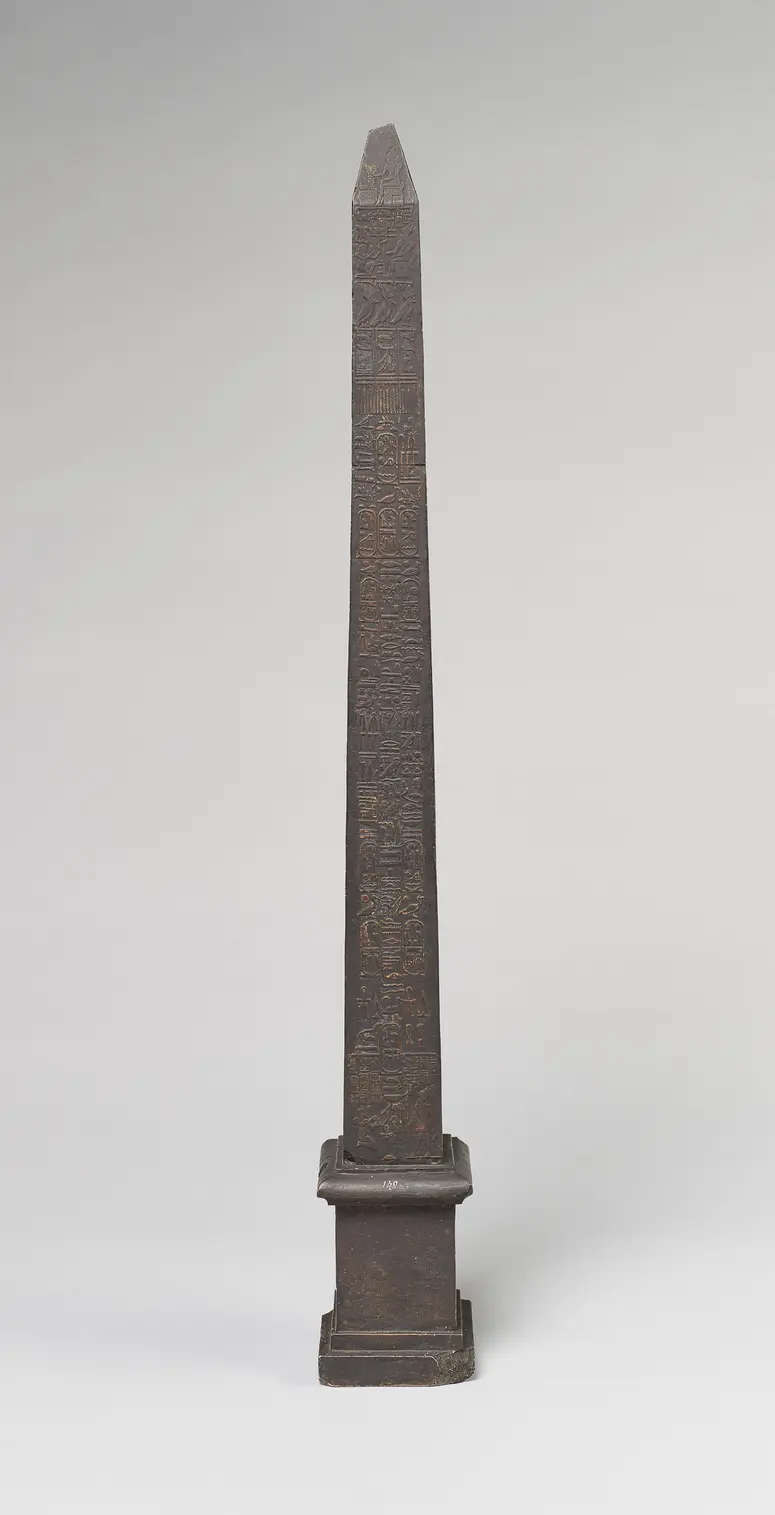
Miniaturnachbildung eines Obelisken von Sethos I. und Ramses II. aus Heliopolis Fundort unbekannt Spätes 17. Jh. n. Chr.
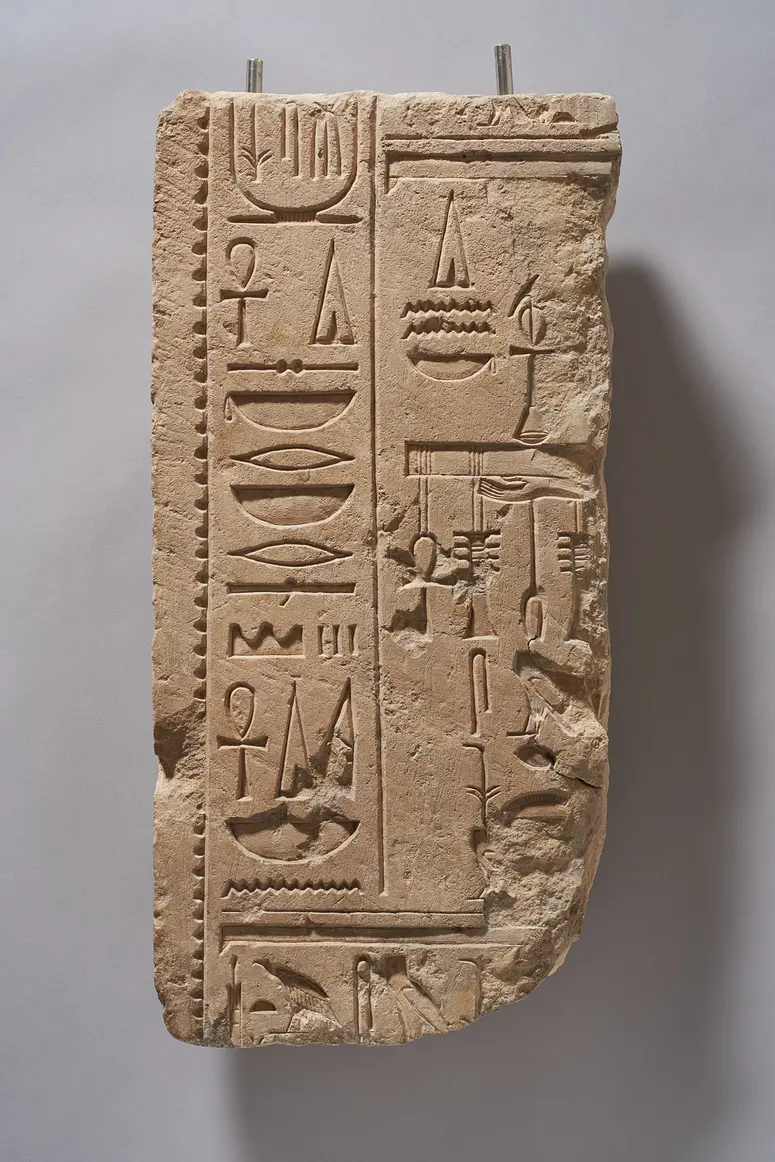
Reliefbruchstück mit dem Namen des Cha-em-waset Saqqara, Apis-Tempel des Serapeums (vermutlich) 19. Dynastie, Zeit Ramses' II., ca. 1304-1237 v. Chr.
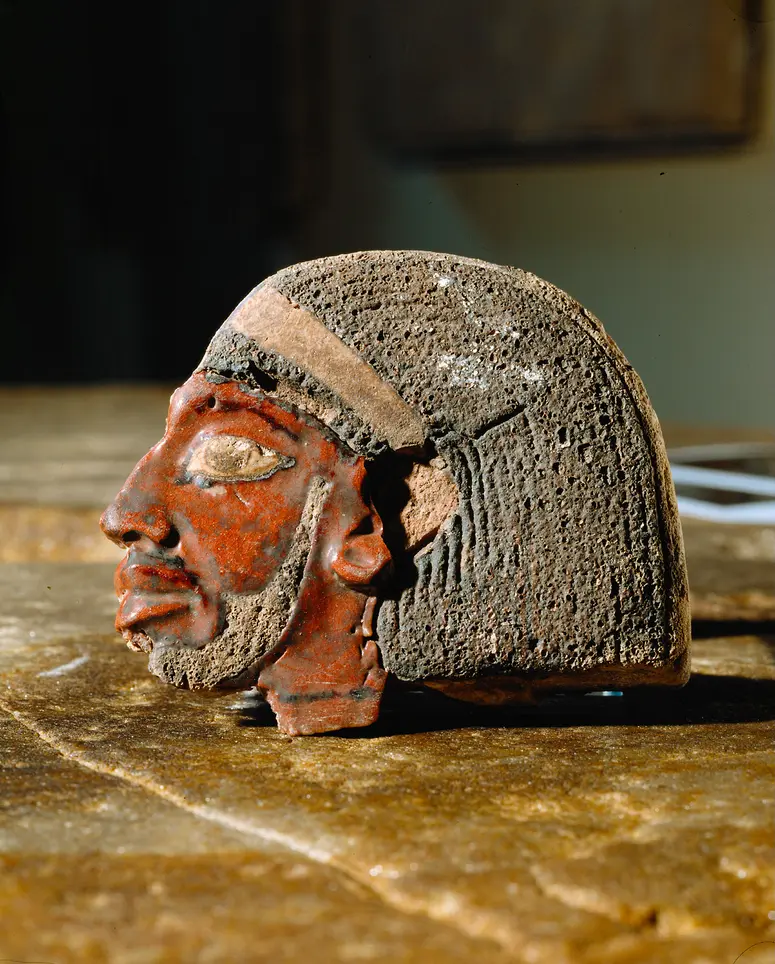
Kopf eines Mannes (Syrer) Tell el-Jahudija 20. Dynastie, Zeit Ramses' III., 1198-1166 v. Chr.
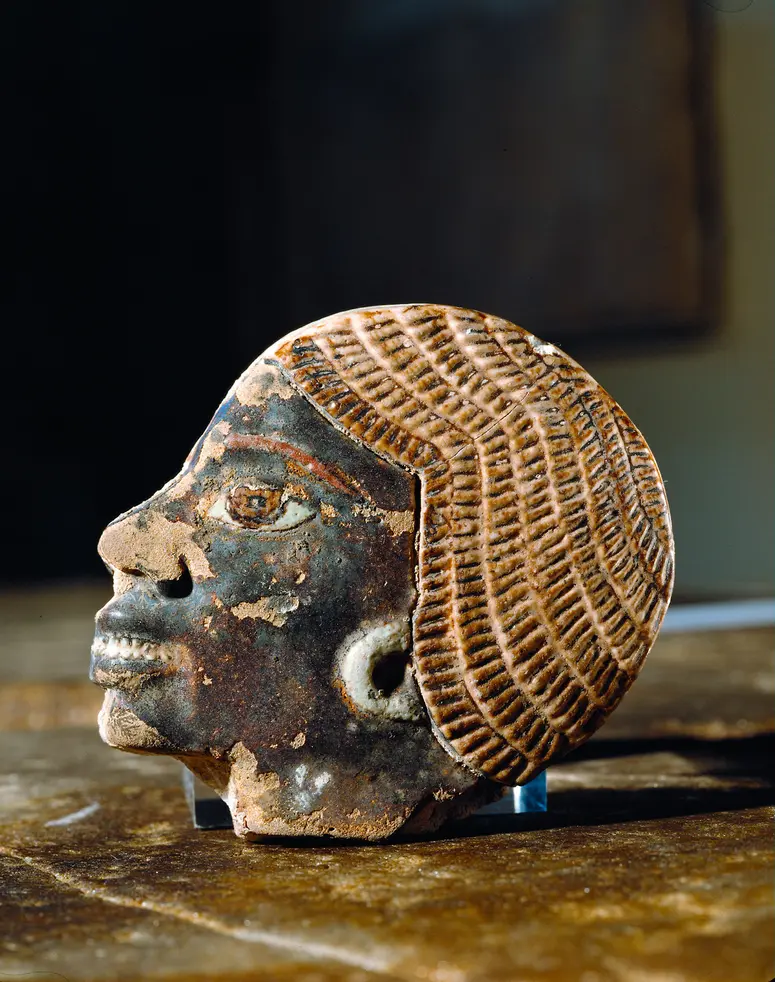
Kopf eines Mannes (Schwarzafrikaner) Tell el-Jahudija 20. Dynastie, Zeit Ramses' III., 1198-1166 v. Chr.
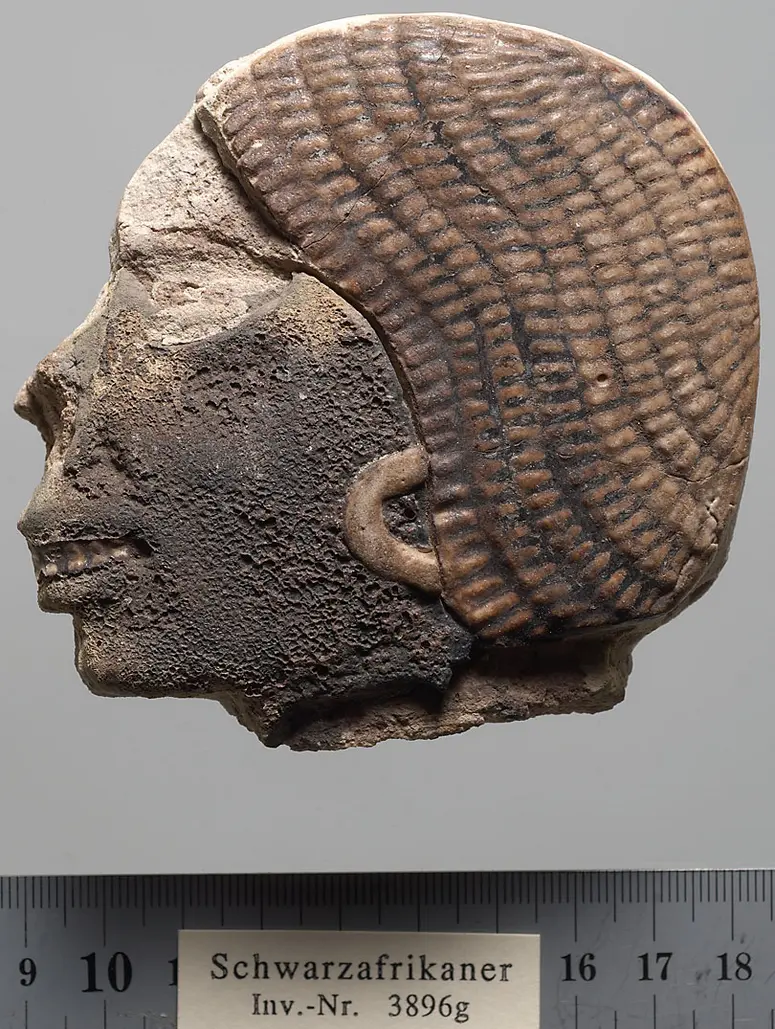
Kopf eines Mannes (Schwarzafrikaner) Tell el-Jahudija 20. Dynastie, Zeit Ramses' III., 1198-1166 v. Chr.
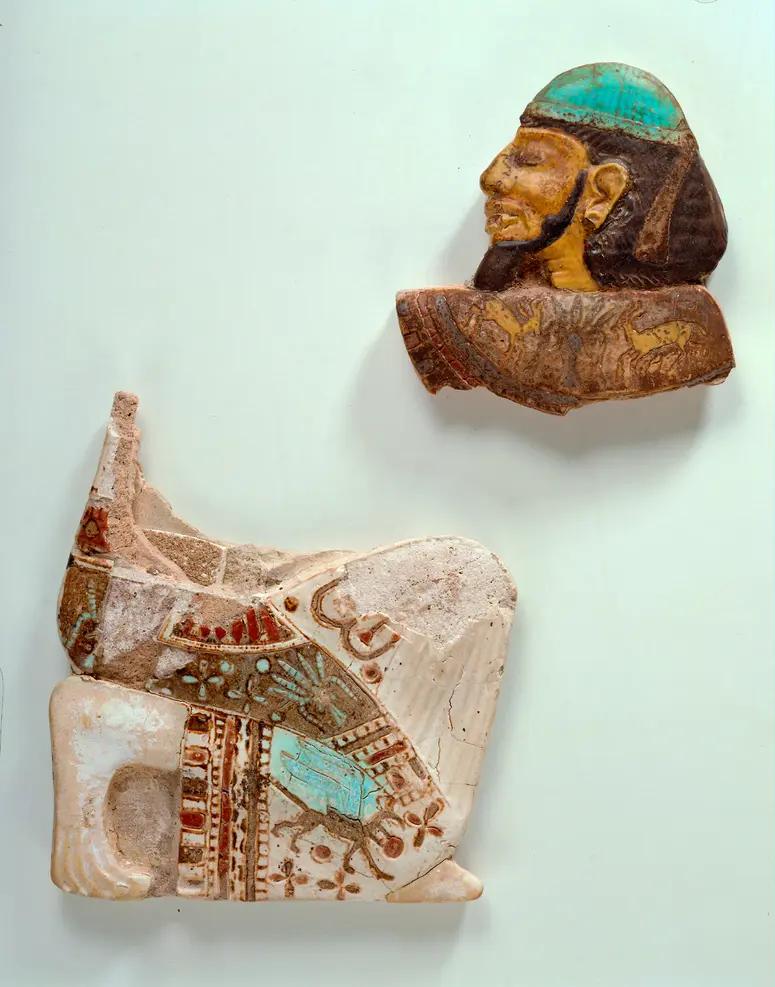
Körper eines Mannes (Syrer) Tell el-Jahudija 20. Dynastie, Zeit Ramses' III., 1198-1166 v. Chr.
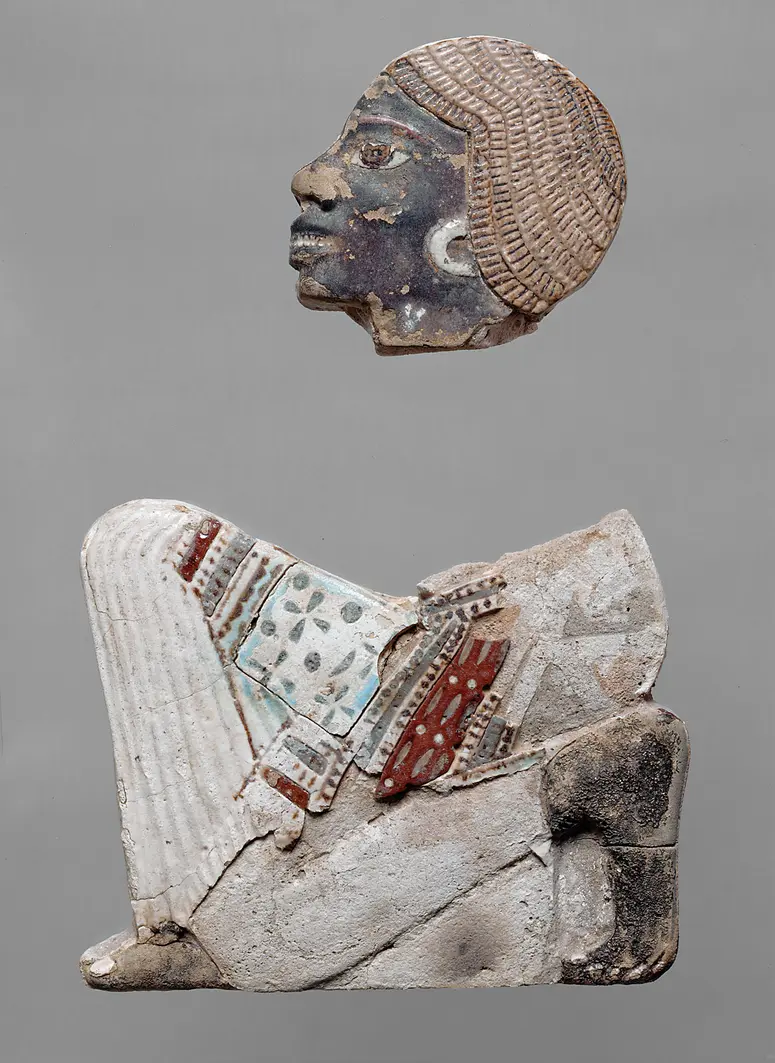
Körper eines Mannes (Schwarzafrikaner) Tell el-Jahudija 20. Dynastie, Zeit Ramses' III., 1198-1166 v. Chr.
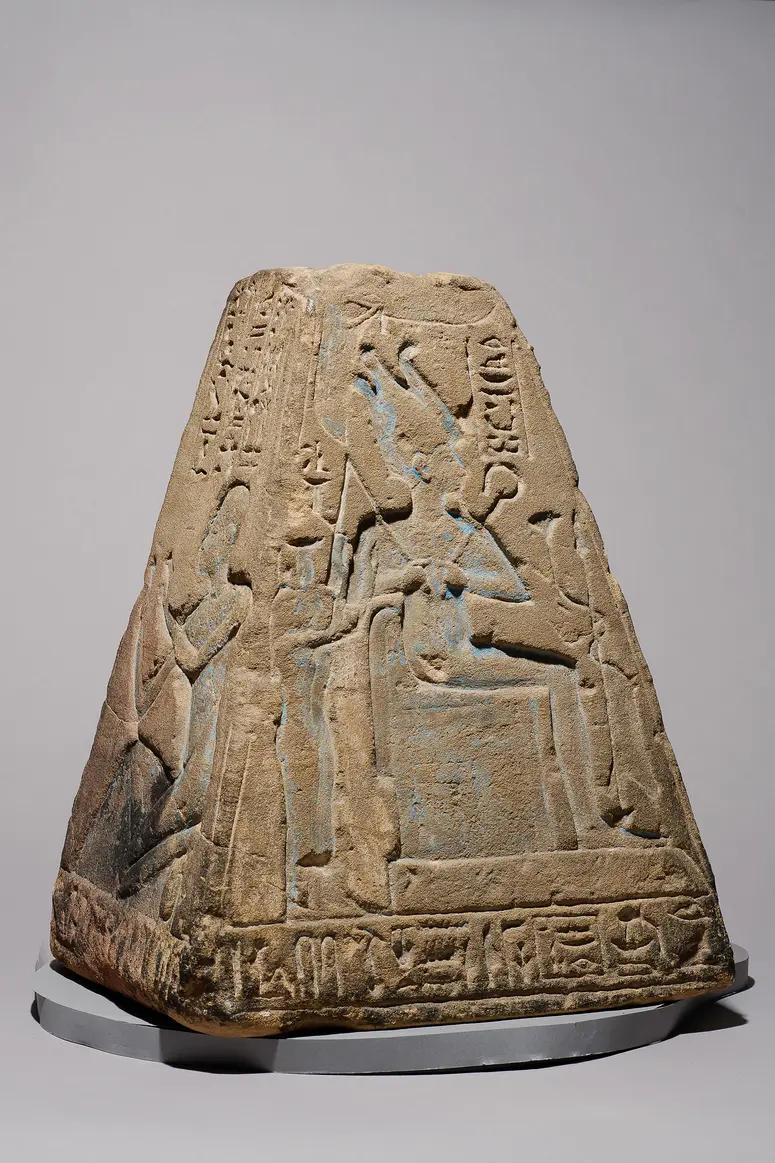
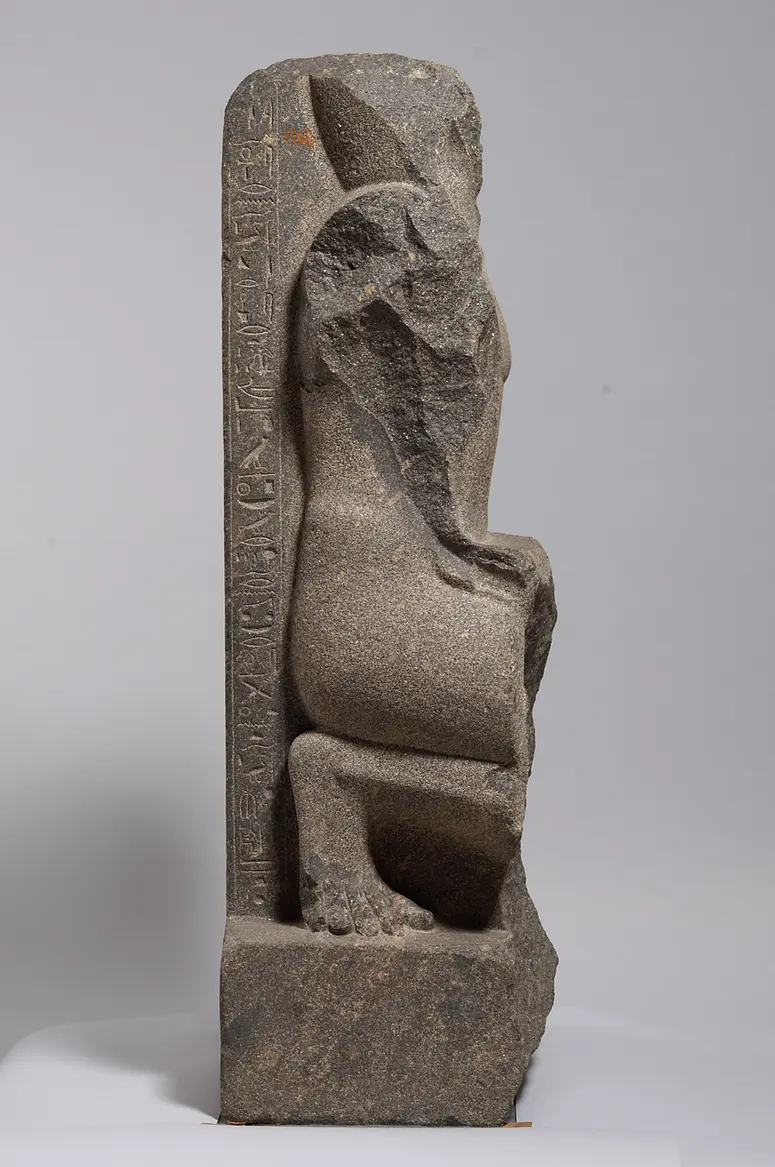
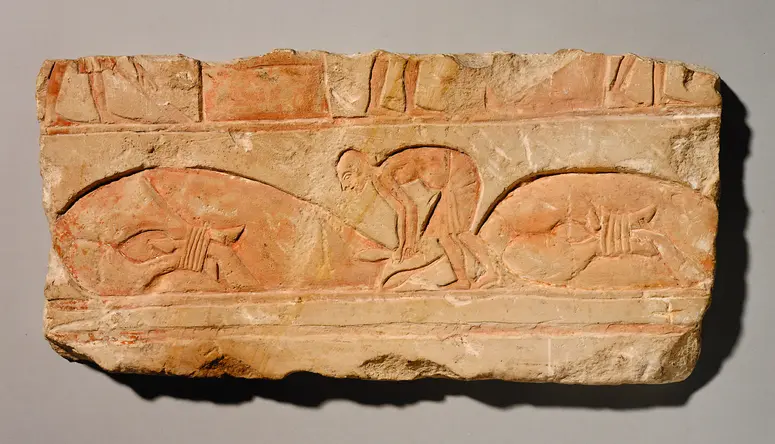
Relief (Talatat) mit Schlachtungsszene Hermopolis - Amarna (vermutlich) 18. Dynastie, Zeit des Echnaton, 1372-1355 v. Chr.
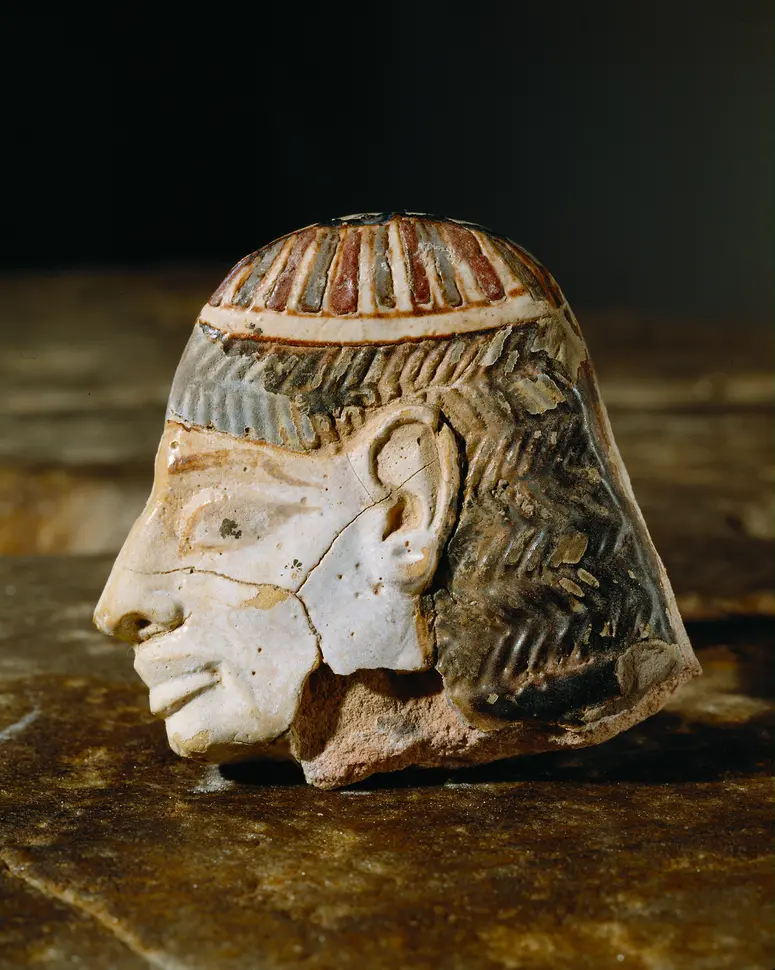
Kopf eines Mannes (Hethiter) Tell el-Jahudija 20. Dynastie, Zeit Ramses' III., 1198-1166 v. Chr.
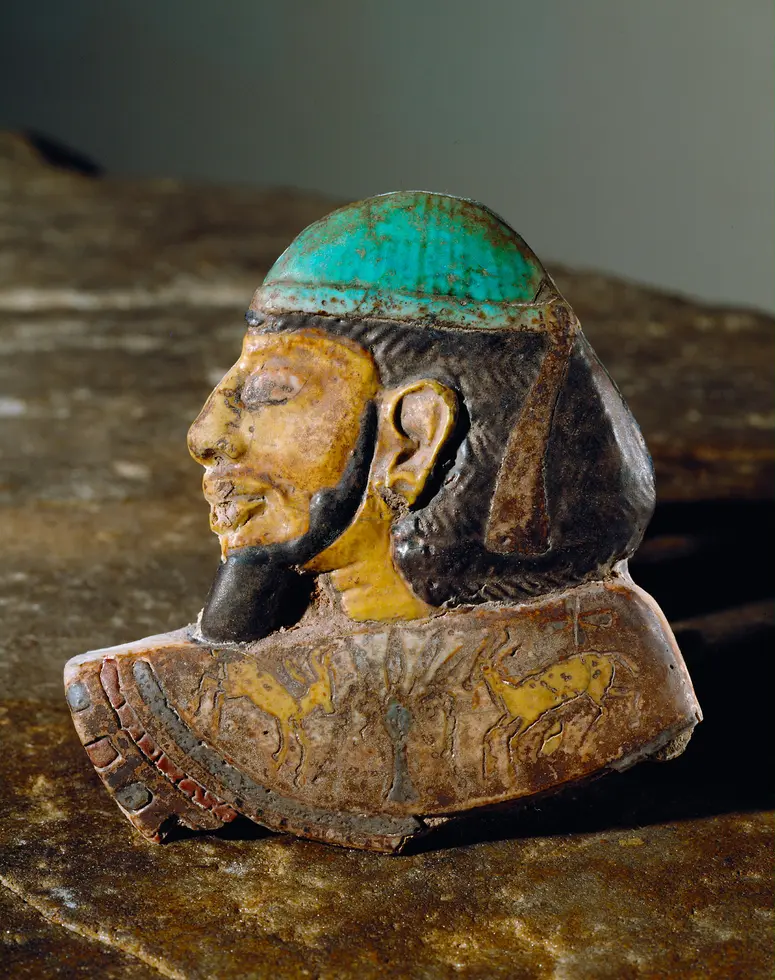
Kopf eines Mannes (Syrer) Tell el-Jahudija 20. Dynastie, Zeit Ramses' III., 1198-1166 v. Chr.
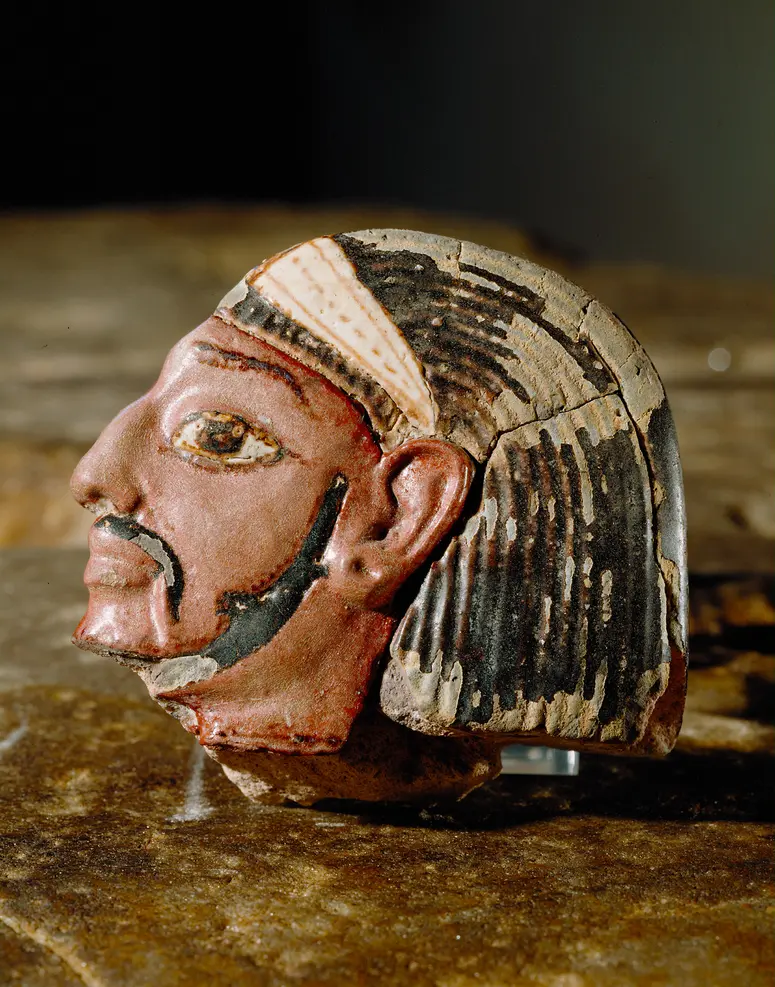
Kopf eines Mannes (Syrer) Tell el-Jahudija 20. Dynastie, Zeit Ramses' III., 1198-1166 v. Chr.