Dübel
150 - 125 v. Chr.
Prism dowel, Socket: Building blocks or stones superimposed above one another were generally connected with bronze dowels to prevent them from moving, especially during construction. The dowel joint was either filled with molten lead, or the dowel was hammered into a socket.
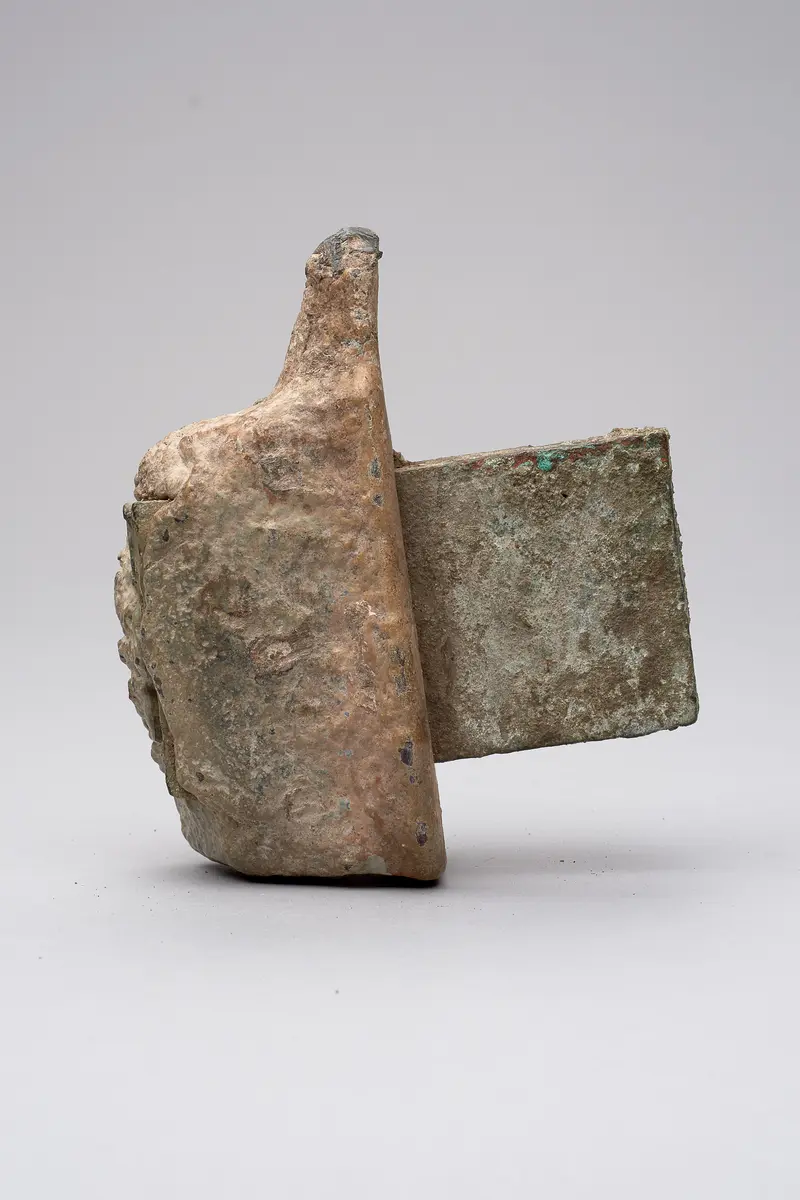
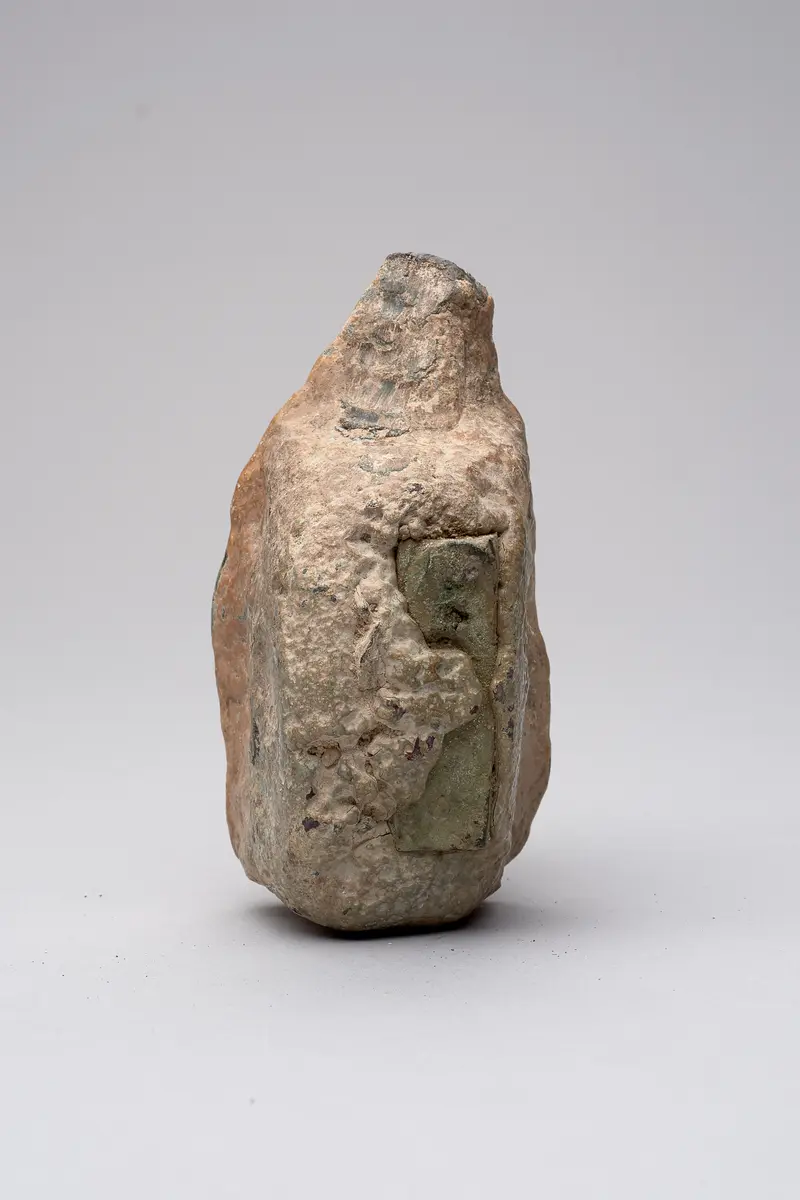
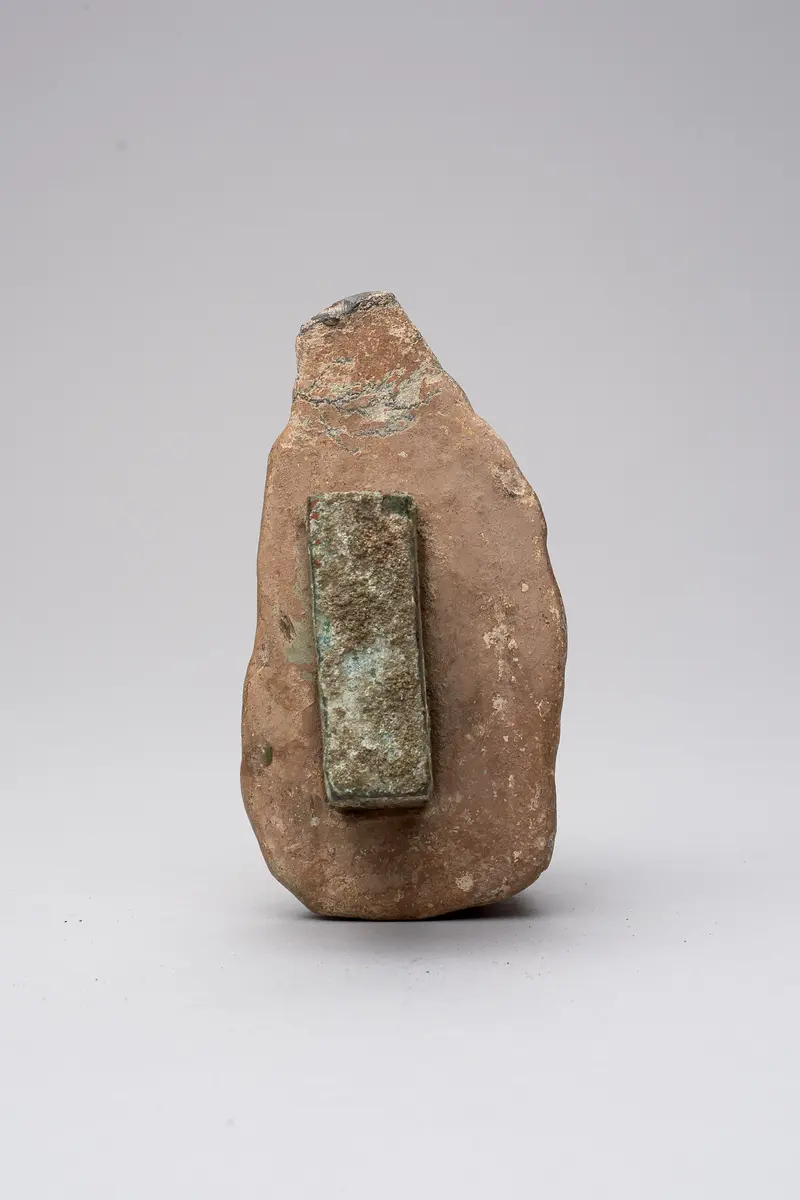
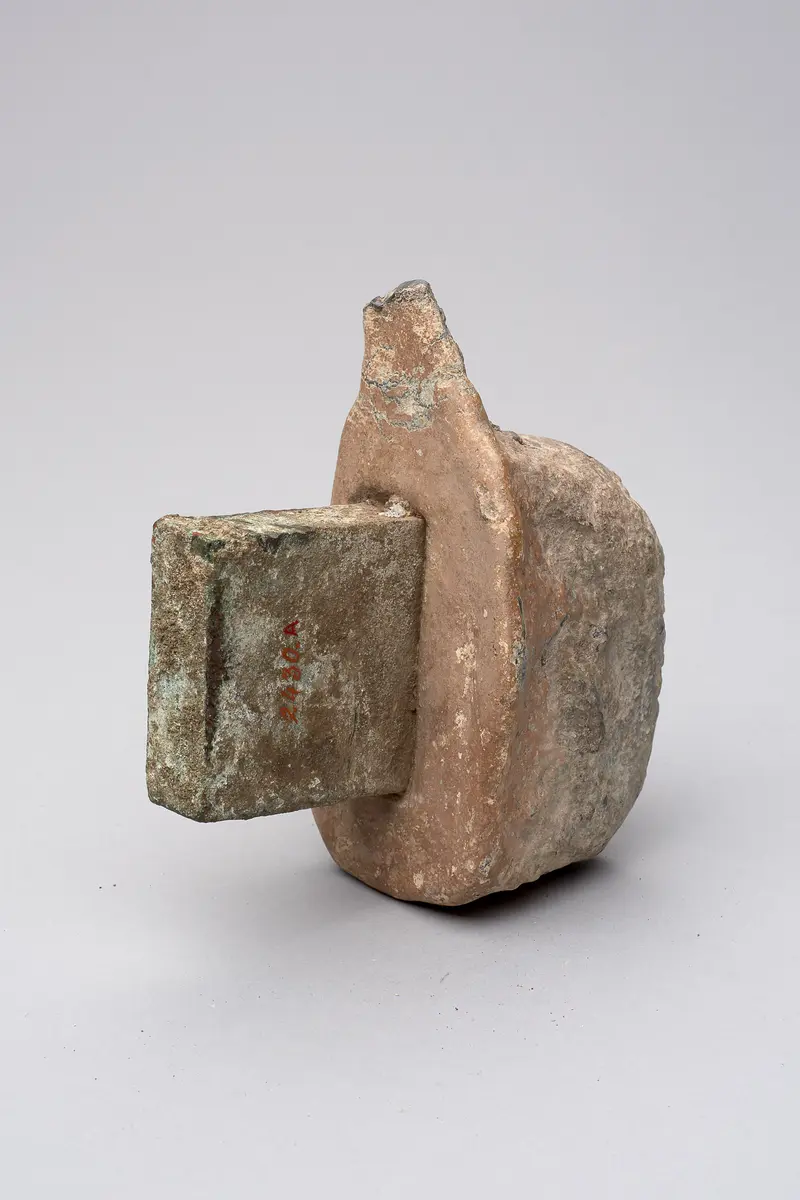
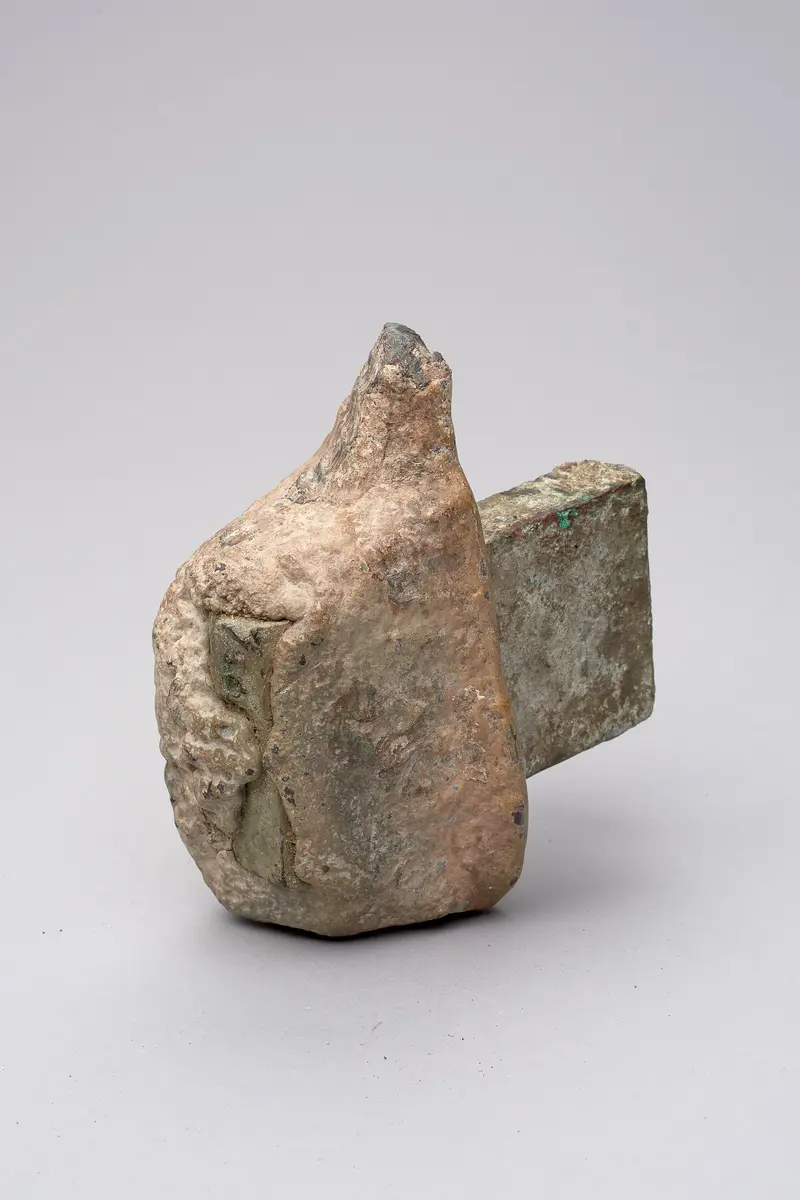
Prism dowel, Socket: Building blocks or stones superimposed above one another were generally connected with bronze dowels to prevent them from moving, especially during construction. The dowel joint was either filled with molten lead, or the dowel was hammered into a socket.
Time:
150 - 125 v. Chr.
Object Name
Dübel
Culture
Griechisch
Location of discovery:
Samothrake (Griechenland)
Material/technology:
Bronze, Blei
Copyright
Kunsthistorisches Museum, Antikensammlung
Invs.
Antikensammlung, VI 2430 a
Provenance
Österreichische Expedition Prof. Conze; Unterrichts-Ministerium; 1880 Kauf
Browse more
Similar items you might be interested in
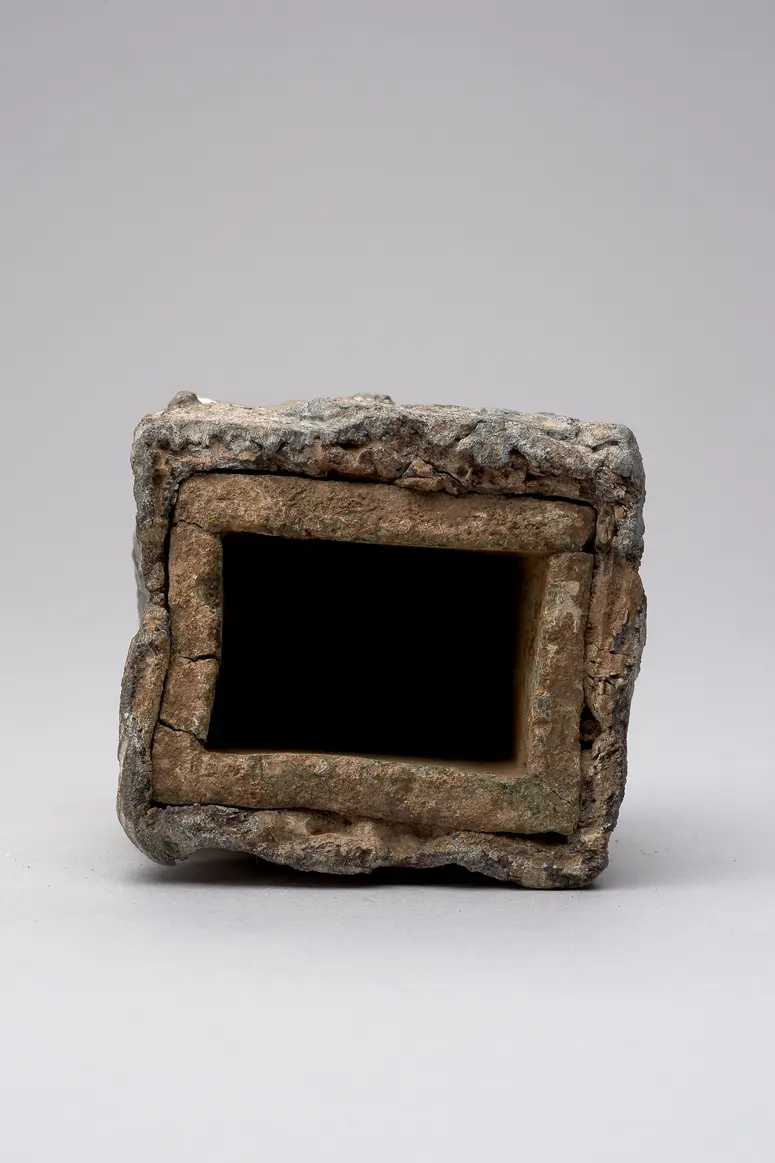
Dübel: Dübelhülse vom Ptolemaion Griechisch, Hellenistisch 285 - 280 v. Chr.
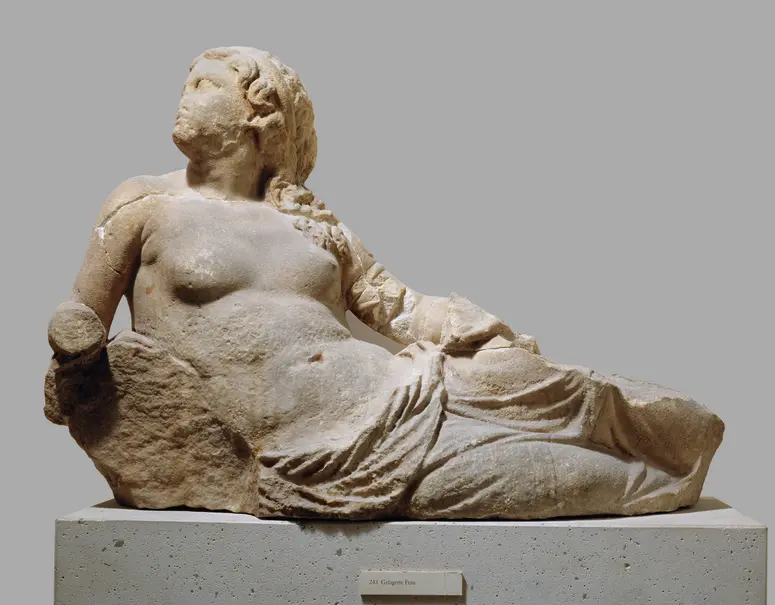
Giebel: Gelagerte Frau Griechisch, Hellenistisch 150 - 125 v. Chr.

Kapitell: Fragment eines ionischen Kapitells Griechisch, Hellenistisch 285 - 280 v. Chr.
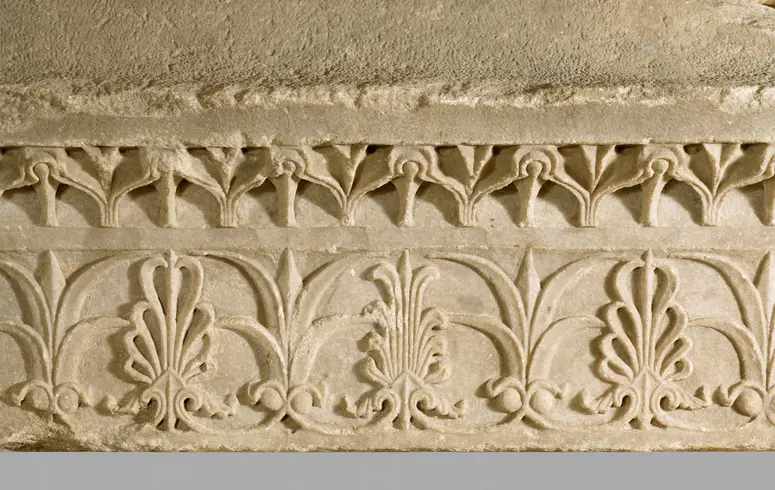
Gesims: Gesimsblock mit Lotos-Palmettenfries Griechisch, Hellenistisch 289 - 281 v. Chr.

Hydria: Henkel einer Hydria Griechisch 5. Jh. v. Chr.
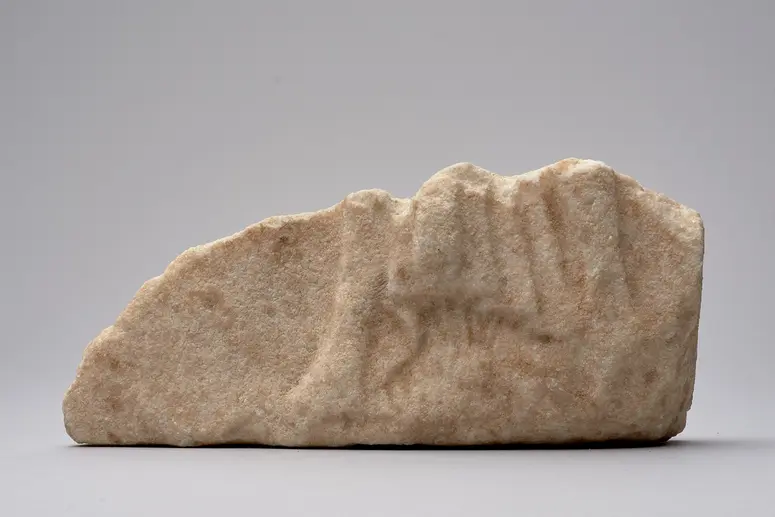
Relief: Tänzerinnenfriesfragment Griechisch um 340 v. Chr.

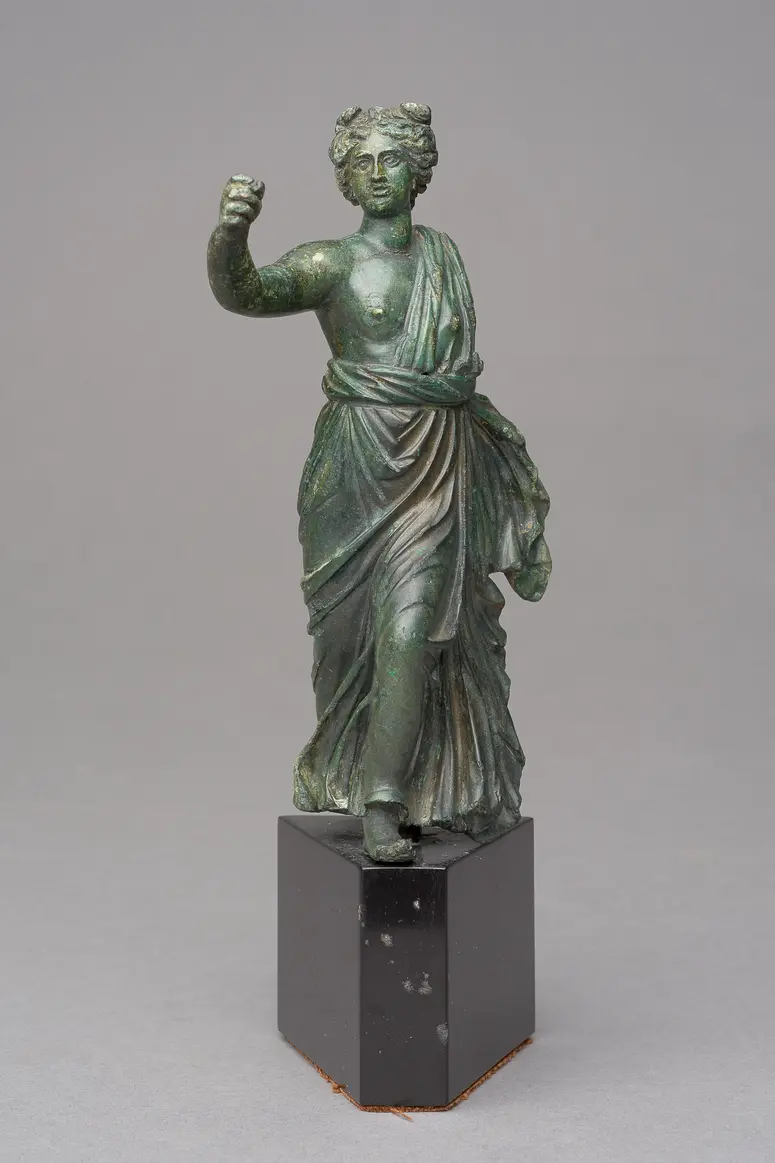
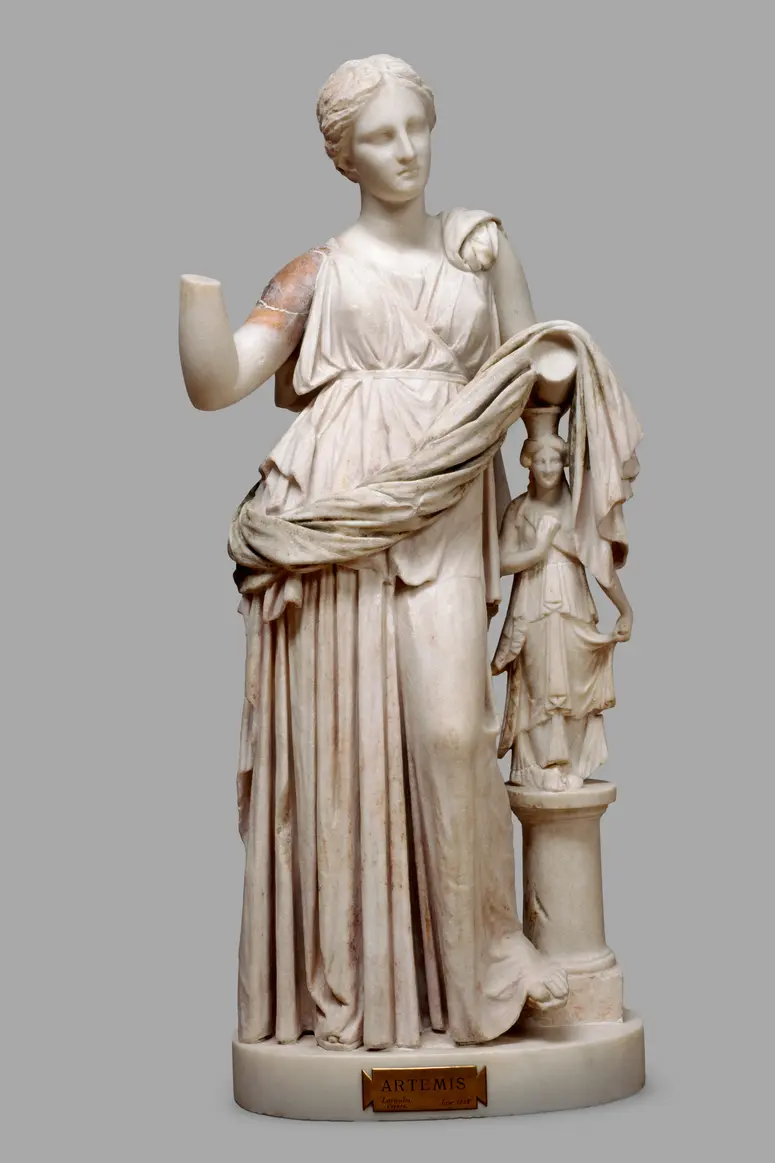
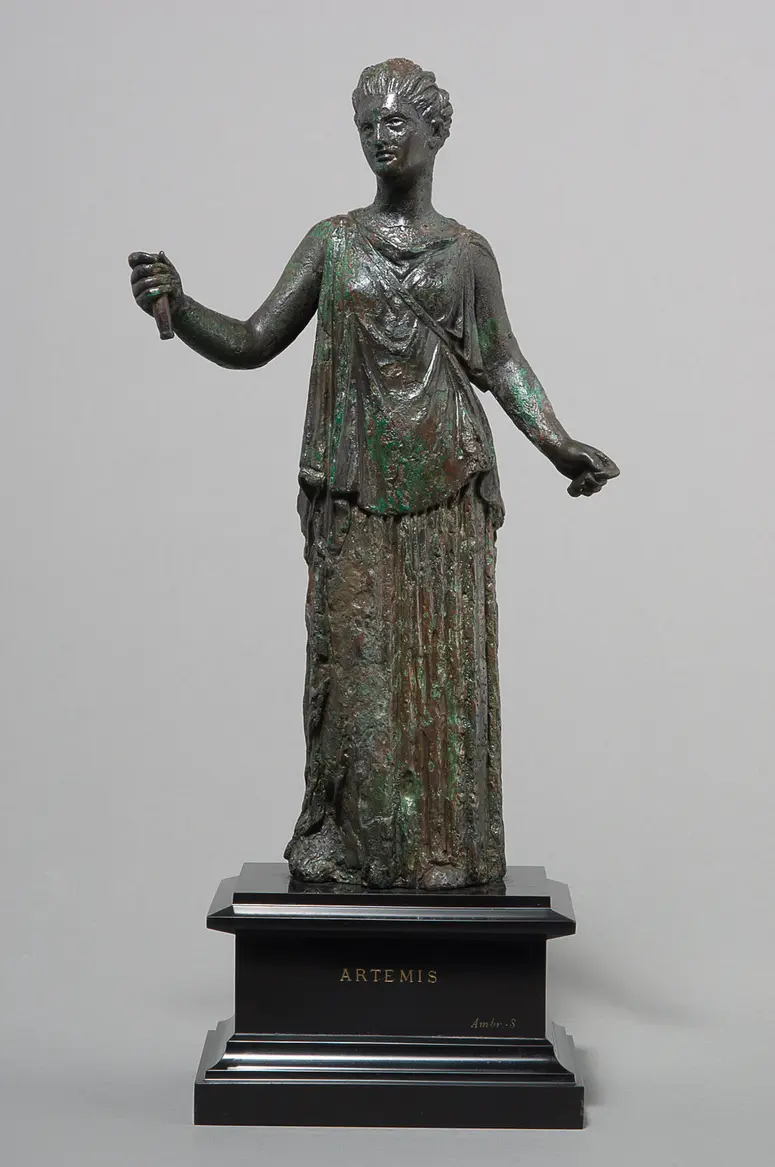

Bandhenkelamphora: Dike schlägt Adikia Griechisch, Attisch, rotfigurig um 520 v. Chr.
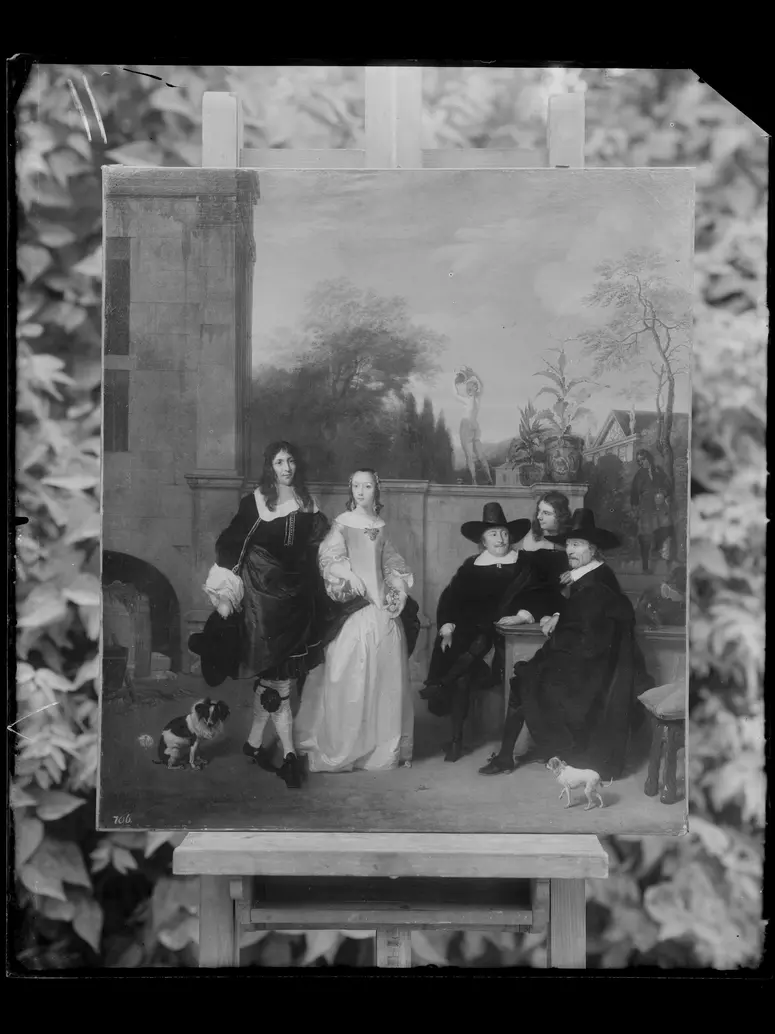
Das übelgehütete Mädchen J. Löwy, K. und K. Hof-Photograph, Kunst- und Verlagsanstalt (Wien) 1888 bis 1910
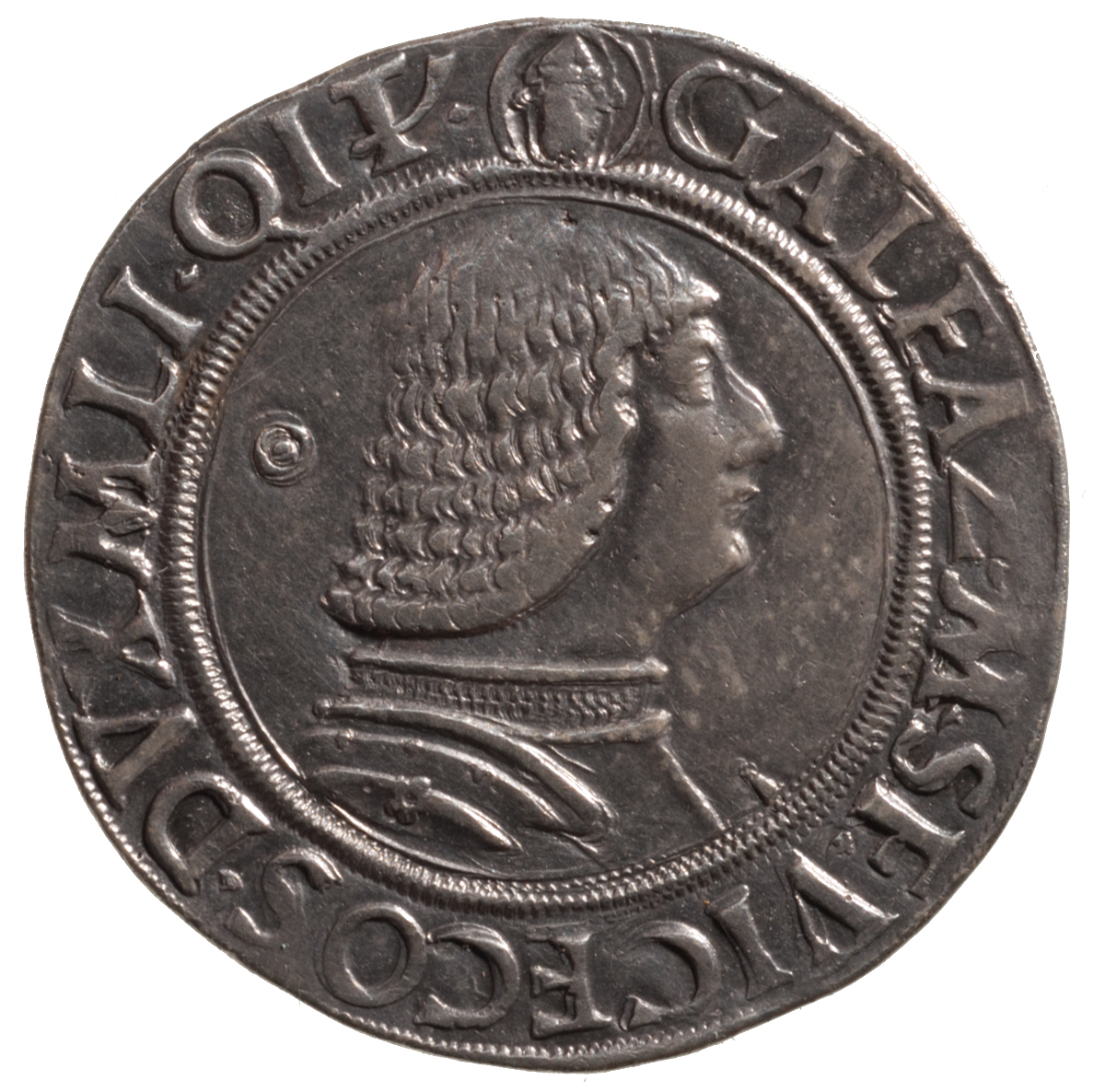

Philipp I. (1482-1506), Herzog von Burgund, seit 1504 König von Kastilien und León around 1450
