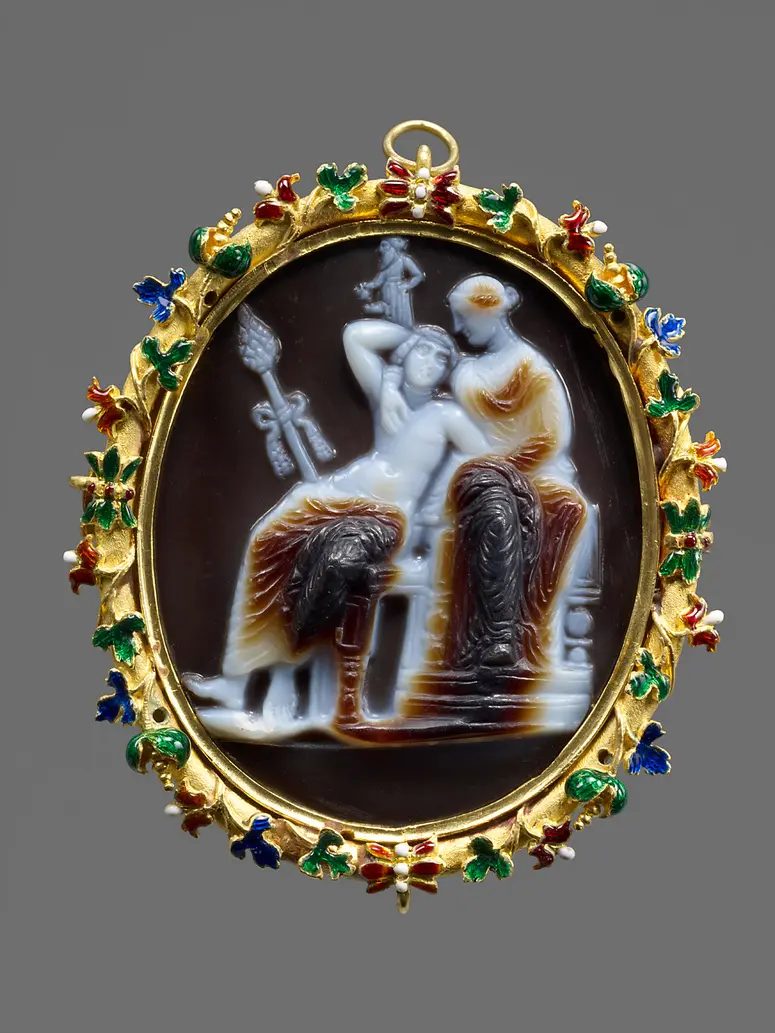
Dionysos
1. - 2. Jh. n. Chr., nach griechischem Original des 4. Jh. v. Chr.
The torso’s attire allows us to identify it as a depiction of Dionysus, the god of wine: he wears the nebris, the skin of a deer, slung over his left shoulder. Fragments of his cascading locks have also survived on his chest. Like many Roman works, the figure copies the pose of a Greek statue but alters its content or identification: here, a statue by the Greek sculptor Praxiteles of a satyr pouring a drink has been turned into a depiction of Dionysus.
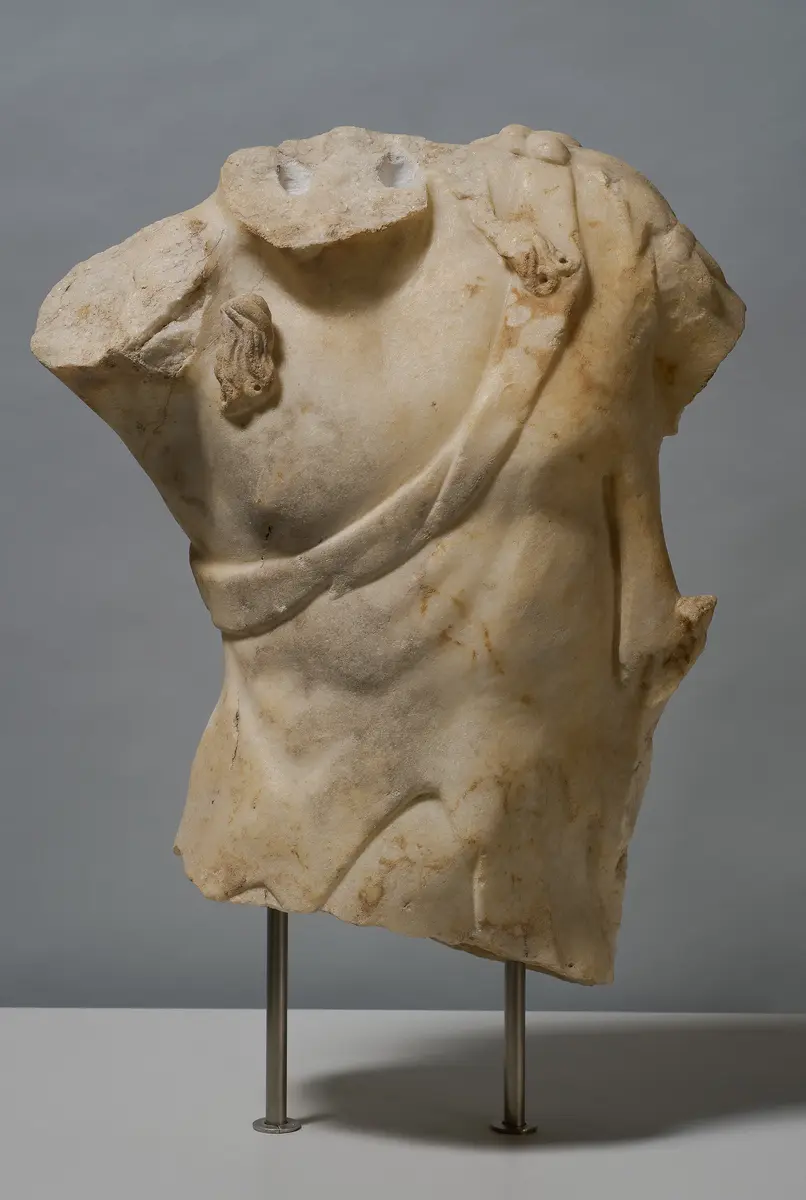
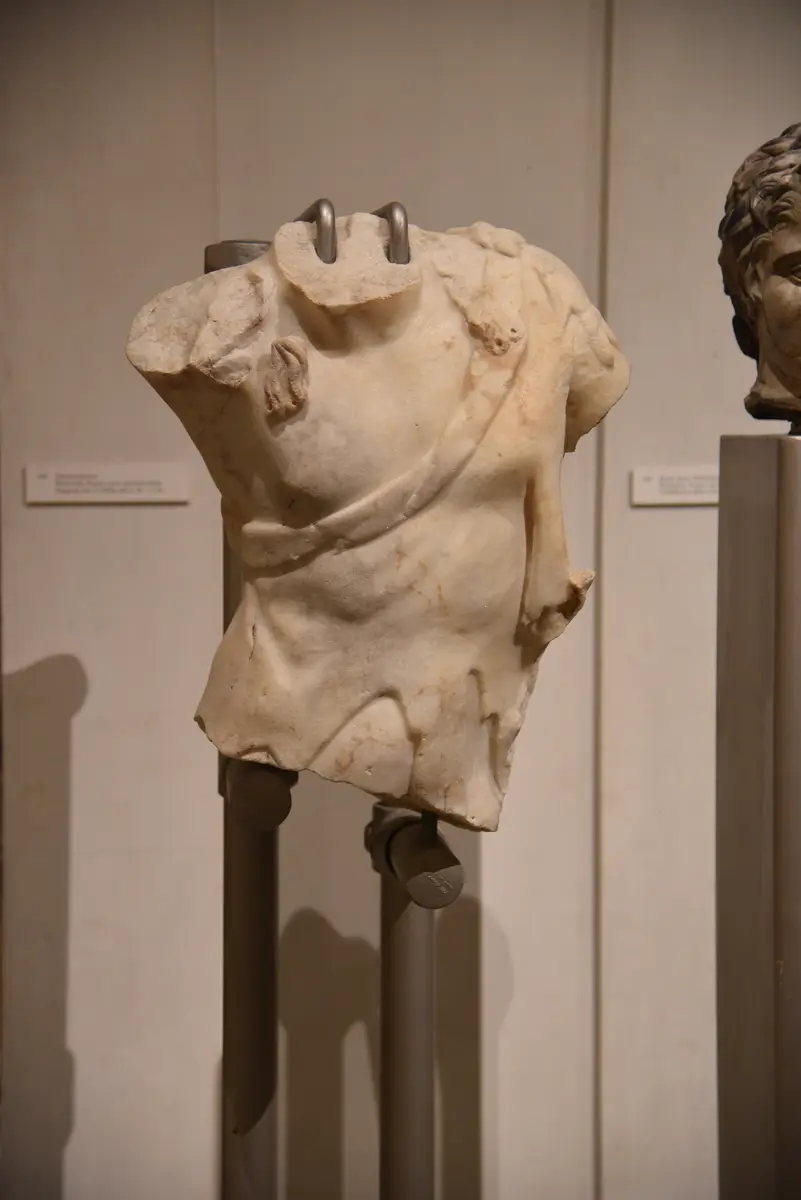
The torso’s attire allows us to identify it as a depiction of Dionysus, the god of wine: he wears the nebris, the skin of a deer, slung over his left shoulder. Fragments of his cascading locks have also survived on his chest. Like many Roman works, the figure copies the pose of a Greek statue but alters its content or identification: here, a statue by the Greek sculptor Praxiteles of a satyr pouring a drink has been turned into a depiction of Dionysus.
Time:
1. - 2. Jh. n. Chr., nach griechischem Original des 4. Jh. v. Chr.
Object Name
Statuettentorso
Culture
Römisch
Location of discovery:
Ephesos Theater Umgebung (Selçuk, Kleinasien, Türkei)
Material/technology:
Marmor
Dimensions:
L/H 50,5 cm
Copyright
Kunsthistorisches Museum, Antikensammlung
Invs.
Antikensammlung, I 813
Provenance
Sultan, Abdul, Hamid, II.; Österreichische Ausgrabungen in Ephesos; Geschenk an Kaiser Franz Joseph; 1911 nachträglich inventarisiert
Browse more
Similar items you might be interested in
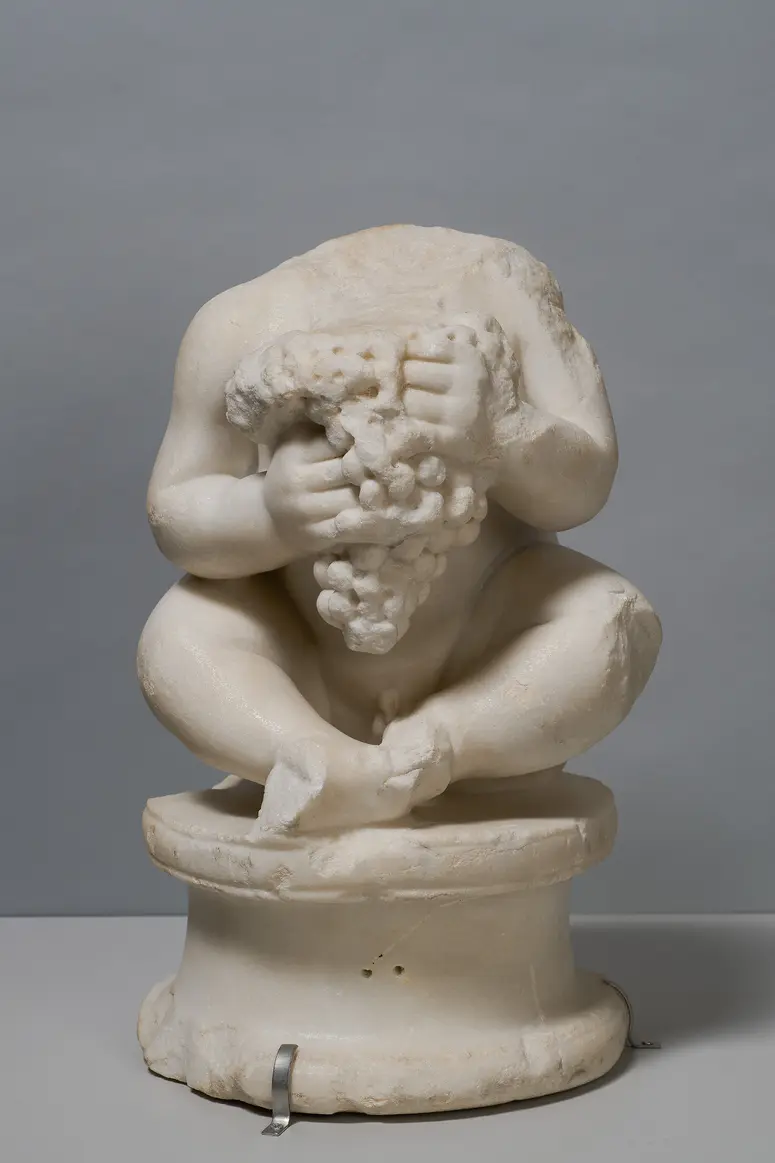
Statuettentorso: Knabe mit Traube Römisch, Mittlere Kaiserzeit 2. Jh. n. Chr.
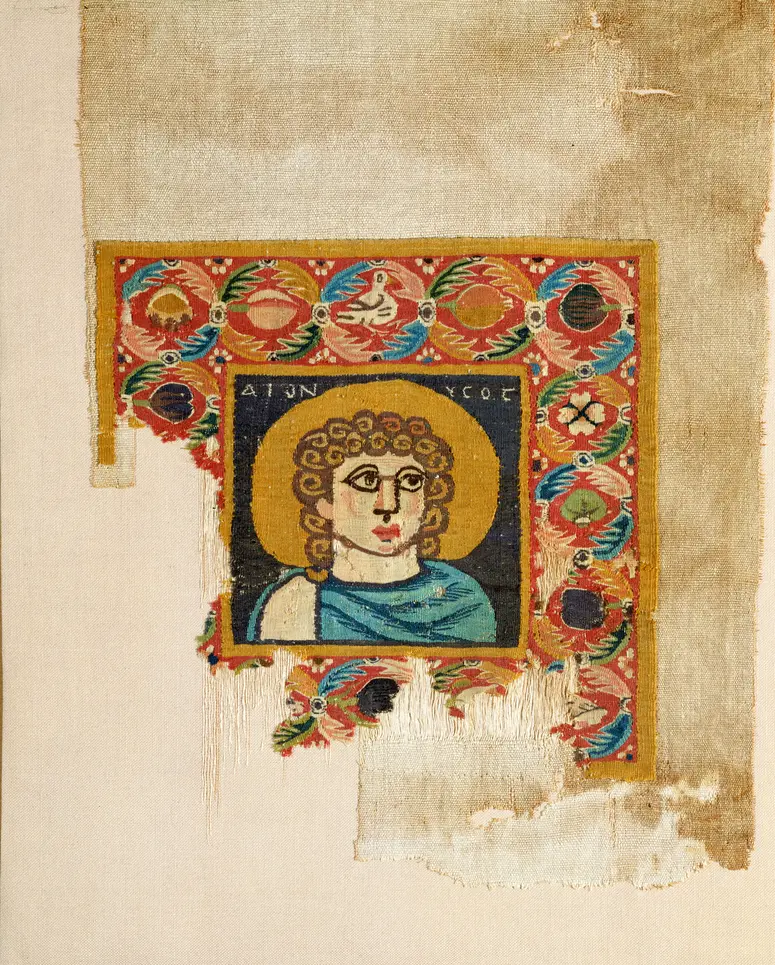
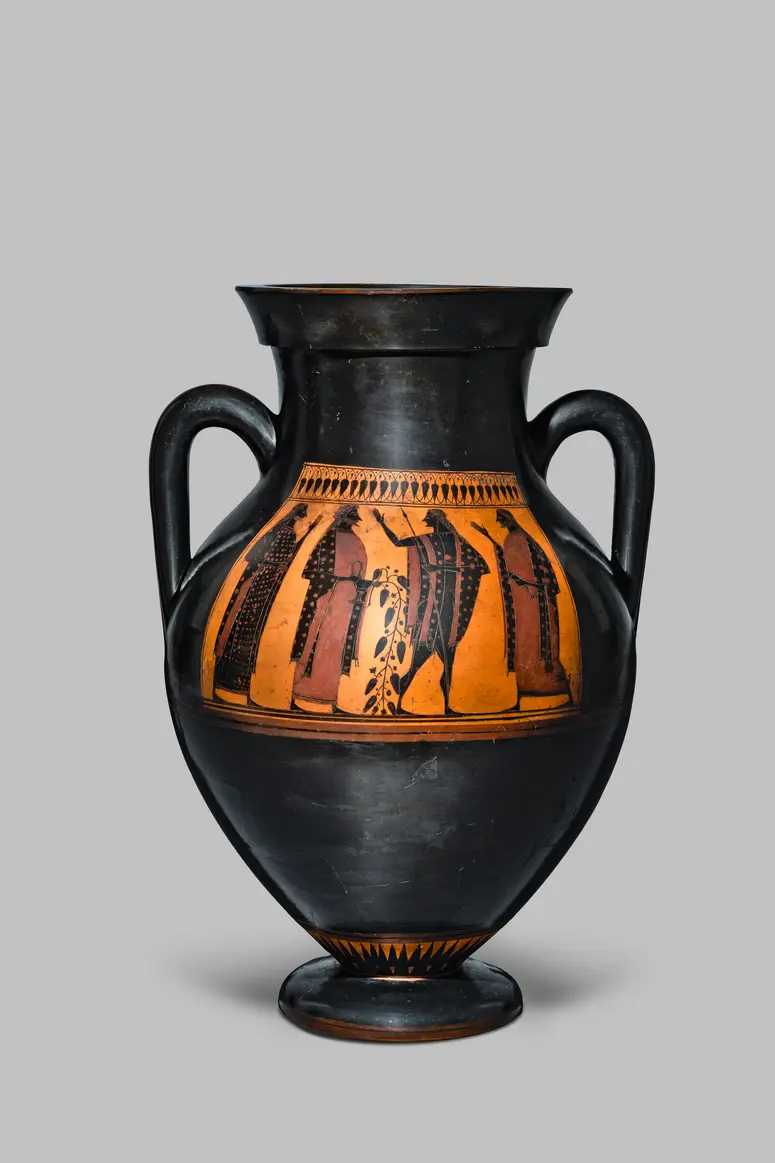
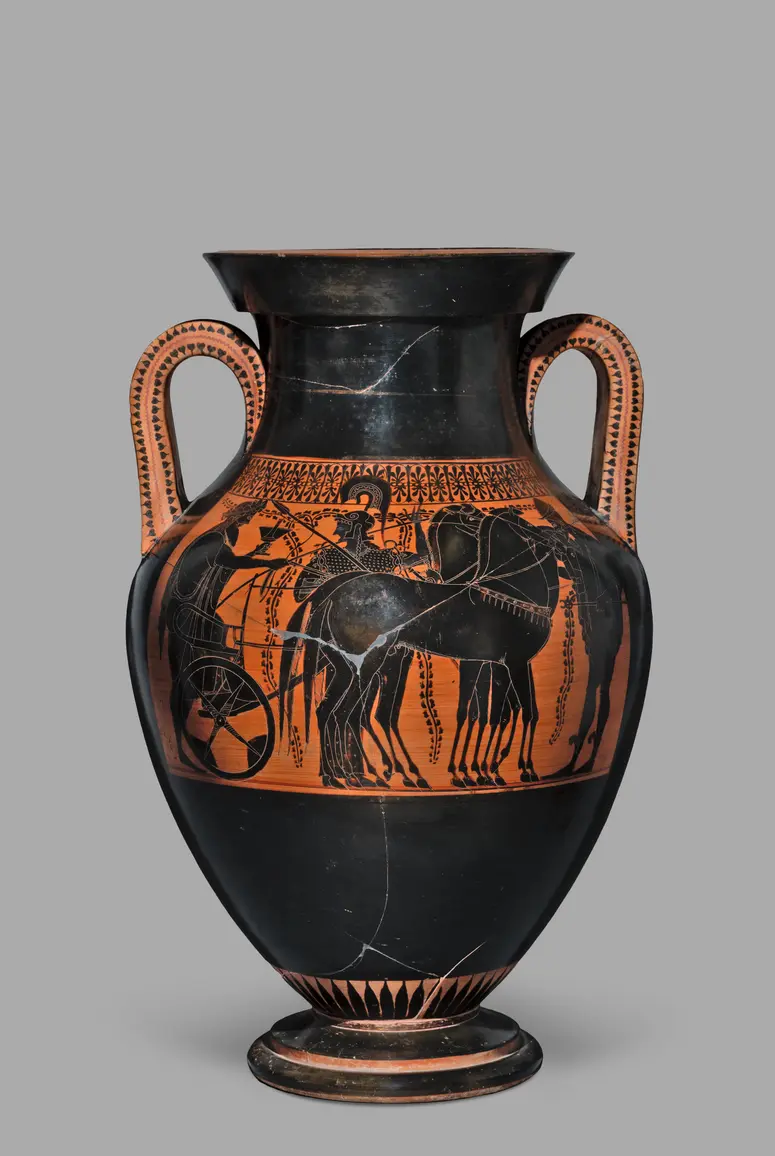
Bauchamphora: Dionysos und Ikarios Griechisch, Attisch, schwarzfigurig um 540 v. Chr.

Kelchkrater: Dionysos zwischen Himeros, Mänaden und Silenen Griechisch, Attisch, rotfigurig 4. Viertel 5. Jh. v. Chr.

Glockenkrater: Dionysos und sein Gefolge Griechisch, Attisch, rotfigurig um 430 v. Chr.

Hydria: Thiasos von sieben Figuren Griechisch, Attisch, rotfigurig Mitte 5. Jh. v. Chr.

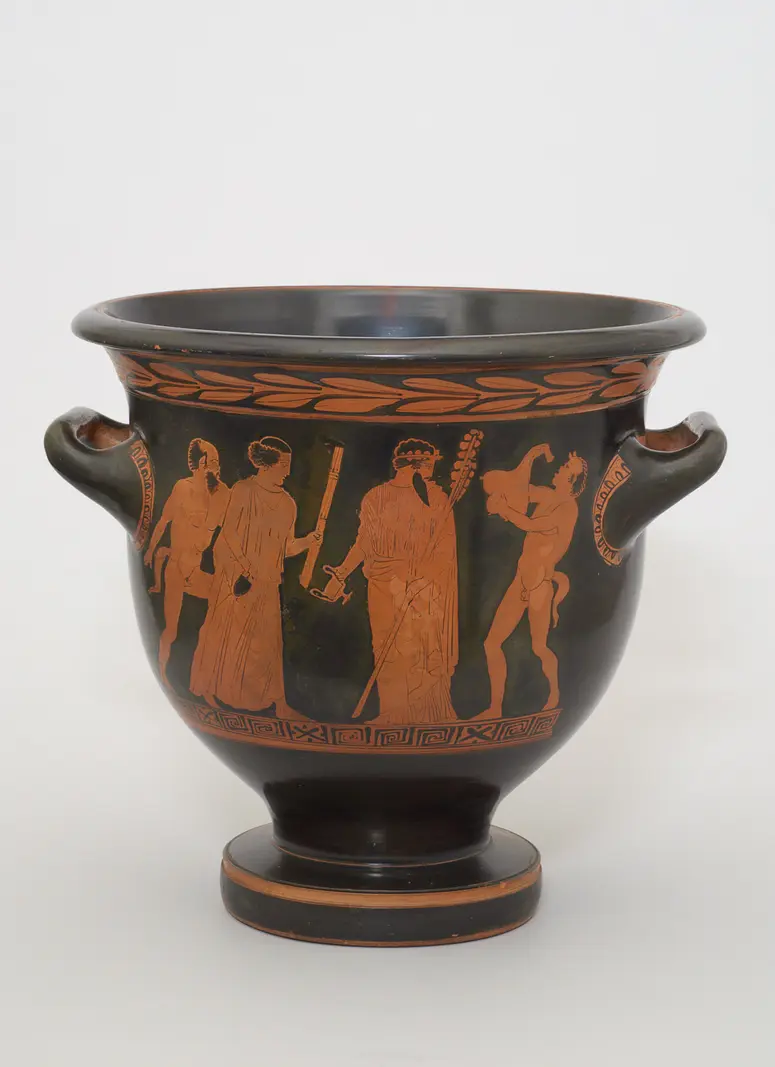
Glockenkrater: Nackter Silen und Mänade (A), Drei Manteljünglinge (B) Griechisch, Attisch, rotfigurig 430 - 420 v. Chr.
Glockenkrater: Dionysos und Mänade Unteritalisch, Apulisch, rotfigurig 380 - 360 v. Chr.
Halsamphora: Dionysos, Silene und Mänaden Griechisch, Attisch, schwarzfigurig um 500 v. Chr.
Silenus with the Infant Dionysos (after the antique) Pietro Simone Barga 2nd half 16th c.

Glockenkrater: Mänade und Dionysos Unteritalisch, Apulisch, rotfigurig 350 - 340 v. Chr.