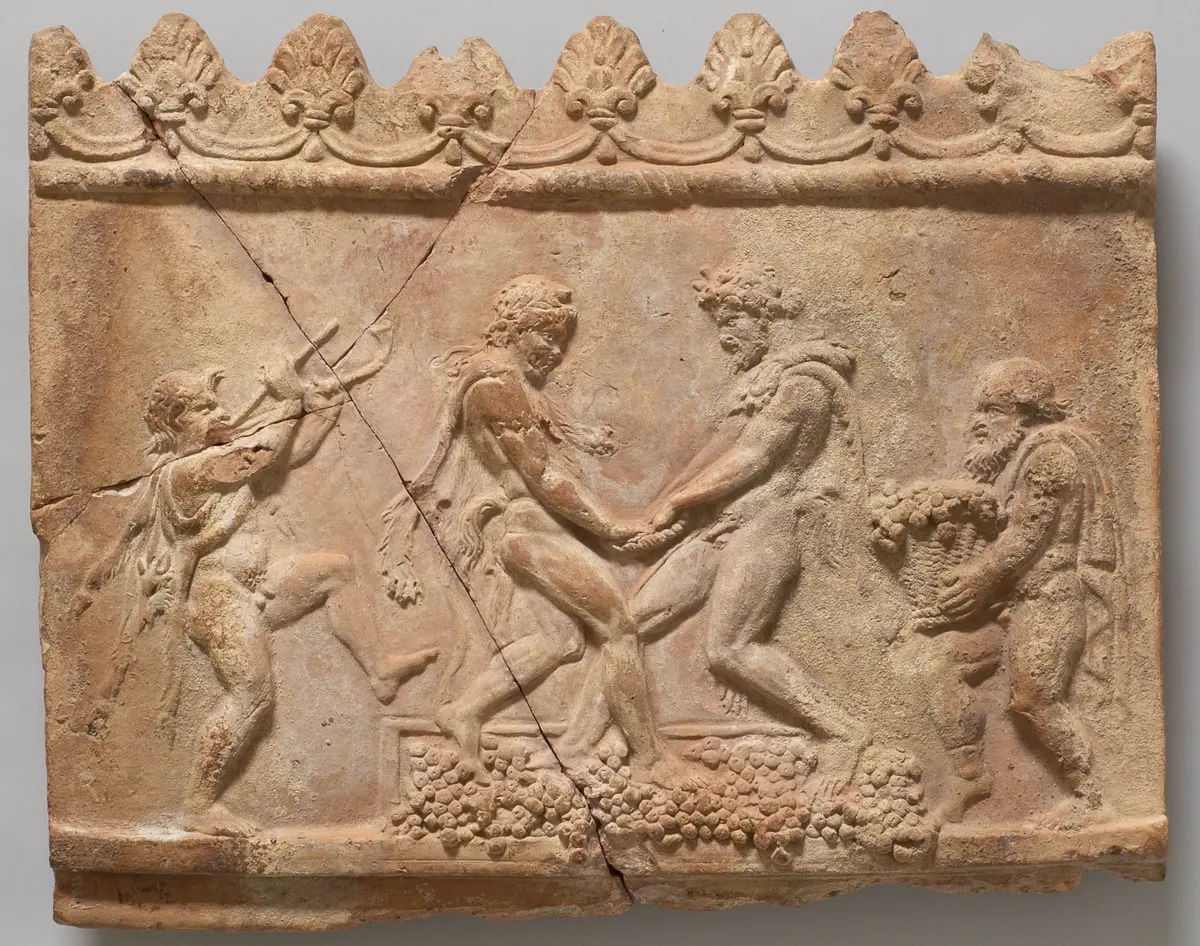
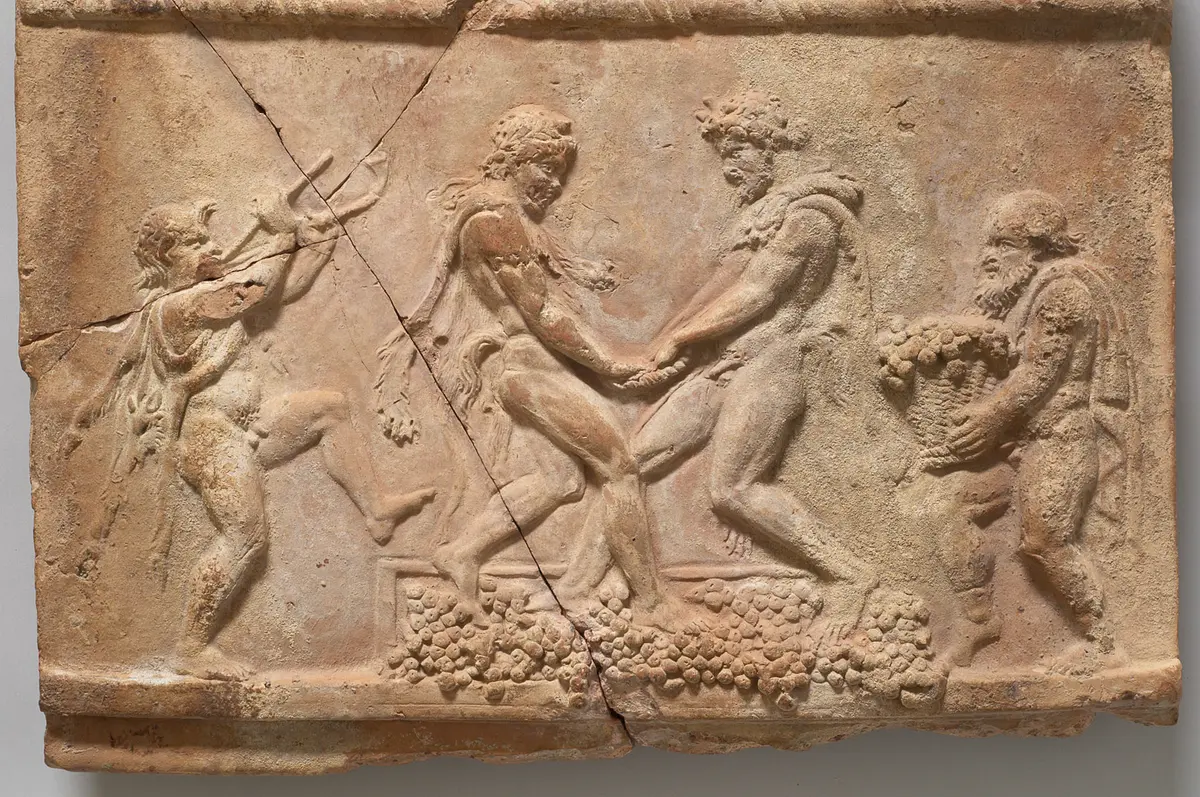
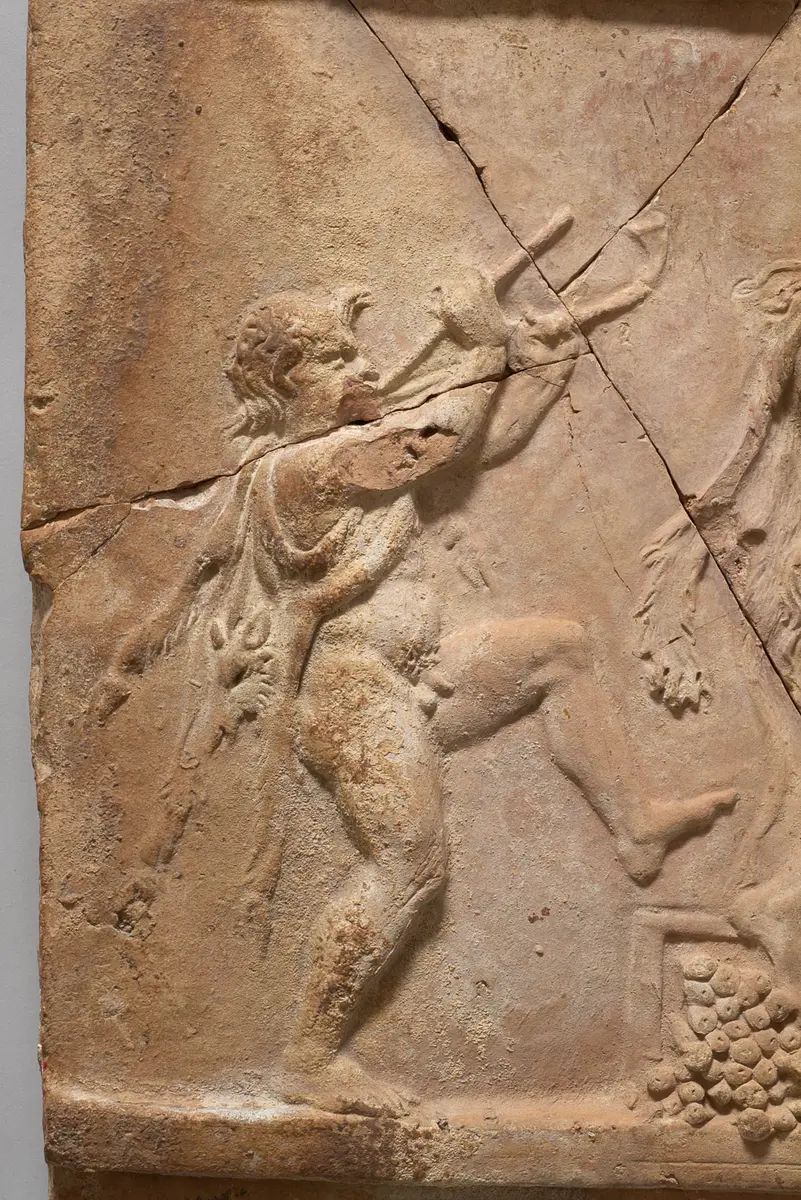
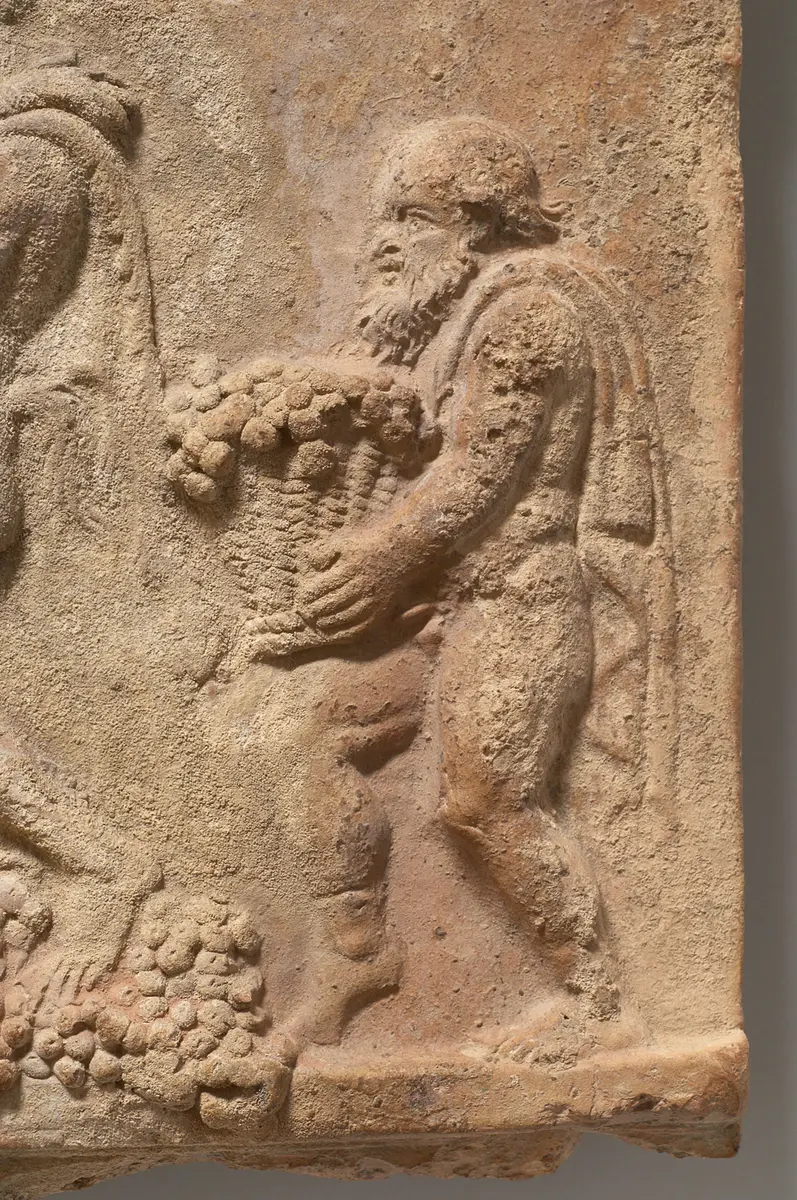
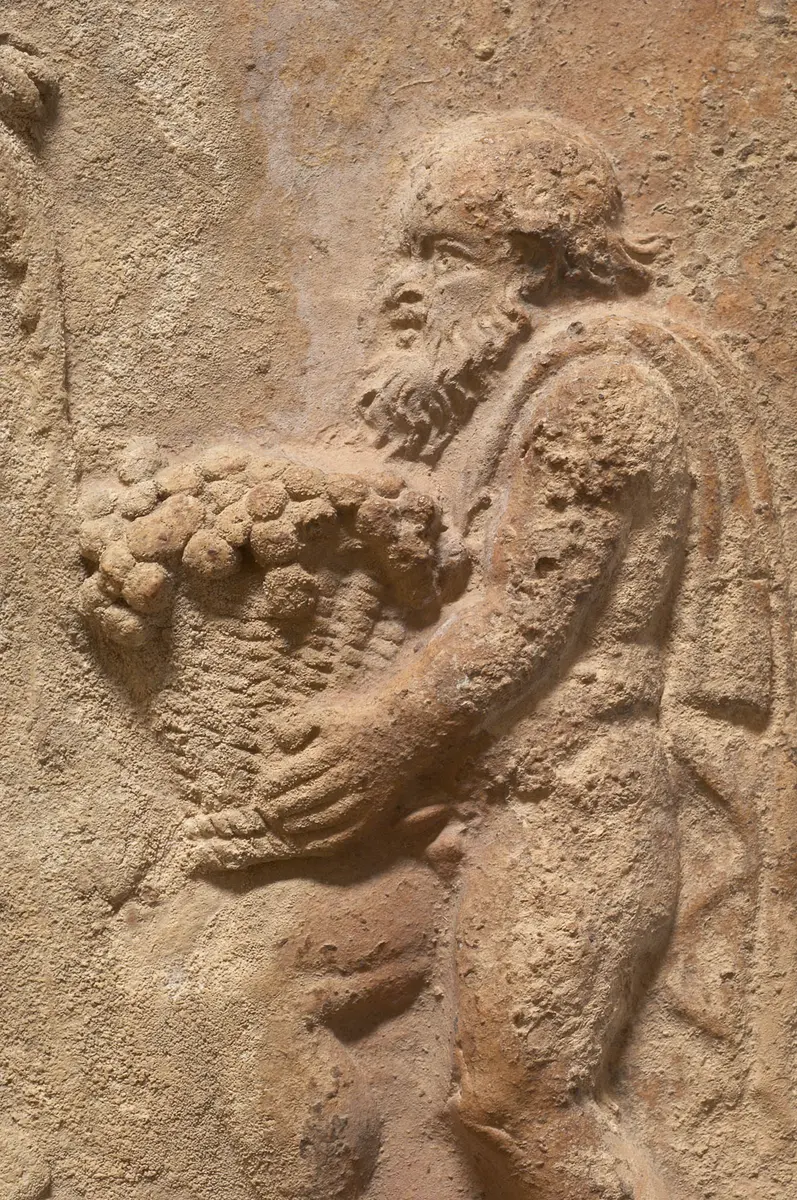
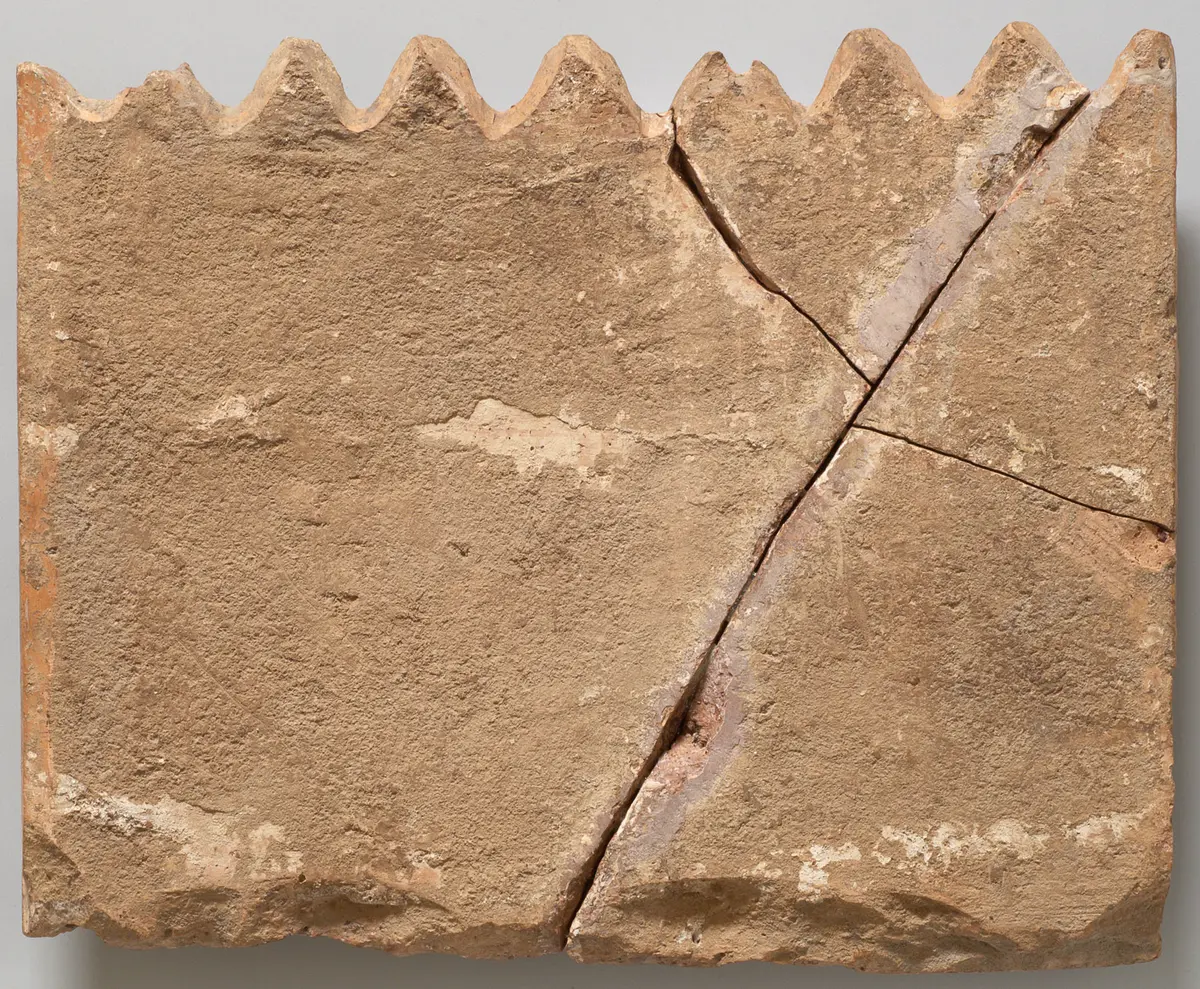
Aufsatzplatte: Zwei kelternde Satyrn, jugendlicher Satyr mit Doppelflöte, Silen mit Korb
Anfang 1. Jh. n. Chr.
Time:
Anfang 1. Jh. n. Chr.
Object Name
Campanarelief
Culture
Römisch
Location of discovery:
Unbekannt
Material/technology:
Ton
Dimensions:
33 cm × 40,5 cm
Copyright
Kunsthistorisches Museum, Antikensammlung
Invs.
Antikensammlung, V 2983
Provenance
Oesterr. Museum Wien; 1868 erworben, früher bei Raff. Barone, Neapel; 1940 Übernahme; 1941 inventarisiert
Browse more
Similar items you might be interested in
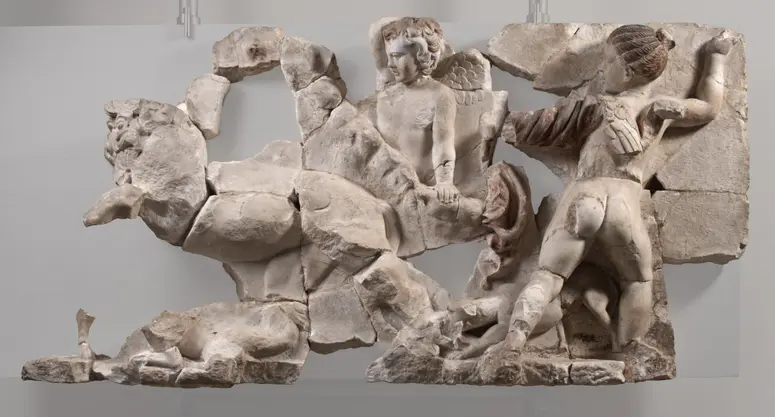
Relief: Erotenfries: Eroten auf Löwenjagd Römisch, Frühe Kaiserzeit 2. Hälfte 1. Jh. n. Chr.
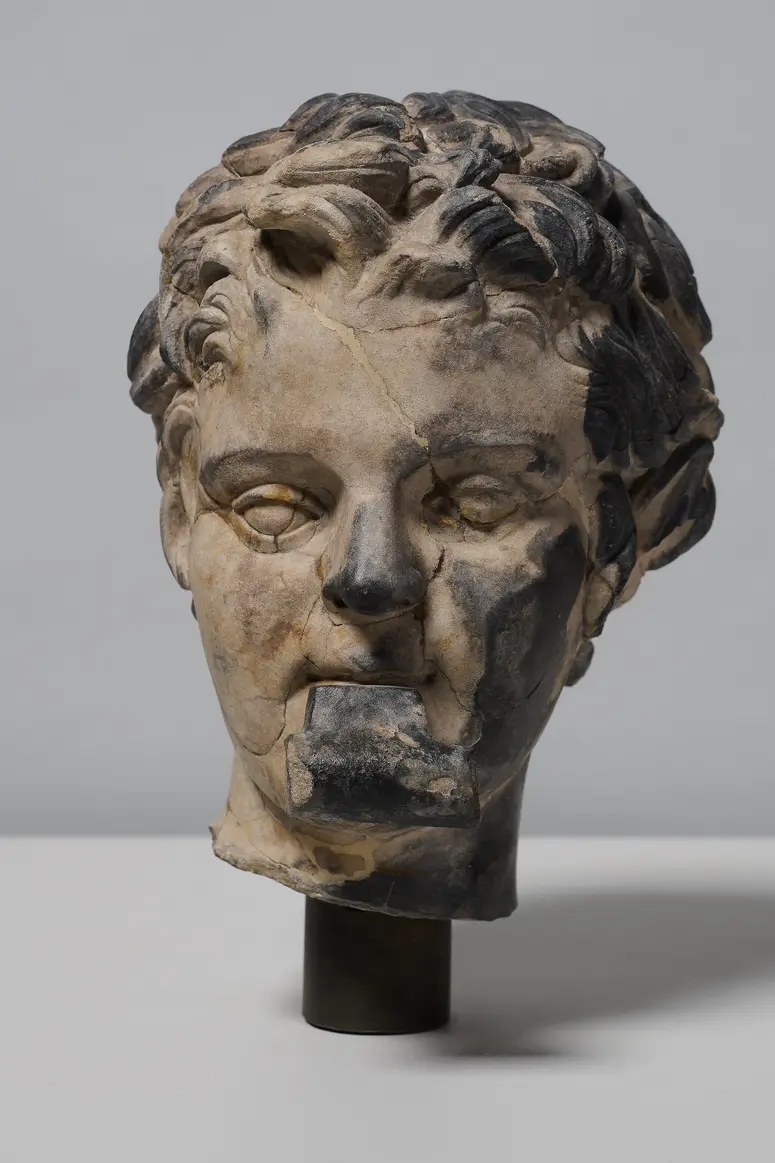
Kopf: Kopf eines flötenblasenden Satyrknaben Römisch, Mittlere Kaiserzeit 2. Jh. n. Chr., nach griechischem Vorbild des 4. Jh.v. Chr.
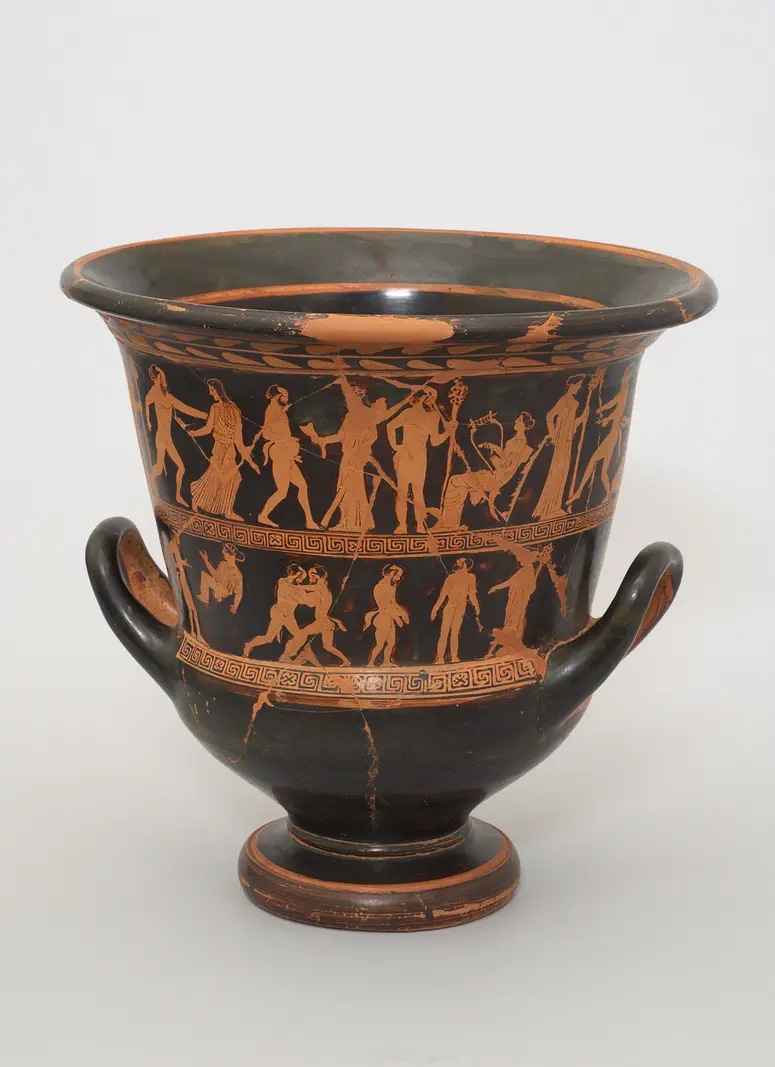
Kelchkrater: Silen, Satyr und Mänade Griechisch, Attisch, rotfigurig 3. Viertel 5. Jh. v. Chr.
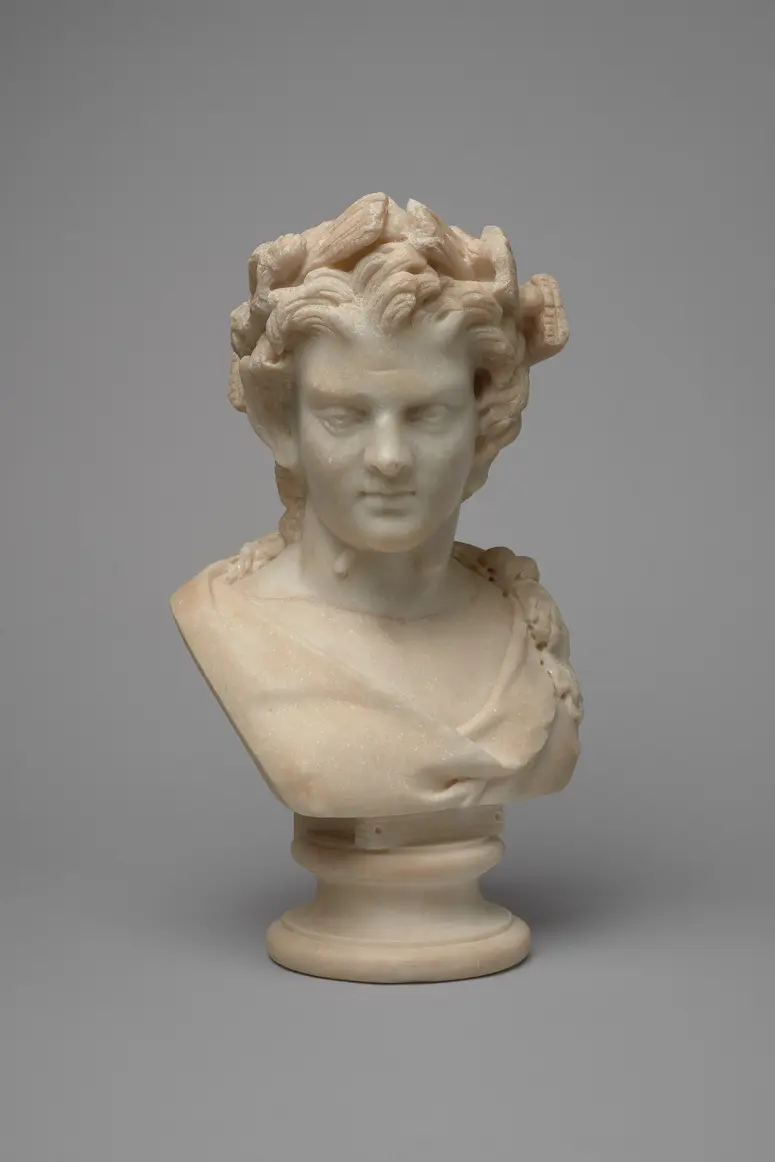
Büste: Jugendlicher Satyr Römisch, Mittlere Kaiserzeit 2. Jh., nach hellenistischem Vorbild

Campanarelief: Fragment eines Reliefs mit Darstellung von Satyrn zu Seiten des Dionysoskindes: Jugendlicher Satyr Römisch, Frühe Kaiserzeit 1. Hälfte 1. Jh. n. Chr.

Kopf: Kopf eines Satyrs auf nicht zugehöriger Büste Römisch, Kaiserzeit 1.-2. Jahrhundert
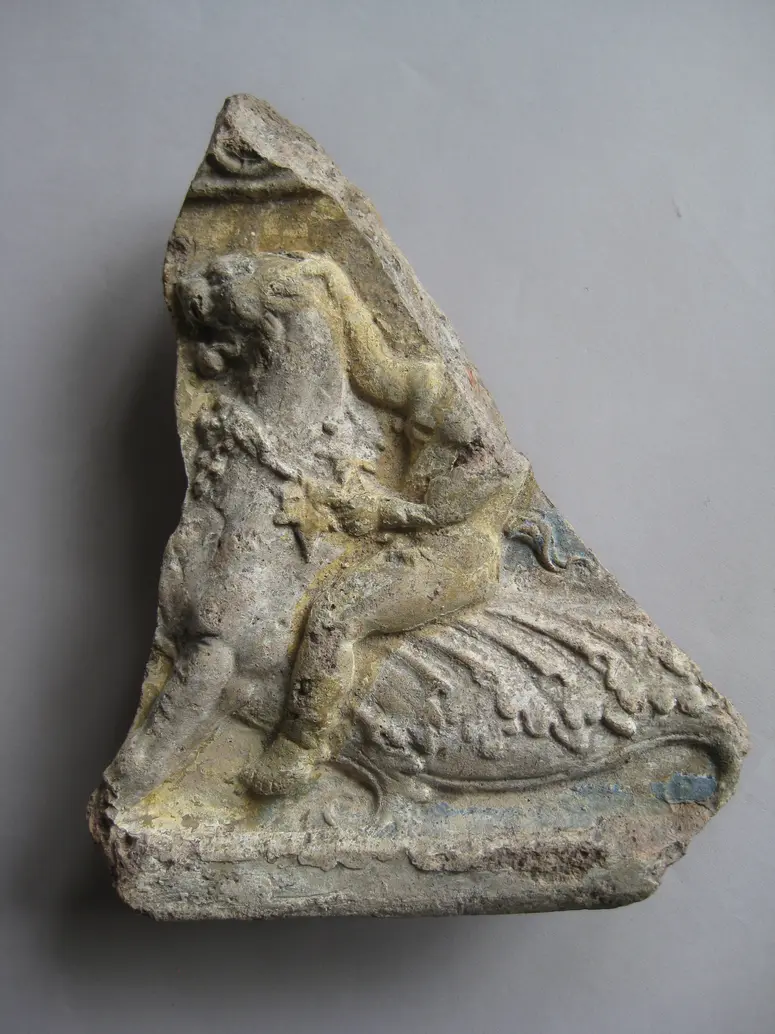
Campanarelief: Fragment aus dem rechten Teil einer Sima mit Satyrknaben auf Panthern zu Seiten eines Kraters: Satyrknabe auf Panther Römisch, Frühe Kaiserzeit 1. Hälfte 1. Jh. n. Chr.

Kolonettenkrater: Mänade und Satyr Unteritalisch, Apulisch, rotfigurig 360 - 340 v. Chr.
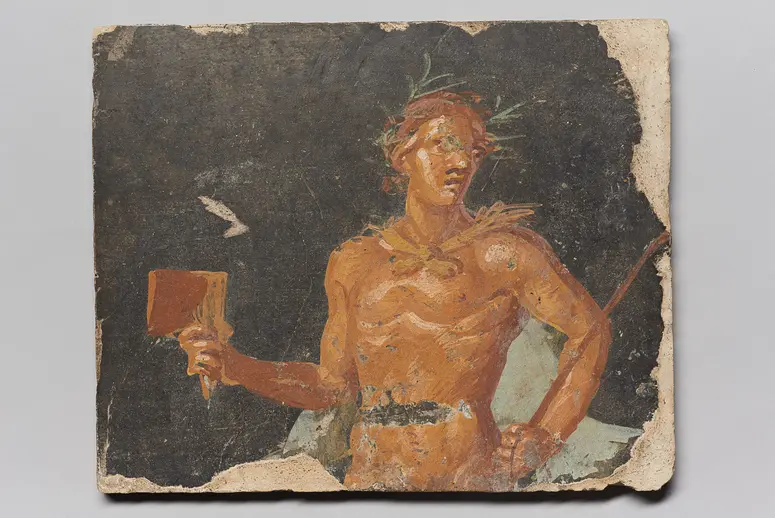
Fresko: Jugendlicher Satyr mit Hirtenstab und Klapper Römisch, Kaiserzeit 1. - 2. Jh. n. Chr.
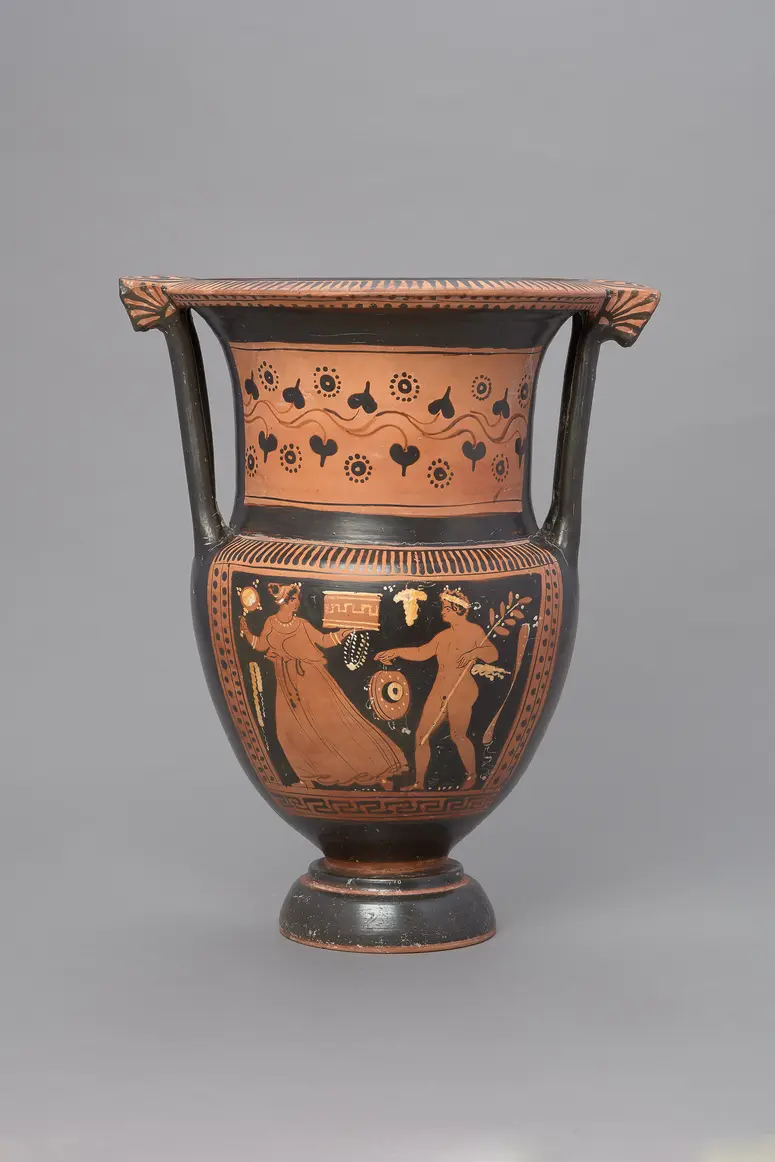
Kolonettenkrater: Frau und Satyr Unteritalisch, Apulisch, rotfigurig 340 - 330 v. Chr.

Glockenkrater: Mänaden und Satyrn Unteritalisch, Apulisch, rotfigurig 340 - 330 v. Chr.

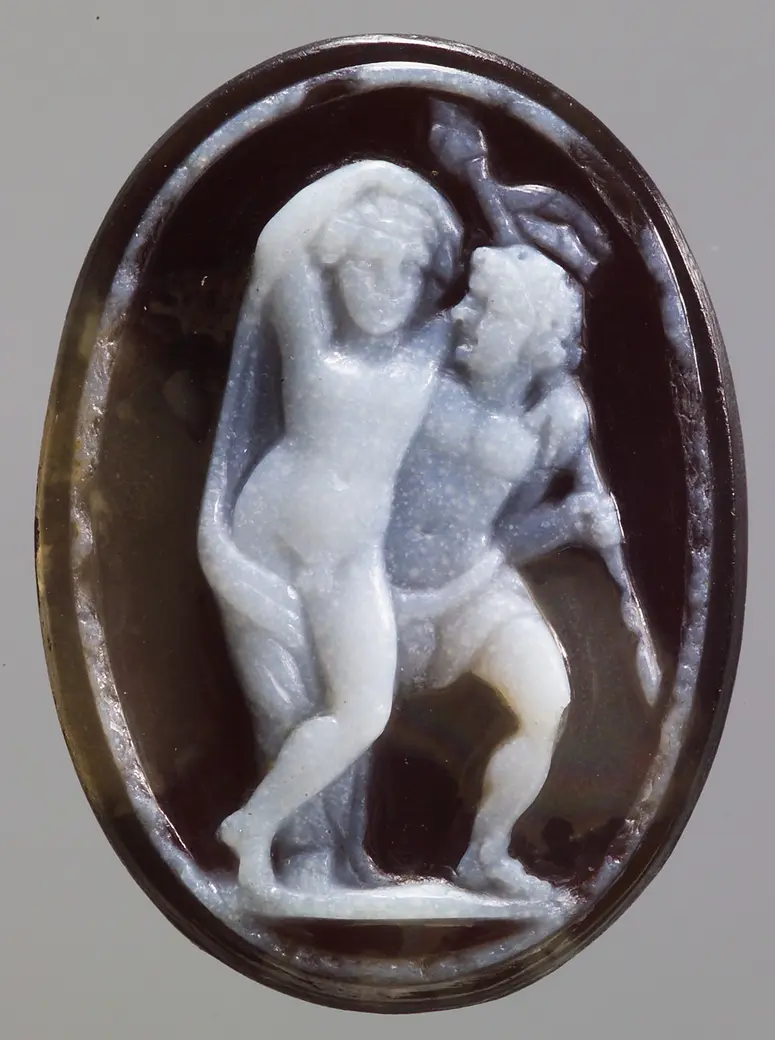

Glockenkrater: Mänade und Satyr Unteritalisch, Apulisch, rotfigurig 360 - 350 v. Chr.

Relief: Scheibenförmiges Relief (oscillum): Tänzelnder Satyr Römisch, Frühe Kaiserzeit 1. Hälfte 1. Jh. n. Chr.
