Archduke Leopold Wilhelm
1649 | Justus van Egmont
Archduke Leopold Wilhelm (1614–1662), the youngest son of Emperor Ferdinand II, was set for a career in the church. As Grand Master of the Teutonic Order, he also commanded the Imperial troops for a time. As Governor of the Spanish Netherlands (1647–1656), he enjoyed military success in the war against France, and started to collect art on a major scale. He amassed some 1,400 pictures in his collection, thereby laying the most important foundation stone of the Viennese Picture Gallery.
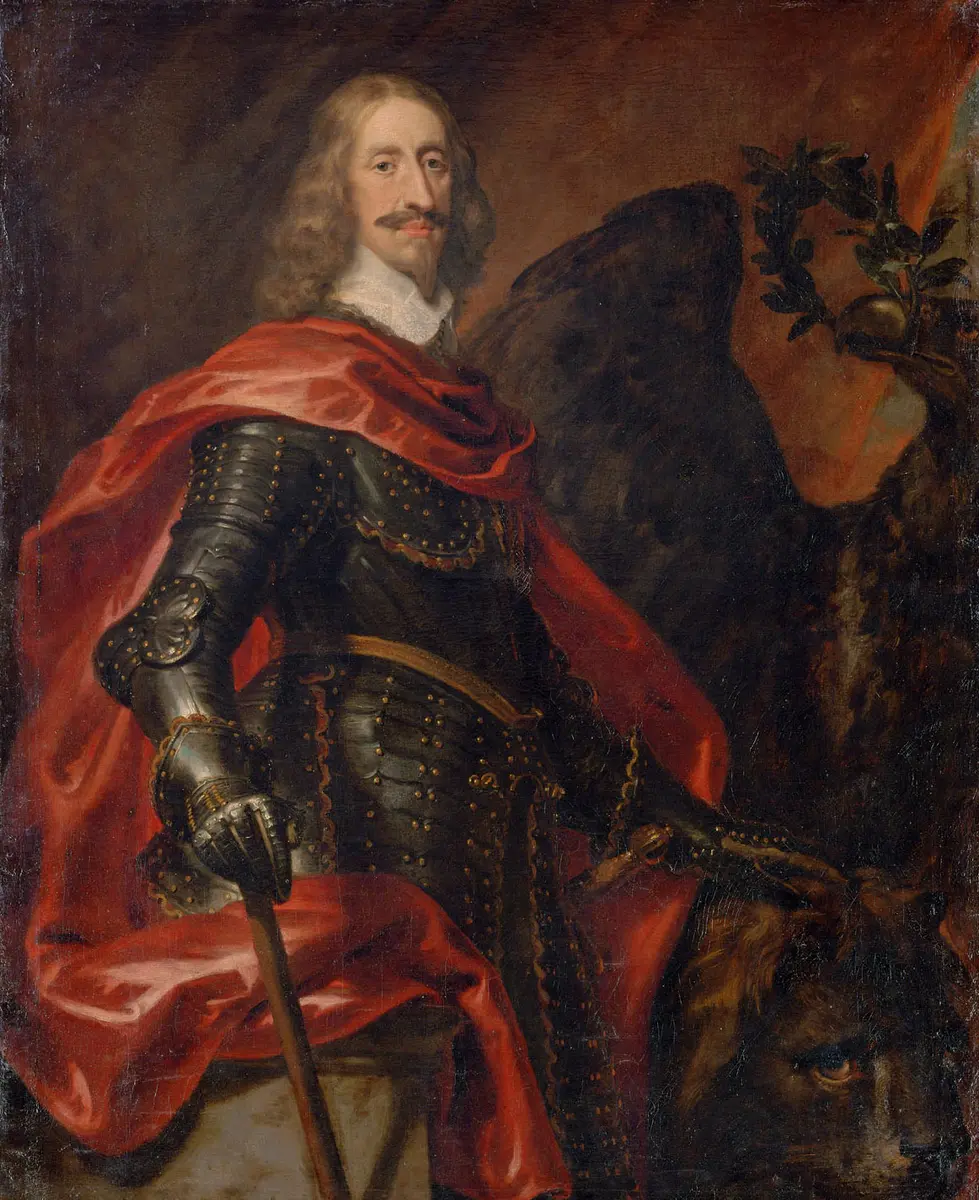
Archduke Leopold Wilhelm (1614–1662), the youngest son of Emperor Ferdinand II, was set for a career in the church. As Grand Master of the Teutonic Order, he also commanded the Imperial troops for a time. As Governor of the Spanish Netherlands (1647–1656), he enjoyed military success in the war against France, and started to collect art on a major scale. He amassed some 1,400 pictures in his collection, thereby laying the most important foundation stone of the Viennese Picture Gallery.
Artist:
Justus van Egmont (1601 Leiden - 1674 Antwerpen) DNB
Depiction/Person:
Leopold Wilhelm von Österreich (1625/32-1662), Erzherzog, Fürstabt seit 1626 (1614 - 1662) DNB
Time:
1649
Object Name
Painting
Culture
Flemish
Material/technology:
Canvas
Dimensions:
149 cm × 121 cm
Framed (gallery frame with inscriptions): 172 cm × 143,5 cm × 11 cm
Signed
bez. auf Rückseite: Justus d' Egmont F.^f. / A.^o 1649, Bruxels.^s
Copyright
Kunsthistorisches Museum, Gemäldegalerie
Invs.
Gemäldegalerie, 802
Provenance
Coll. Leopold Wilhelm
Browse more
Similar items you might be interested in
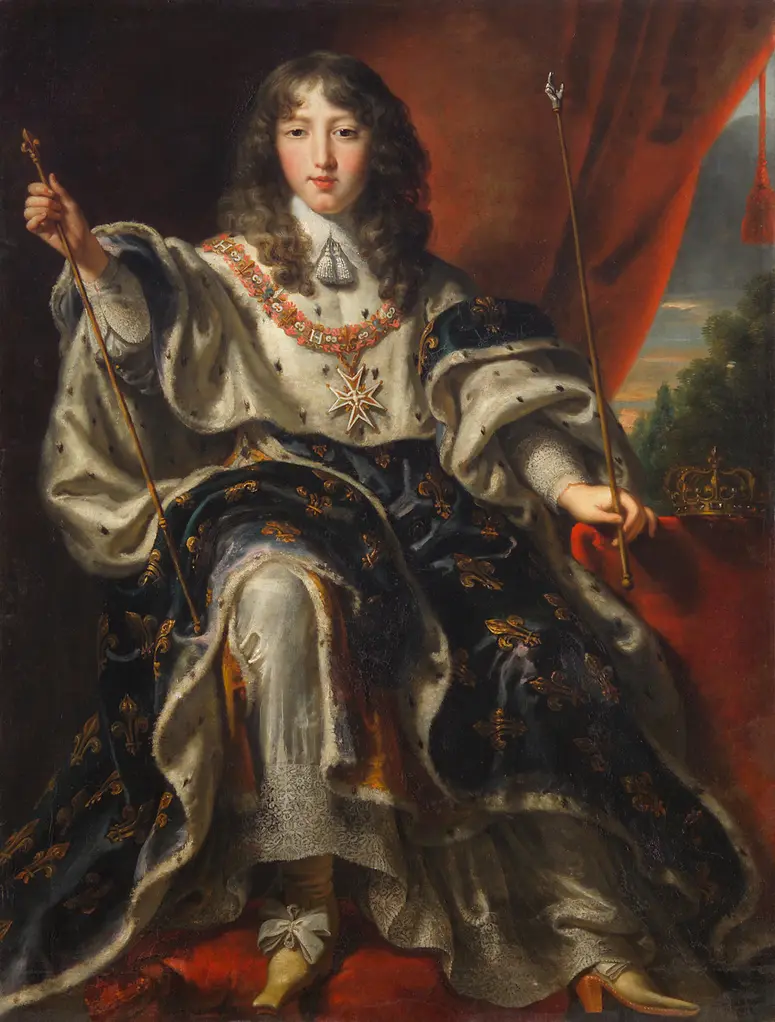

Erzherzog Leopold Wilhelm (1614-1662) J. Löwy, K. und K. Hof-Photograph, Kunst- und Verlagsanstalt (Wien) 1888 bis 1891
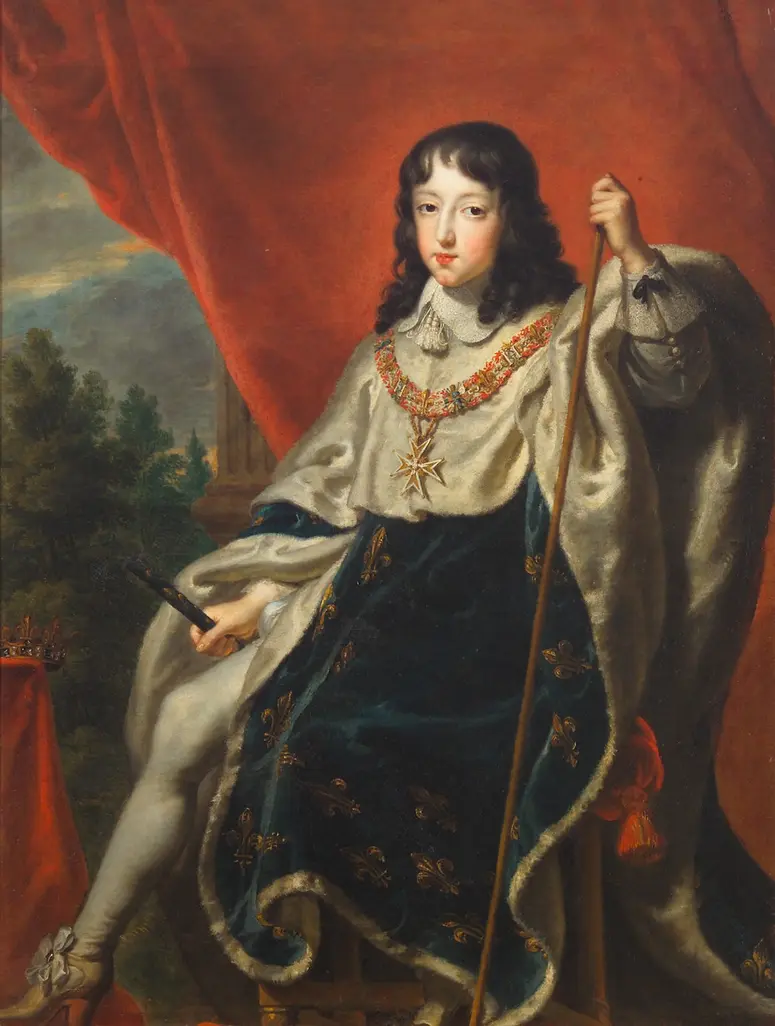
Herzog Philippe von Orleans (1640-1701) Justus van Egmont um 1651/1654
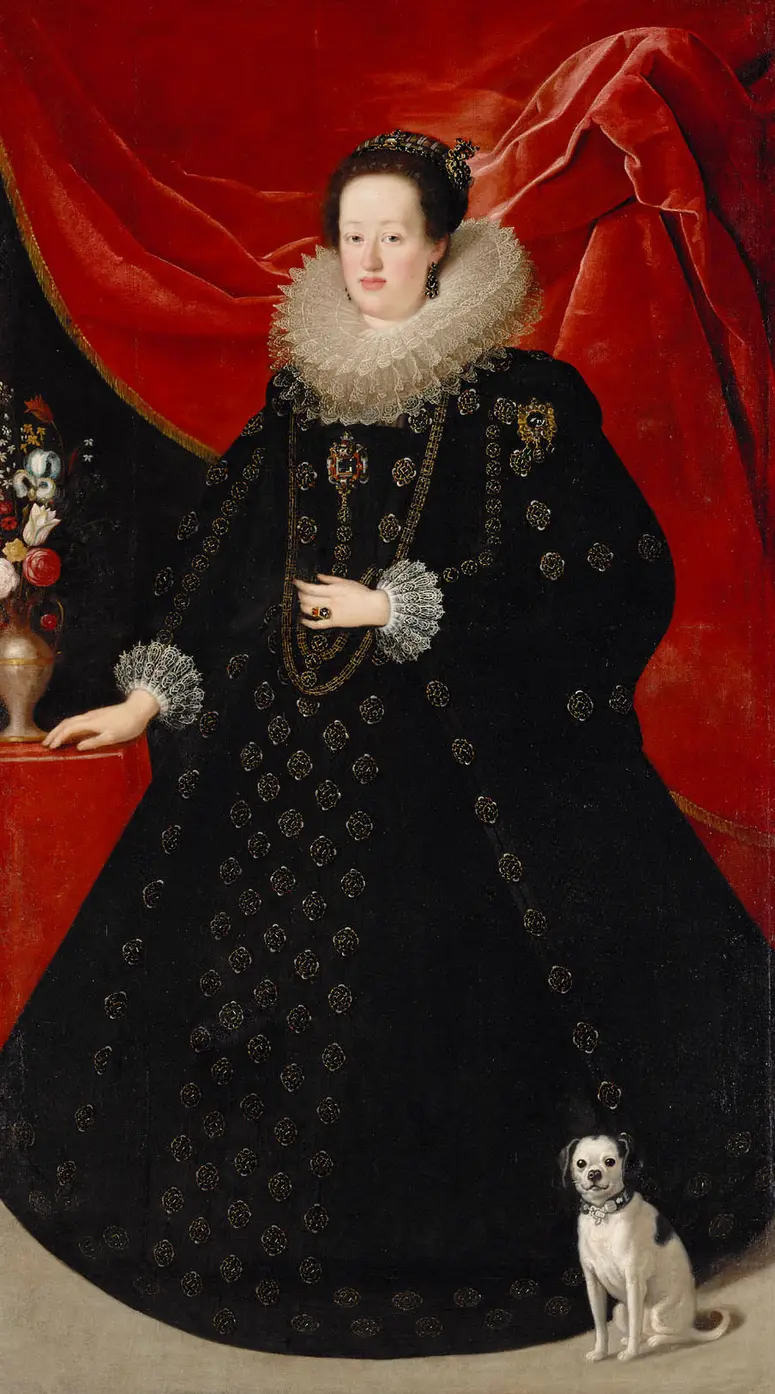
Eleonore von Gonzaga (1598-1655), Kaiserin in schwarzem Kleid Justus Sustermans 1623/1624
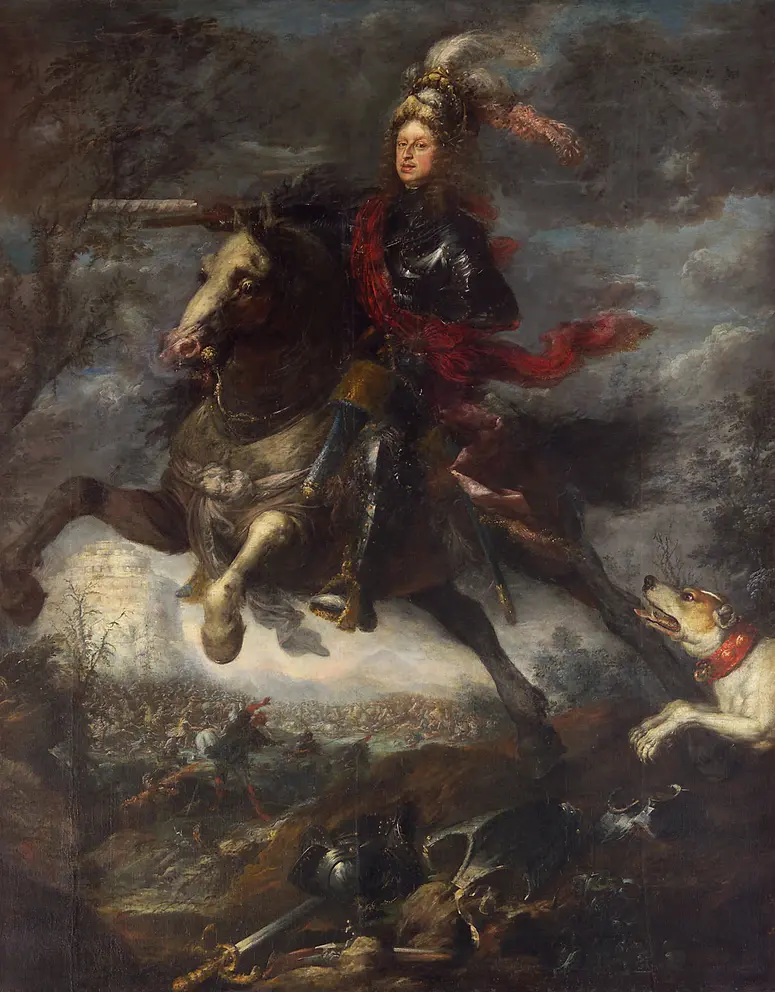
Erzherzog Ferdinand Karl von Tirol (1628-1662) zu Pferd Francesco Montelatici, gen. Cecco Bravo 2. Drittel 17. Jahrhundert
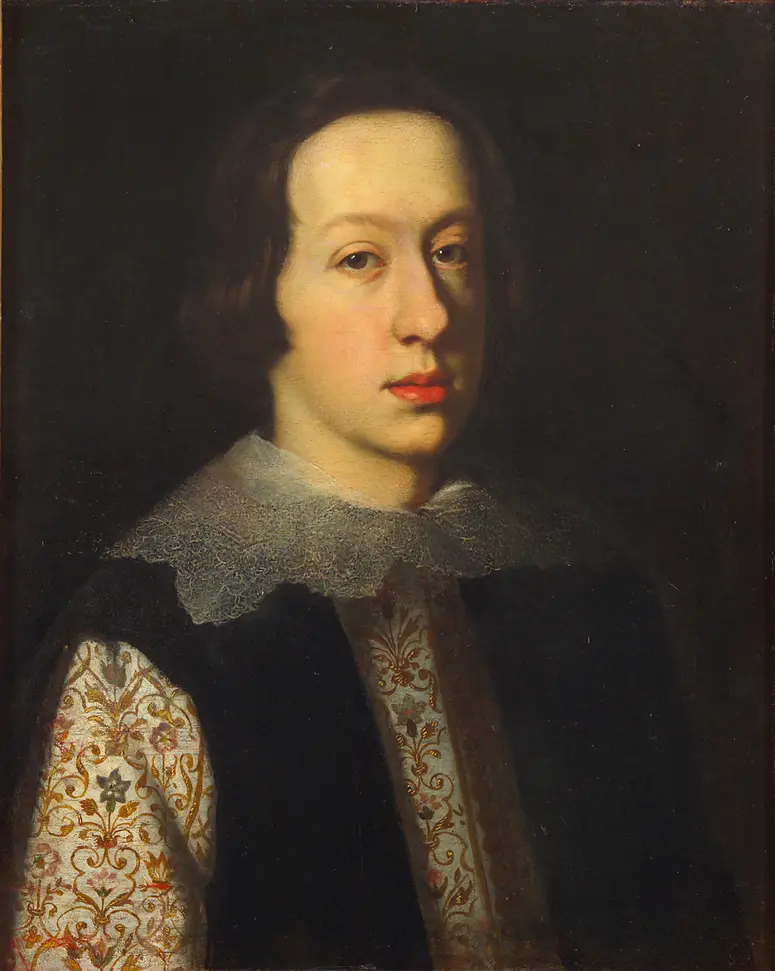
Mattias de' Medici (1613-1667), Brustbild Justus Sustermans um 1626/1628
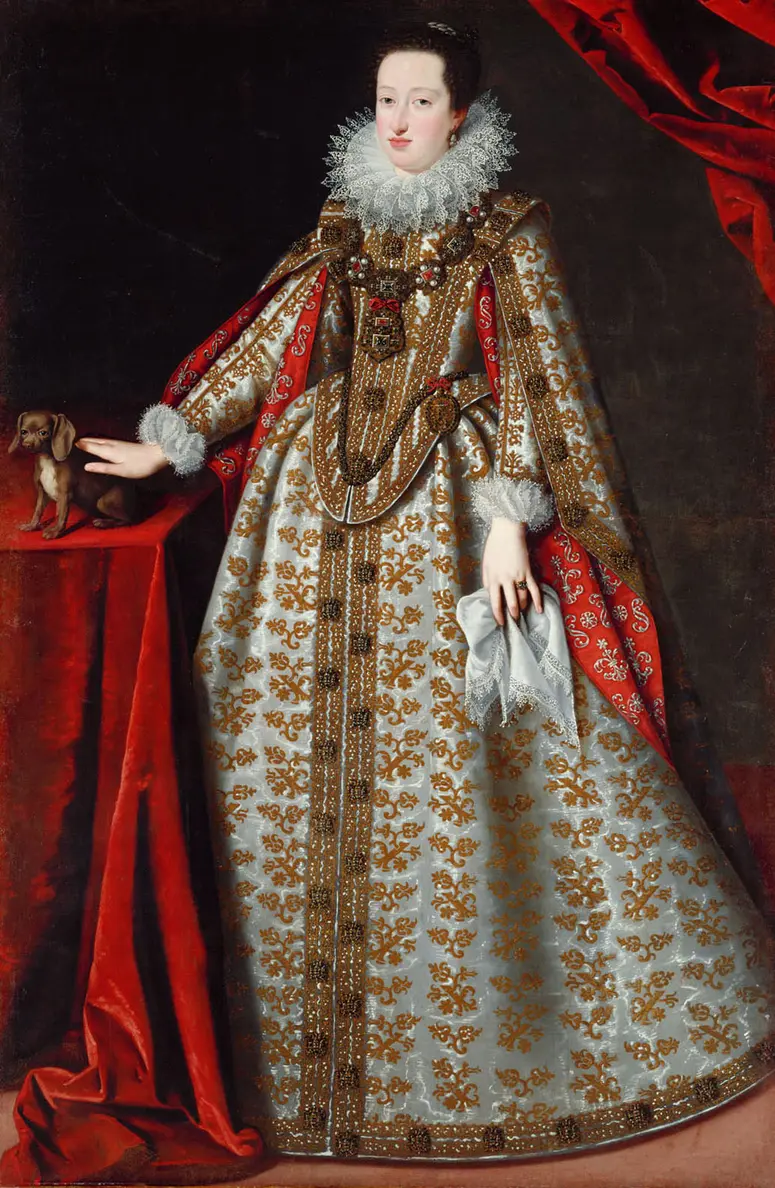
Eleonore von Gonzaga (1598-1655), 2. Gemahlin von Ferdinand II., im Brautkleid Justus Sustermans 1621 dokumentiert (Baldinucci)
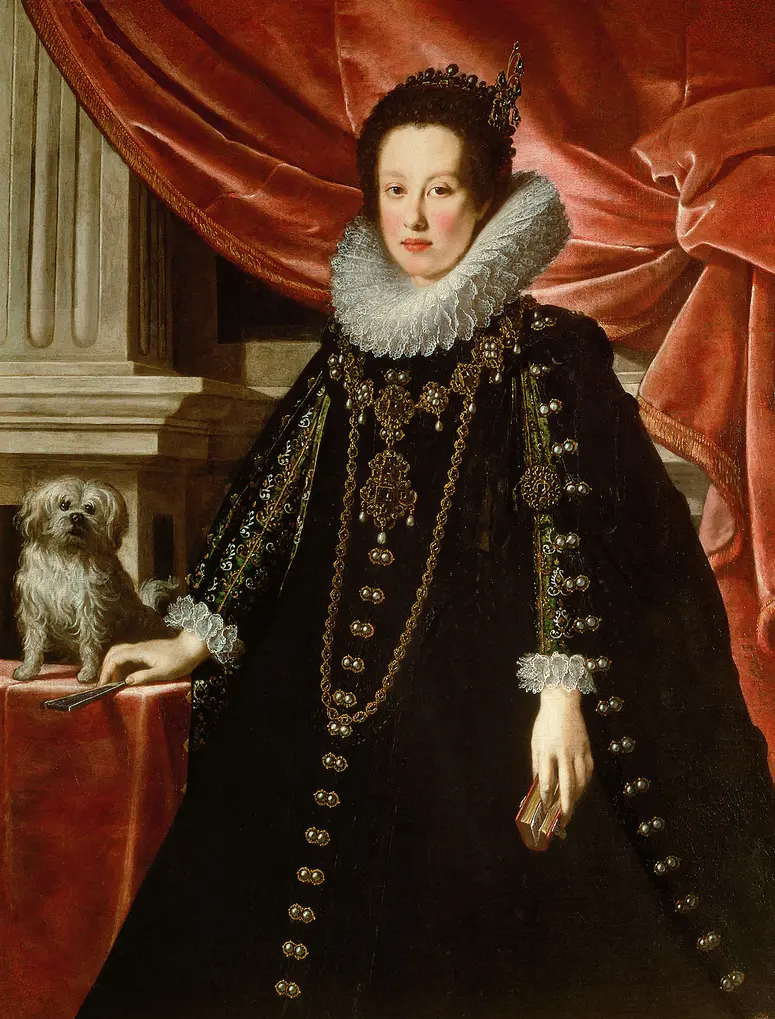
Anna de' Medici (1616-1676), Erzherzogin, mit einem Schoßhündchen, Dreiviertelporträt Justus Sustermans um 1630
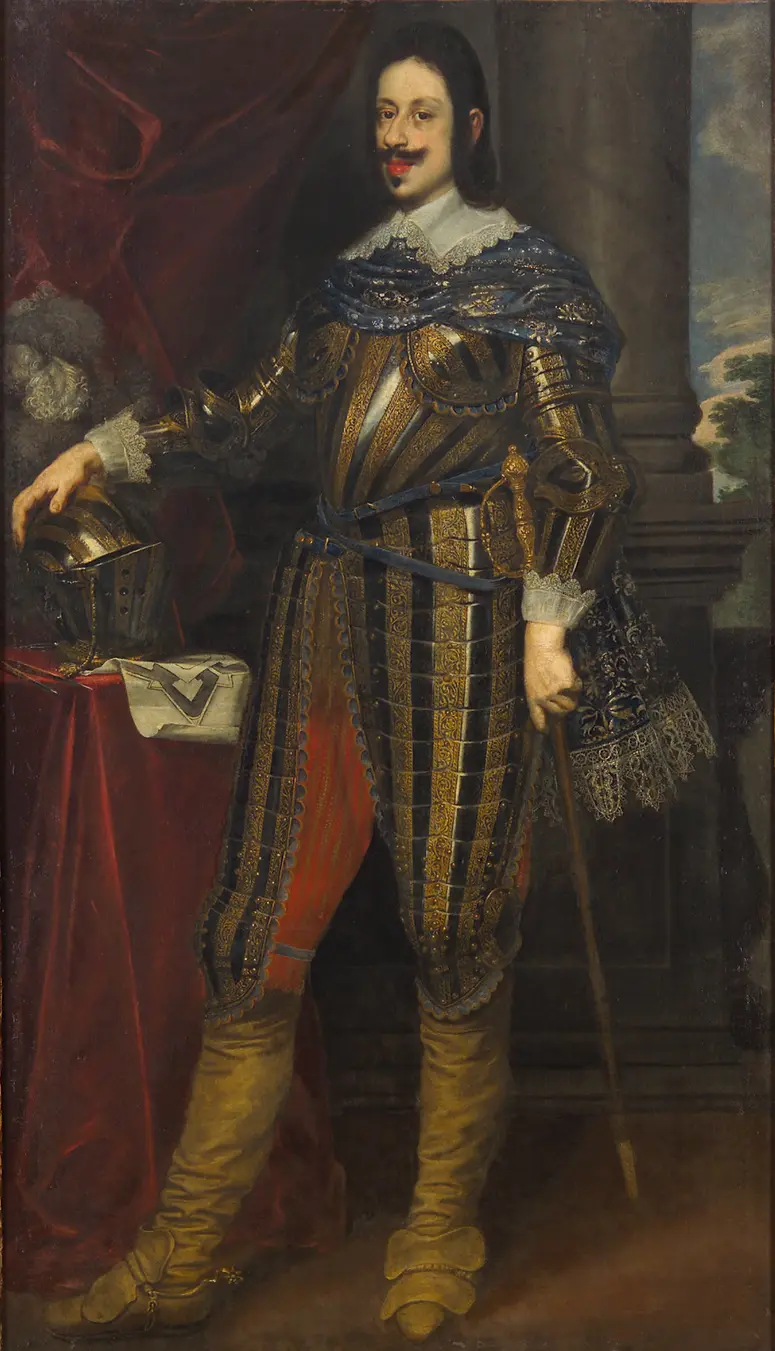
Großherzog Ferdinando II. von Toskana (1610-1670) im Harnisch Justus Sustermans 40er Jahre 17. Jahrhundert
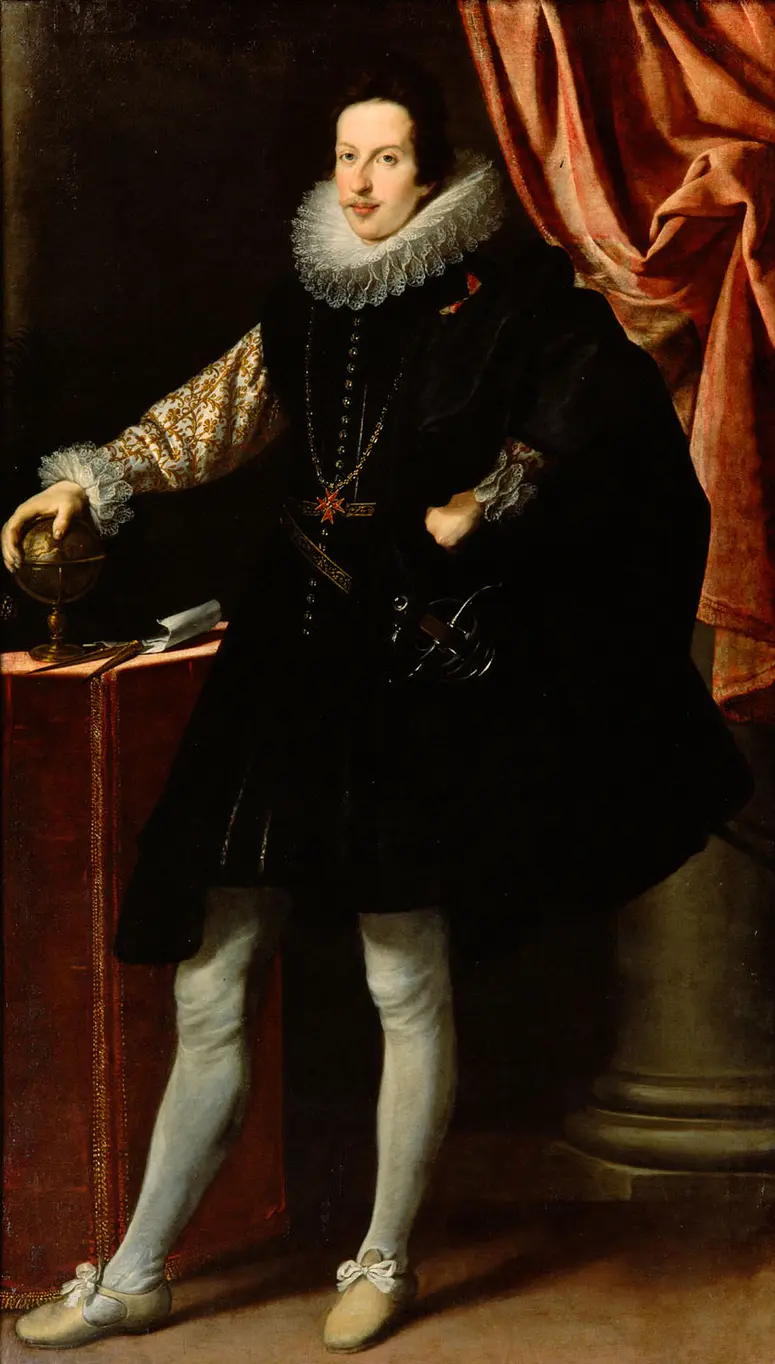
Großherzog Cosimo II. (1590-1621) von Toskana Justus Sustermans nach 1625
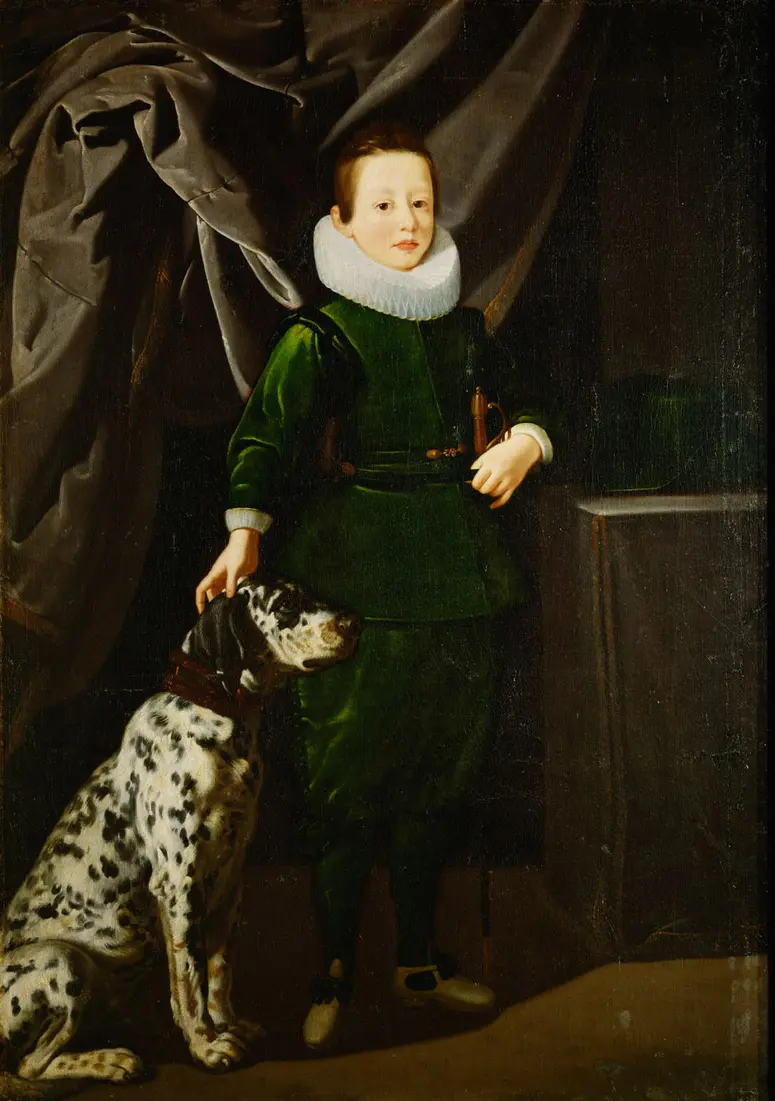
Francesco de' Medici (1614-1634) Francesco Buonavita um 1625
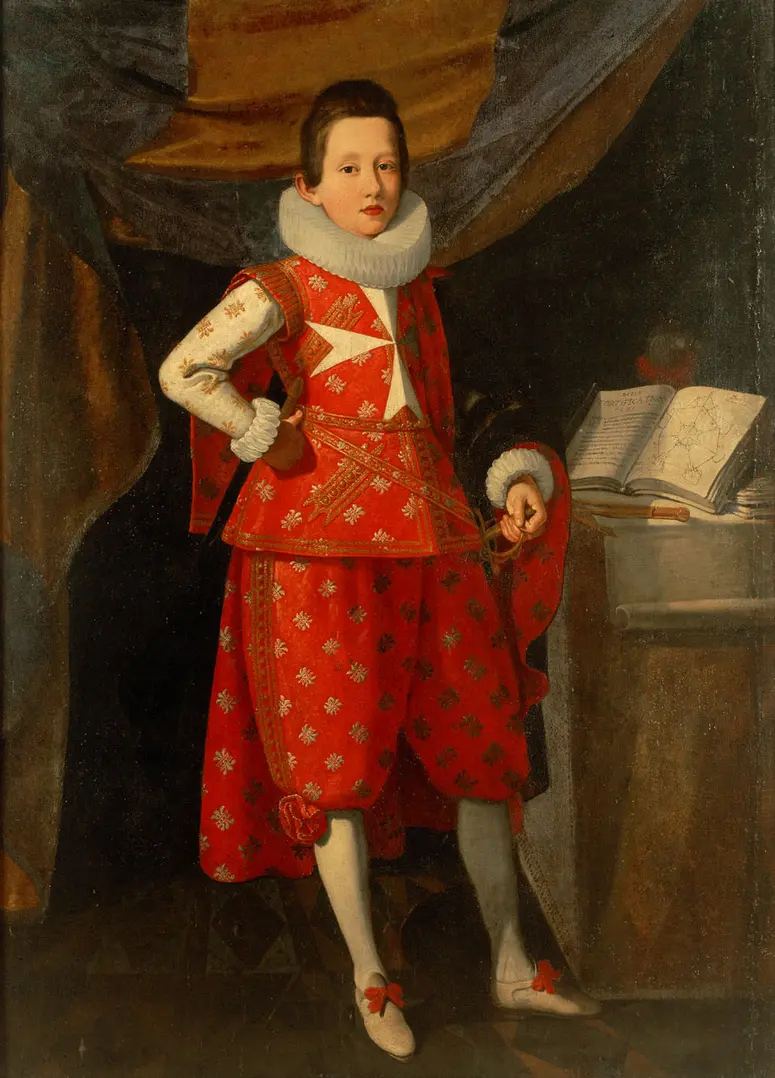
Giovan Carlo de' Medici (1611-1663), Kardinal, im Alter von zehn Jahren Francesco Buonavita um 1622/1624
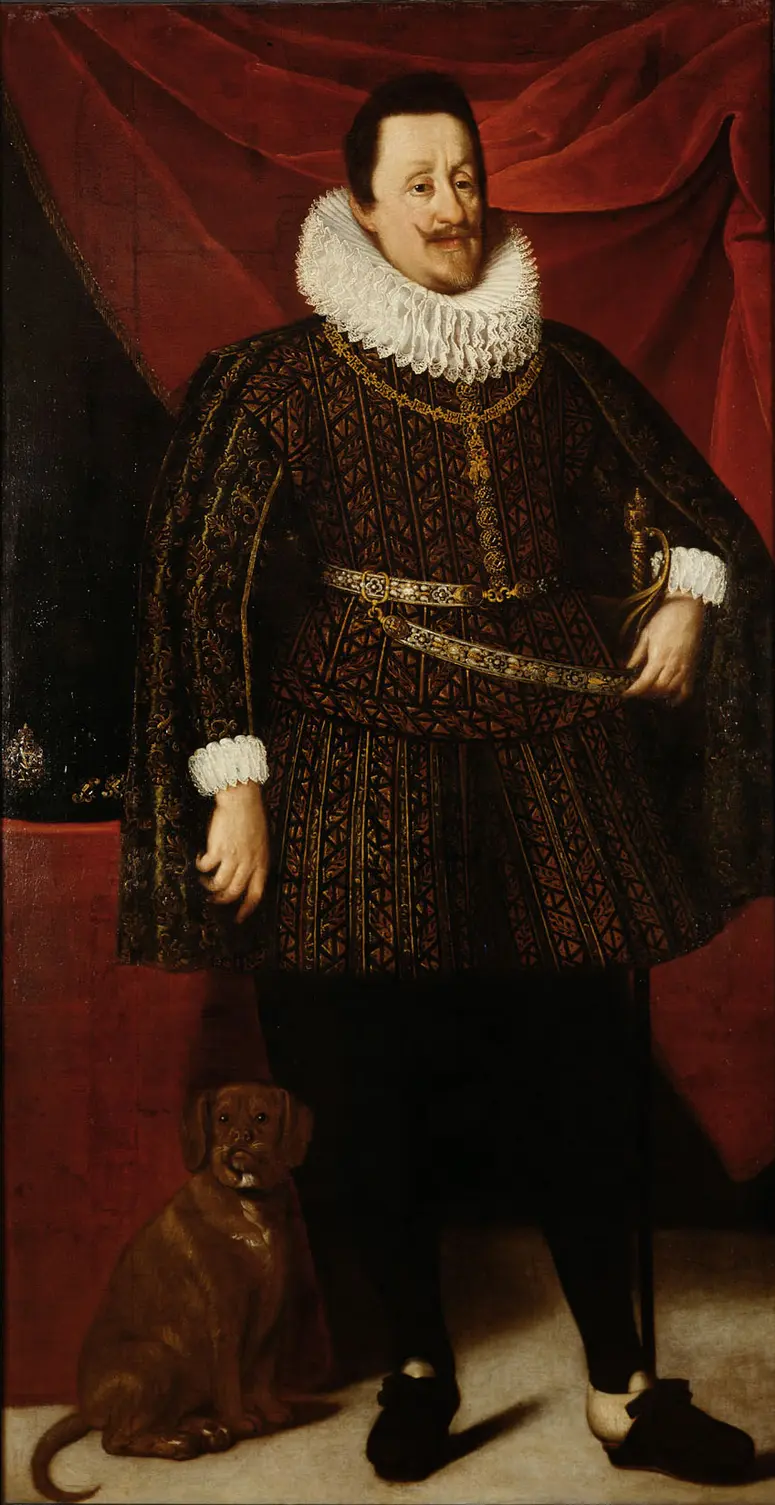
Kaiser Ferdinand II. (1578-1637) in ganzer Figur Justus Sustermans um 1623/1624
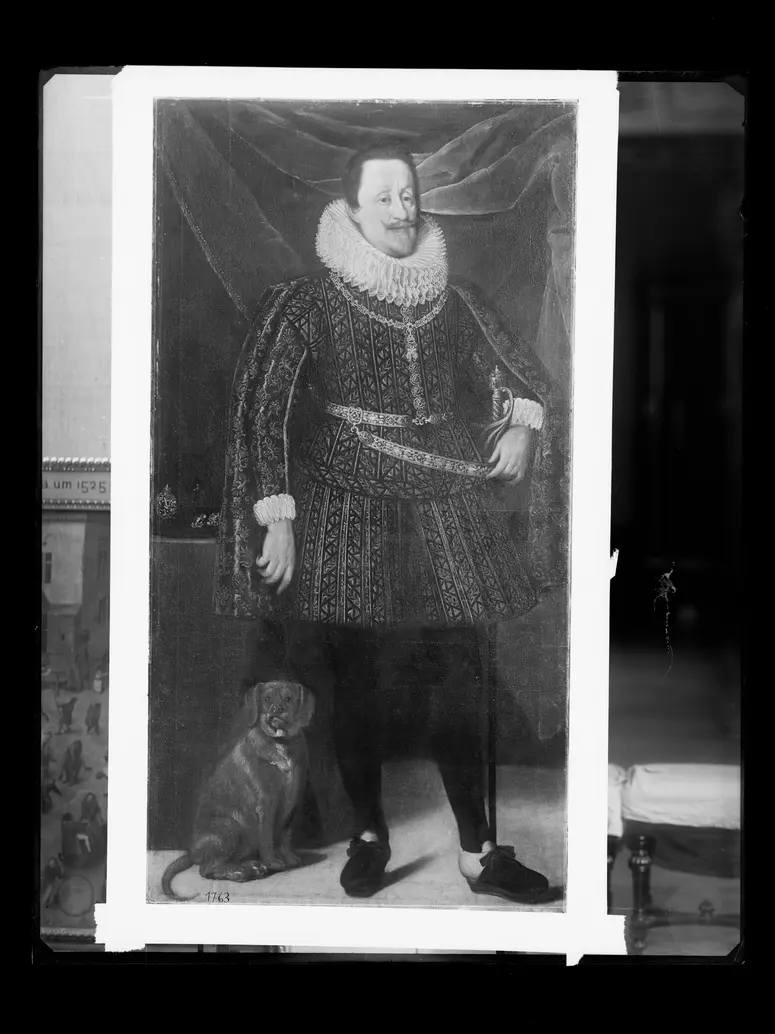
Kaiser Ferdinand II. (1578-1637) in ganzer Figur J. Löwy, K. und K. Hof-Photograph, Kunst- und Verlagsanstalt (Wien) 1888 bis 1891
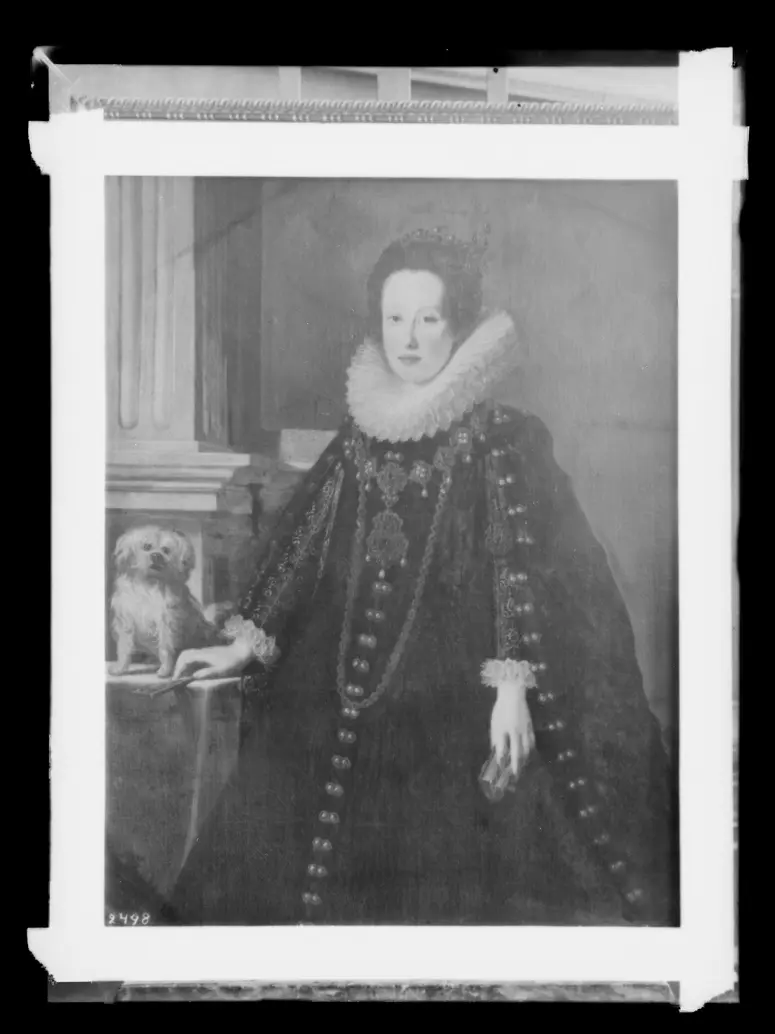
Anna de' Medici (1616-1676), Erzherzogin, mit einem Schoßhündchen, Dreiviertelporträt J. Löwy, K. und K. Hof-Photograph, Kunst- und Verlagsanstalt (Wien) 1888 bis 1891
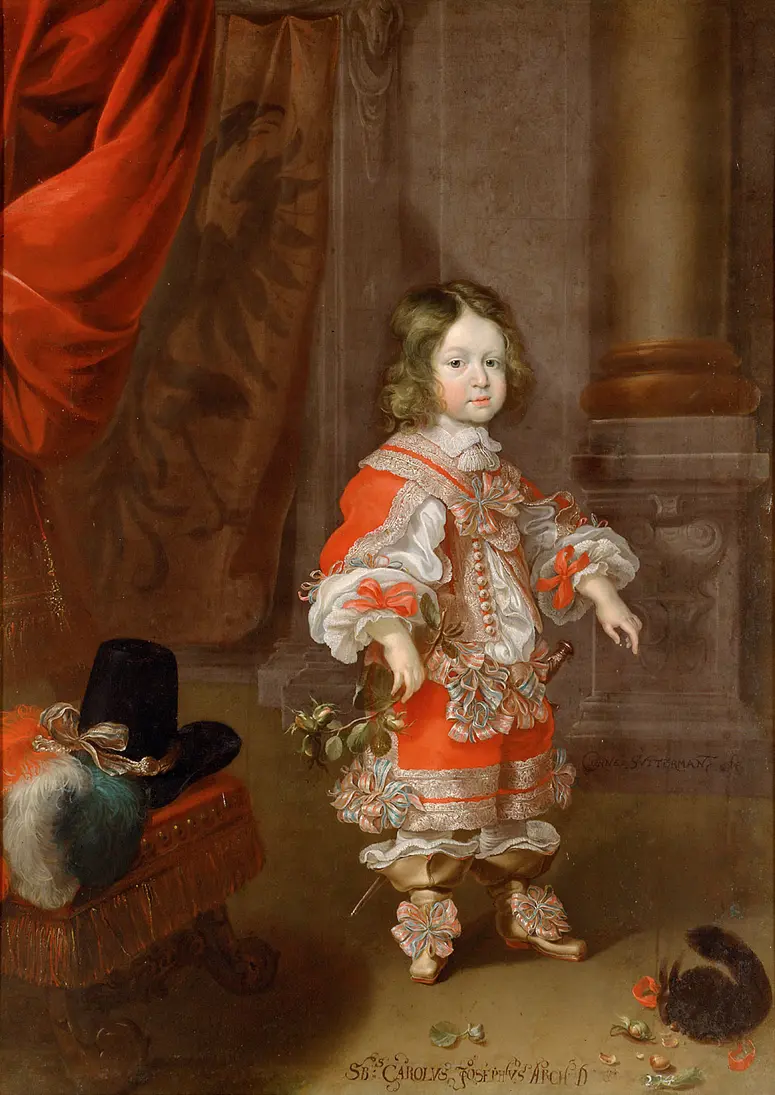
Erzherzog Karl Joseph (1649-1664) mit Eichhörnchen, im Alter von vier bis fünf Jahren Cornelis Sustermans um 1653/1654
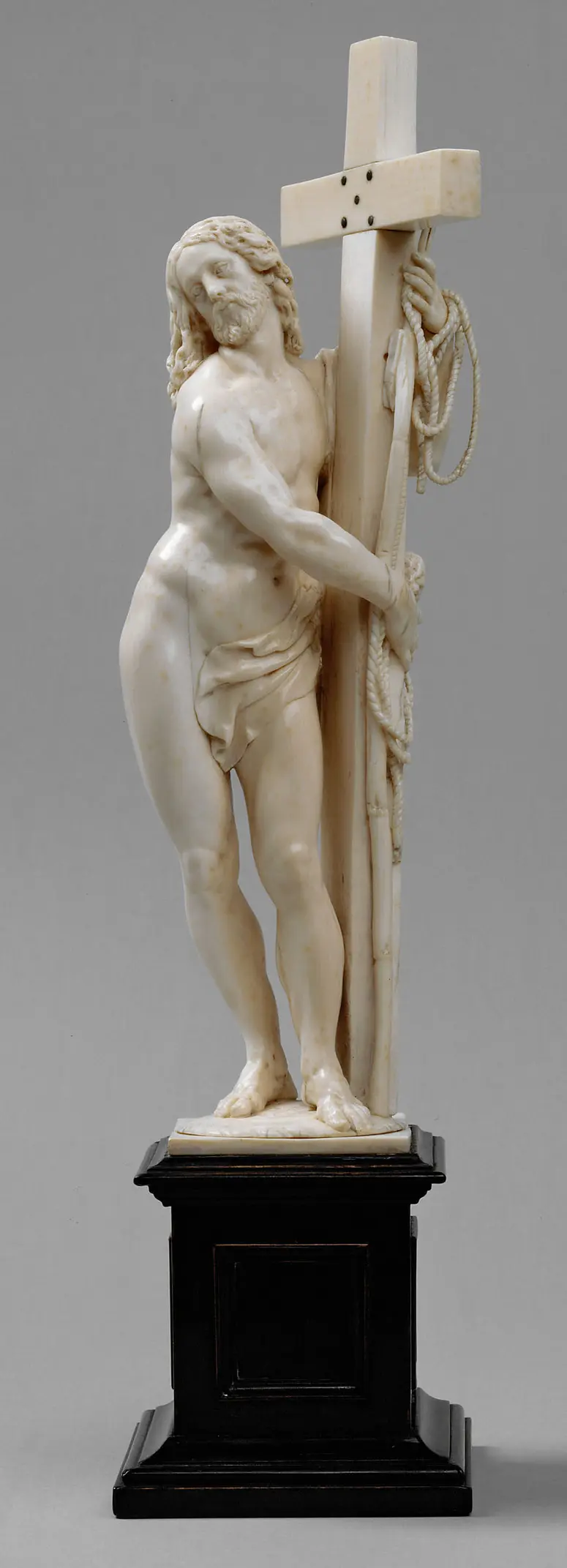
Auferstandener Christus (nach Michelangelo) Justus Glesker um 1635/40 (?)