Witches’ Kitchen
about 1610 | Frans II. Francken
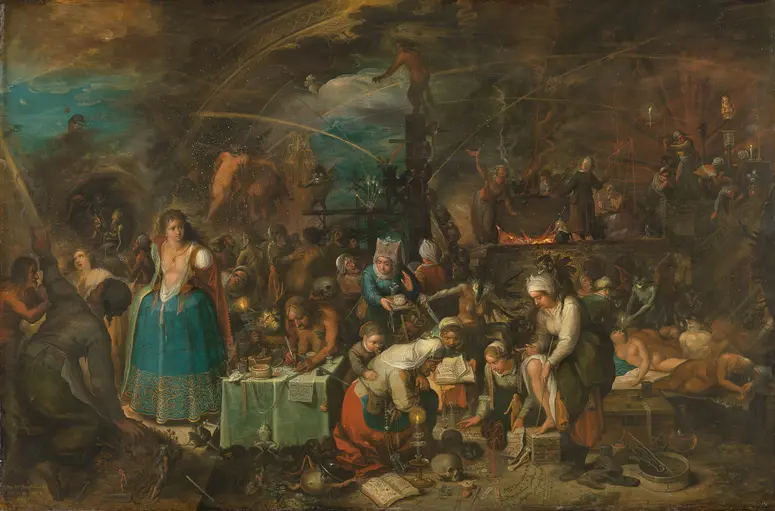
A Witches’ Sabbath is being prepared: On the left a flyingointment is being concocted together with demons, which an old woman is applying to the back of an already naked woman on the right. Beside her two middle-class women are undressing to be next in line. In the early seventeenth century, a time when witch-hunting was legal in Europe, this subject was repeatedly depicted in Flemish art. It reflects misogynist attitudes and male fears. A word written in the magical circle on the floor in the foreground on the right: it is what these women were accused: “tuverye” (witchcraft).
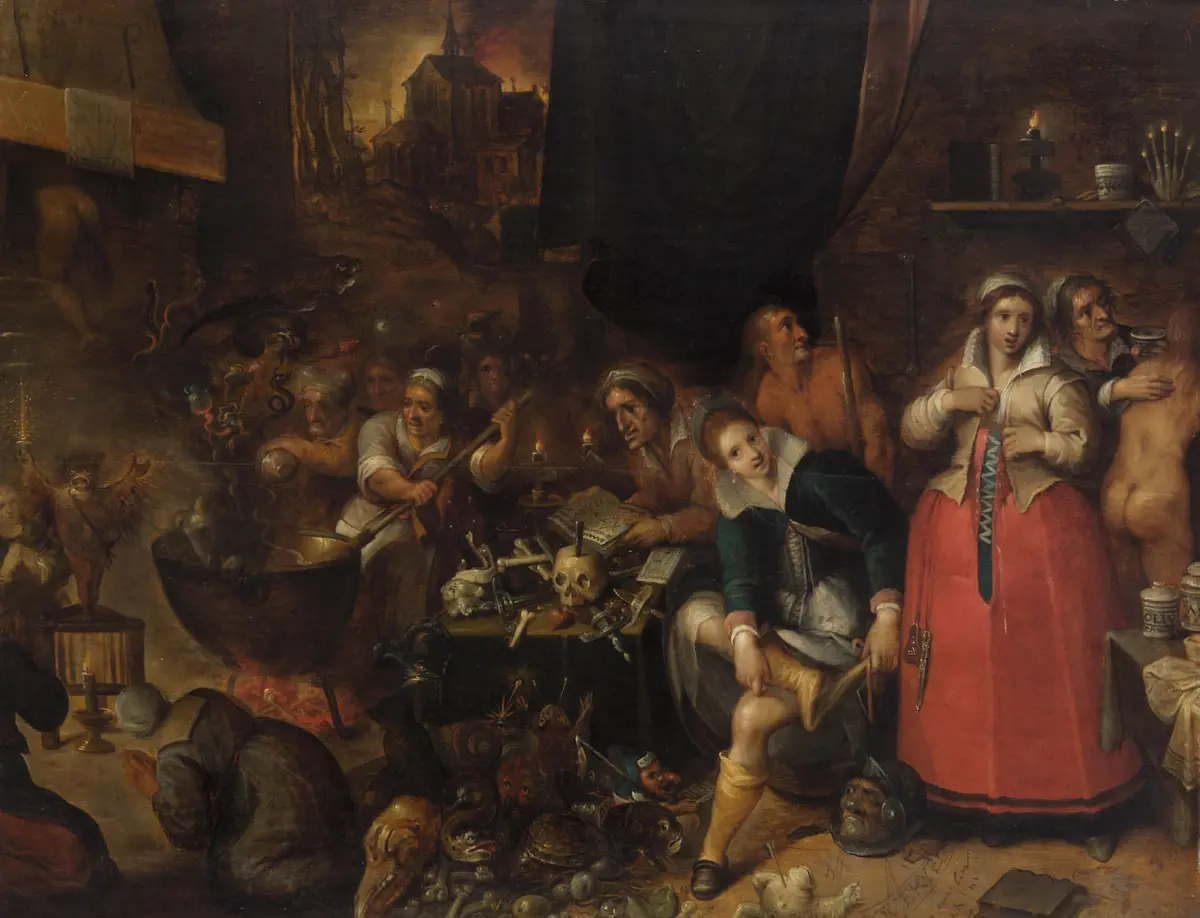
A Witches’ Sabbath is being prepared: On the left a flyingointment is being concocted together with demons, which an old woman is applying to the back of an already naked woman on the right. Beside her two middle-class women are undressing to be next in line. In the early seventeenth century, a time when witch-hunting was legal in Europe, this subject was repeatedly depicted in Flemish art. It reflects misogynist attitudes and male fears. A word written in the magical circle on the floor in the foreground on the right: it is what these women were accused: “tuverye” (witchcraft).
Artist:
Frans II. Francken (1581 - 1642 Antwerpen) DNB
Time:
about 1610
Object Name
Painting
Culture
Netherlandish; Flemish
Material/technology:
oak wood
Dimensions:
52 cm × 66,1 cm × 0,7 cm
Framed (gallery frame with inscriptions): 66,5 cm × 80,5 cm × 5 cm
Inscribed
rechts unten: toverye
Copyright
Kunsthistorisches Museum, Gemäldegalerie
Invs.
Gemäldegalerie, 1074
Provenance
1773 documented in the secular treasury;
Browse more
Similar items you might be interested in
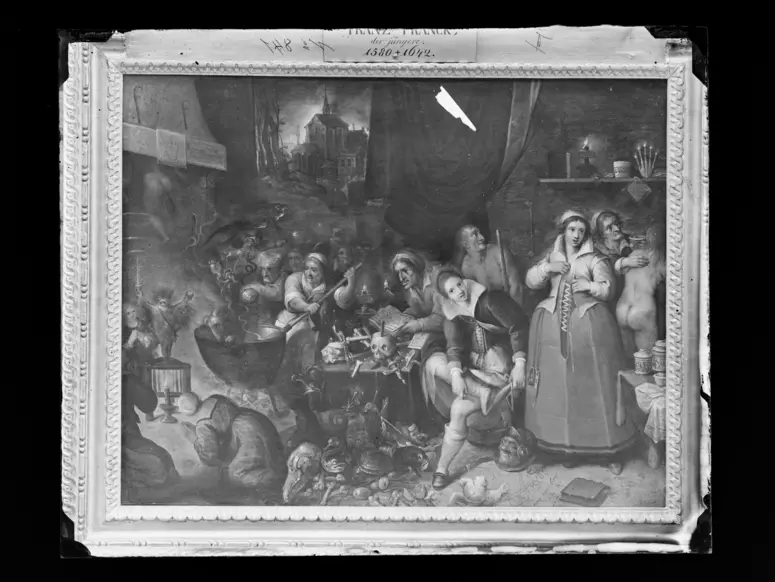
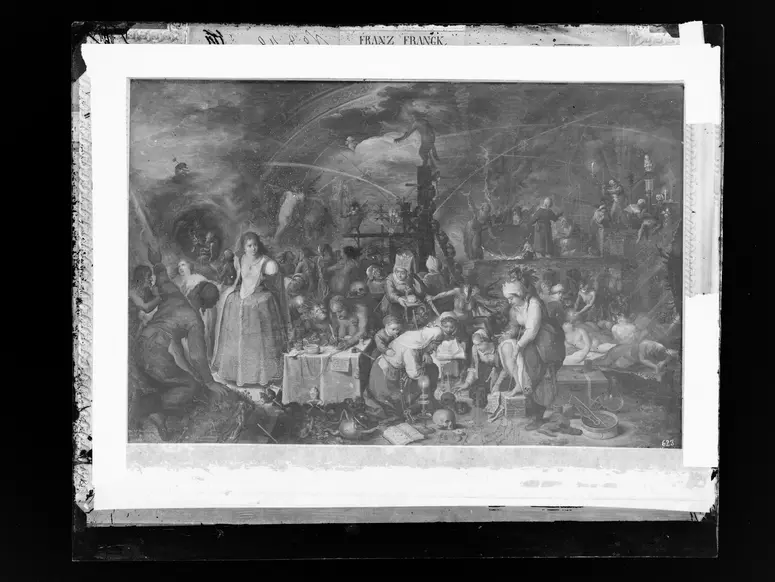
Hexenküche J. Löwy, K. und K. Hof-Photograph, Kunst- und Verlagsanstalt (Wien) 1888 bis 1891
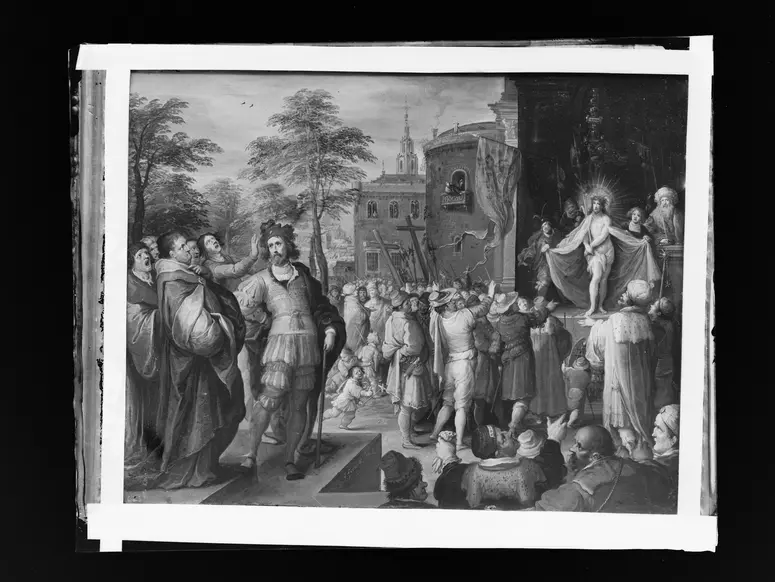
Ecce Homo J. Löwy, K. und K. Hof-Photograph, Kunst- und Verlagsanstalt (Wien) 1888 bis 1891
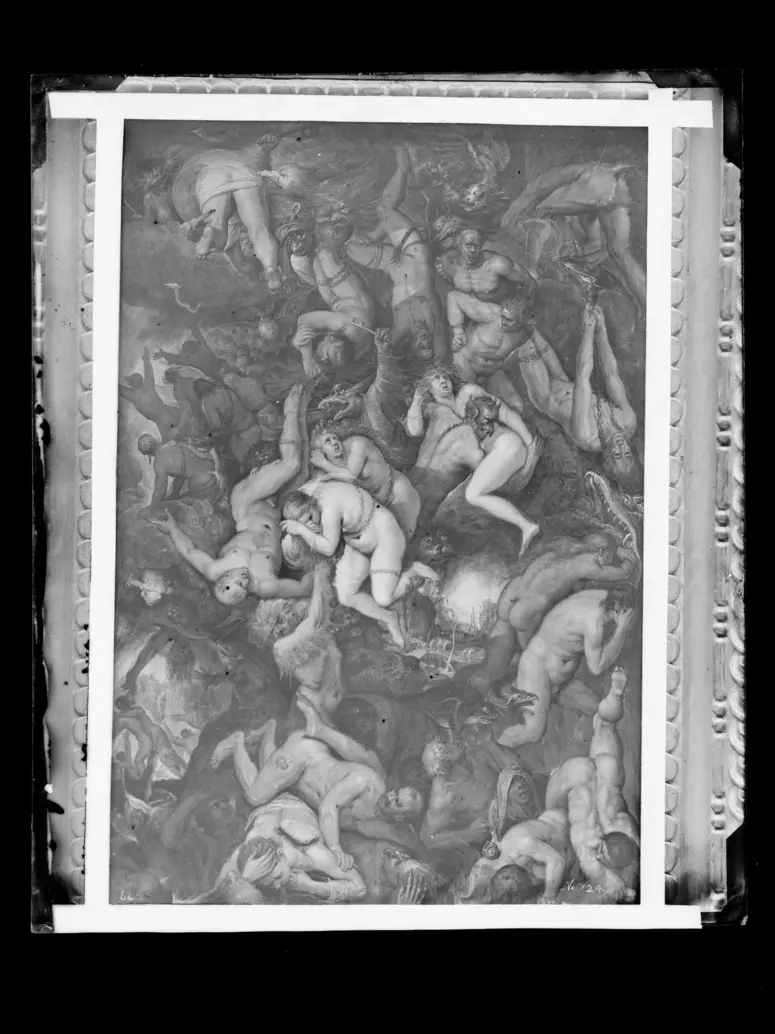
Höllensturz der Verdammten J. Löwy, K. und K. Hof-Photograph, Kunst- und Verlagsanstalt (Wien) 1888 bis 1891
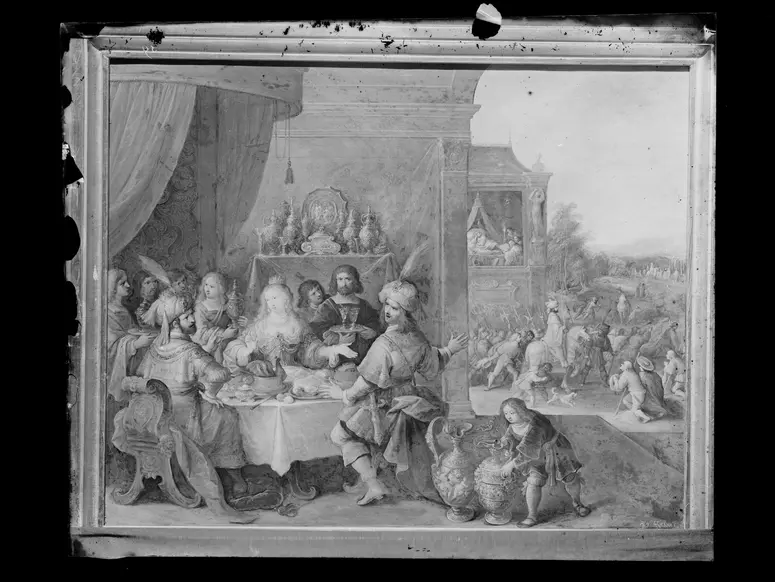
Gastmahl der Esther J. Löwy, K. und K. Hof-Photograph, Kunst- und Verlagsanstalt (Wien) 1888 bis 1910
Hexenversammlung J. Löwy, K. und K. Hof-Photograph, Kunst- und Verlagsanstalt (Wien) 1888 bis 1891
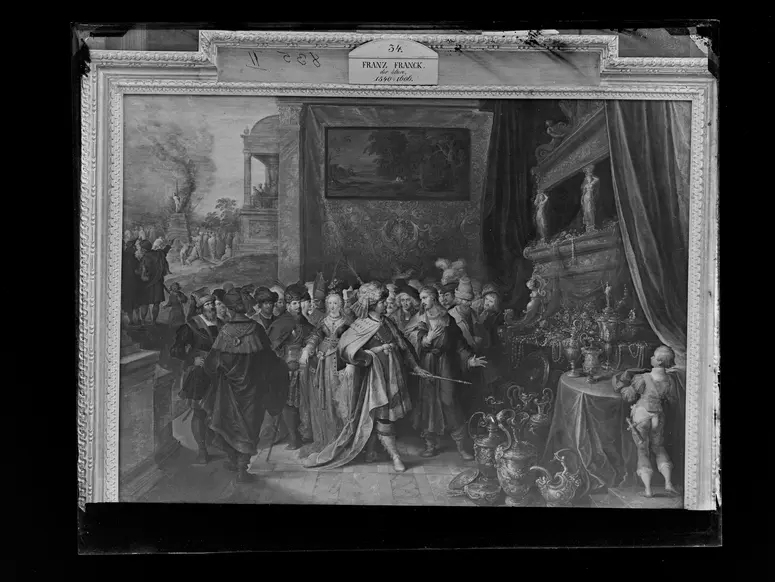
Krösus zeigt Solon seine Schätze (Im Hintergrund Krösus auf dem Scheiterhaufen) J. Löwy, K. und K. Hof-Photograph, Kunst- und Verlagsanstalt (Wien) 1888 bis 1891
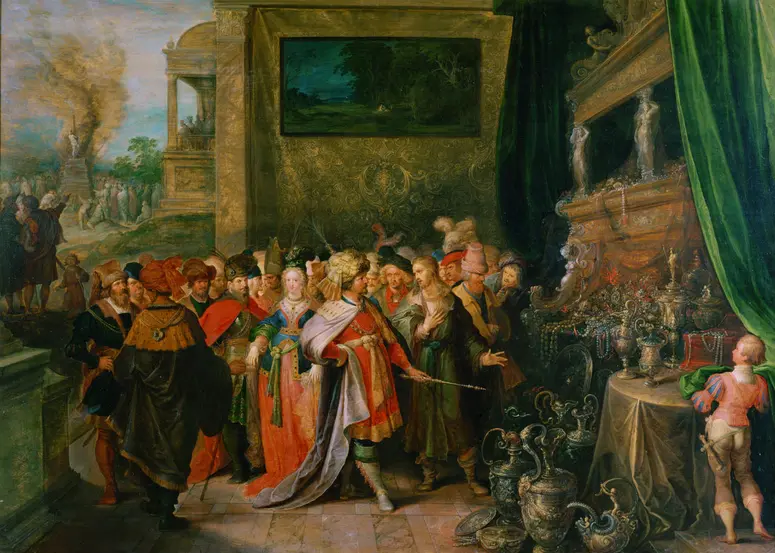
Krösus zeigt Solon seine Schätze (Im Hintergrund Krösus auf dem Scheiterhaufen) Frans II. Francken um 1620

Foto (Abzug): Frans Francken d. J., Allegorische Darstellung. Öl-Holz, 148 x 98 David Goldmann 1938-1939
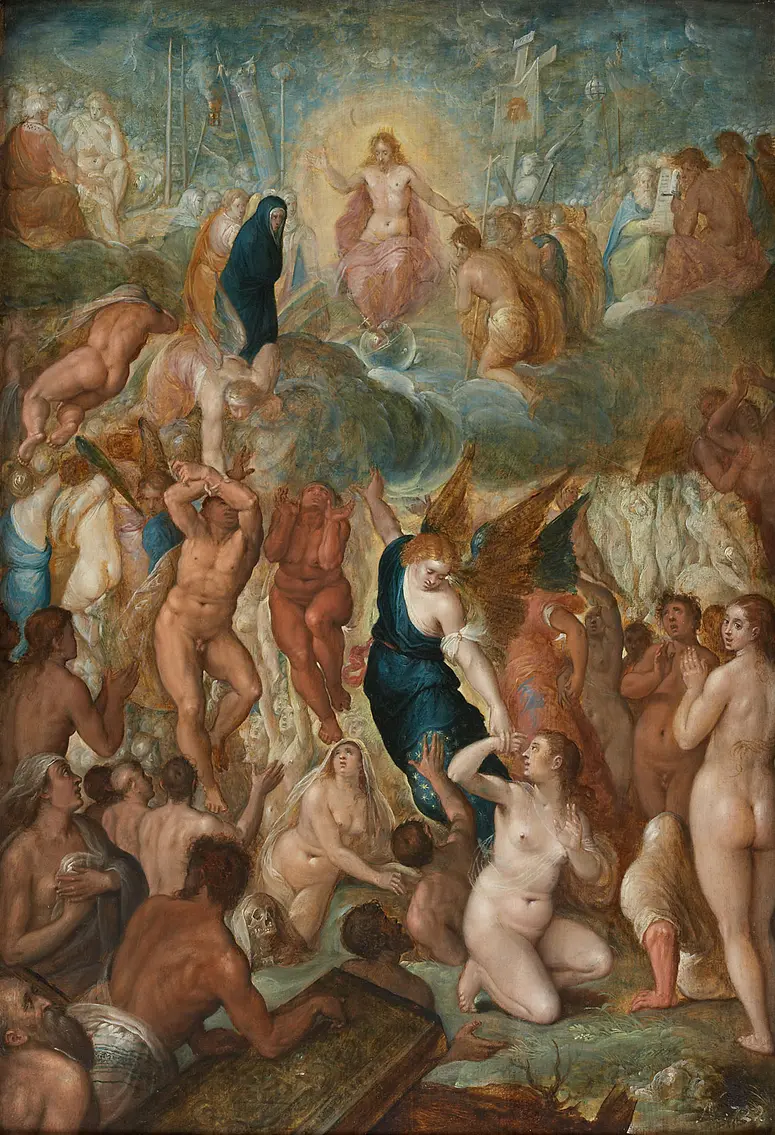
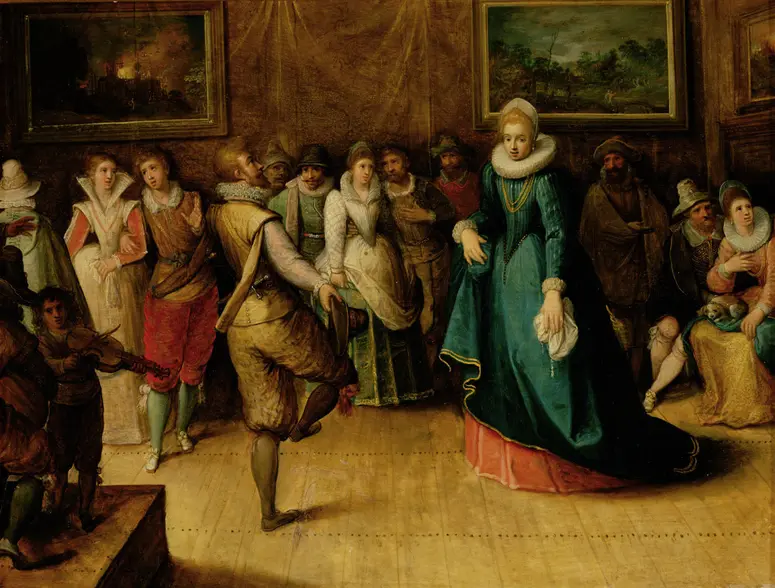
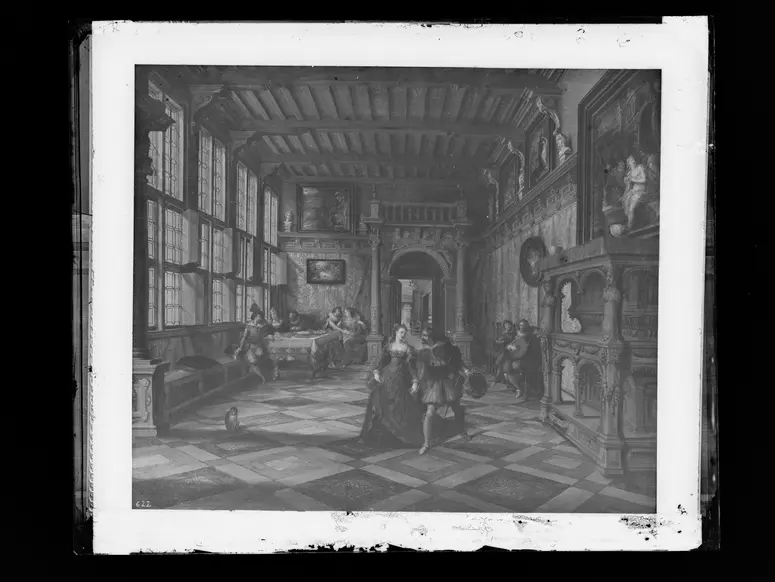
Gesellschaftsszene J. Löwy, K. und K. Hof-Photograph, Kunst- und Verlagsanstalt (Wien) 1888 bis 1891
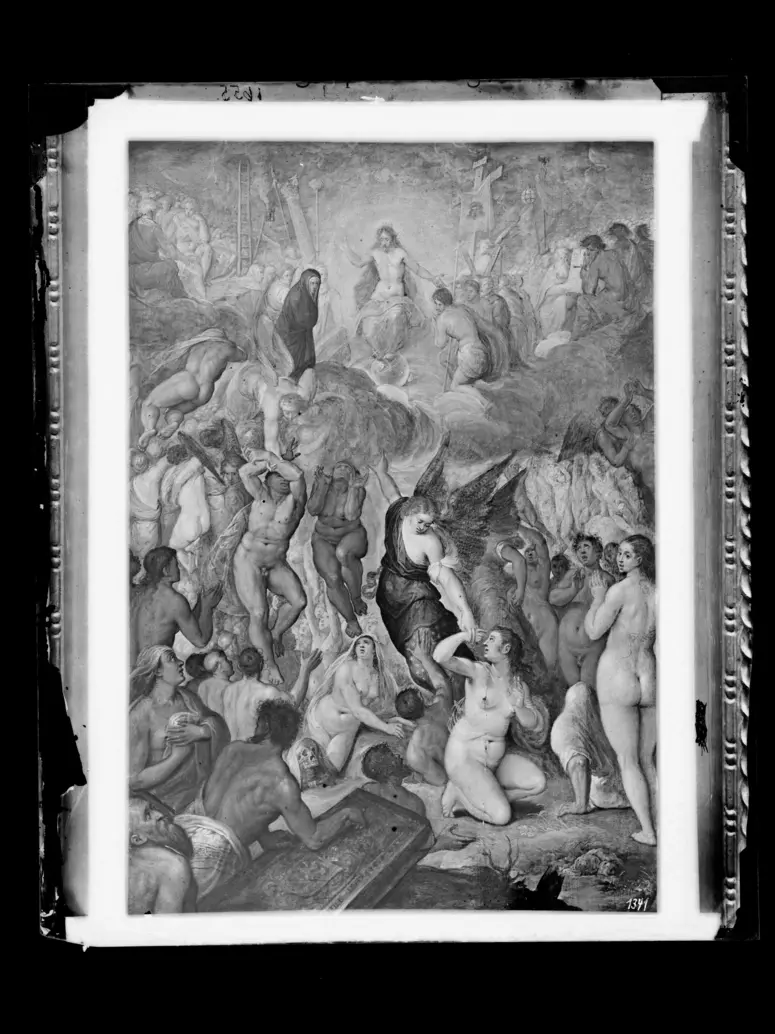
Jüngstes Gericht J. Löwy, K. und K. Hof-Photograph, Kunst- und Verlagsanstalt (Wien) 1888 bis 1891