The Last Judgment
The Romanist Floris was one of the most widely admired and highly paid painters of his time. In his search for new possibilities, the artist sought to give his Last Judgment a psychological dimension by using “close-ups” of the damned to underline the horror of the scene. On the stone base is a Latin inscription (from the Sixth Book of Solomon): “Then those who do justice will be justly judged, and those who are judged shall know themselves accountable.”
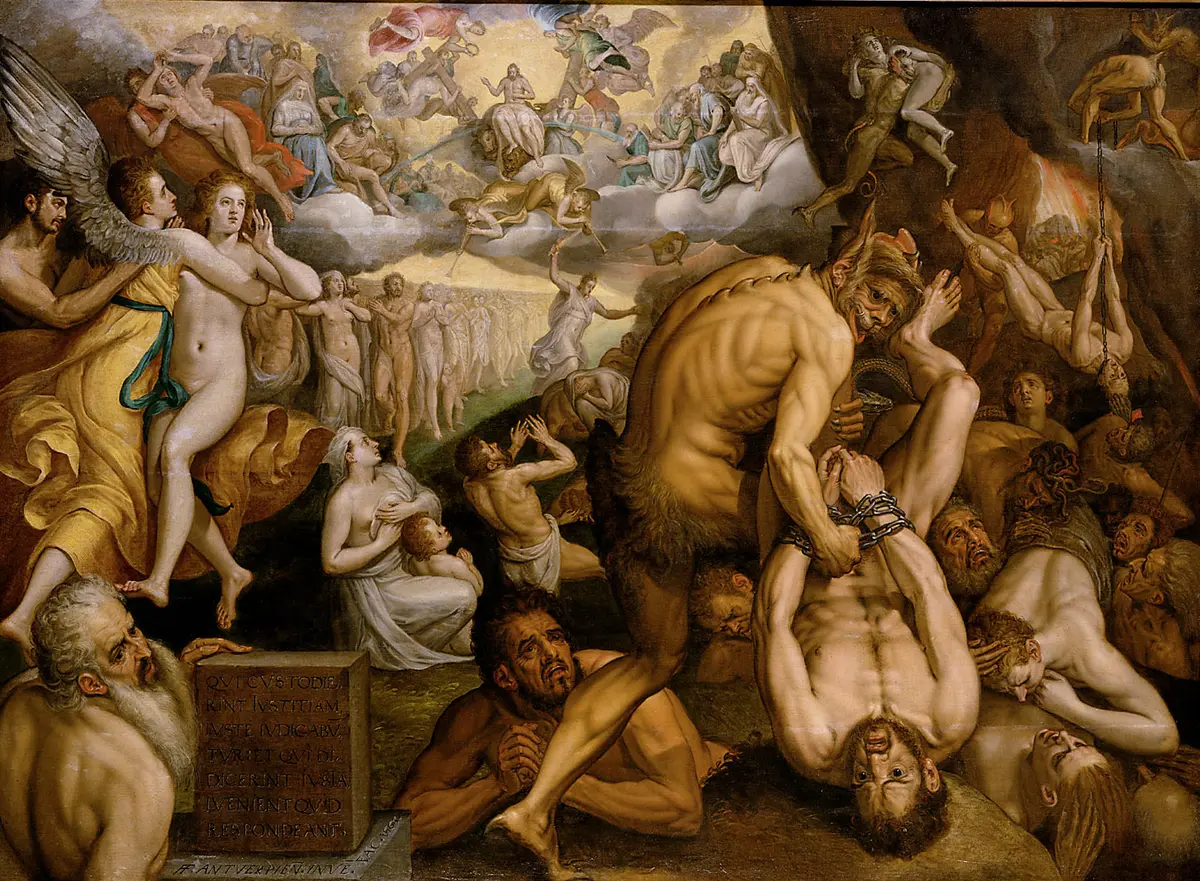
The Romanist Floris was one of the most widely admired and highly paid painters of his time. In his search for new possibilities, the artist sought to give his Last Judgment a psychological dimension by using “close-ups” of the damned to underline the horror of the scene. On the stone base is a Latin inscription (from the Sixth Book of Solomon): “Then those who do justice will be justly judged, and those who are judged shall know themselves accountable.”
Artist:
Frans de Vriendt, gen. Floris (1519/1520 - 1570 Antwerpen) DNB
Time:
1565
Object Name
Painting
Culture
Netherlandish
Material/technology:
Canvas
Dimensions:
162 cm × 220 cm
Framed: 190,5 cm × 247 cm × 8,5 cm
Signed
Inscribed at lower left on the stone base: FF. ANTVERPIEN. INVE. FAC. 1565
Inscribed
auf dem Quader die Inschrift: QVI CVSTODIE RINT IVSTITIAM. IVSTE IVDECABV. TVR. ET QVI DI. DICERINT IVSTA IVENIENT QVID RESPONDEANT. SAP. 6
Copyright
Kunsthistorisches Museum, Gemäldegalerie
Invs.
Gemäldegalerie, 3581
Provenance
1621 documented in Prague; Coll. Leopold Wilhelm
Browse more
Similar items you might be interested in
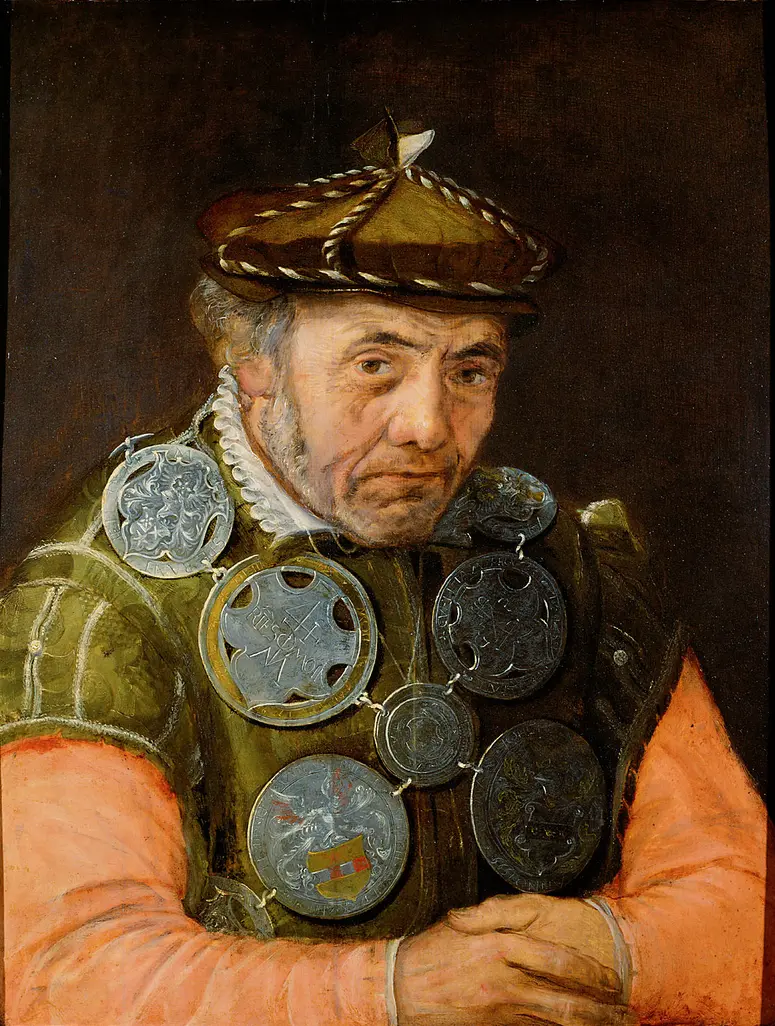
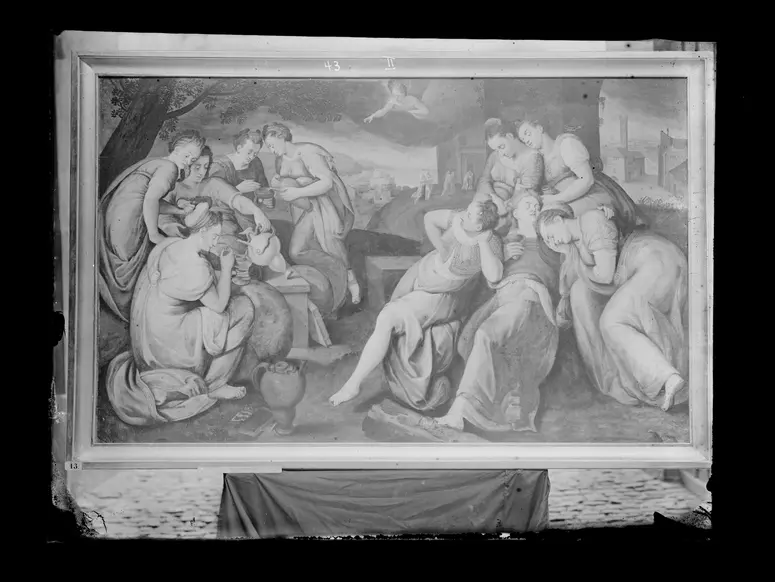
Die klugen und die törichten Jungfrauen J. Löwy, K. und K. Hof-Photograph, Kunst- und Verlagsanstalt (Wien) 1888 bis 1910
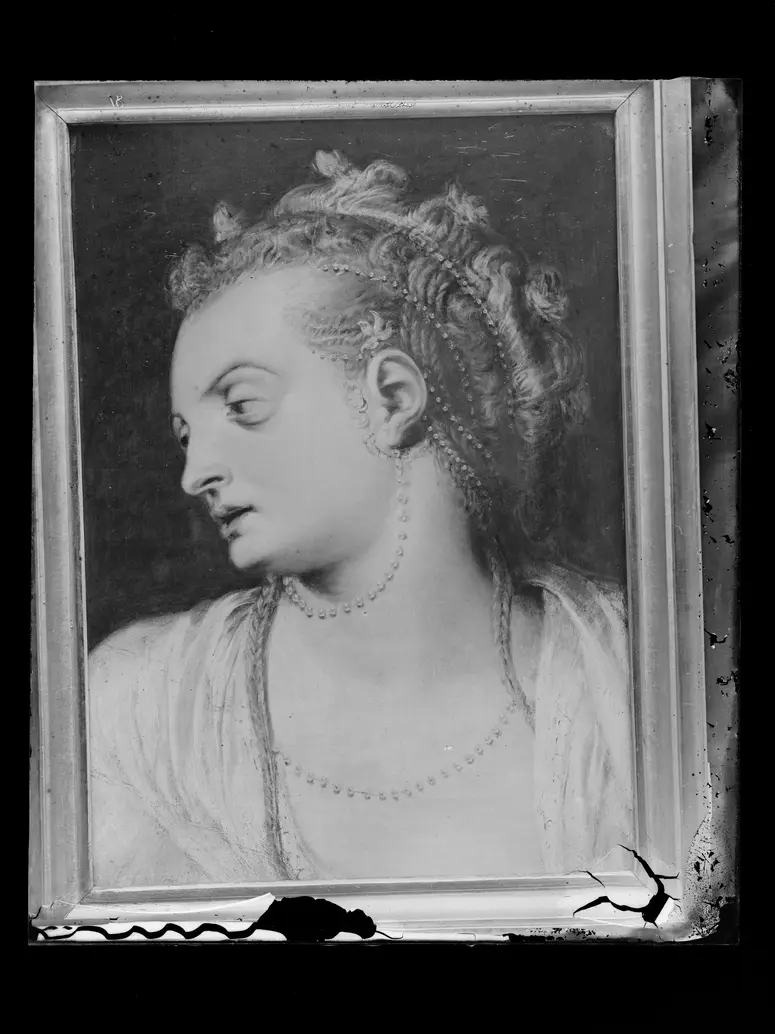
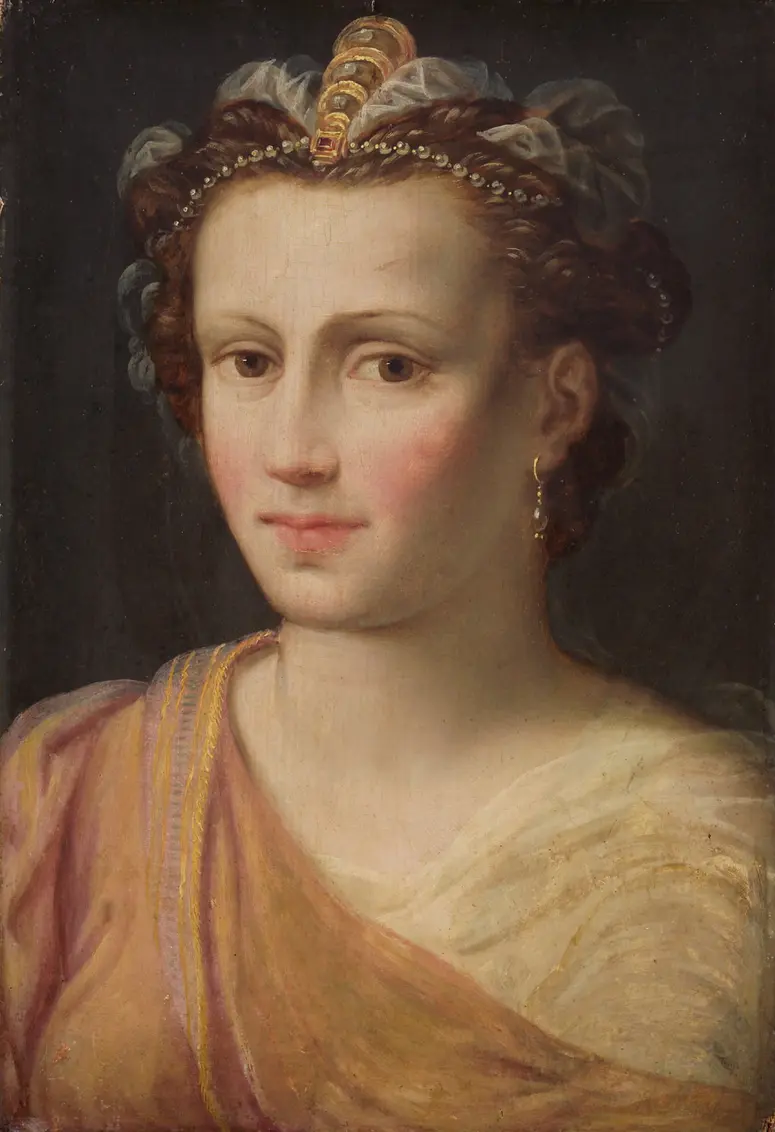
Weibliches Bildnis J. Löwy, K. und K. Hof-Photograph, Kunst- und Verlagsanstalt (Wien) 1888 bis 1910
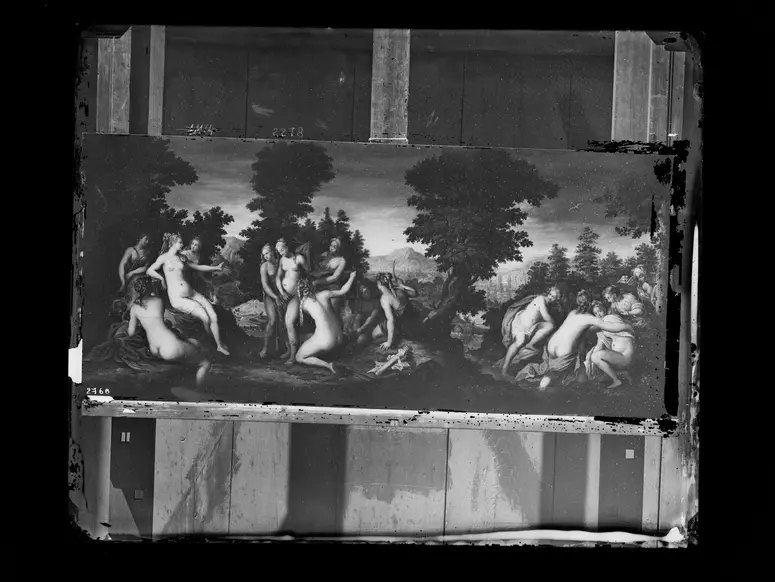
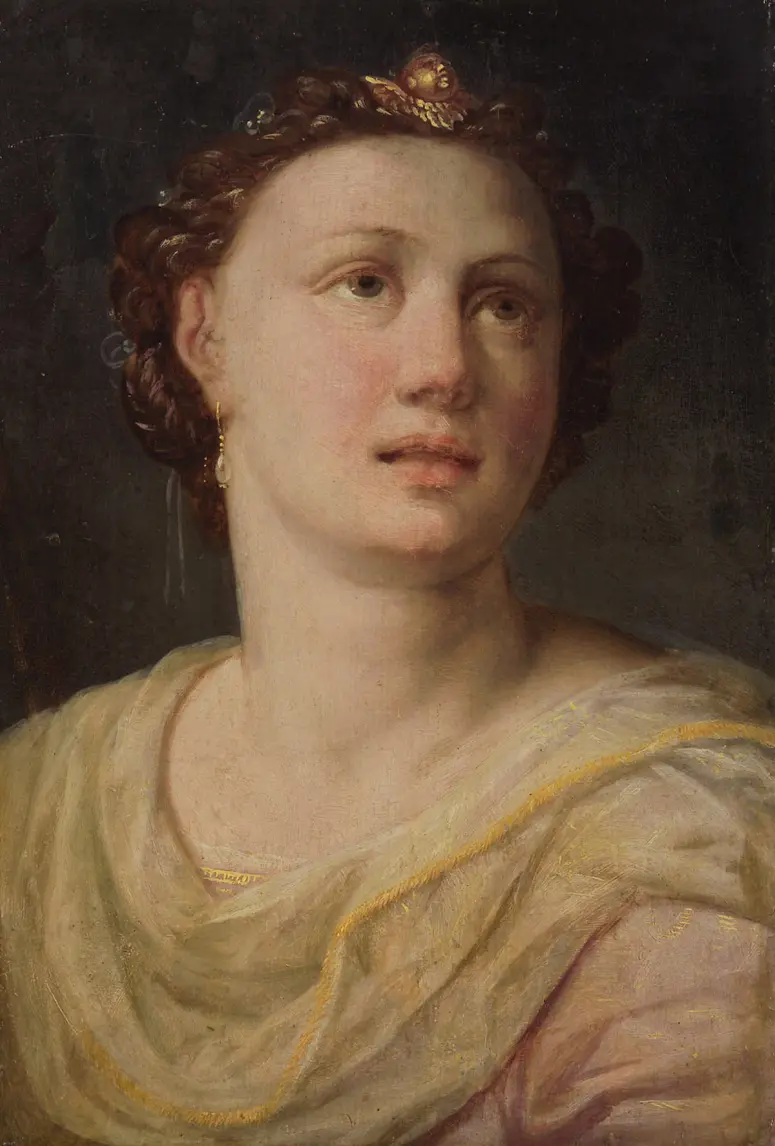
Diana und Callisto J. Löwy, K. und K. Hof-Photograph, Kunst- und Verlagsanstalt (Wien) 1888 bis 1910
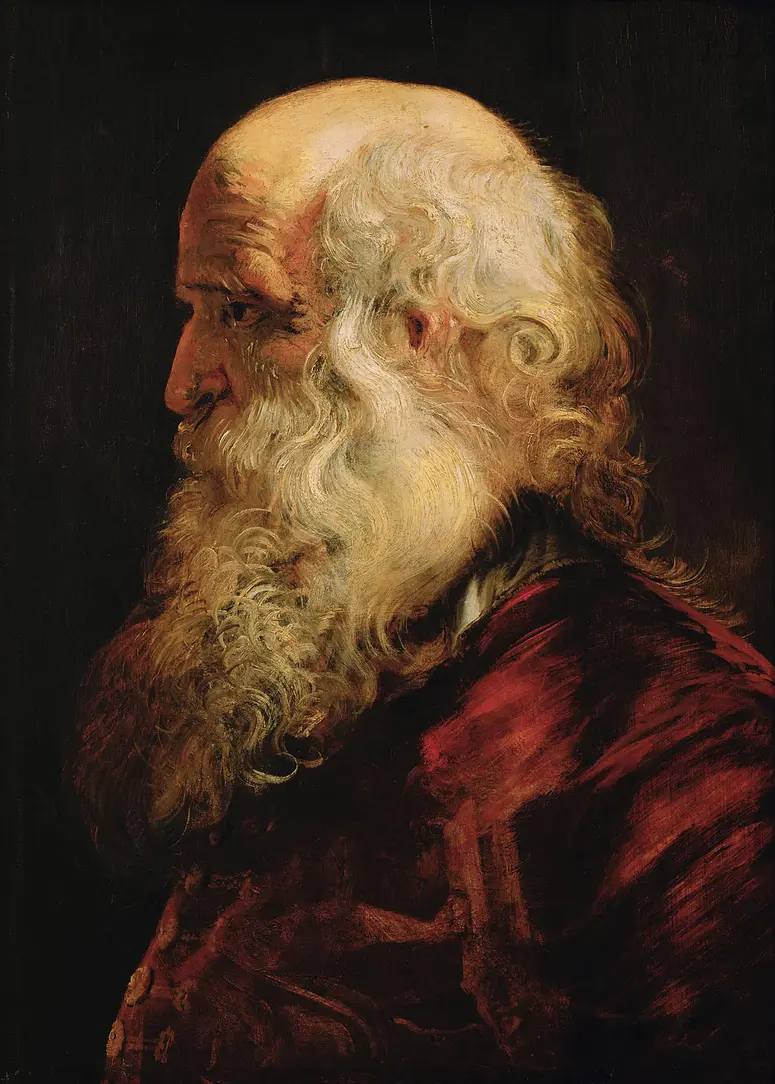

Graviertes Nautilusgehäuse, Nautilus-Schale, Nautilus-Gehäuse, Nautlius, Meeresschnecke 2. Hälfte 16. Jahrhundert
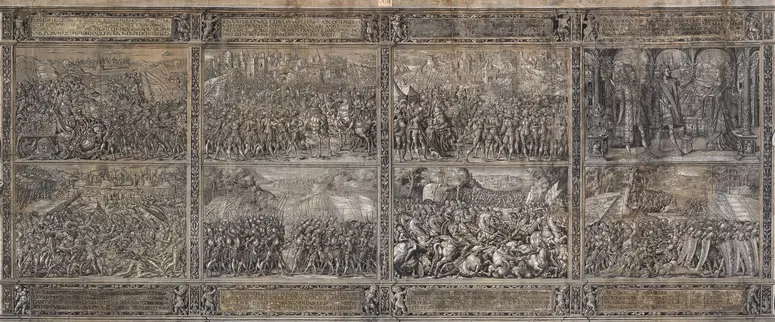
Visierung zum Kenotaph Kaiser Maximilians I. in Innsbruck, Visierung, Entwurf, Graphik Florian Abel 1561 (?)