The Holy Family
after 1520 | Bernhard Strigel
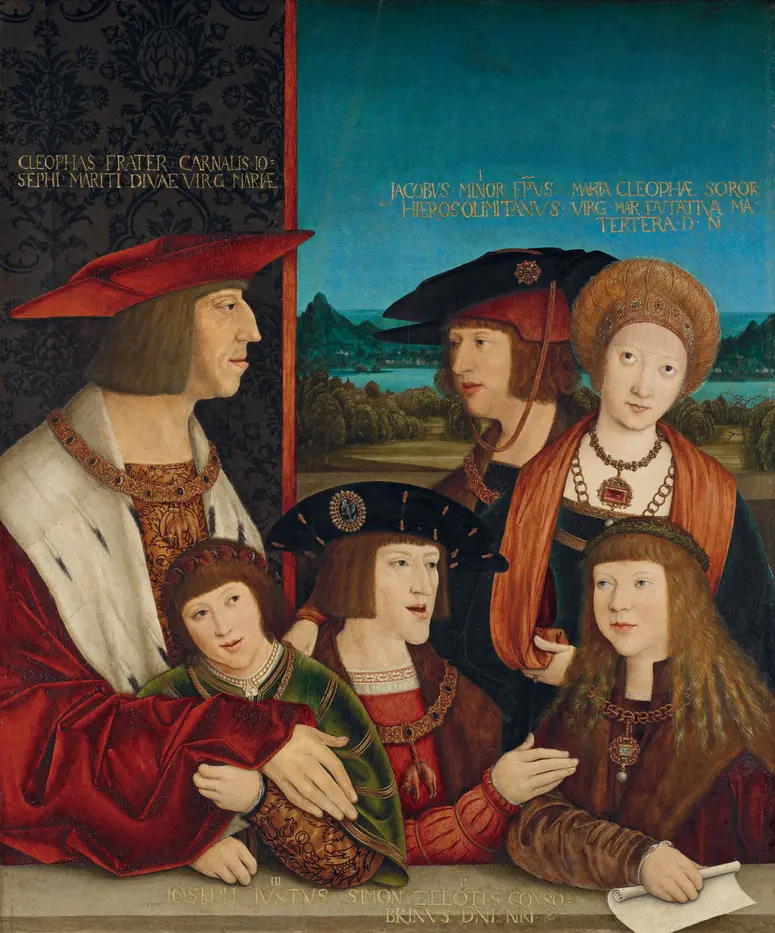
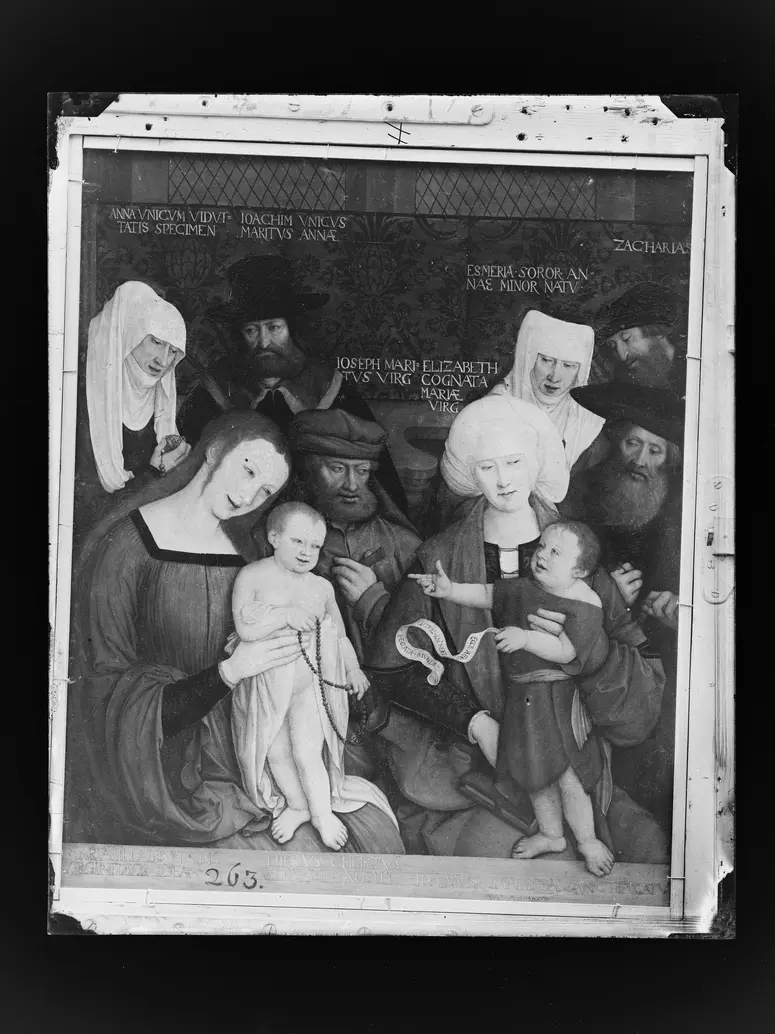
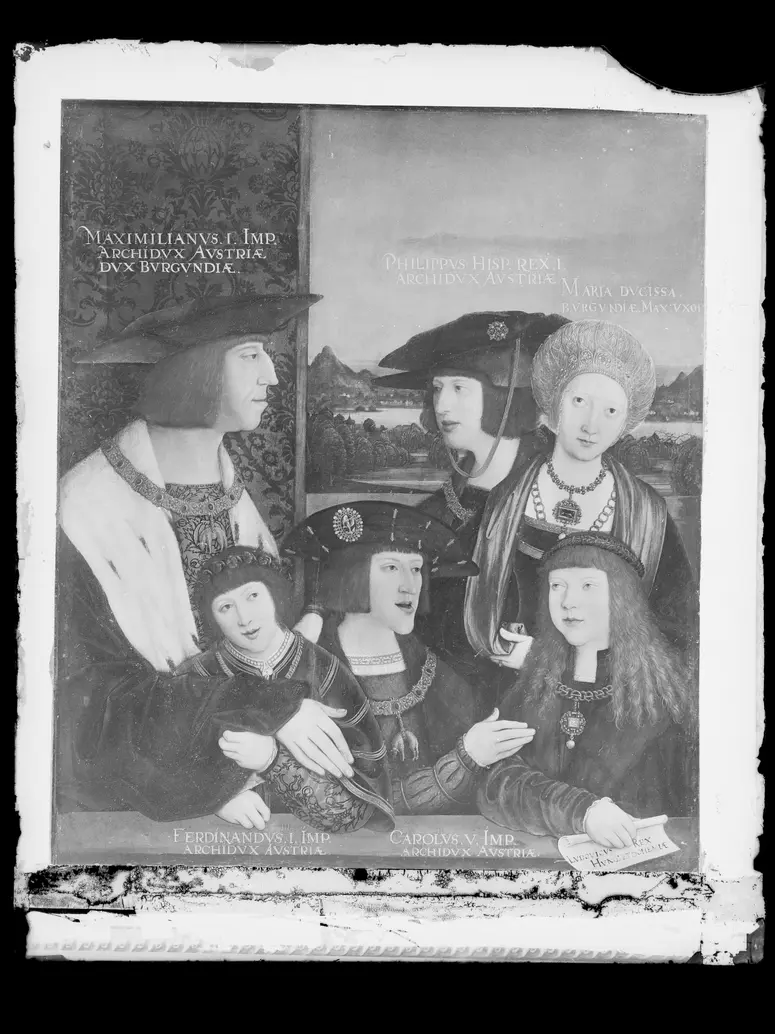
Formerly the back of the panel with the family of Emperor Maximilian I (Inv. No. GG 832), this painting was commissioned by Johannes Cuspinian. The Humanist and imperial adviser played an important role in the political success of negotiations to achieve the double marriage of 1515 in Vienna, whereupon Maximilian I gave him the family portrait. Cuspinian expanded it, creating a three-part depiction of the Virgin Mary’s family. Here we see the principal members along with Jesus and John the Baptist. On a second panel (in private ownership) is Cuspinian’s own family.
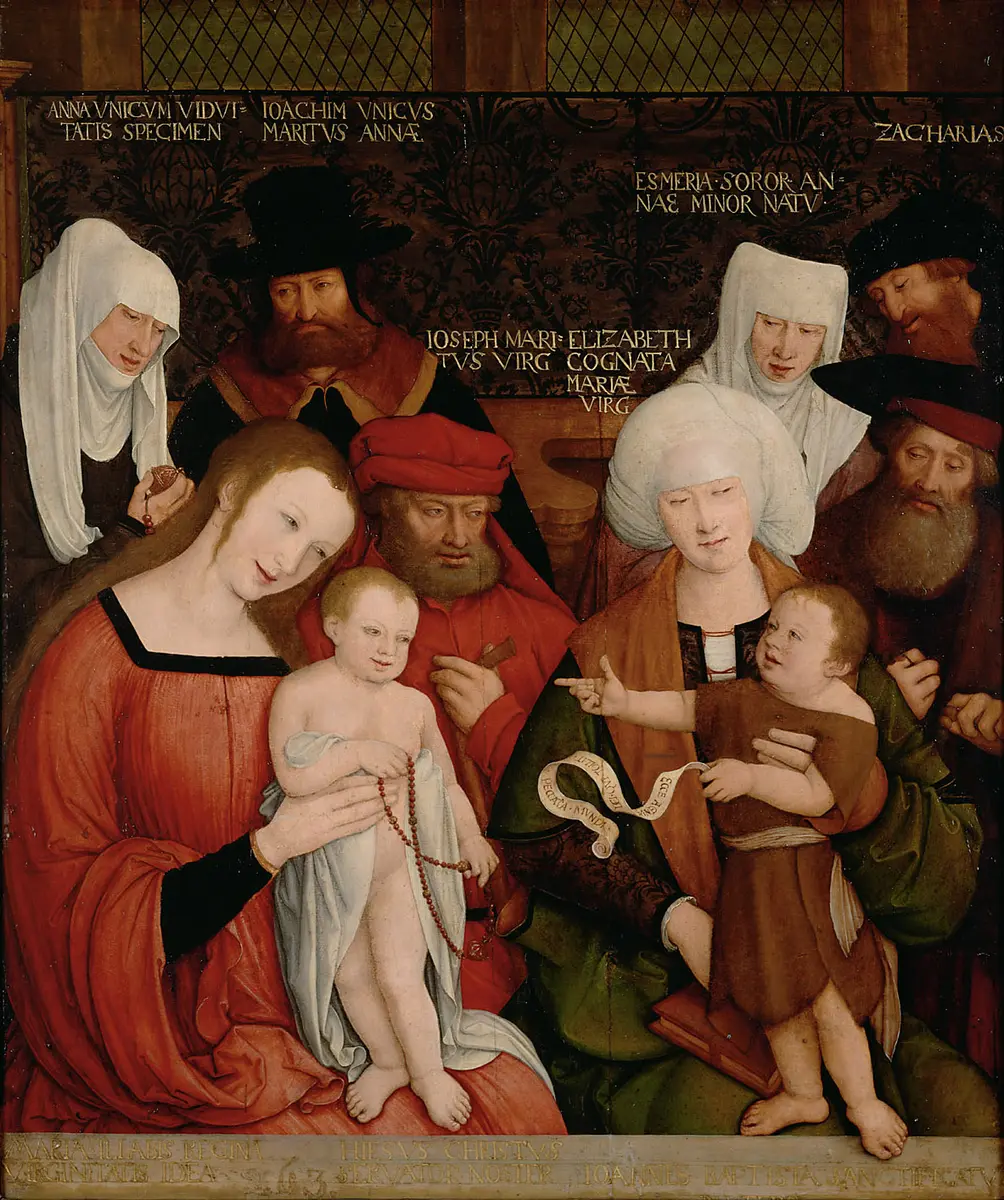
Formerly the back of the panel with the family of Emperor Maximilian I (Inv. No. GG 832), this painting was commissioned by Johannes Cuspinian. The Humanist and imperial adviser played an important role in the political success of negotiations to achieve the double marriage of 1515 in Vienna, whereupon Maximilian I gave him the family portrait. Cuspinian expanded it, creating a three-part depiction of the Virgin Mary’s family. Here we see the principal members along with Jesus and John the Baptist. On a second panel (in private ownership) is Cuspinian’s own family.
Artist:
Bernhard Strigel (1460 - 1528 Memmingen) DNB
Time:
after 1520
Object Name
Painting
Culture
German
Material/technology:
Limewood
Dimensions:
72,5 x 60 cm
Inscribed
Zu den Personen Inschriften: MARIA.ILLABIS.REGINA/VIRGINITATIS' IDEA; daneben: HIESVS CHRISTVS/SERVATOR NOSTER; rechts: IOANNES BAPTISTA SANCTIFICATVS/IN VTERO; oben links: ANNA VNICUVM VIDVI/MATIS SPECIMEN; daneben: IOACHIM VNICVS/MARITVS ANNAE; in der Mitte: IOSEPH MARI/TVS VIRG; daneben: ELIZABETH/COGNATA/MARIAE/VIRG; daneben oben: ESMERIA.SOROR. AN/NAE MINOR NATV; rechts: ZACHARIAS; auf dem Spruchband des Johannes: ECCE.AGNVS.DEI.QVI.TOLLIT.PECCATA.MVNDI
Copyright
Kunsthistorisches Museum, Gemäldegalerie
Invs.
Gemäldegalerie, 6411
Provenance
Until 1919 on the reverse side of the family portrait of Emperor Maximilian I (Inv.-No. GG 832), which can first be found in the imperial portrait collection in Vienna in the 1590s.
Browse more
Similar items you might be interested in
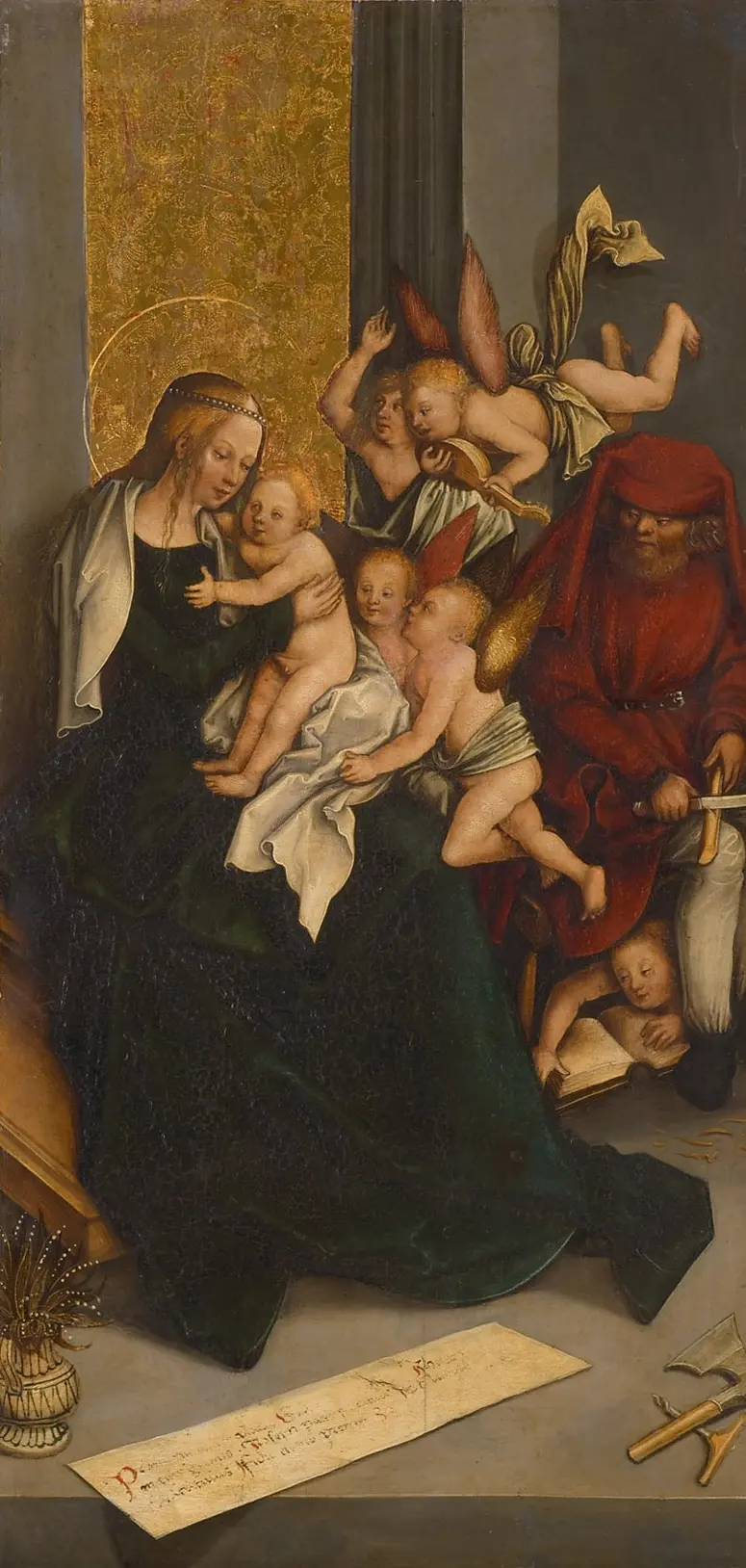
Heilige Sippe J. Löwy, K. und K. Hof-Photograph, Kunst- und Verlagsanstalt (Wien) 1888 bis 1891
Kaiser Maximilian I. (1459-1519) J. Löwy, K. und K. Hof-Photograph, Kunst- und Verlagsanstalt (Wien) 1888 bis 1891
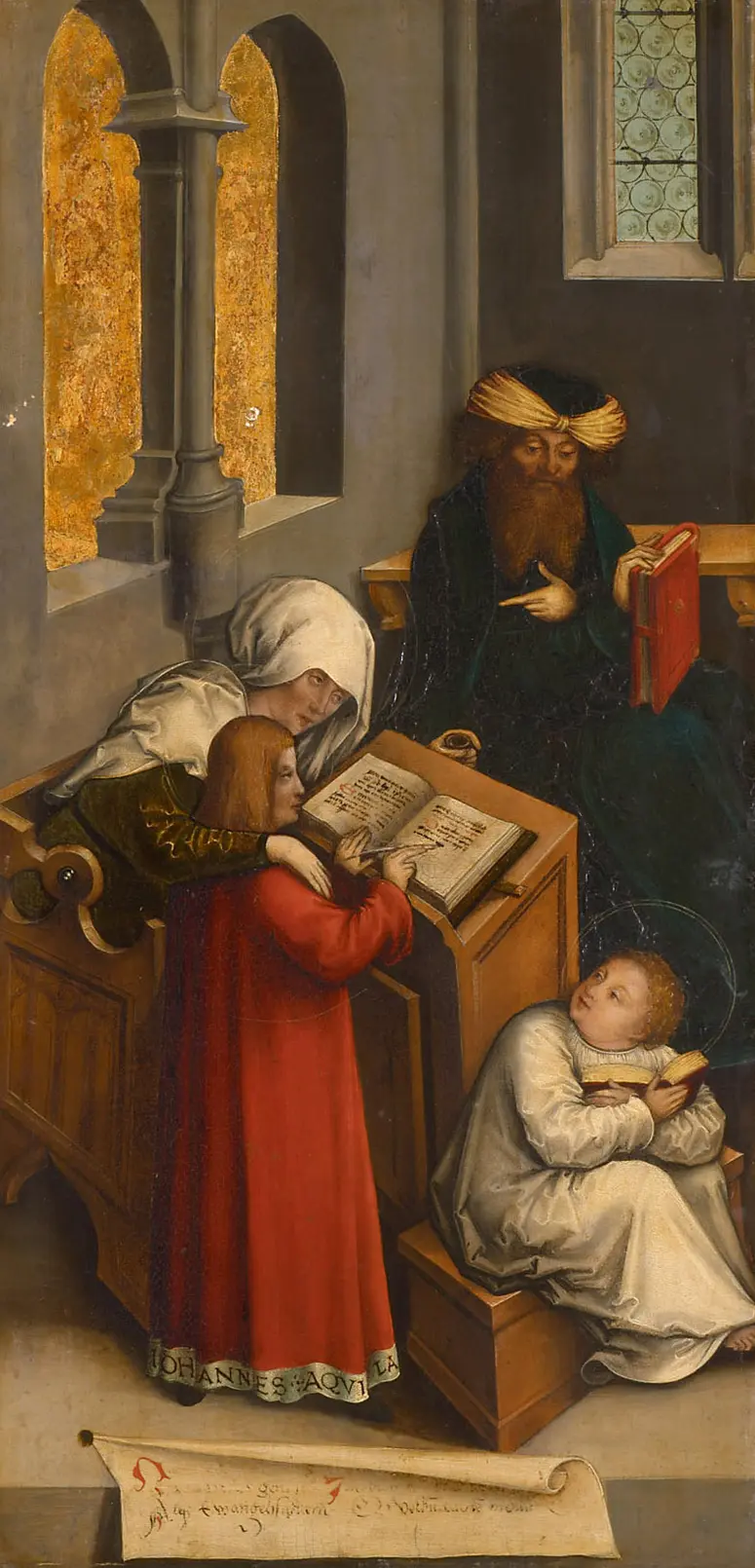
Johannes der Evangelist wird im Schreiben unterrichtet J. Löwy, K. und K. Hof-Photograph, Kunst- und Verlagsanstalt (Wien) 1888 bis 1891
Familie des Kaisers Maximilian I. (1459-1519) J. Löwy, K. und K. Hof-Photograph, Kunst- und Verlagsanstalt (Wien) 1888 bis 1891
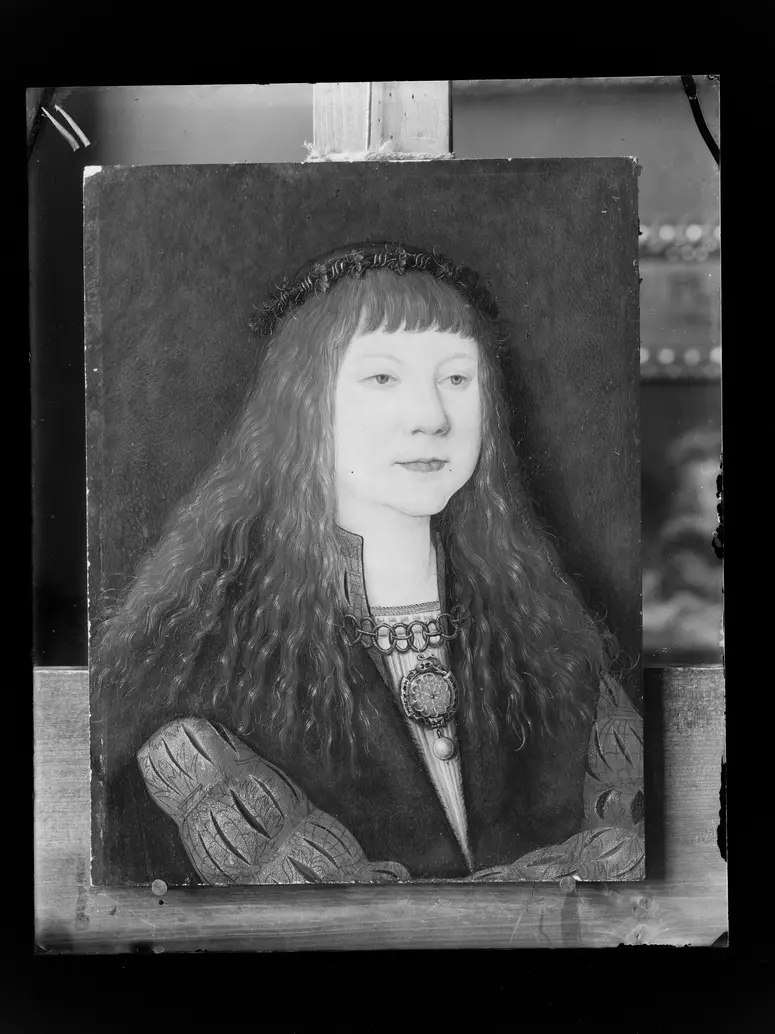
König Ludwig II. von Böhmen und Ungarn als Knabe (1506-1526) J. Löwy, K. und K. Hof-Photograph, Kunst- und Verlagsanstalt (Wien) 1888 bis 1891
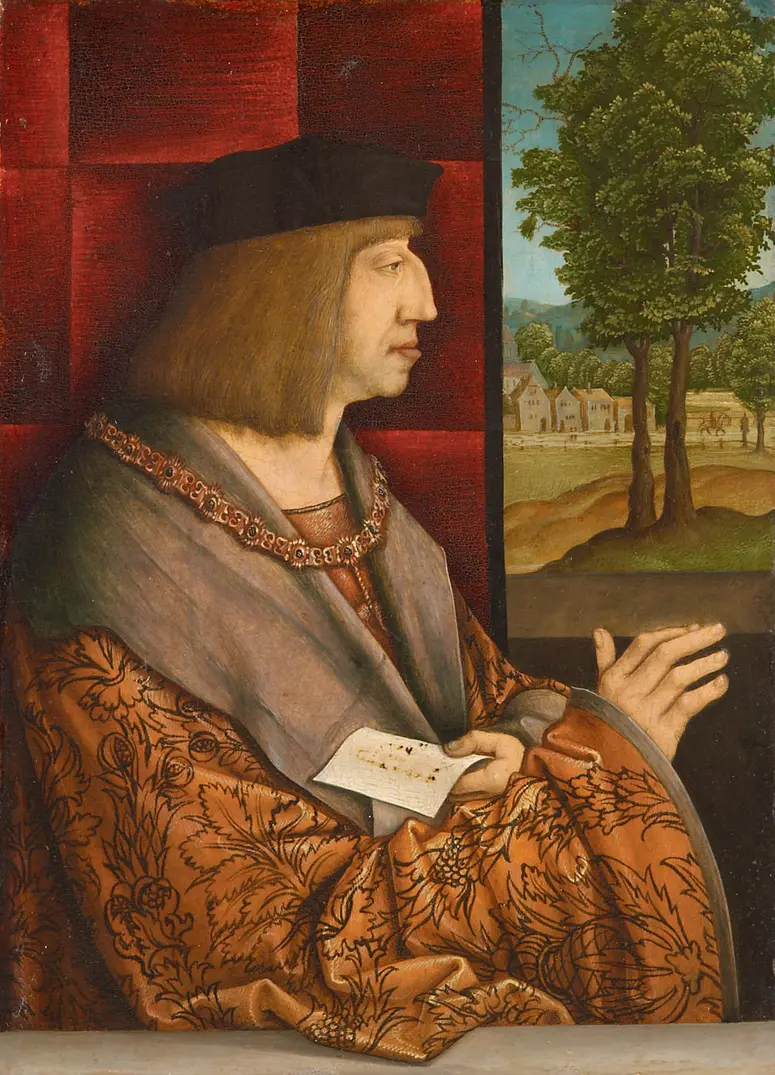
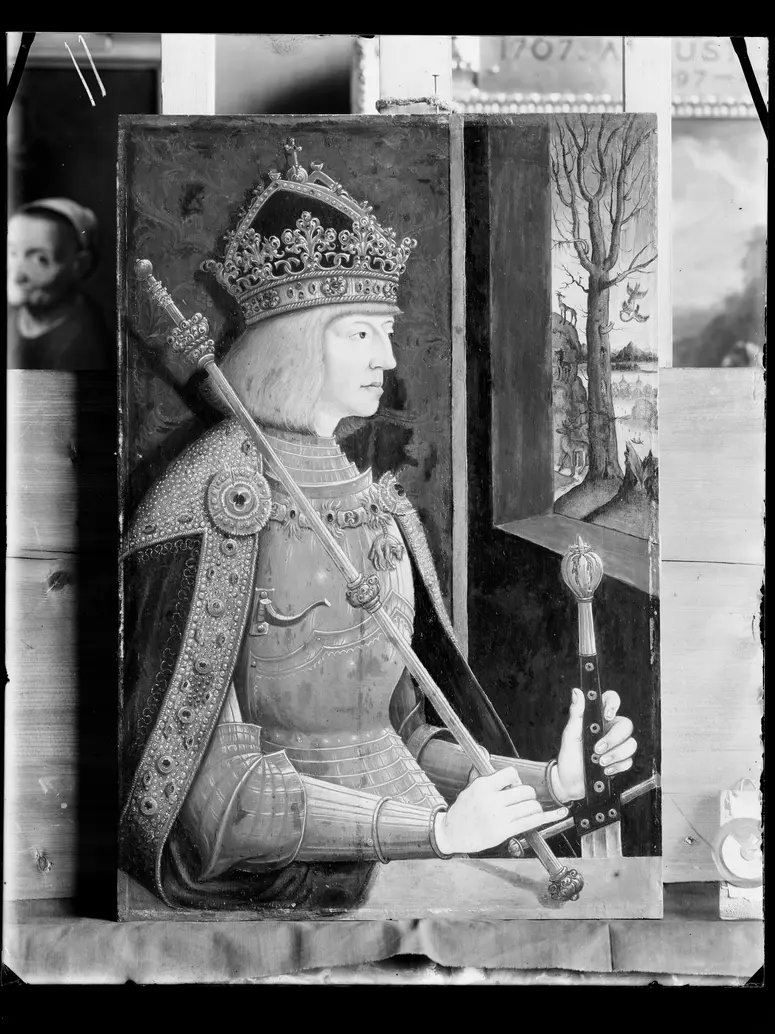
Maximilian I. (1459-1519), Bildnis in halber Figur im goldenen Harnisch J. Löwy, K. und K. Hof-Photograph, Kunst- und Verlagsanstalt (Wien) 1888 bis 1891
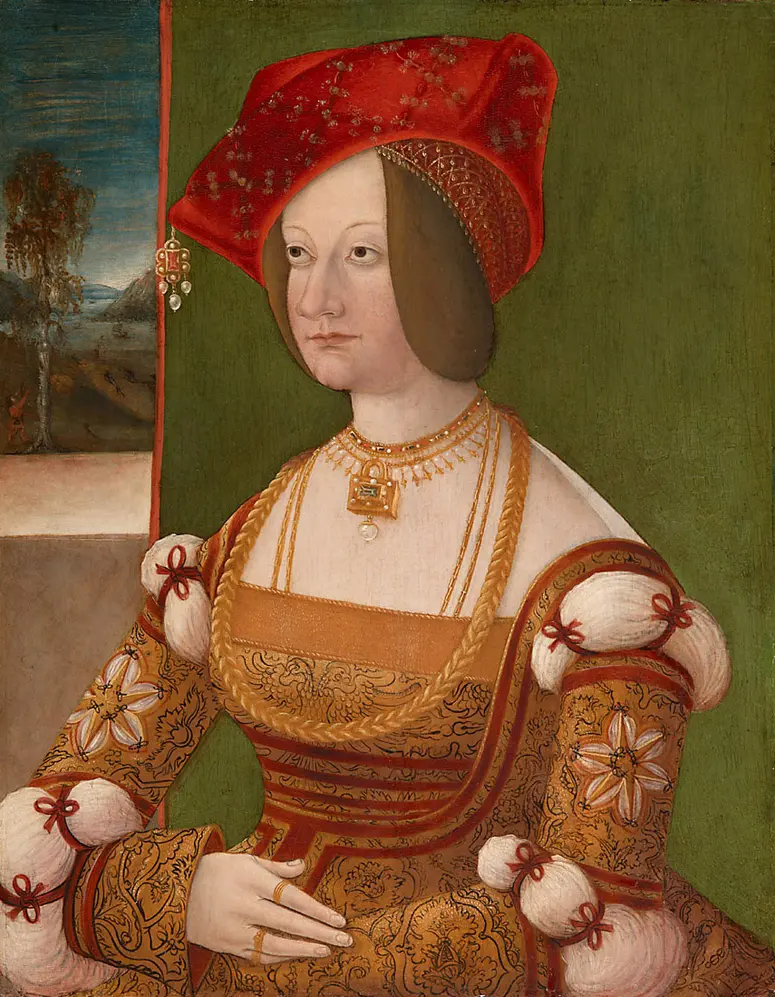
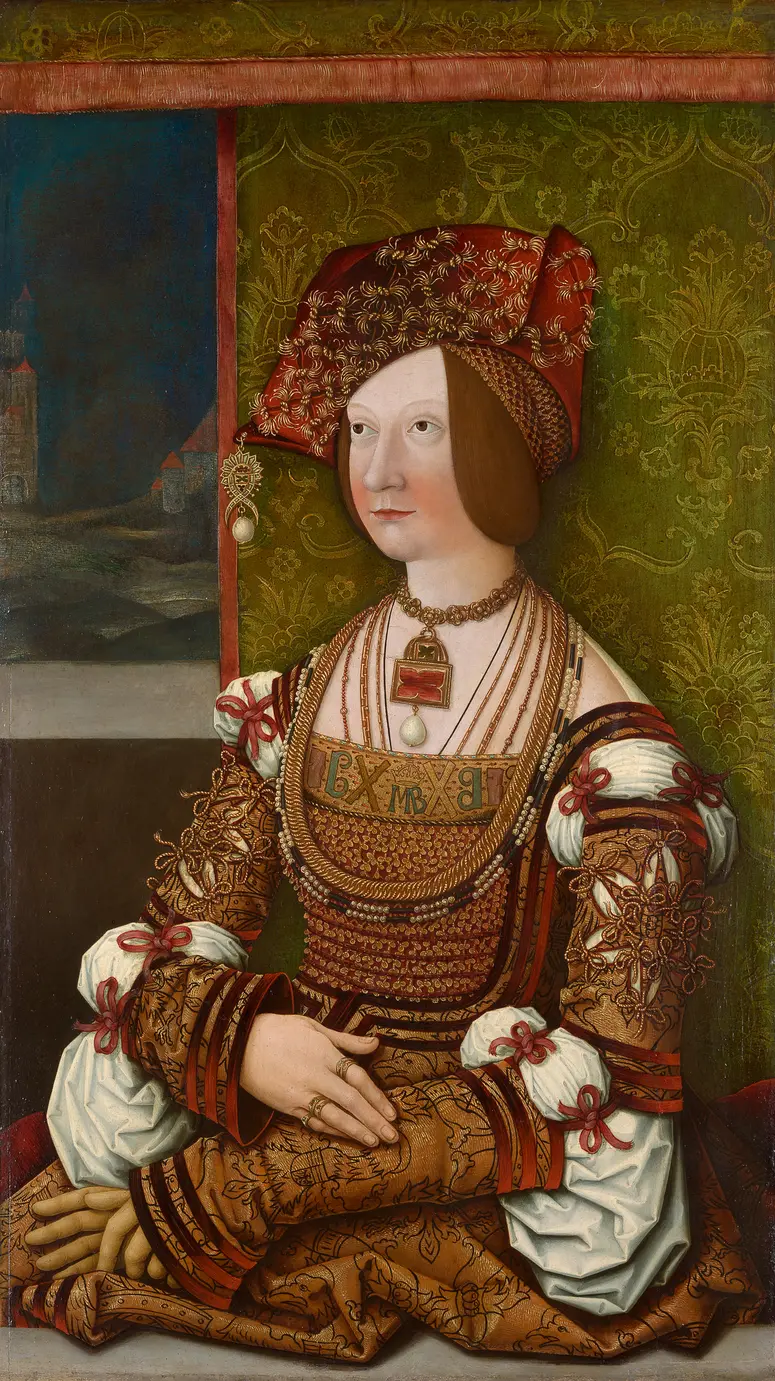
Bianca Maria Sforza (1472-1510), zweite Gemahlin von Kaiser Maximilian I. Bernhard Strigel Ende 15. / 1. Drittel 16. Jahrhundert
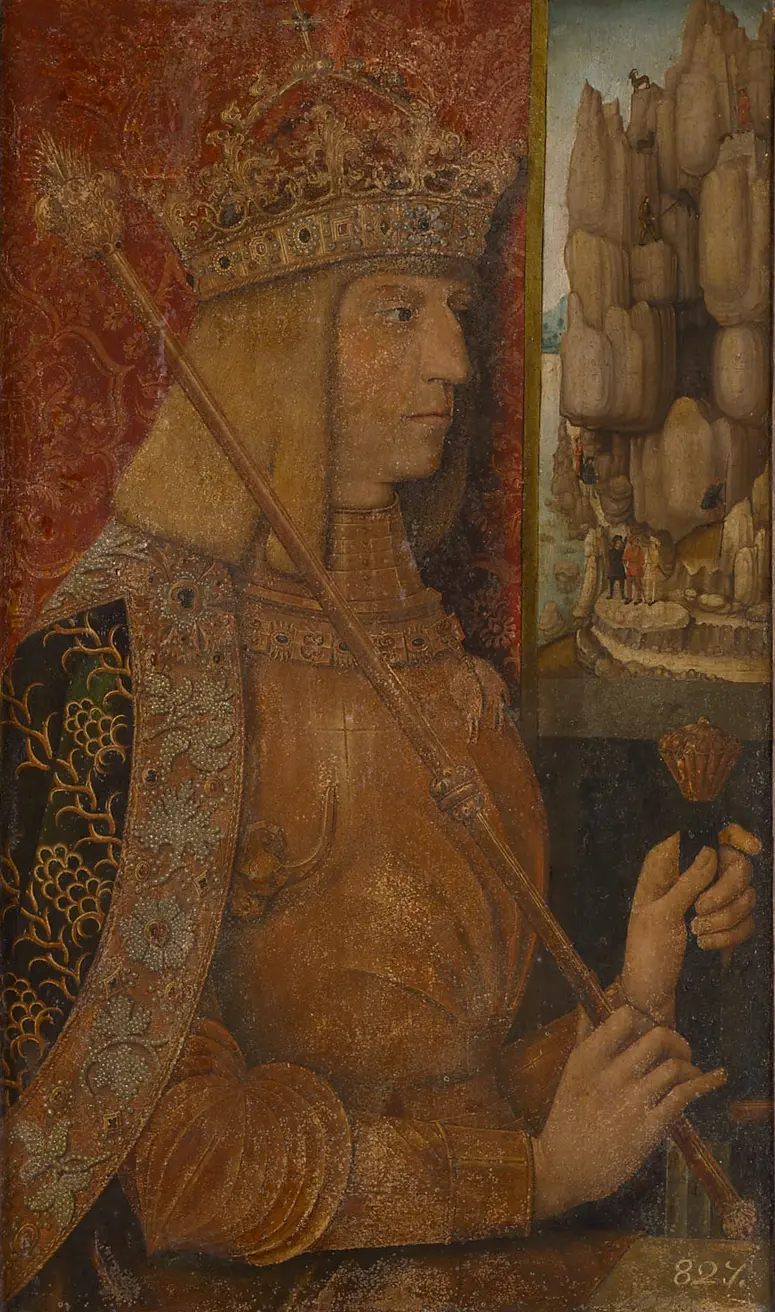
Maximilian I. (1459-1519), Bildnis in halber Figur mit der Martinswand Bernhard Strigel um 1507
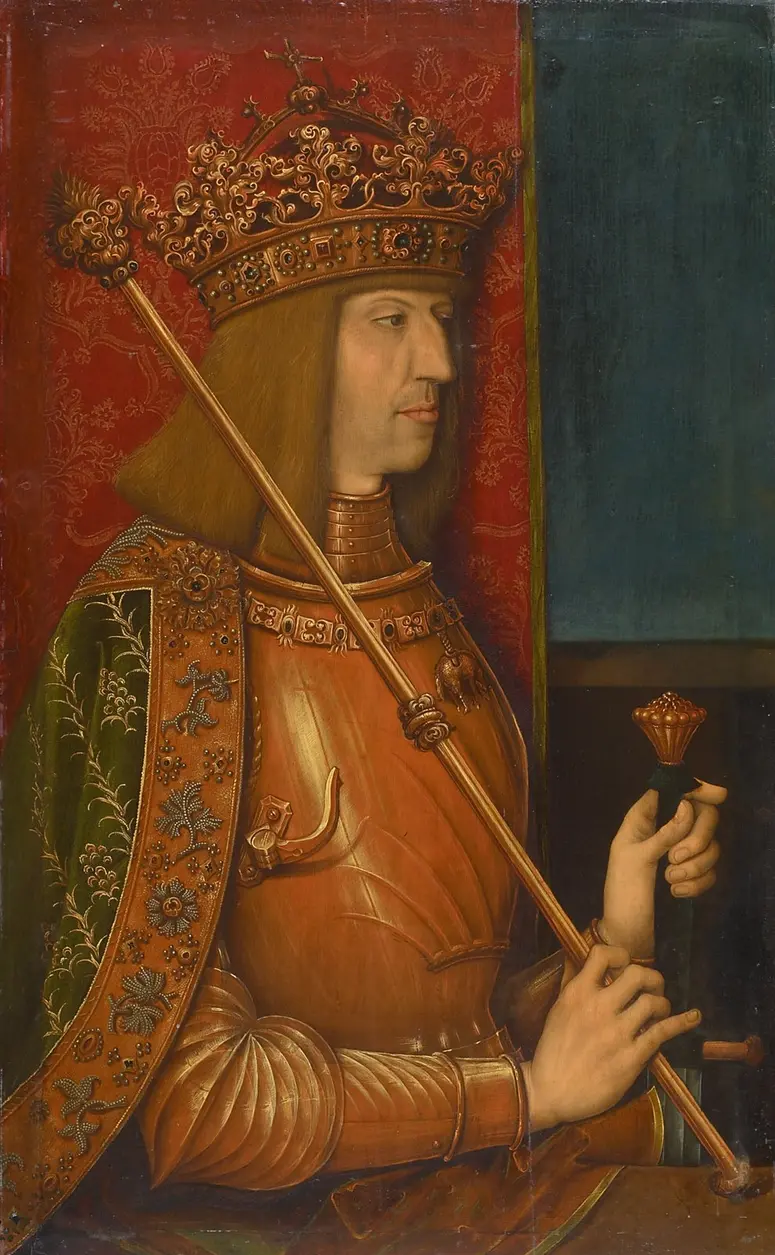
Maximilian I. (1459-1519), Bildnis in halber Figur Bernhard Strigel nach 1507
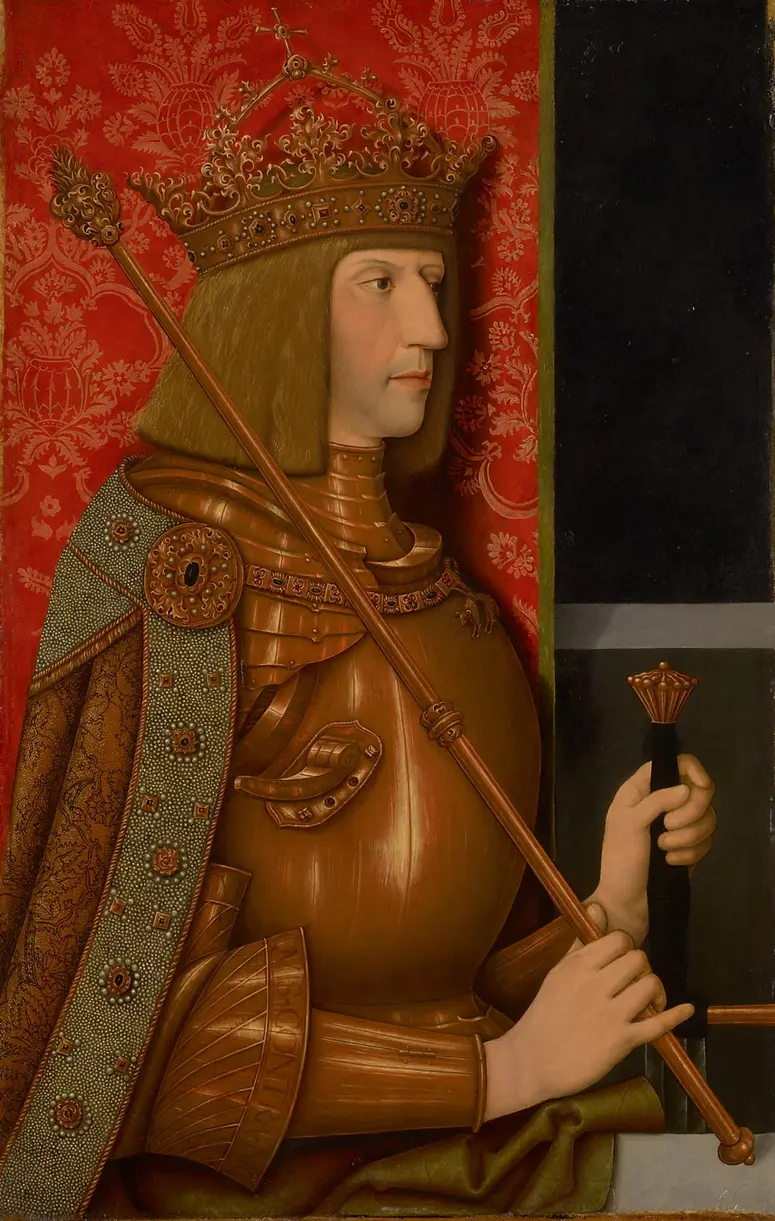
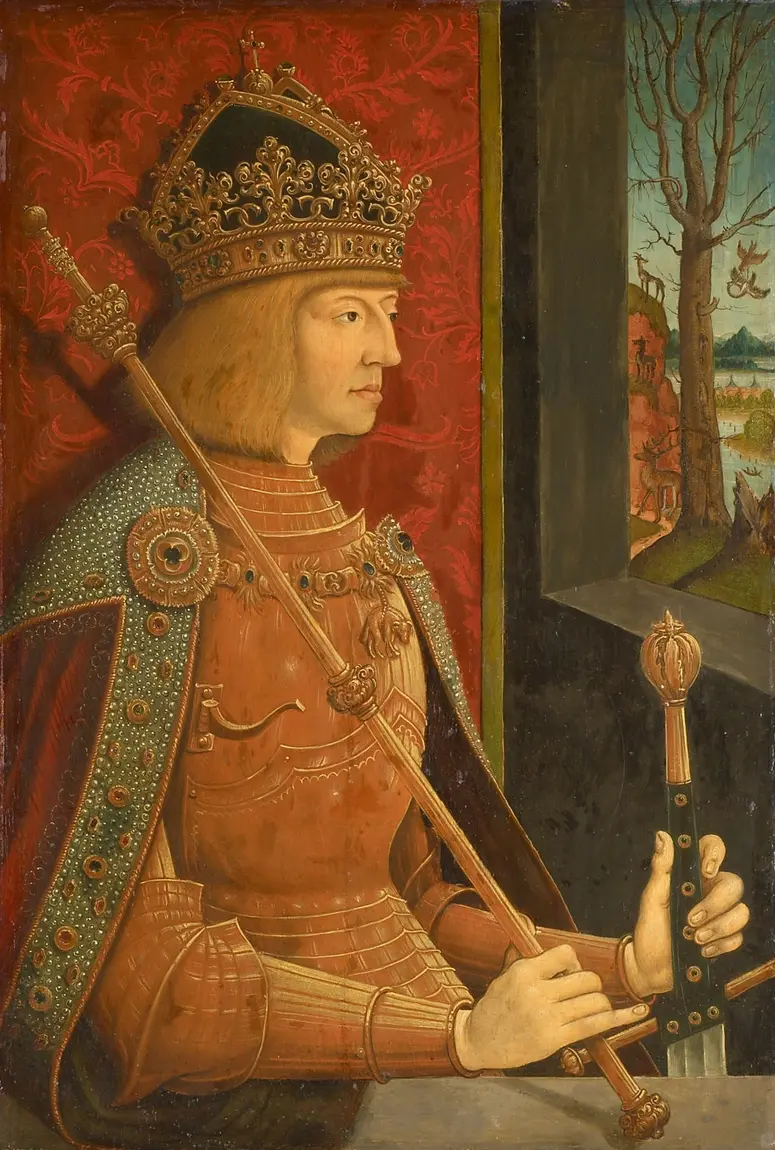
Maximilian I. (1459-1519), Bildnis in halber Figur im goldenen Harnisch Bernhard Strigel um 1500