St. Nicholas of Bari
about 1554/55 | Jacopo Robusti, gen. Tintoretto
The saint can be recognised by his bishop’s vestments, the three golden balls that, according to legend, he gave to three poor girls as a dowry, and the ship that he rescued from distress. The intensity of the three principal colours chalk-white, crimson-red and blue-green, the highly dramatic direction of the light and the stupendous vitality of motion as well as the lively structure of the application of paint (which in some instances admits the herringbone pattern of the canvas as an element in the painting) all give the figure of the saint a vibrant expressive power.
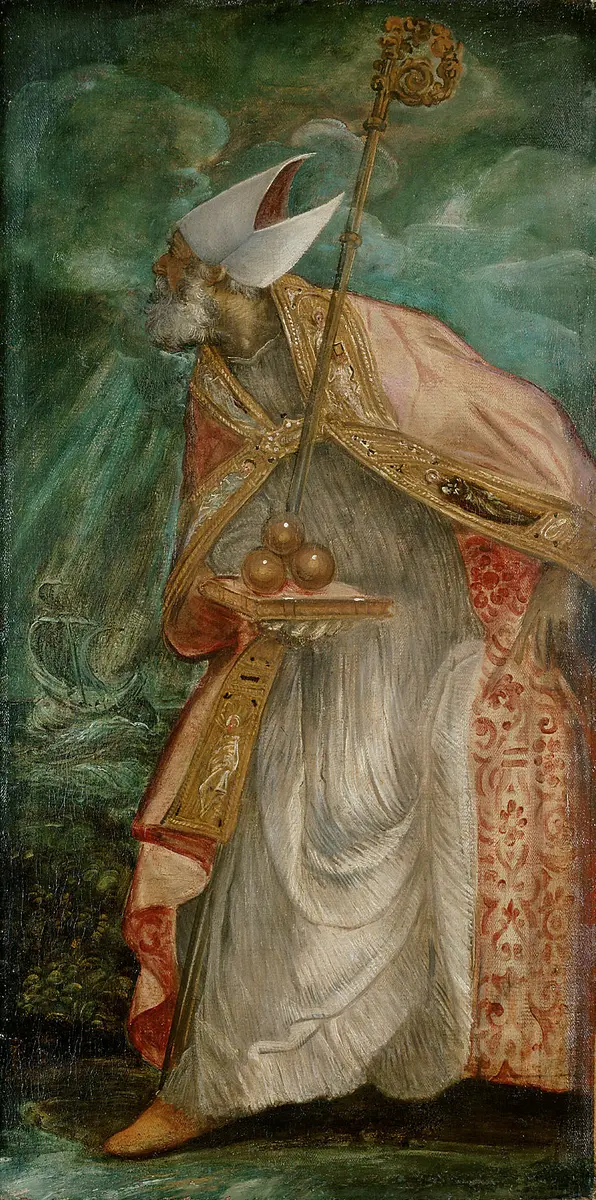
The saint can be recognised by his bishop’s vestments, the three golden balls that, according to legend, he gave to three poor girls as a dowry, and the ship that he rescued from distress. The intensity of the three principal colours chalk-white, crimson-red and blue-green, the highly dramatic direction of the light and the stupendous vitality of motion as well as the lively structure of the application of paint (which in some instances admits the herringbone pattern of the canvas as an element in the painting) all give the figure of the saint a vibrant expressive power.
Artist:
Jacopo Robusti, gen. Tintoretto (1518 - 1594 Venedig) DNB
Time:
about 1554/55
Object Name
Painting
Culture
Italian, Venetian
Material/technology:
Canvas
Dimensions:
links etwas beschnitten: Overall: 114 x 56 cm
Framed: 130 cm x 73,5 cm x 7 cm
Copyright
Kunsthistorisches Museum, Gemäldegalerie
Invs.
Gemäldegalerie, 1544
Provenance
1638-1649 Hamilton Coll.; Leopold Wilhelm Coll.
Browse more
Similar items you might be interested in
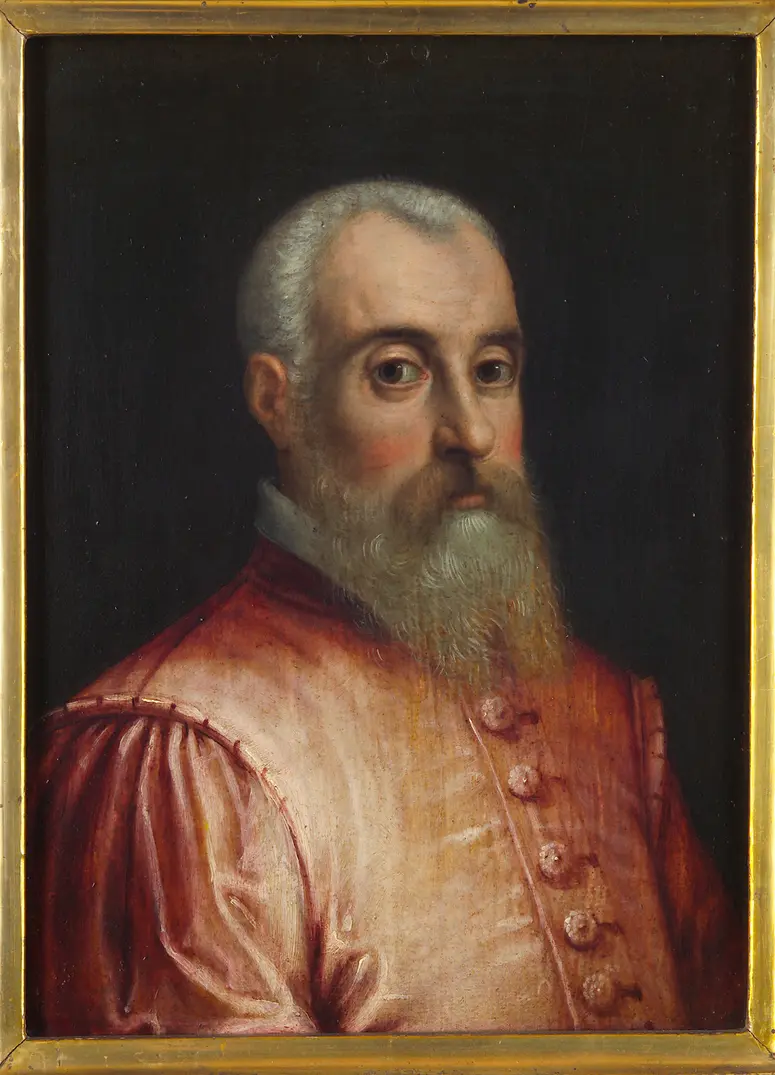
Agostino Barbarigo, Gesandter (gestorben 1571) Jacopo Robusti, gen. Tintoretto 2. Hälfte 16. Jahrhundert
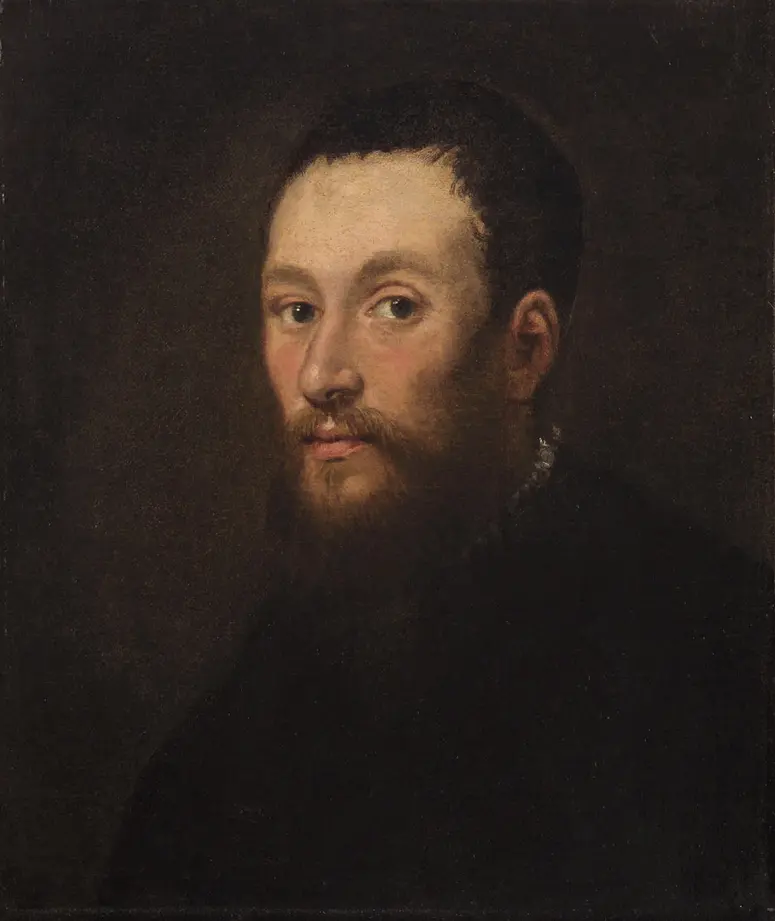
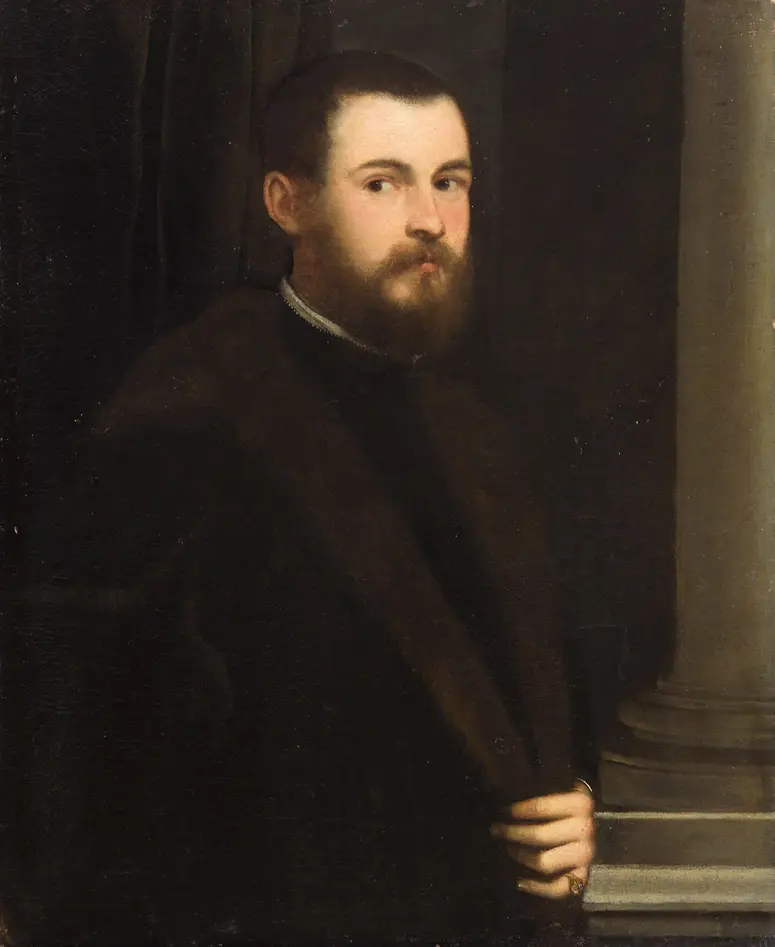
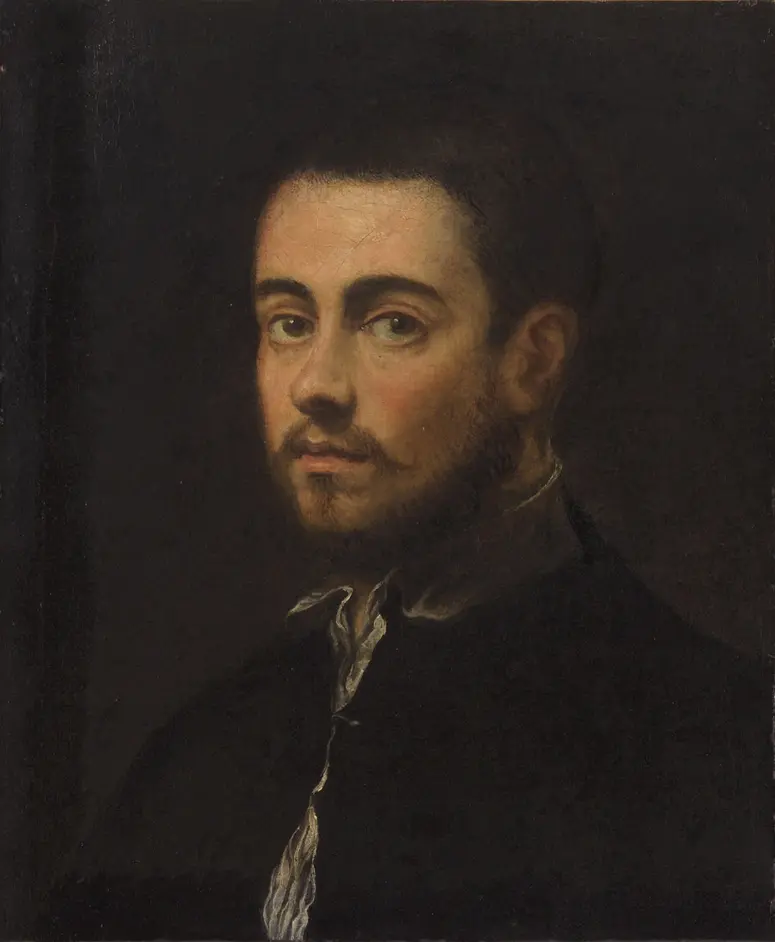
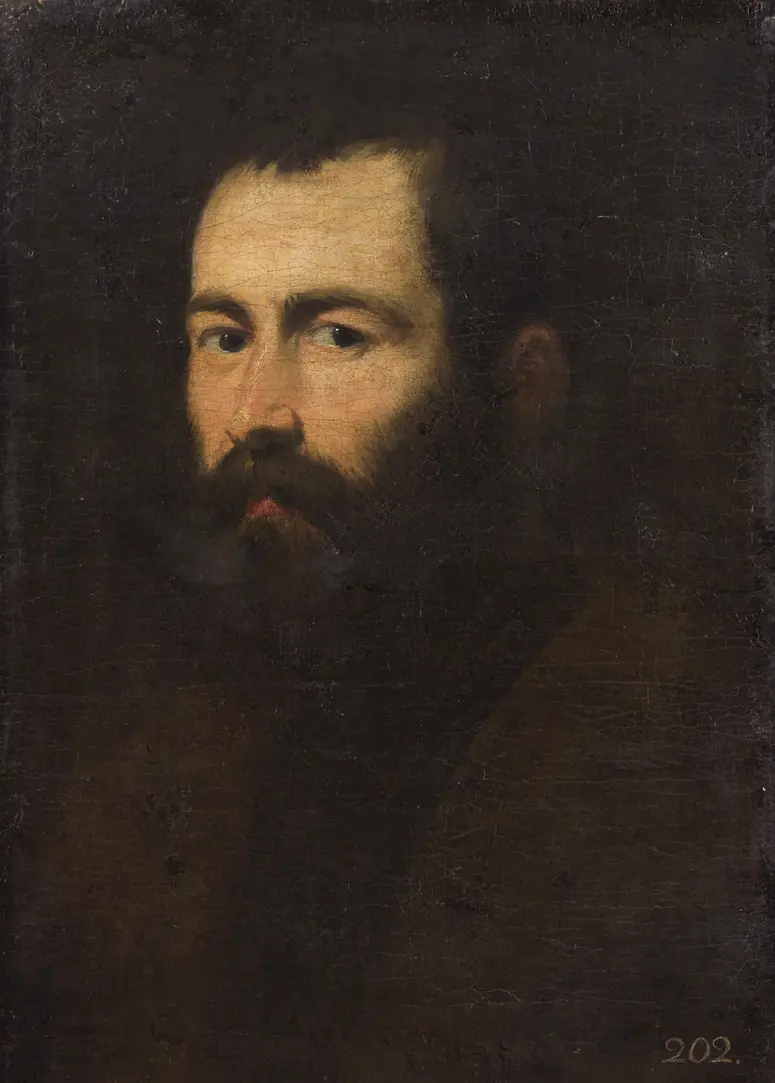
Bildnis eines dunkelbärtigen, blauäugigen Mannes Jacopo Robusti, gen. Tintoretto um 1555
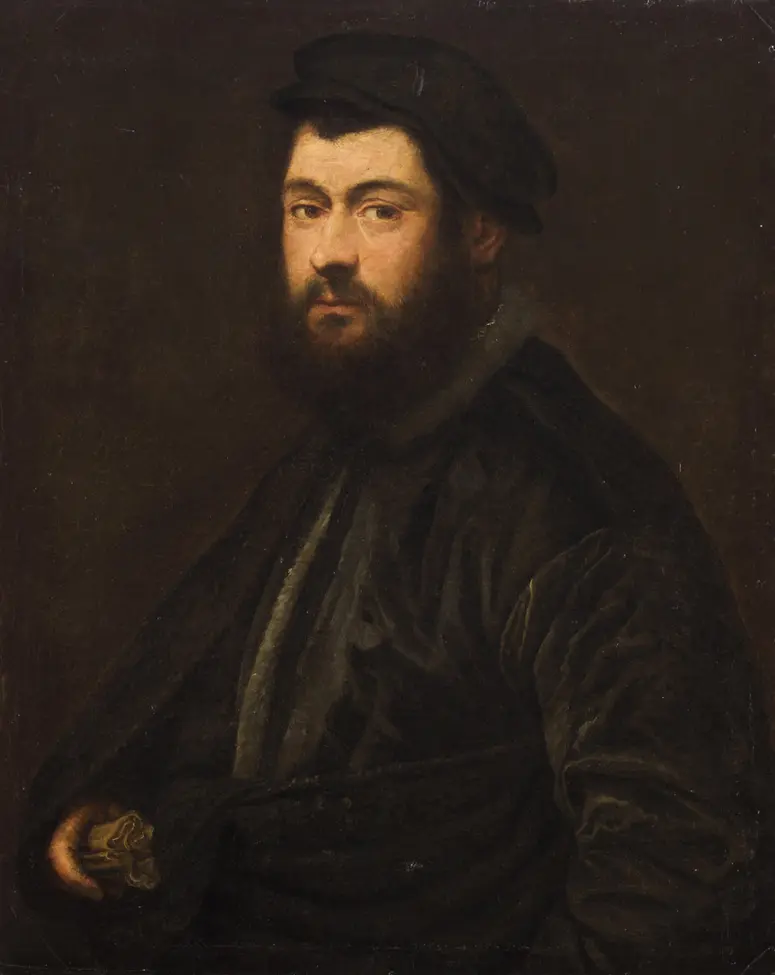
Bildnis eines bärtigen Mannes mit Barett Jacopo Robusti, gen. Tintoretto um 1570/1580
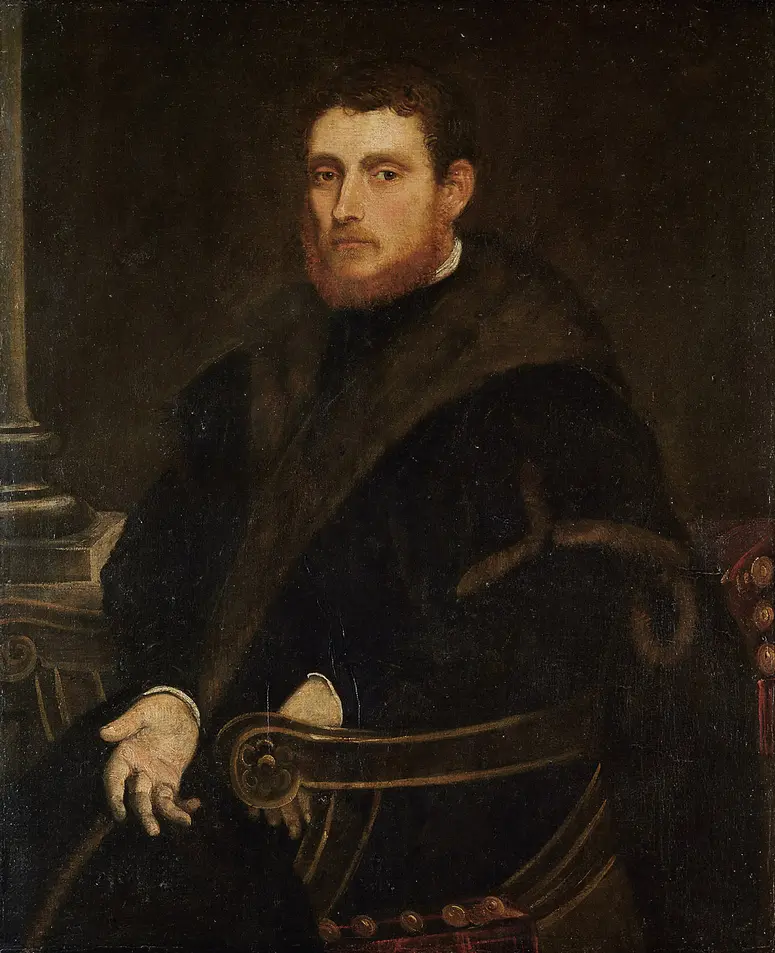
Bildnis eines jungen rotbärtigen Mannes im Lehnstuhl Jacopo Robusti, gen. Tintoretto um 1558/1562
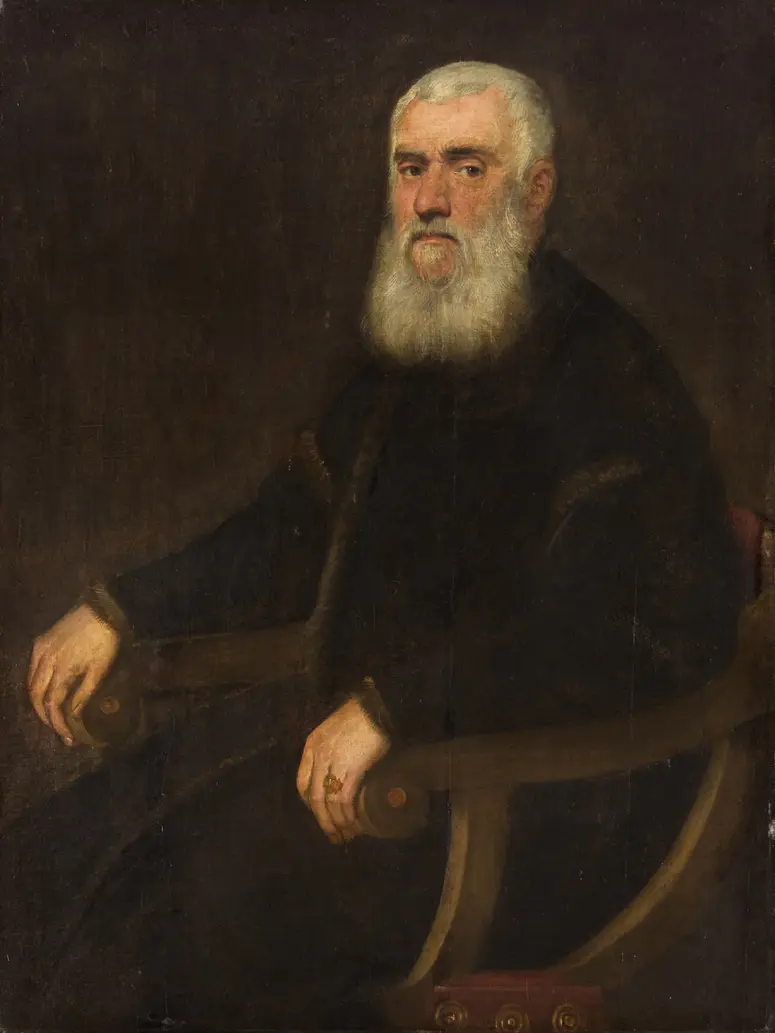
Bildnis eines weißbärtigen Mannes im Lehnstuhl Jacopo Robusti, gen. Tintoretto um 1560/1565
Bildnis eines bärtigen Mannes mit Barett Jacopo Robusti, gen. Tintoretto um 1570/1580

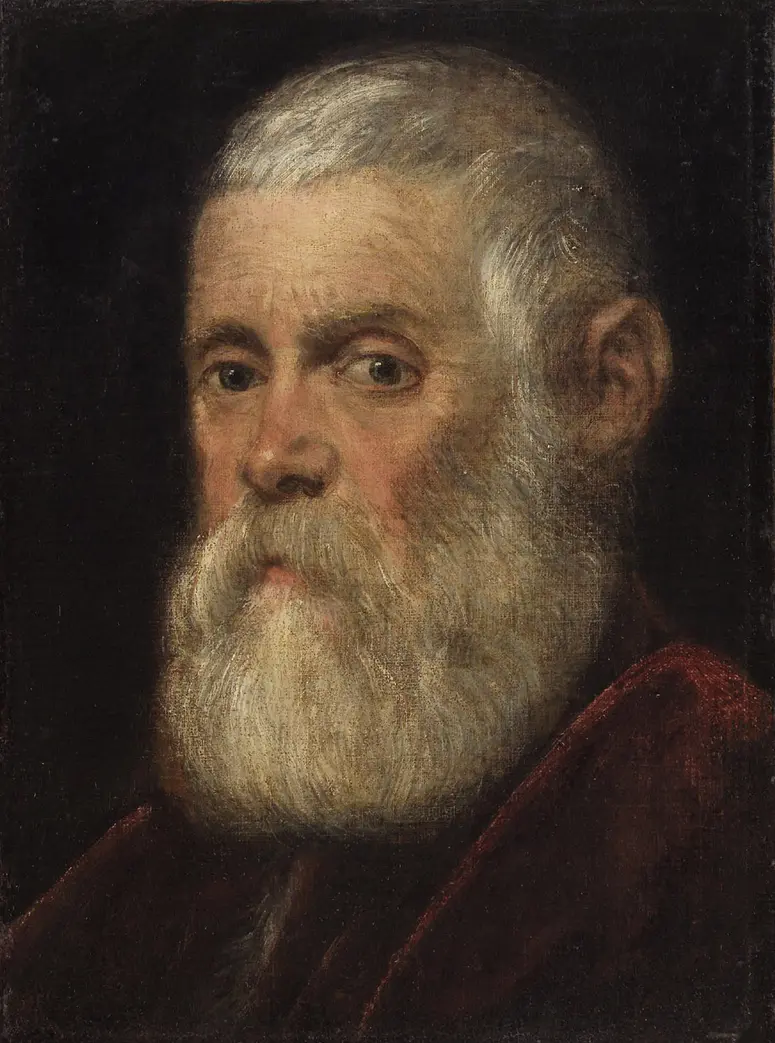
Bildnis eines weißbärtigen Prokurators Jacopo Robusti, gen. Tintoretto 60er Jahre 16. Jahrhundert

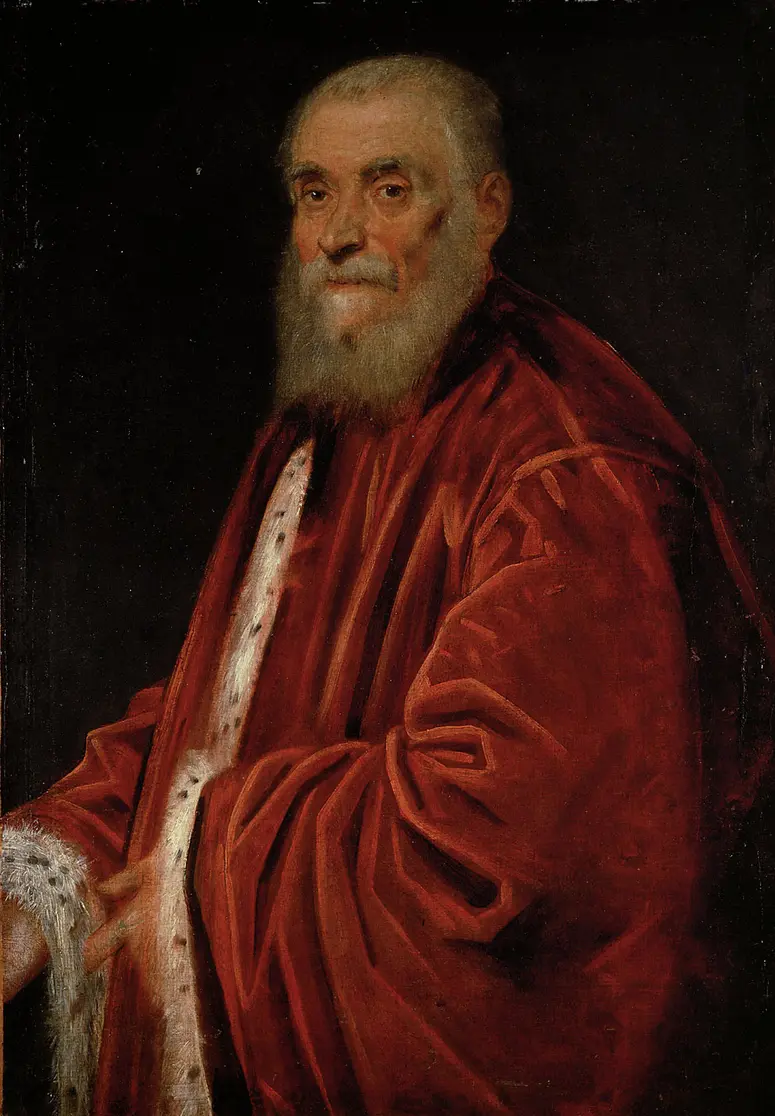
Bildnis des Senators Marco Grimani (gest. 1583) Jacopo Robusti, gen. Tintoretto um 1576/1583