Spinnwirtel
1. Hälfte 5.Jh. v. Chr.
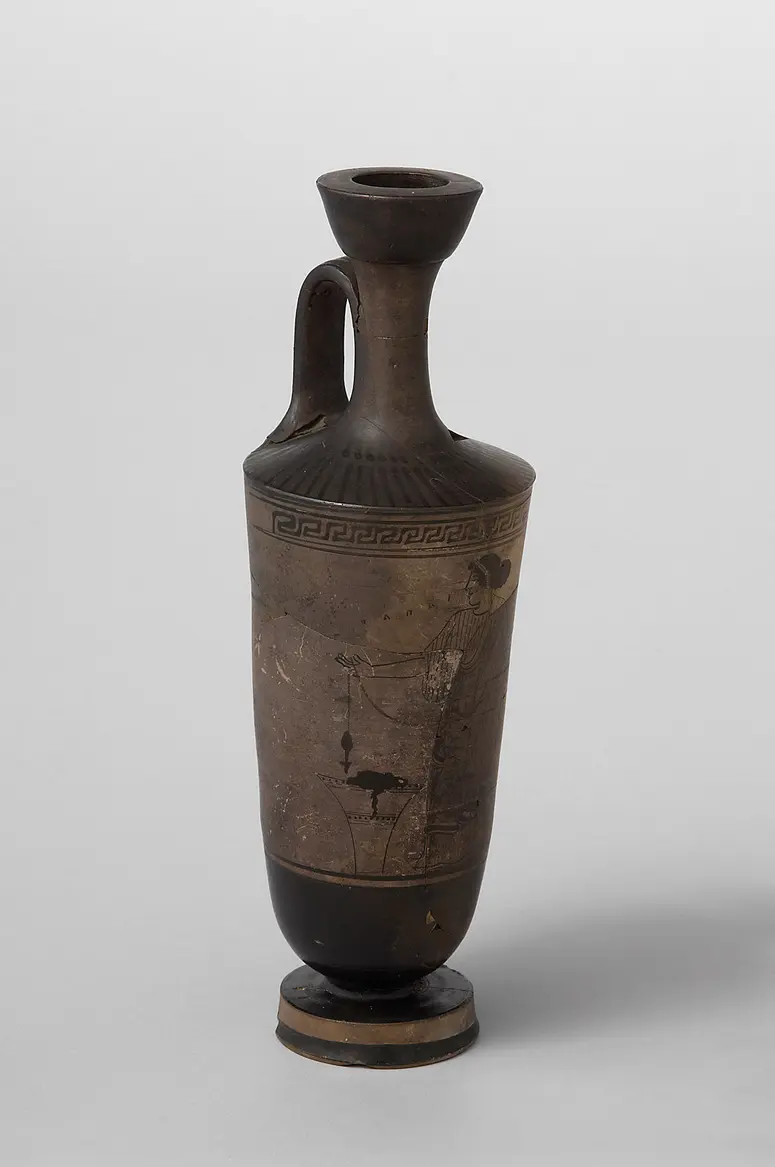
This small object of fired clay in the shape of a cone is a spindle whorl. The surface is decorated by three rings of drops, the flat base by two comparable rings. The decoration is executed in the so-called Attic black figured technique, which is also used for the contemporaneous pottery. The spindle whorl is mounted on a rod of perishable materials, the spindle. Spindle and whorl together are called hand spindle or drop spindle, which functions as tool for the producing of yarn from fibres throughout antiquity (cf. lekythos inv.-no. IV 4402).Spinning is one of the main tasks of women in an antique household. Their tools as well as various other objects were consecrated at sanctuaries once their job had been done or on specific other occasions. This also appears to be the case for this specific spindle whorl which was found in the Parthenon on the Acropolis of Athens. Two letters are carved into the surface (EY) which could very well represent the initial letters of a female Greek name.
E. Trinkl
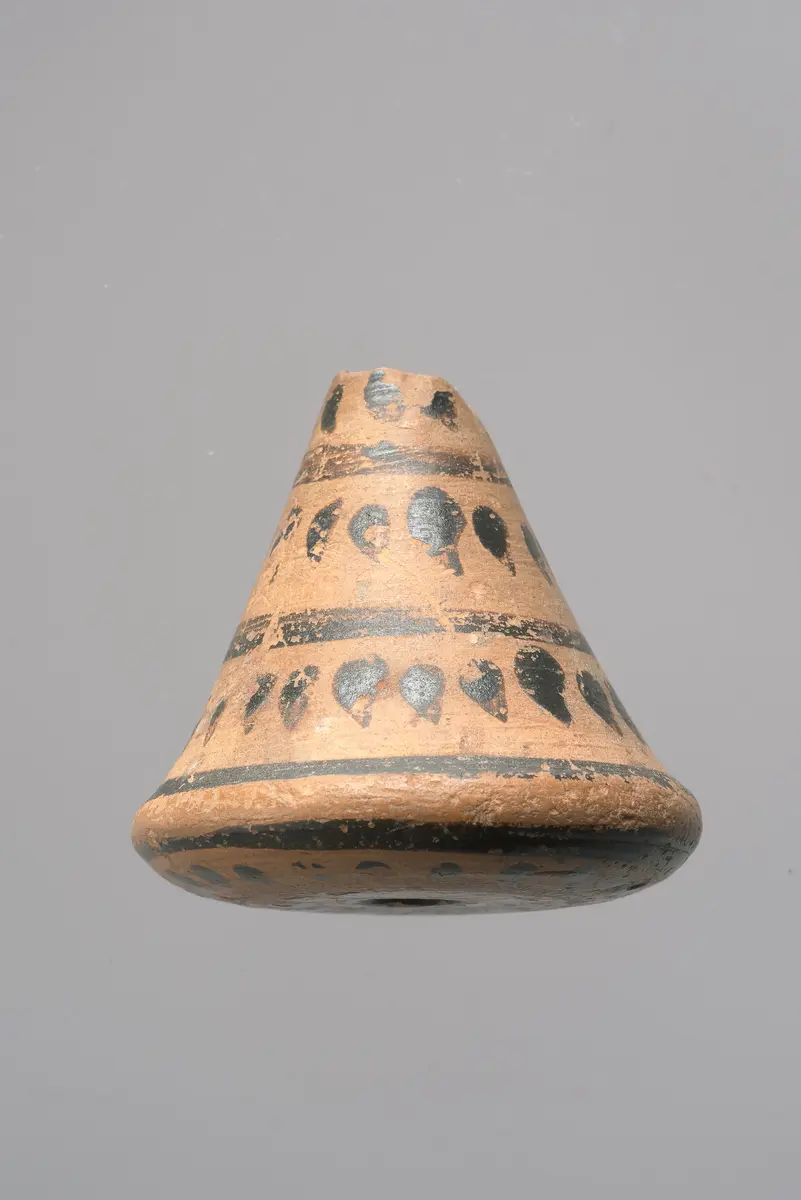
This small object of fired clay in the shape of a cone is a spindle whorl. The surface is decorated by three rings of drops, the flat base by two comparable rings. The decoration is executed in the so-called Attic black figured technique, which is also used for the contemporaneous pottery. The spindle whorl is mounted on a rod of perishable materials, the spindle. Spindle and whorl together are called hand spindle or drop spindle, which functions as tool for the producing of yarn from fibres throughout antiquity (cf. lekythos inv.-no. IV 4402).Spinning is one of the main tasks of women in an antique household. Their tools as well as various other objects were consecrated at sanctuaries once their job had been done or on specific other occasions. This also appears to be the case for this specific spindle whorl which was found in the Parthenon on the Acropolis of Athens. Two letters are carved into the surface (EY) which could very well represent the initial letters of a female Greek name.
E. Trinkl
Time:
1. Hälfte 5.Jh. v. Chr.
Object Name
Spinnwirtel
Culture
Griechisch
Location of discovery:
Athen Parthenon (Griechenland)
Material/technology:
Ton
Dimensions:
3,8 cm × 4 cm
Copyright
Kunsthistorisches Museum, Antikensammlung
Invs.
Antikensammlung, V 2495
Provenance
Glückselig & Wörndorfer, Kunsthandel Wien; früher Slg. Anton, Graf, Prokesch-Osten; 1923 Kauf
Browse more
Similar items you might be interested in
Türkenkopf mit langem Bart, Spinnwebbild 18. Jahrhundert
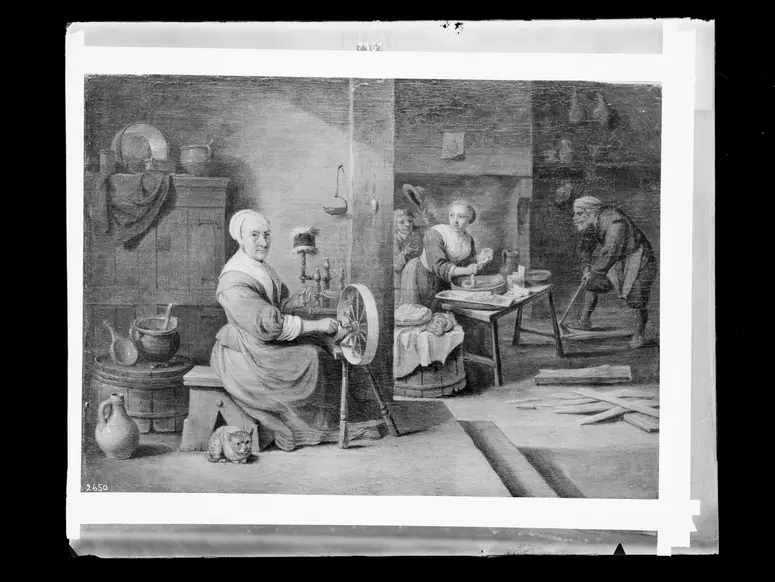
Spinnstube (Spinnerin und Köchin) J. Löwy, K. und K. Hof-Photograph, Kunst- und Verlagsanstalt (Wien) 1888 bis 1910
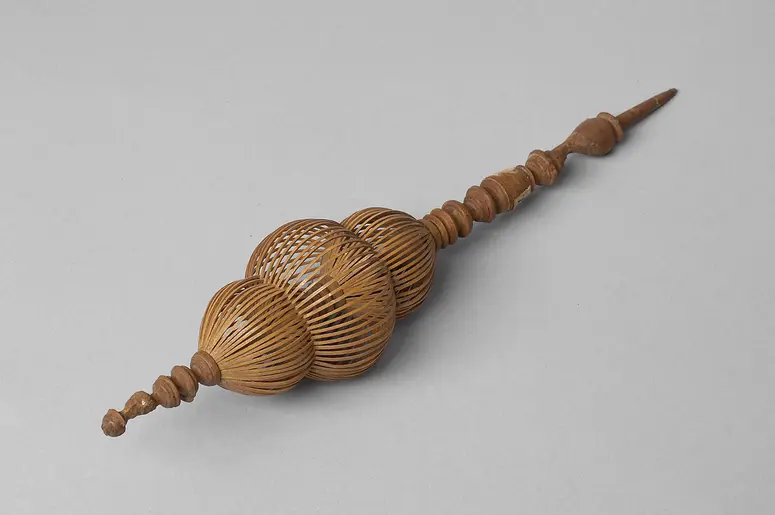
Spindel, Mikroschnitzerei, Drechselarbeit, Holzarbeit 2. Hälfte 16. Jahrhundert
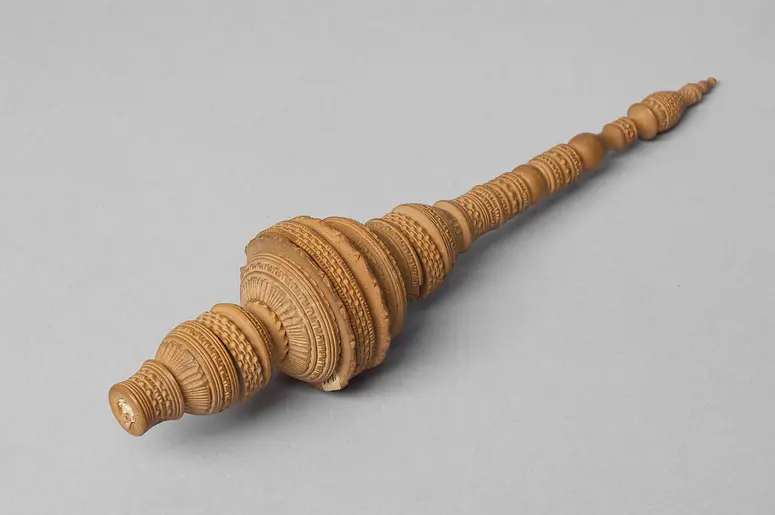
Spindel, Mikroschnitzerei, Drechselarbeit, Holzarbeit 2. Hälfte 16. Jahrhundert
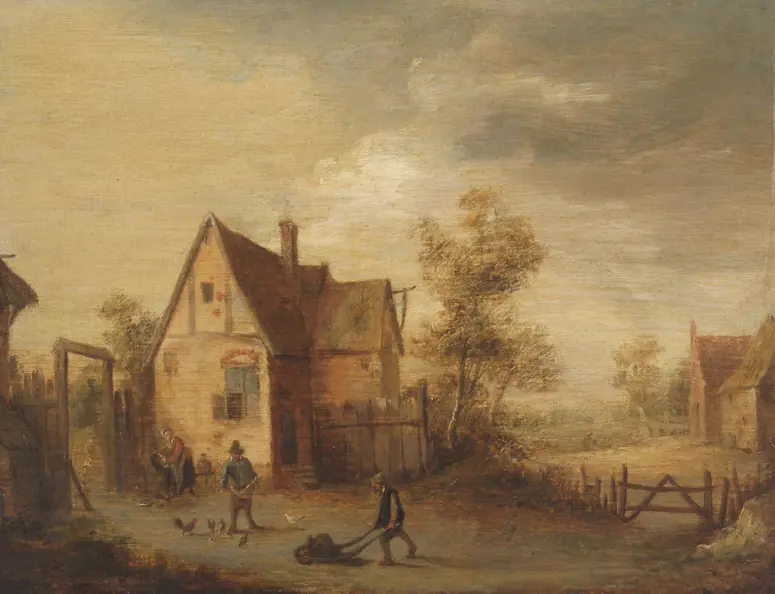

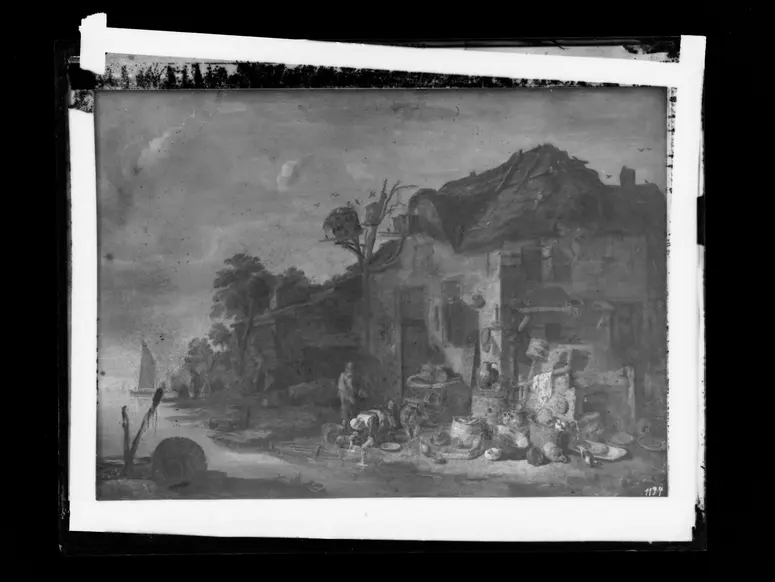
Bauernwirtschaft J. Löwy, K. und K. Hof-Photograph, Kunst- und Verlagsanstalt (Wien) 1888 bis 1891

Inschrift: Hirtenbrief des Erzbischofs Hypatios Frühchristlich, Spätantike 2. Viertel 6. Jh.
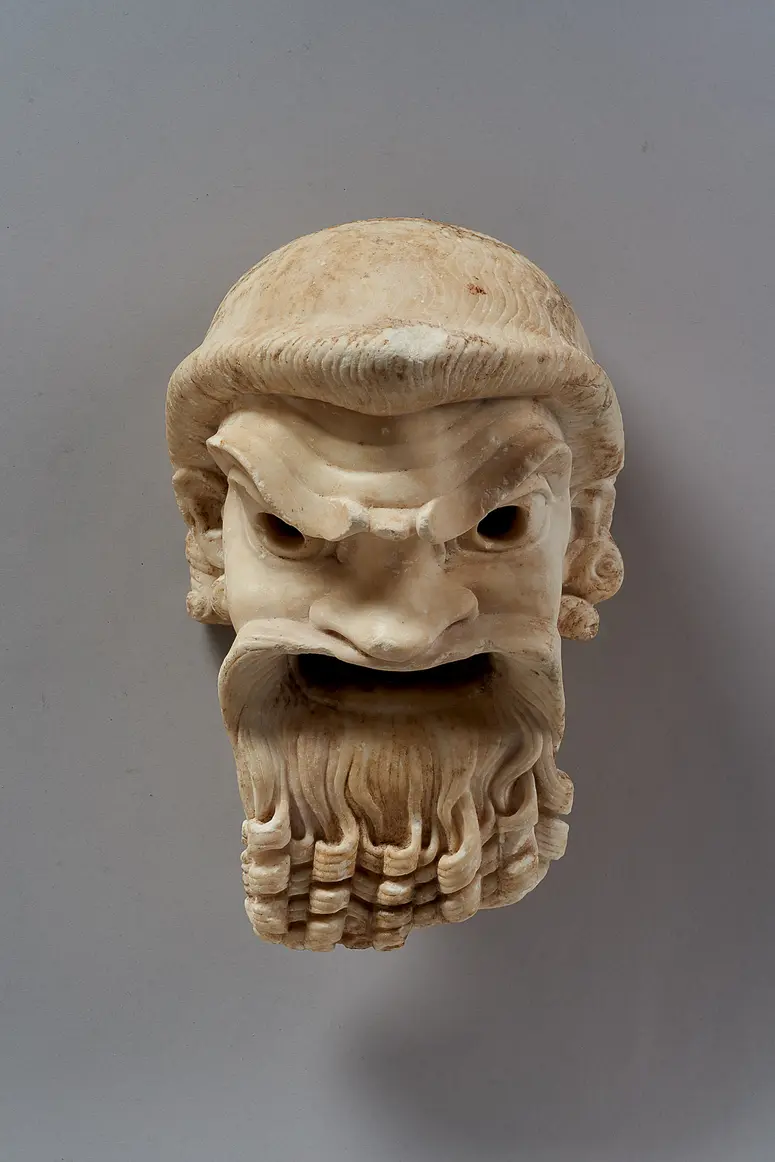
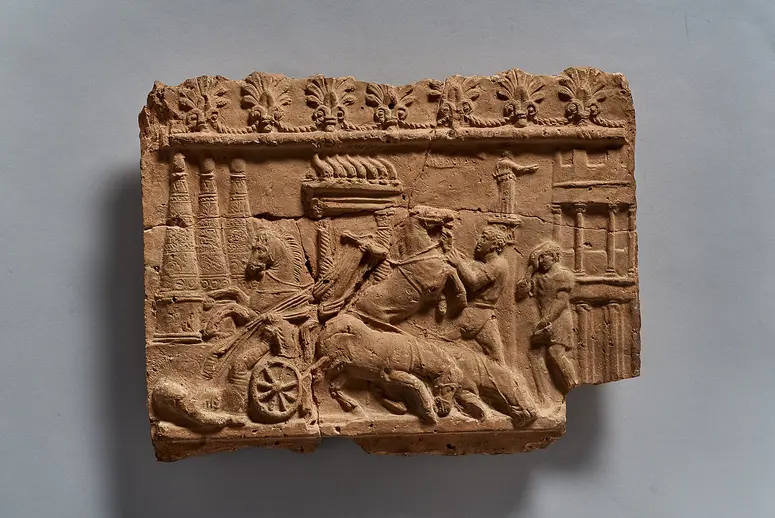
Campanarelief: Aufsatzplatte: Unfall beim Wagenrennen Römisch, Frühe Kaiserzeit Mitte 1. Jh. n. Chr.