Flanders, Brabant and Hainaut venerate the madonna
1654 | Theodor van Thulden
This allegory glorifies the blessings of the Peace of Westphalia in 1648: the cultural und economic flowering of the three provinces in the southern Netherlands under the Catholic rule of Spain. “Brabant” is kneeling on the left in front of the Vir- gin enthroned, “Hainaut” is bowing in the middle, and proud “Flandria” is standing on the right. Putti float down from the sky, bringing with them books and a cornucopia with gold- pieces. Never Rubens’s pupil, van Thulden nevertheless inte- grated the latter’s painting style in his work.
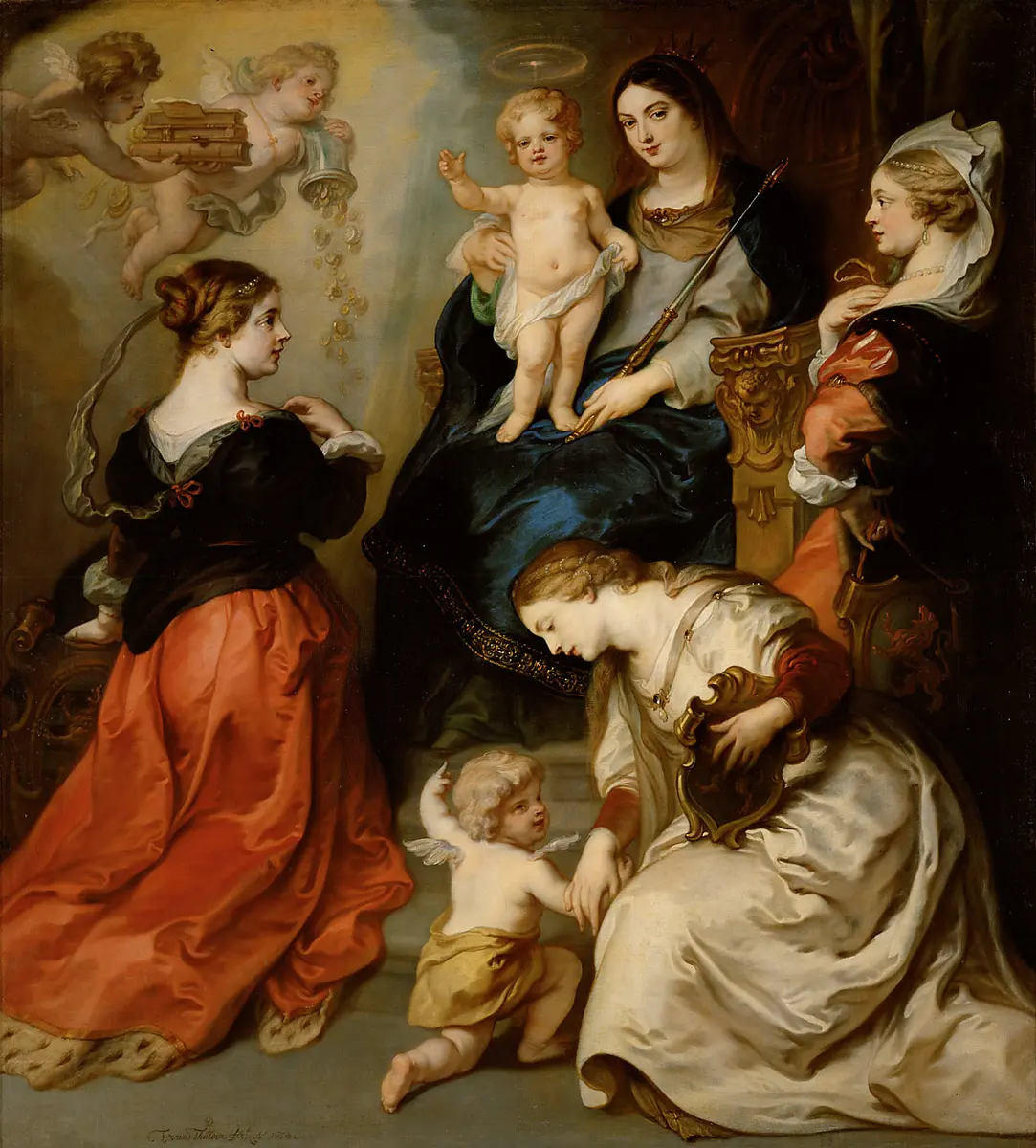
This allegory glorifies the blessings of the Peace of Westphalia in 1648: the cultural und economic flowering of the three provinces in the southern Netherlands under the Catholic rule of Spain. “Brabant” is kneeling on the left in front of the Vir- gin enthroned, “Hainaut” is bowing in the middle, and proud “Flandria” is standing on the right. Putti float down from the sky, bringing with them books and a cornucopia with gold- pieces. Never Rubens’s pupil, van Thulden nevertheless inte- grated the latter’s painting style in his work.
Artist:
Theodor van Thulden (1606 - 1669 Hertogenbosch) DNB
Time:
1654
Object Name
Painting
Culture
Flemish
Material/technology:
Canvas
Dimensions:
197 cm × 177 cm
Framed (gallery frame): 219,5 cm × 199,5 cm × 8 cm
Signed
Inscribed at lower left: T. van Thulden fec^t A° 1654
Copyright
Kunsthistorisches Museum, Gemäldegalerie
Invs.
Gemäldegalerie, 760
Provenance
1783 documented in the gallery
Browse more
Similar items you might be interested in
Heimsuchung Mariae J. Löwy, K. und K. Hof-Photograph, Kunst- und Verlagsanstalt (Wien) 1888 bis 1891
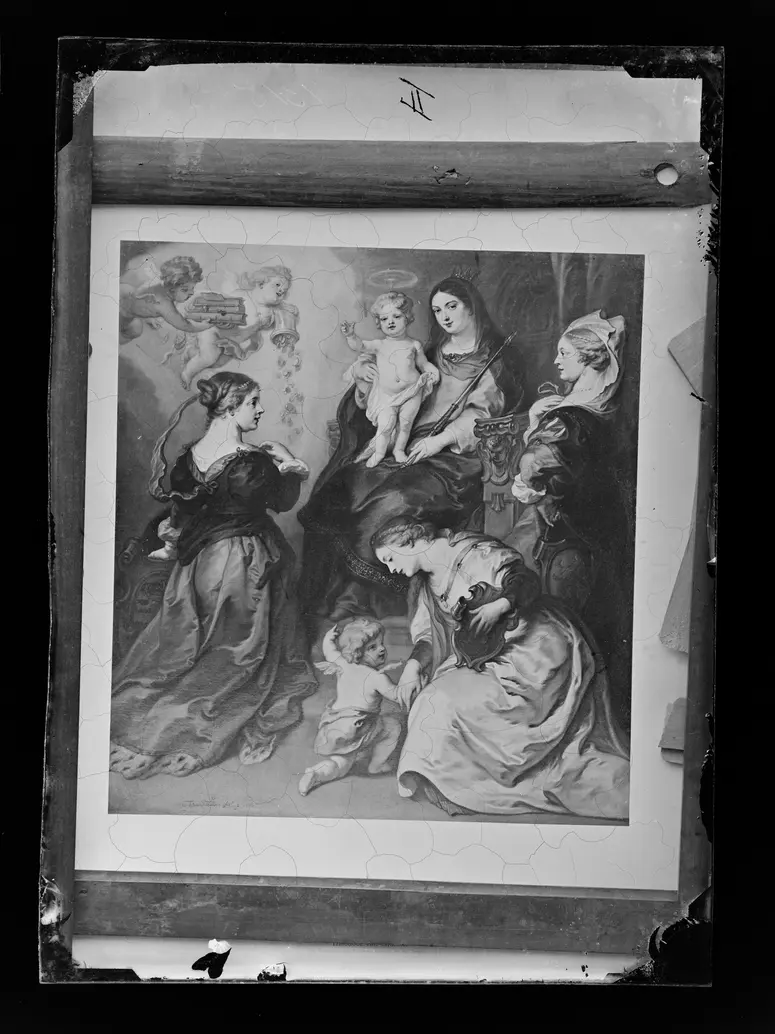
Die Provinzen Brabant, Hennegau und Flandern huldigen der Madonna J. Löwy, K. und K. Hof-Photograph, Kunst- und Verlagsanstalt (Wien) 1888 bis 1891
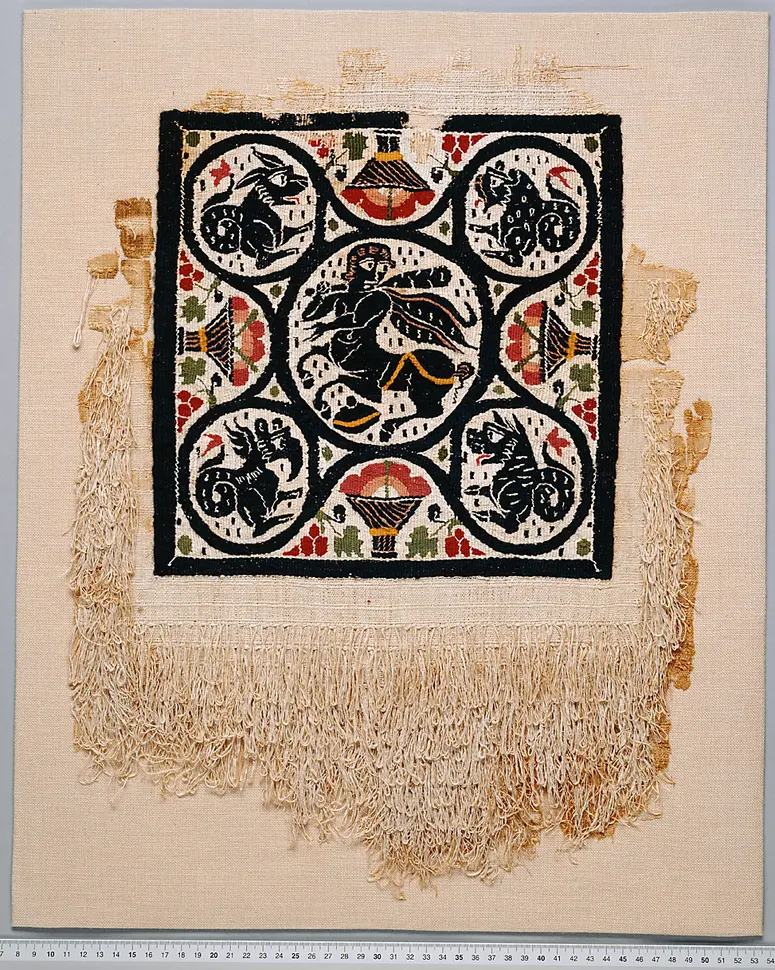
Bildeinsatz: Kentaur mit Seeungeheuern, Fruchtkörbe und Weinranken Spätrömisch, Spätantike 4. - 6. Jh. n. Chr.
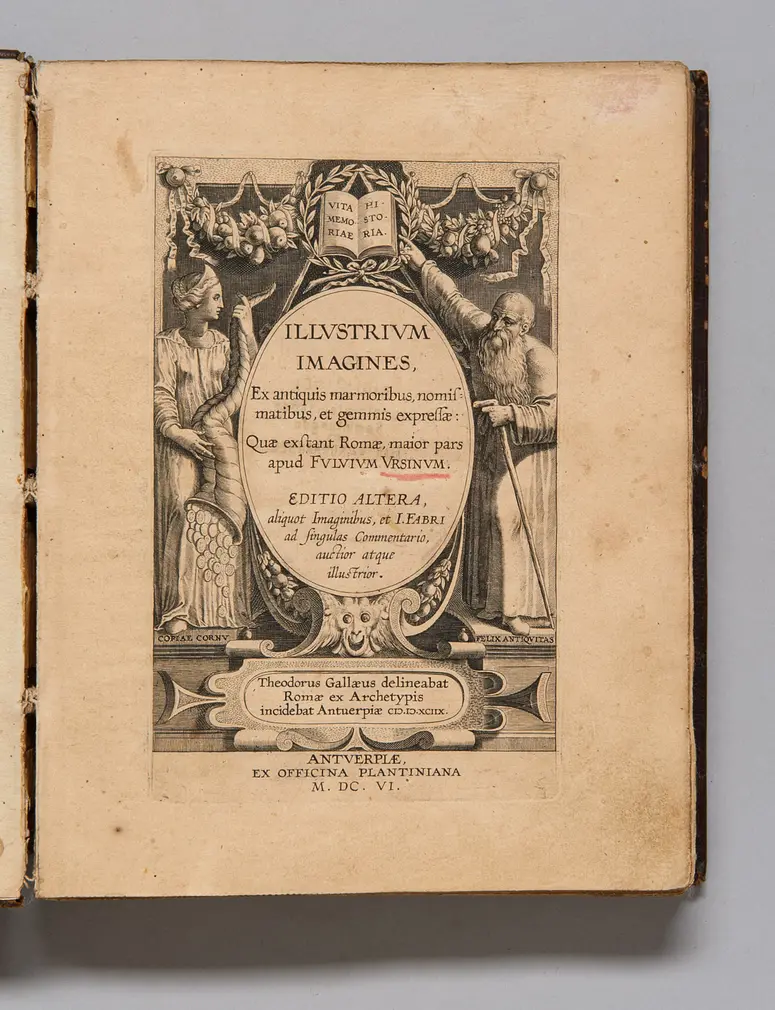
ILLUSTRIUM IMAGINES, Ex antiquis marmoribus, nomismatibus et gemmis expressae: Quae exstant Romae, major pars apud FULVIUM URSINUM. - Editio Altera, aliquot Imaginibus, et I.FABRI ad singulas Cammentario, auctior atque illustrior. - Theodorus Gallaeus delineabat Romae ex Archetypis incidebat Antuerpiae MDCXCIIX. Fulvio Orsini 1606
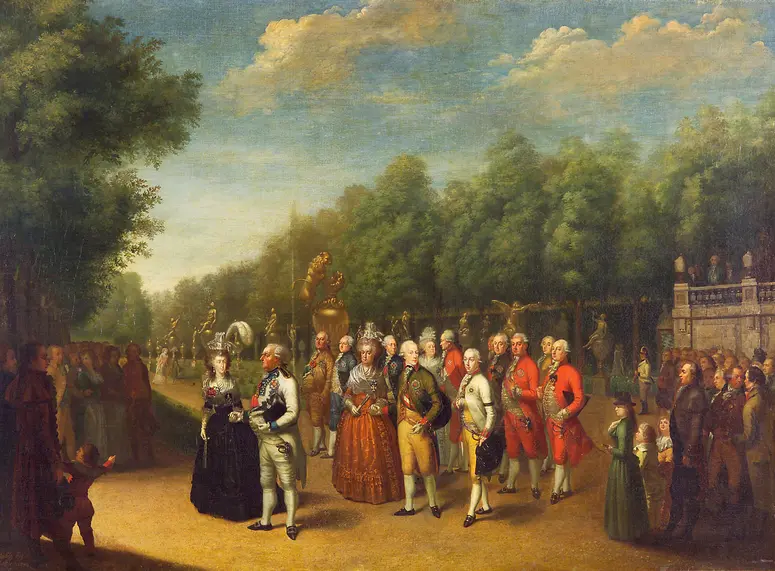
Kaiser Franz II.(I.) und Kurfürst Karl Theodor im Park von Schloss Nymphenburg Johann Baptist Hoechle 1793
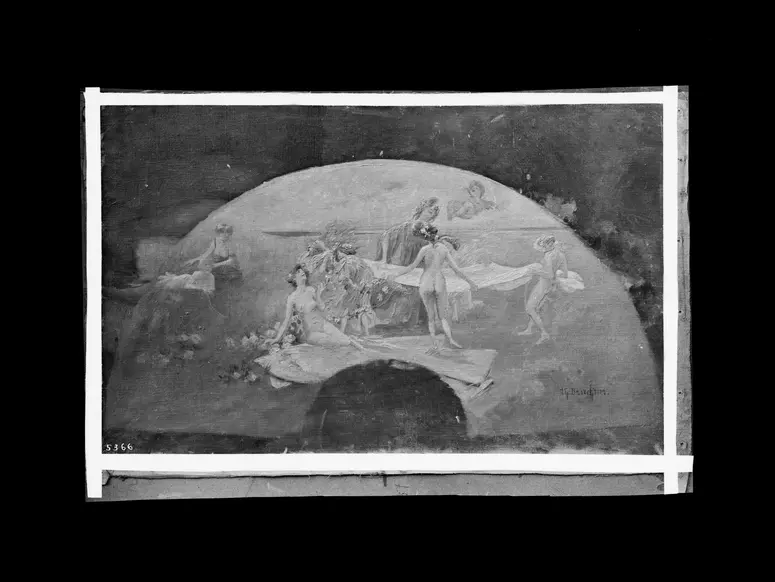
Fächerentwurf J. Löwy, K. und K. Hof-Photograph, Kunst- und Verlagsanstalt (Wien) 1888 bis 1910
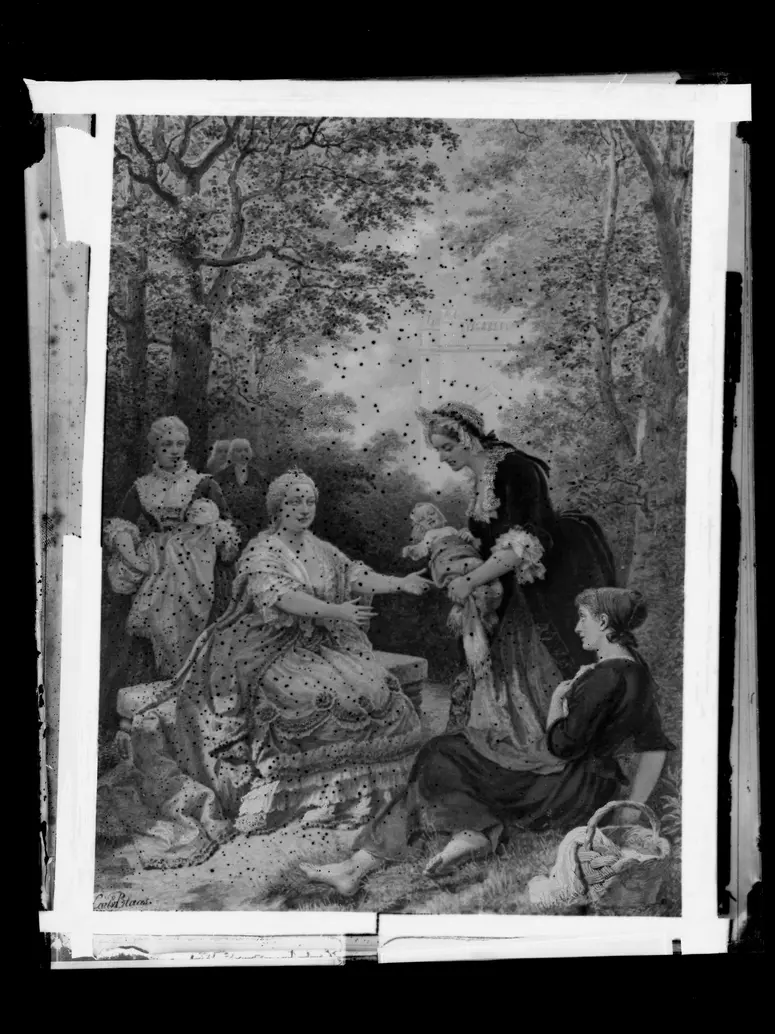
Maria Theresia und die Frau aus dem Volk J. Löwy, K. und K. Hof-Photograph, Kunst- und Verlagsanstalt (Wien) 1888 bis 1910
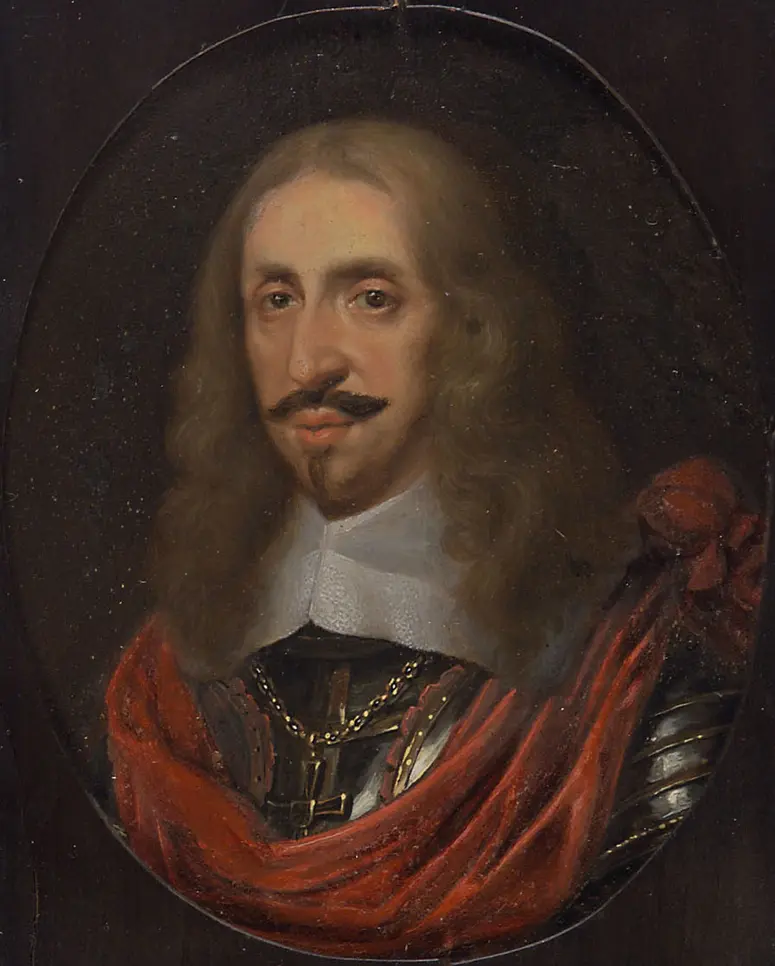
Leopold Wilhelm, geboren 1614, Bischof v. Passau u. Straßburg 1625, v. Halberstadt 1628, v. Olmütz 1637, v. Breslau 1655, Hoch- und Deutschmeister 1642, Statthalter d. Niederlande 1646-56, gestorben 1662; Sohn Kaiser Ferdinands II. aus 1. Ehe Baron Theodor Caspar von Fürstenberg 1656 dok.
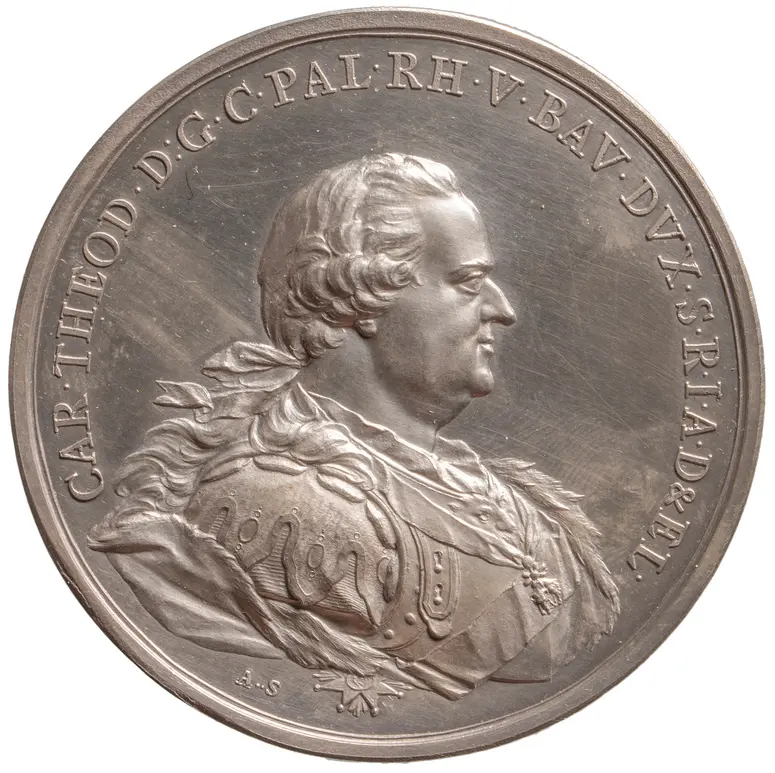
Karl Theodor (1742-1799), ab 1742 als Karl IV. Pfalzgraf bei Rhein und Kurfürst, ab 1777 als Kar 1781