Die Erschaffung des Pferdes
um 1640/50 | Jacob Jordaens
The Emperor Leopold I bought this series comprising eight tapistries with depicitions of riding lessons in 1666, probably on the occasion of his wedding to the Infanta Margarita Teresa of Spain. During the reign of King Henry IV, Antoine de Pluvinel, the famous French riding master, had founded a riding academy in Paris and had taught the king´s son, the future King Louis XIII. In 1623, de Pluvinel published a written account of his lessons that was illustrated by Crispin de Pas the younger. These illustrations served as models for the different riders in the series. In the 17th century, dressage was among the most popular subjects of tapestry makers of Brussels. The depiction of Neptune´s creation of the horse characterises riding as a royal exercise. It is modeled on a composition by Jacob Jordaens that has survived in an oil painting now in the Palazzo Pitti in Florence. This tapestry was woven in the workshop of the Leyniers family whose members were among the leading dyers and weavers in Brussels for over four hundred years. Aus: Das Kunsthistorische Museum in Wien, Prestel Museumsführer, München/Berlin/London/New York 2007, 118-119 (Katja Schmitz-von Ledebur).
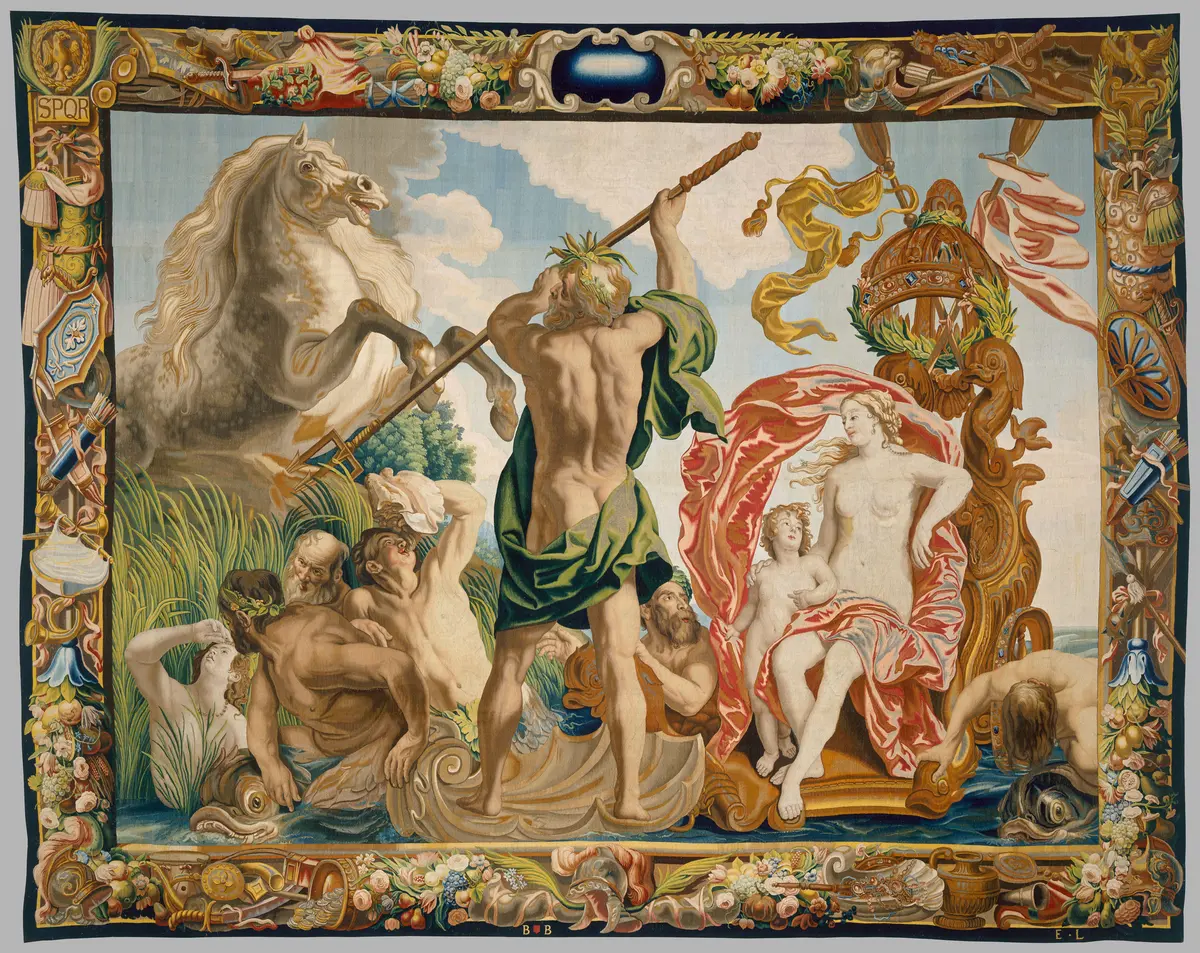
The Emperor Leopold I bought this series comprising eight tapistries with depicitions of riding lessons in 1666, probably on the occasion of his wedding to the Infanta Margarita Teresa of Spain. During the reign of King Henry IV, Antoine de Pluvinel, the famous French riding master, had founded a riding academy in Paris and had taught the king´s son, the future King Louis XIII. In 1623, de Pluvinel published a written account of his lessons that was illustrated by Crispin de Pas the younger. These illustrations served as models for the different riders in the series. In the 17th century, dressage was among the most popular subjects of tapestry makers of Brussels. The depiction of Neptune´s creation of the horse characterises riding as a royal exercise. It is modeled on a composition by Jacob Jordaens that has survived in an oil painting now in the Palazzo Pitti in Florence. This tapestry was woven in the workshop of the Leyniers family whose members were among the leading dyers and weavers in Brussels for over four hundred years. Aus: Das Kunsthistorische Museum in Wien, Prestel Museumsführer, München/Berlin/London/New York 2007, 118-119 (Katja Schmitz-von Ledebur).
Draft:
Jacob Jordaens (1593 Antwerpen - 1678 Antwerpen) DNB
Manufactory:
Everard Leyniers (um 1597 - 1680)
Time:
um 1640/50
Object Name
Tapisserie
Culture
Brüssel
Material/technology:
Kette: Wolle, Schuß: Wolle/Seide, Gold und Silber
Kettfäden pro cm: 8
Copyright
Kunsthistorisches Museum, Kunstkammer
Invs.
Kunstkammer, T XL 1
Browse more
Similar items you might be interested in
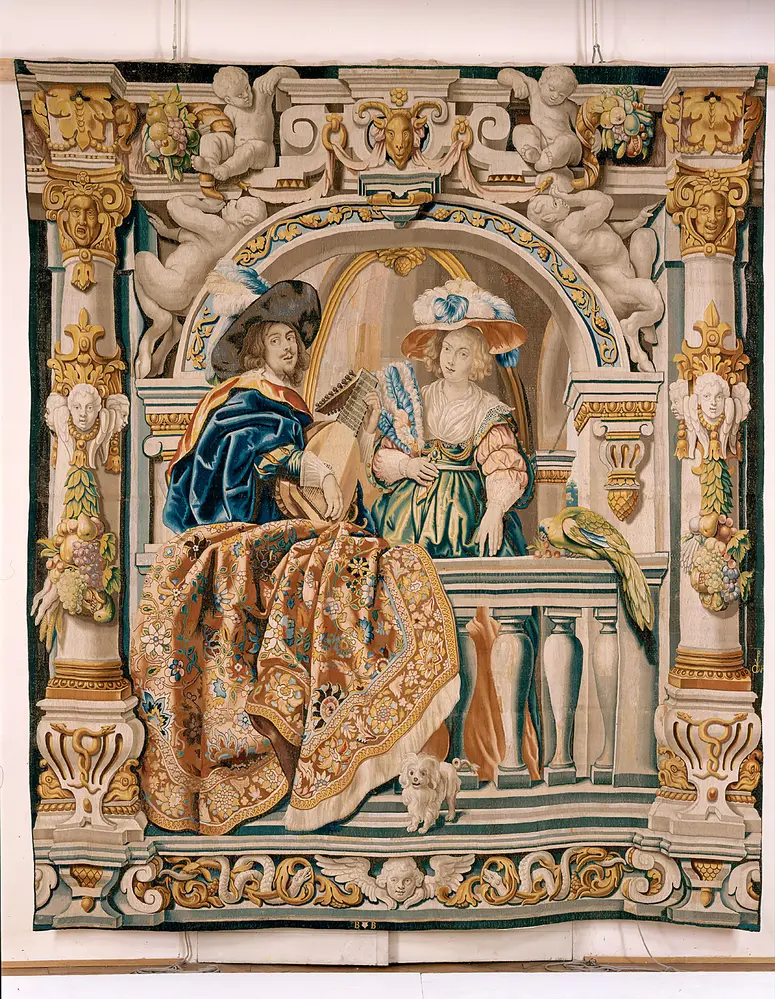
4. Lautenspielender Kavalier mit seiner Dame Szenen aus dem Landleben (8 Stücke) 2. Viertel 17. Jahrhundert
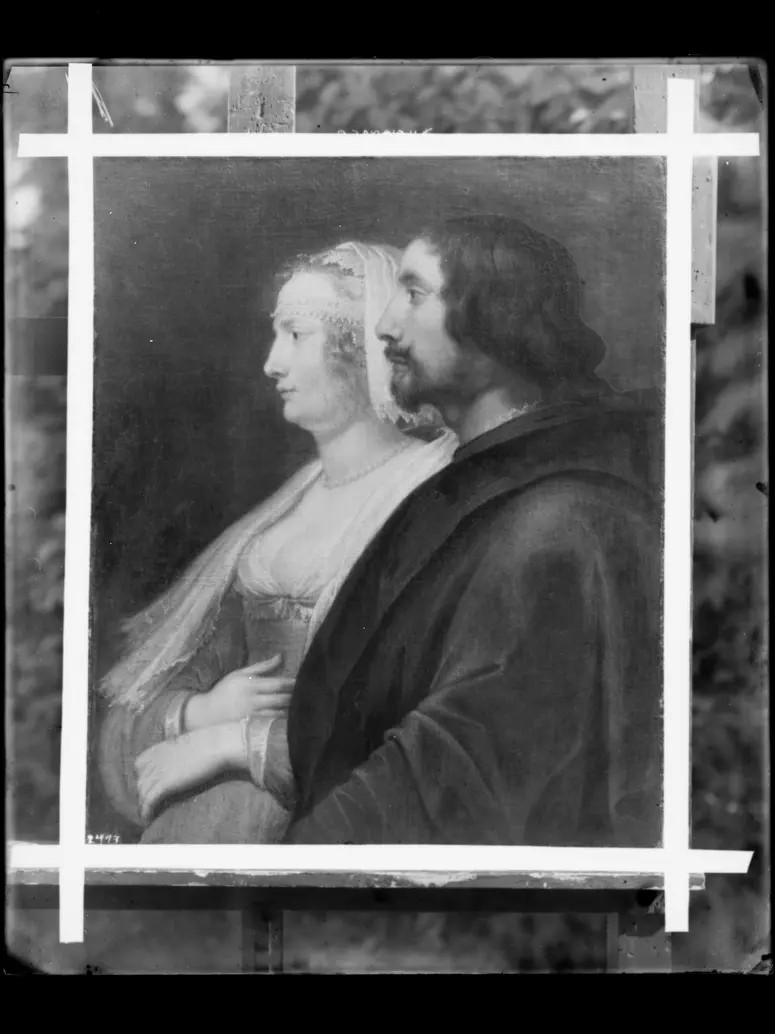
Doppelbildnis J. Löwy, K. und K. Hof-Photograph, Kunst- und Verlagsanstalt (Wien) 1888 bis 1910
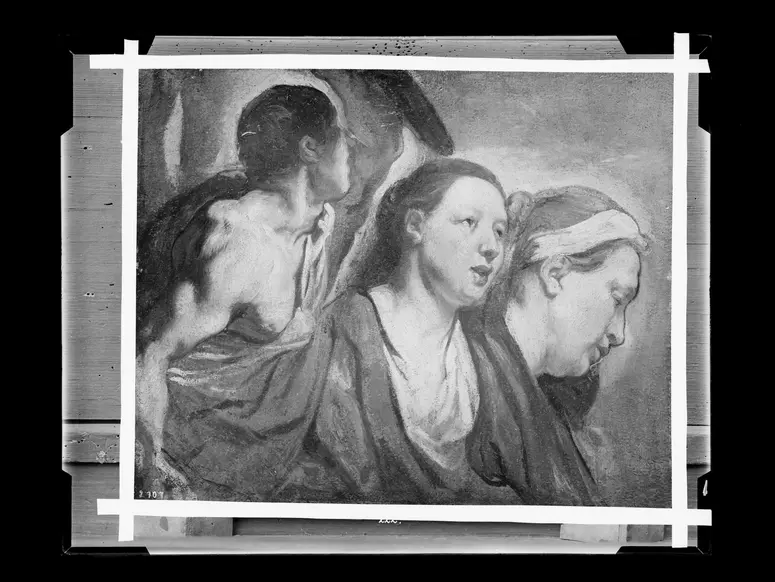
Drei Frauenköpfe J. Löwy, K. und K. Hof-Photograph, Kunst- und Verlagsanstalt (Wien) 1888 bis 1910

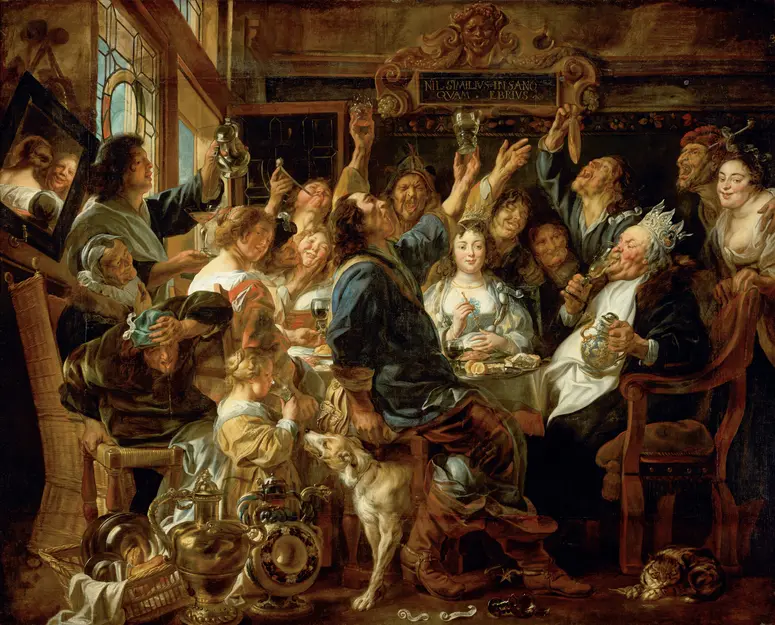
Fest des Bohnenkönigs J. Löwy, K. und K. Hof-Photograph, Kunst- und Verlagsanstalt (Wien) 1888 bis 1891
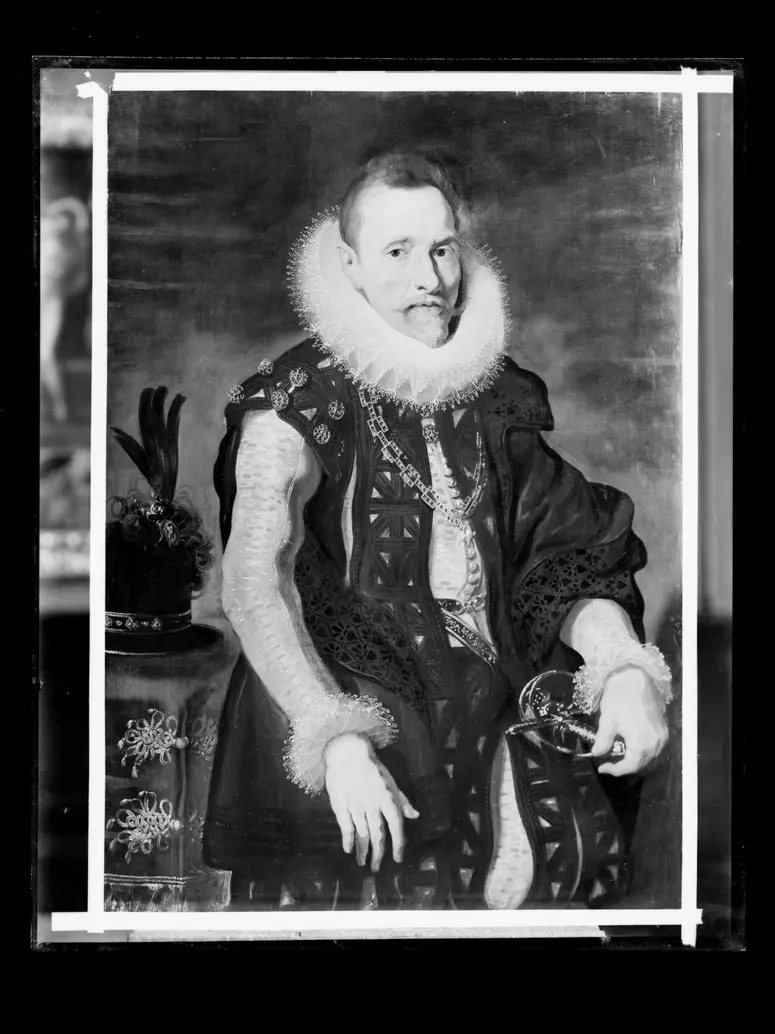
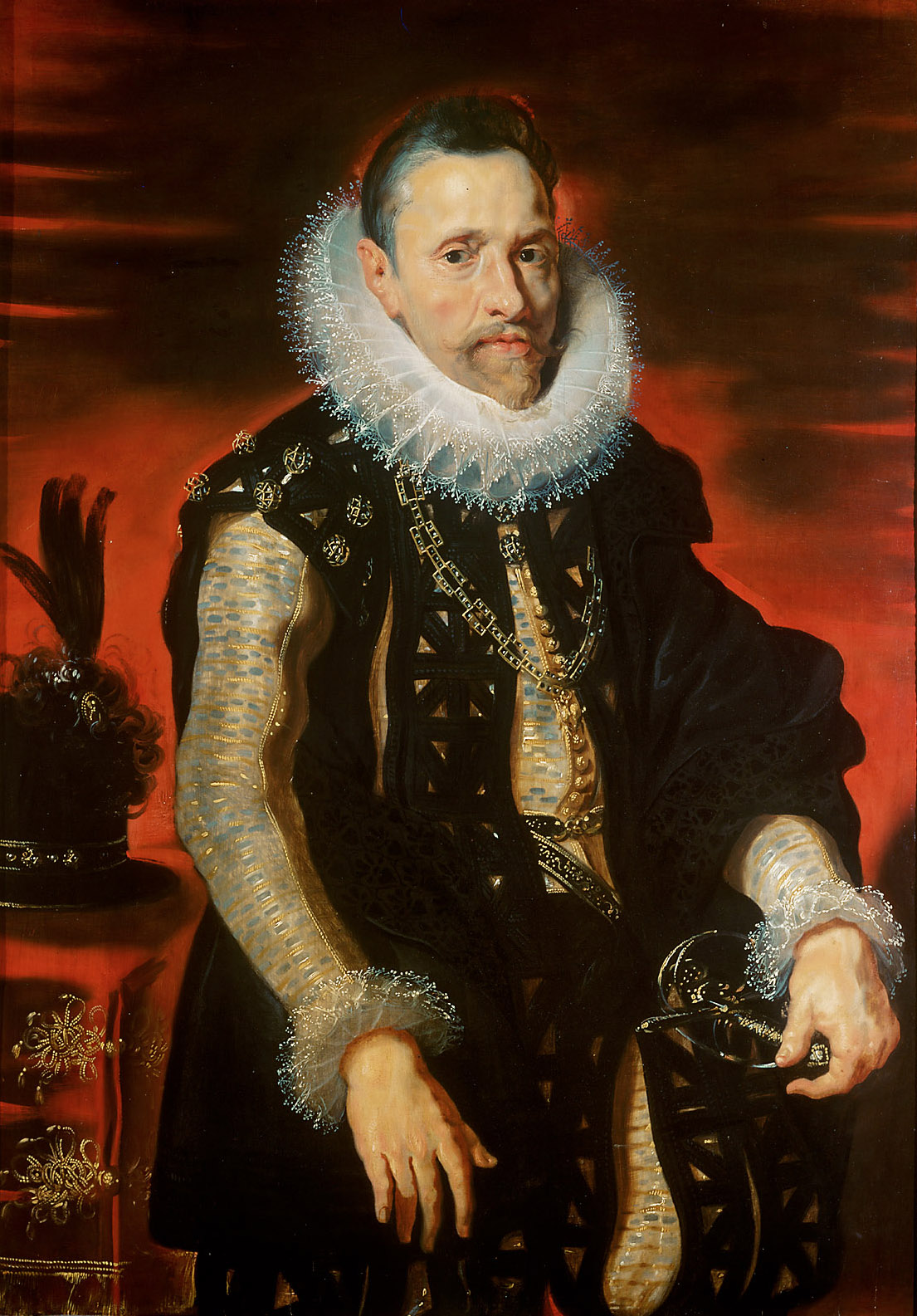
Erzherzog Albrecht VII. (1559-1621) J. Löwy, K. und K. Hof-Photograph, Kunst- und Verlagsanstalt (Wien) 1888 bis 1891
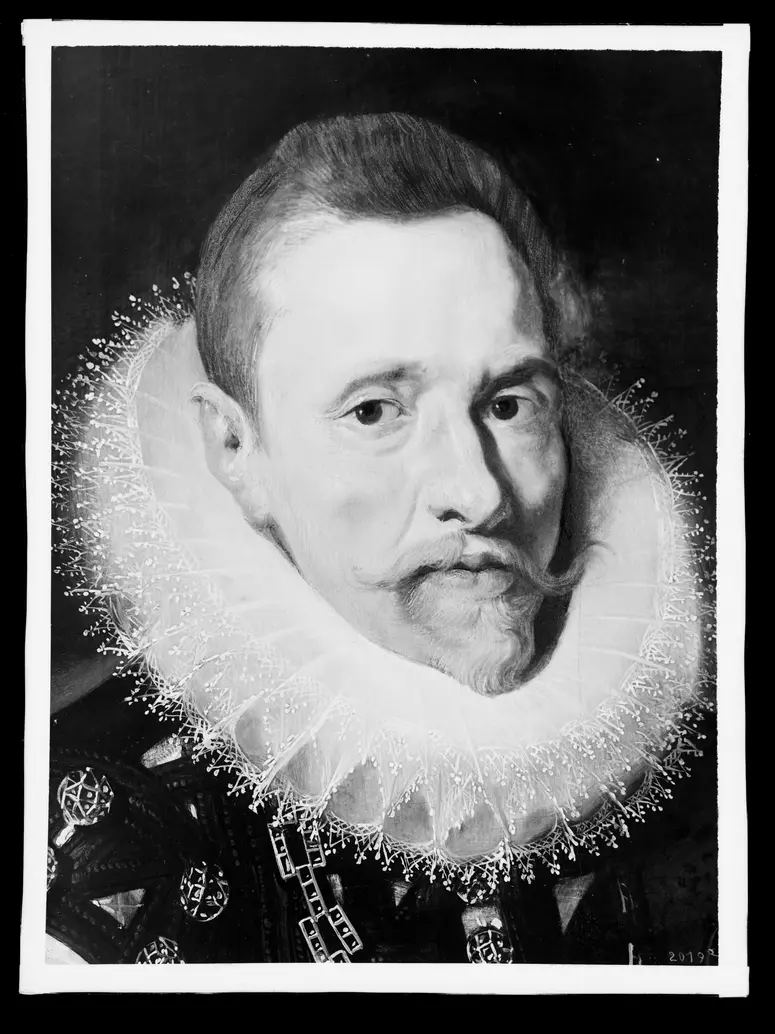
Erzherzog Albrecht VII. (1559-1621) J. Löwy, K. und K. Hof-Photograph, Kunst- und Verlagsanstalt (Wien) 1888 bis 1891
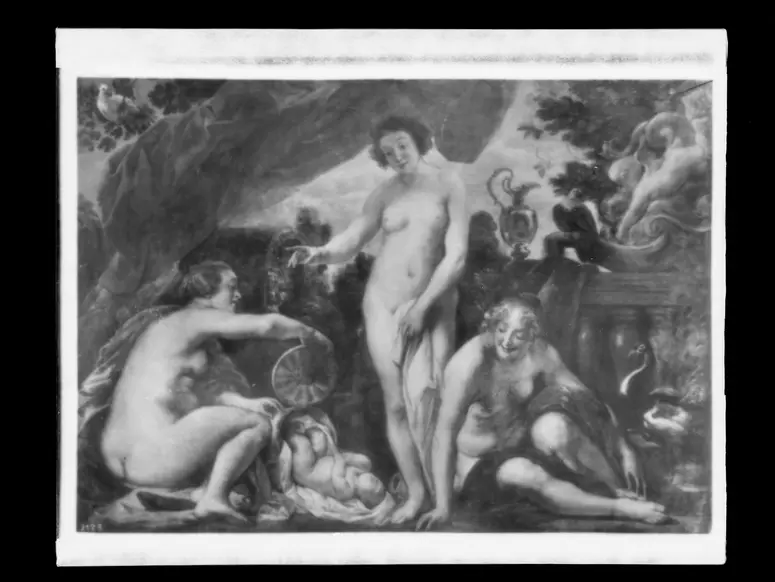
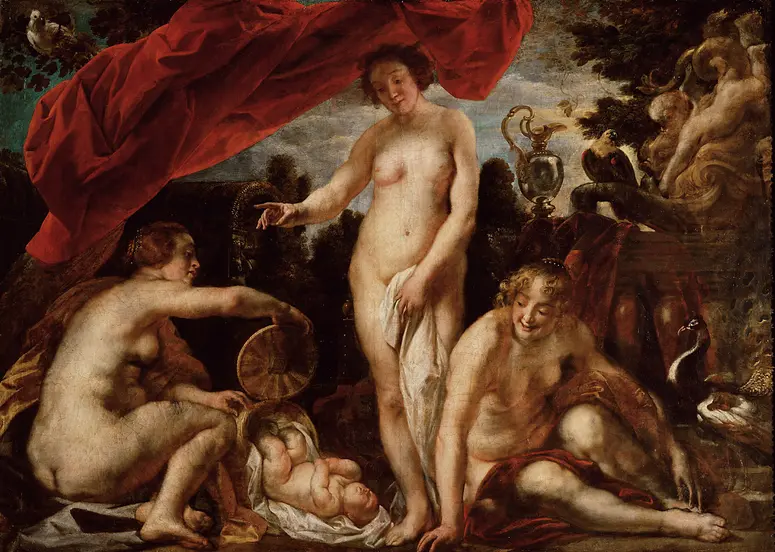
Die Töchter des Kekrops finden den kleinen Erichthonios J. Löwy, K. und K. Hof-Photograph, Kunst- und Verlagsanstalt (Wien) 1888 bis 1891
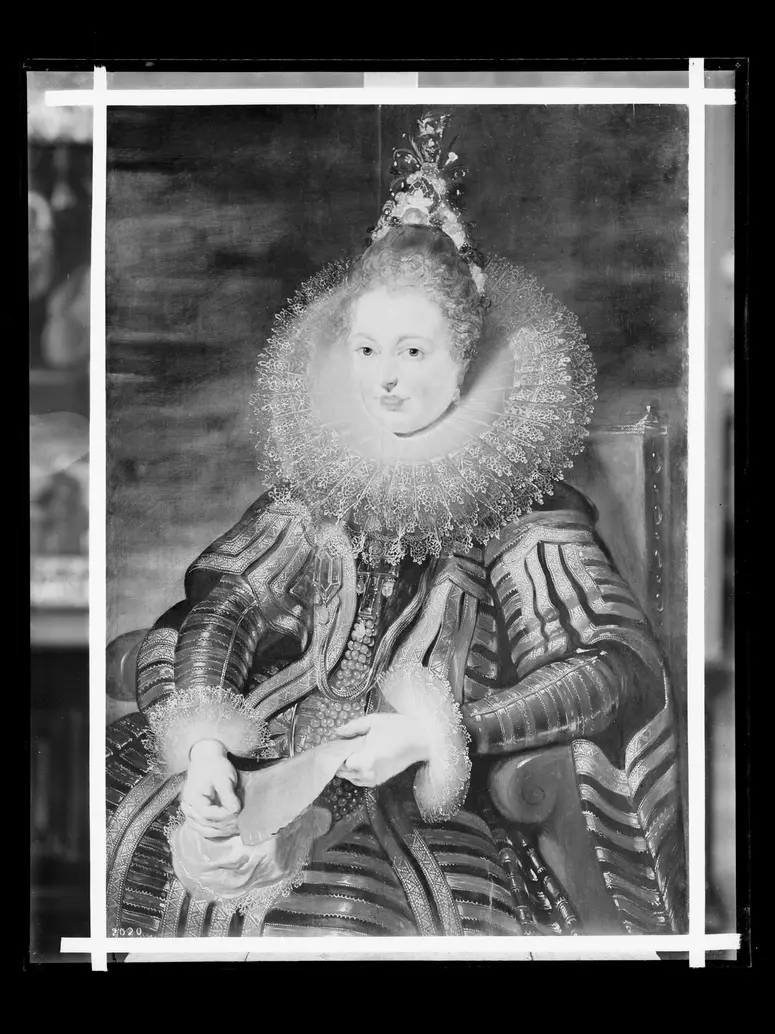
Infantin Isabella Klara Eugenia (1566-1633), Gemahlin von Albrecht VII. J. Löwy, K. und K. Hof-Photograph, Kunst- und Verlagsanstalt (Wien) 1888 bis 1891
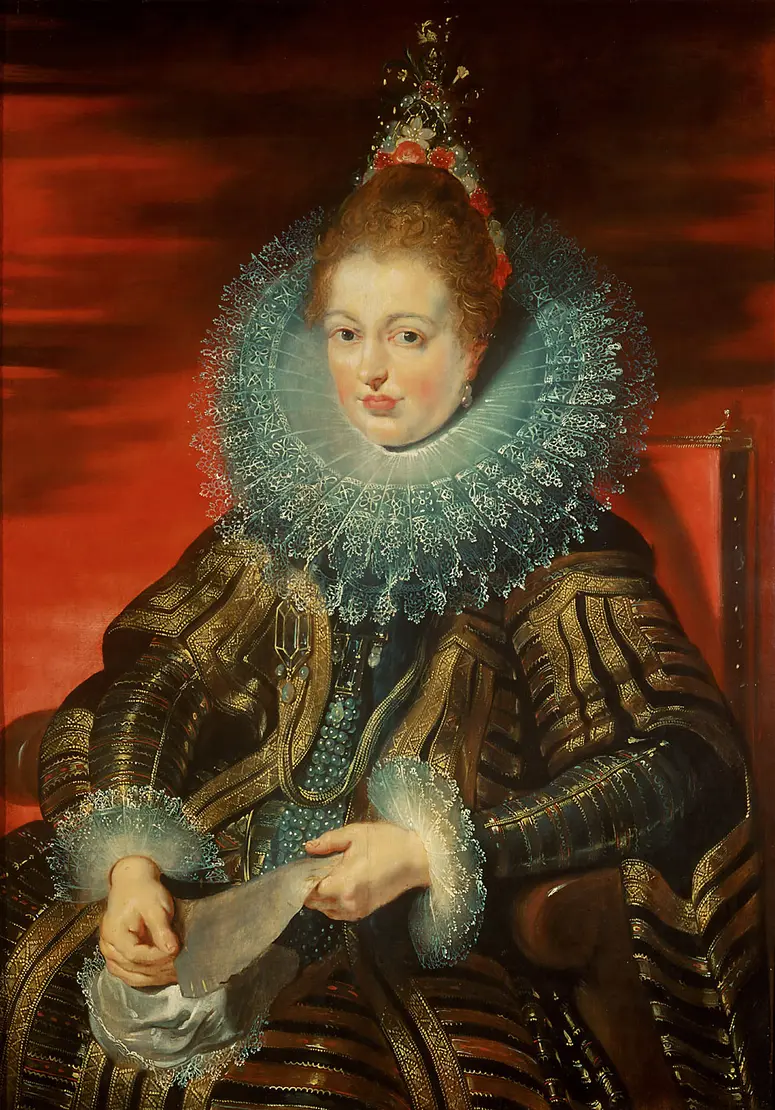
Infanta Isabella Clara Eugenia Jacob Jordaens around 1618
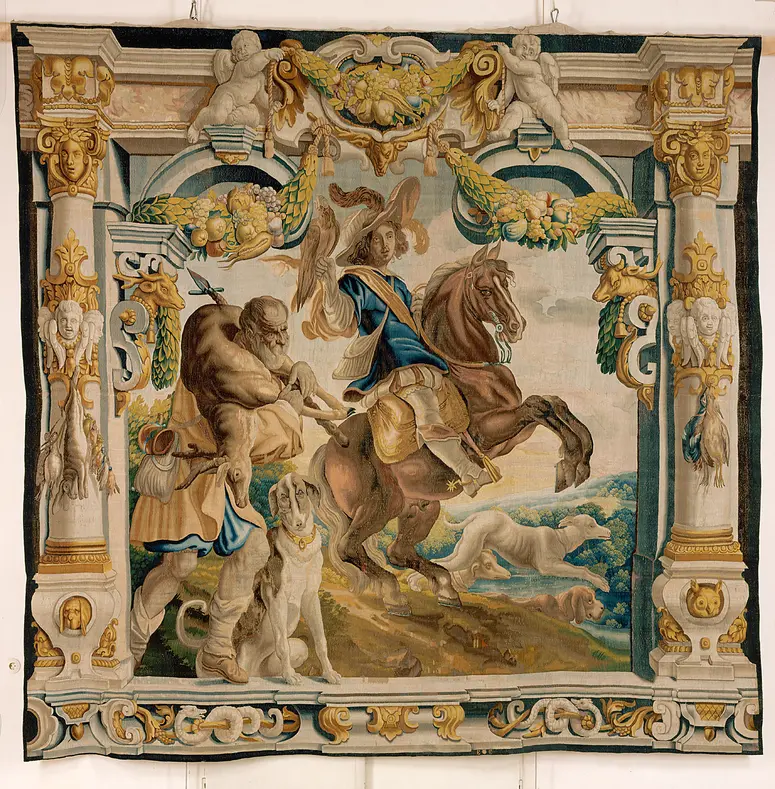
2. Jäger zu Pferd, einen Falken auf der Faust Szenen aus dem Landleben (8 Stücke) 2. Viertel 17. Jahrhundert