Violin
2nd half of the 18th century | Simon Johann Havelka
According to a hand-written label inside the body, this violin came from the estate of Leopold Mozart. From 1743 onwards, he occupied the position of violinist in the Archducal Bishop’s hofkapelle and as a teacher at the Kapellknaben-Institut (choirboys’ school). Thanks to his musical talent he was promoted to the position of court composer in 1757 and vice kapellmeister of the Ducal Archbishop in 1763. His experience as a violin player is reflected in his treatise Versuch einer gründlichen Violinschule which was published in 1756. Besides a training in purely technical aspects of violin playing, the work offers a comprehensive practical and theoretical musical apprenticeship. After his death in 1787, Leopold Mozart’s violin was inherited by his daughter Maria Anna (Nannerl). She was the third wife of Berchtold von Sonnenburg. He had been married to Maria Anna Johanna Mayrhofer, his second wife († 1783). Through Nannerl Mozart the instrument came into the possession of the Mayrhofer family. At the beginning of the 19th century the violin underwent the repairs that gave it its present appearance. The fingerboard was replaced, along with the striking ivory pegs and a new tailpiece inscribed with the name »Carl v. Mayrhofer«. (rh)
Lit.:Rudolf Hopfner: Masterpieces from the Collection of Historic Musical Instruments. A Short Guide through the Kunsthistorisches Museum Vienna, Vol. 1, Vienna 2019Rita Steblin: Eine Violine aus dem Besitz von Leopold Mozart?, in: Die Klangwelt Mozarts, hg.von G. Stradner, Kunsthistorisches Museum, Vienna 1991, p. 32-37, 194-195.
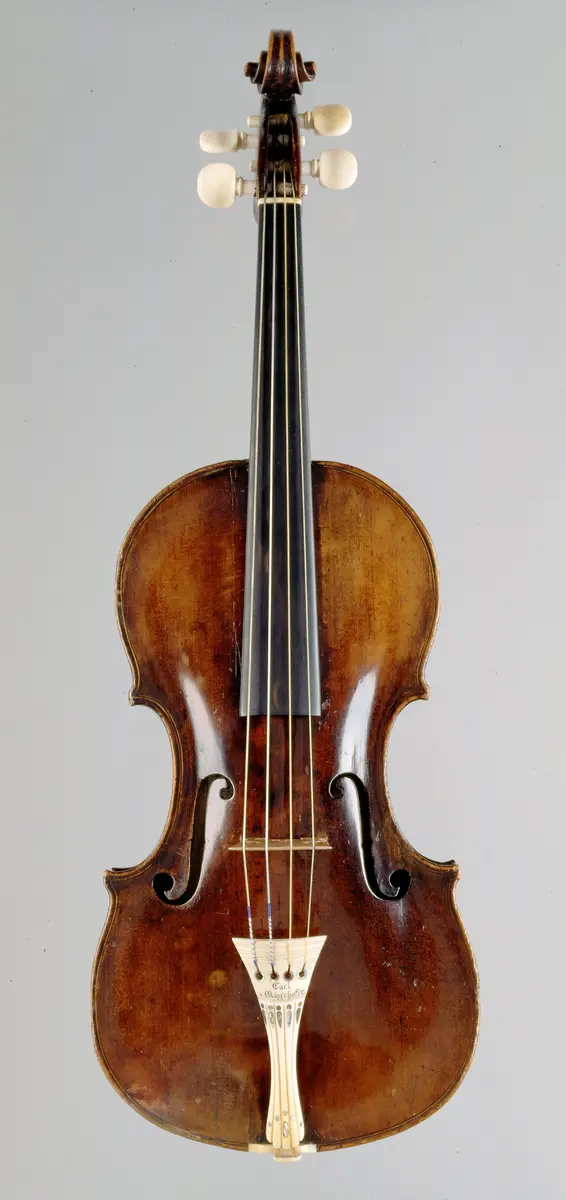
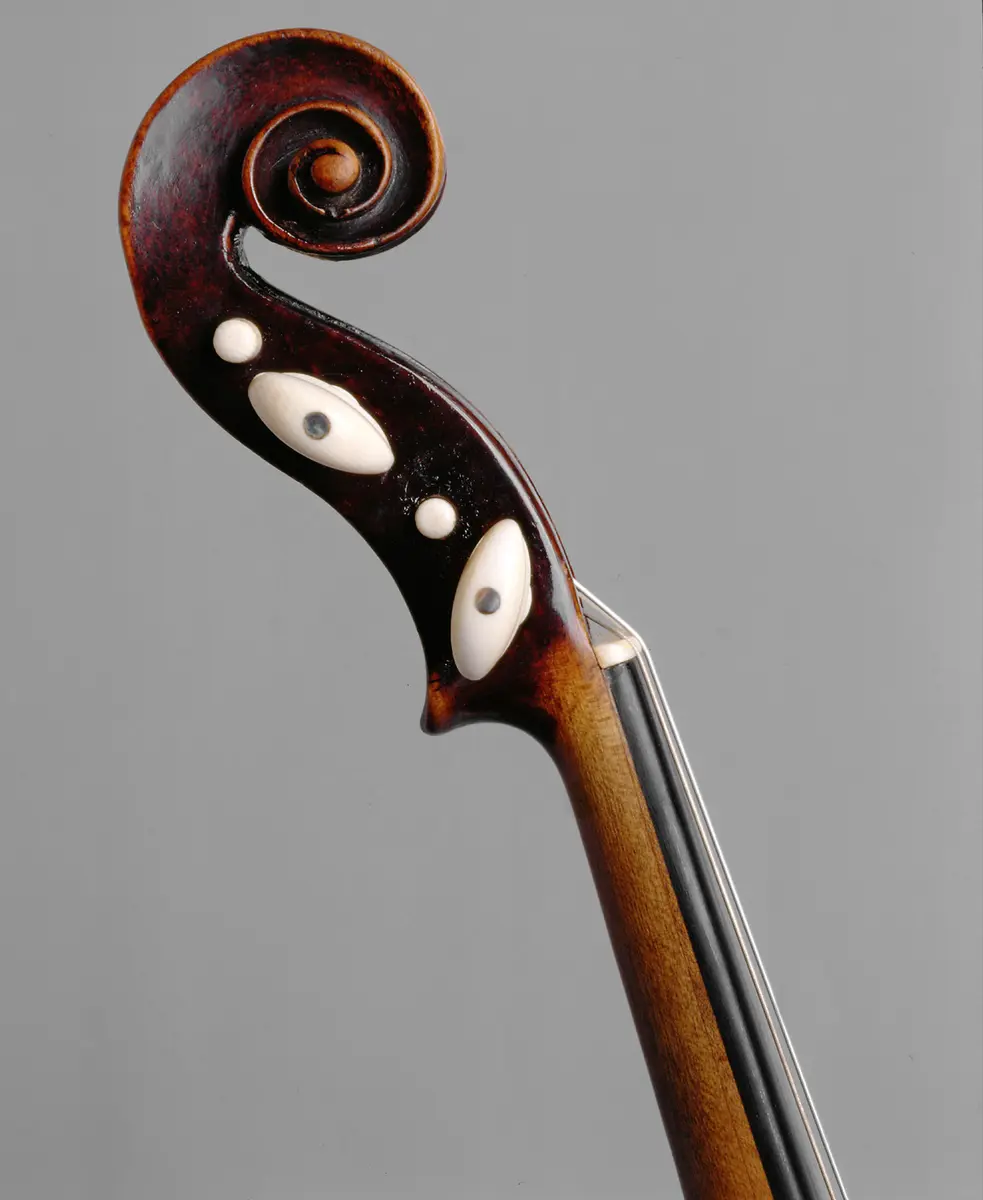
According to a hand-written label inside the body, this violin came from the estate of Leopold Mozart. From 1743 onwards, he occupied the position of violinist in the Archducal Bishop’s hofkapelle and as a teacher at the Kapellknaben-Institut (choirboys’ school). Thanks to his musical talent he was promoted to the position of court composer in 1757 and vice kapellmeister of the Ducal Archbishop in 1763. His experience as a violin player is reflected in his treatise Versuch einer gründlichen Violinschule which was published in 1756. Besides a training in purely technical aspects of violin playing, the work offers a comprehensive practical and theoretical musical apprenticeship. After his death in 1787, Leopold Mozart’s violin was inherited by his daughter Maria Anna (Nannerl). She was the third wife of Berchtold von Sonnenburg. He had been married to Maria Anna Johanna Mayrhofer, his second wife († 1783). Through Nannerl Mozart the instrument came into the possession of the Mayrhofer family. At the beginning of the 19th century the violin underwent the repairs that gave it its present appearance. The fingerboard was replaced, along with the striking ivory pegs and a new tailpiece inscribed with the name »Carl v. Mayrhofer«. (rh)
Lit.:Rudolf Hopfner: Masterpieces from the Collection of Historic Musical Instruments. A Short Guide through the Kunsthistorisches Museum Vienna, Vol. 1, Vienna 2019Rita Steblin: Eine Violine aus dem Besitz von Leopold Mozart?, in: Die Klangwelt Mozarts, hg.von G. Stradner, Kunsthistorisches Museum, Vienna 1991, p. 32-37, 194-195.
Attributed to:
Simon Johann Havelka
Time:
2nd half of the 18th century
Object Name
Violin
Culture
Austria, Linz
Dimensions:
591 mm x 200 mm x 100 mm
Copyright
Kunsthistorisches Museum, Sammlung alter Musikinstrumente
Invs.
Sammlung alter Musikinstrumente, 1043
Browse more
Similar items you might be interested in
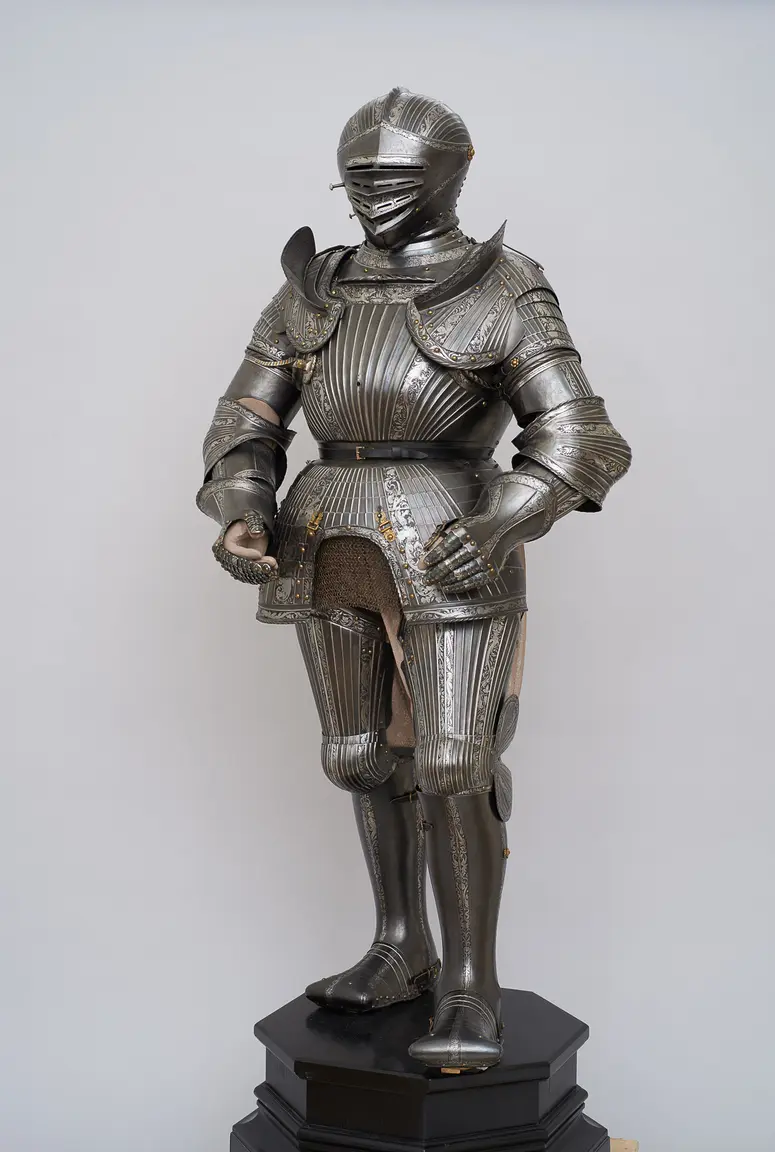
Riefelharnisch, Riefelküriss: Fluted field armour Johann Friedrich I. (1532-1547), Kurfürst von Sachsen Dated 1530
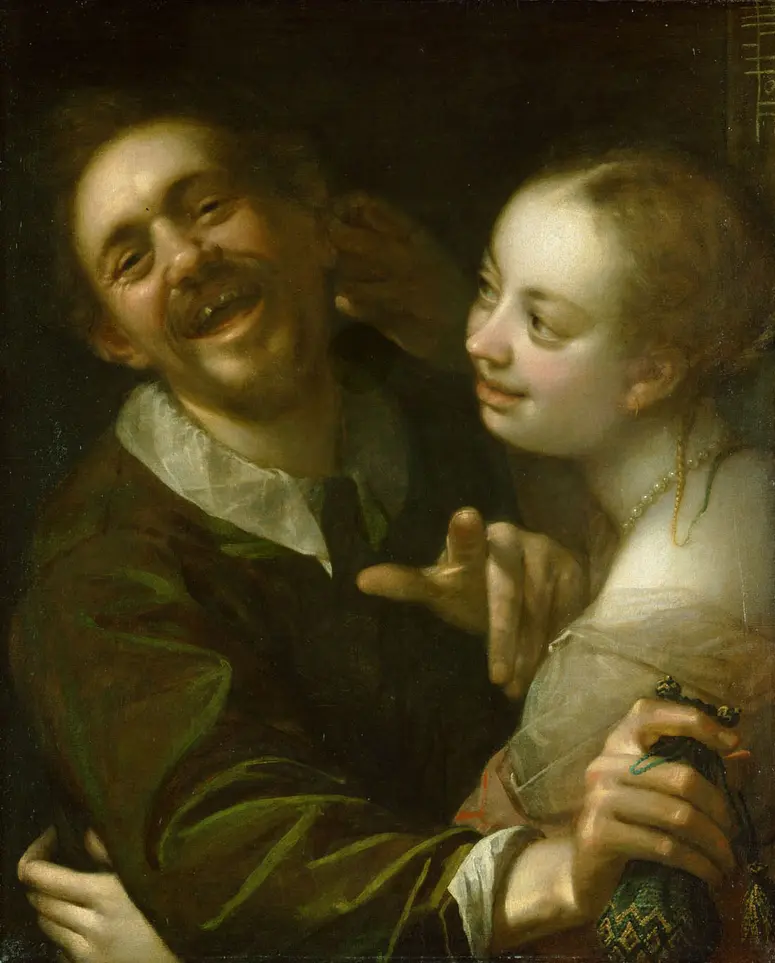
“Joking Couple”, Self-Portrait of the Artist with his Wife Hans von Aachen around 1596
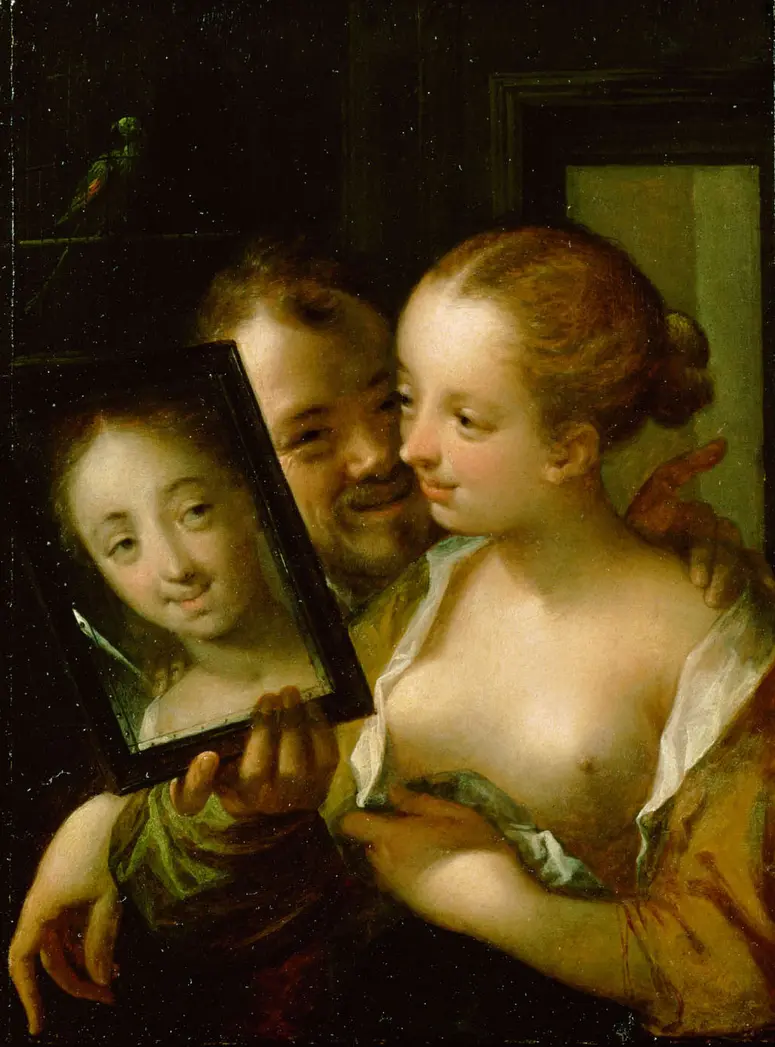
Leopold V. (1619-1632), Erzherzog und Graf von Tirol, Bischof von Passau und Straßburg 1628
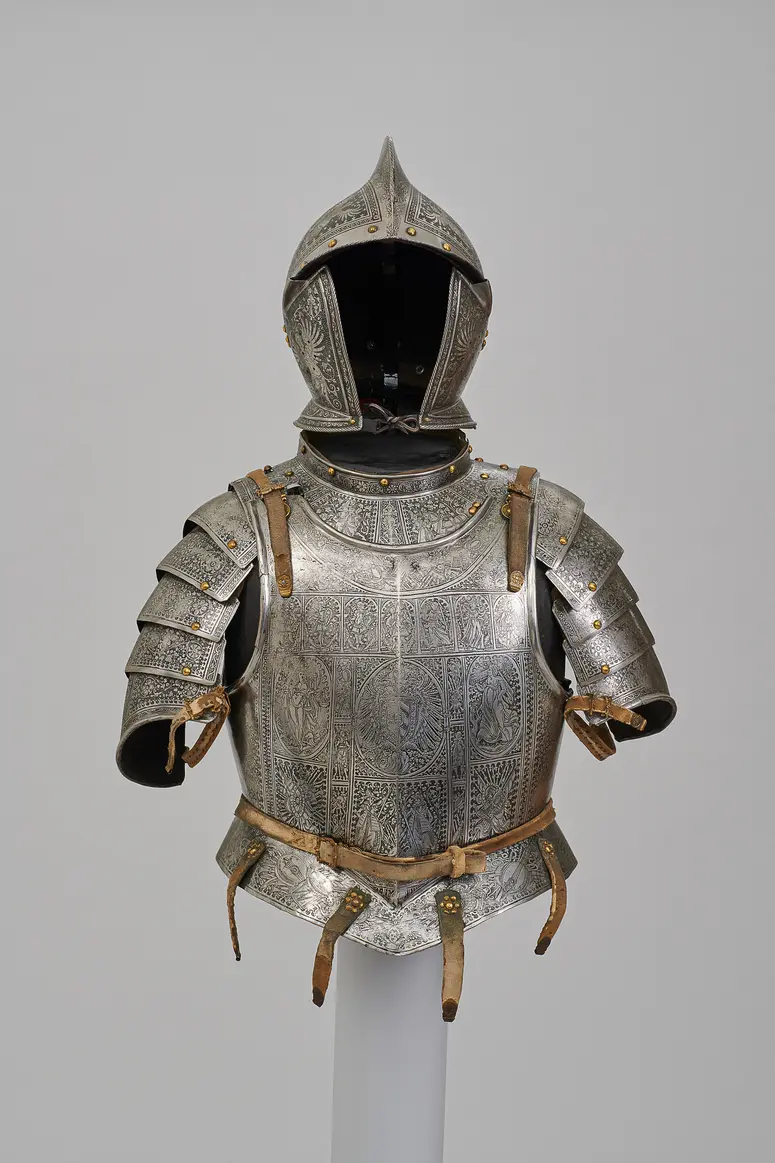
Hans Becher d. Ä. Plattnerarbeiten spätes 16. Jahrhundert, Ätzung datiert 1618, tlw. Ergänzungen
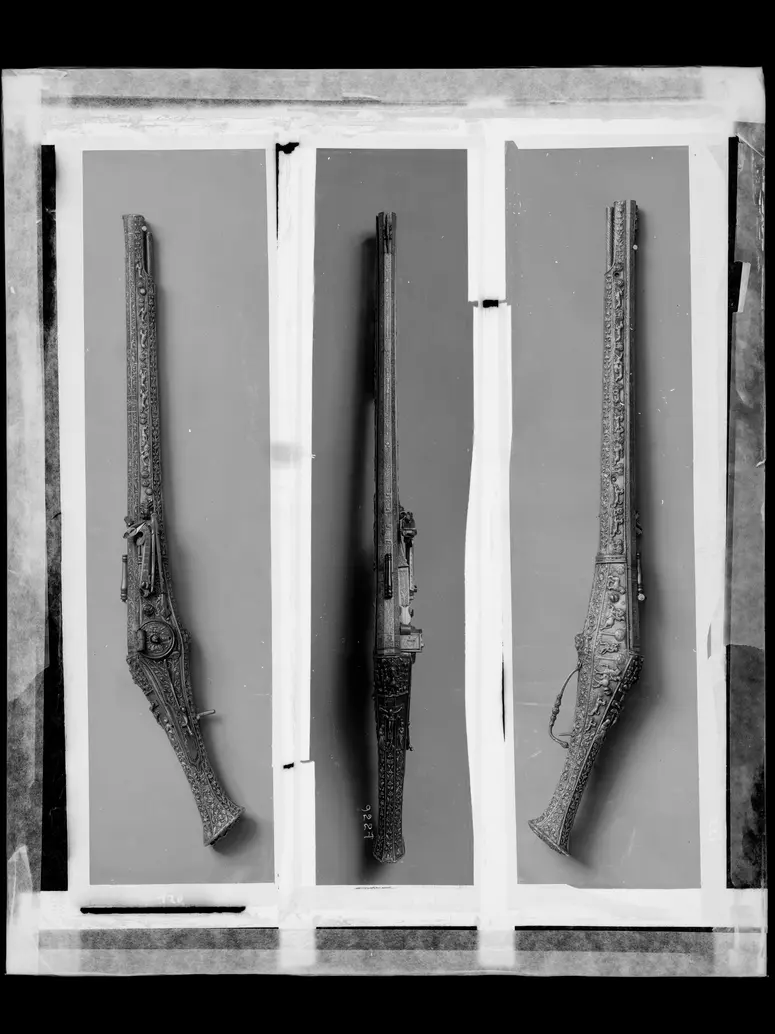
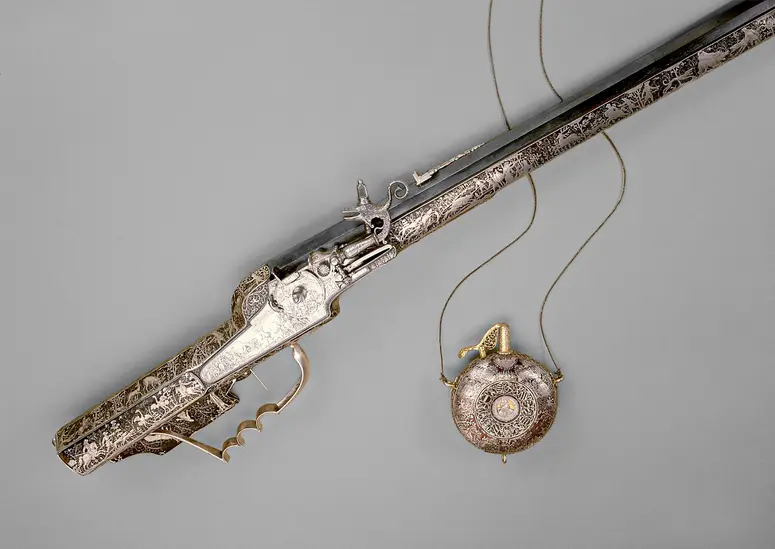
Langes Faustrohr mit Radschloss; Radschlosspistole (mit Ladestock) J. Löwy, K. und K. Hof-Photograph, Kunst- und Verlagsanstalt (Wien) 1892
Halber Fußknechtharnisch; Feldküriss J. Löwy, K. und K. Hof-Photograph, Kunst- und Verlagsanstalt (Wien) 1892
Johann Friedrich I. (1532-1547), Kurfürst von Sachsen datiert 1530