The Habsburgs: A Family of Collectors
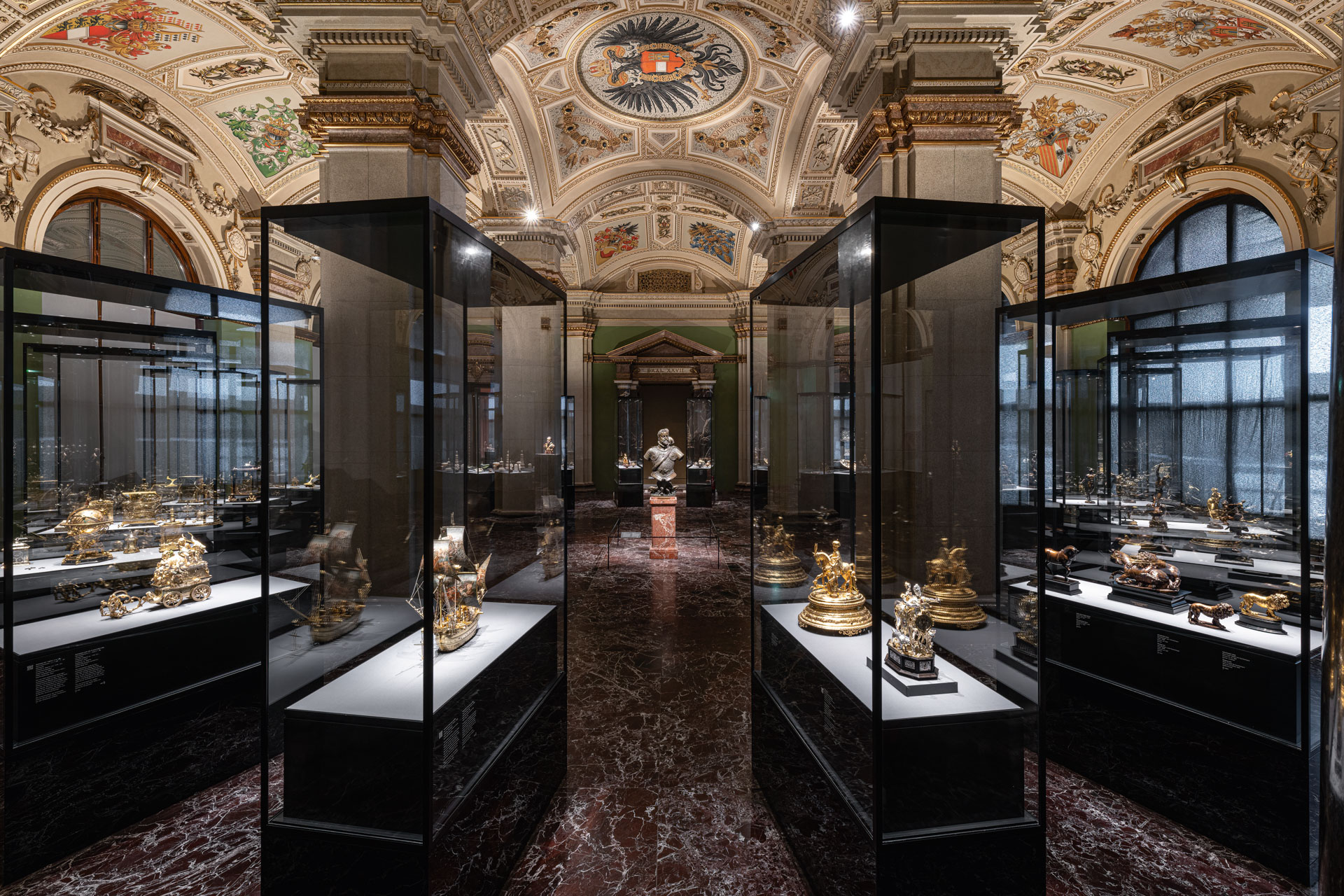
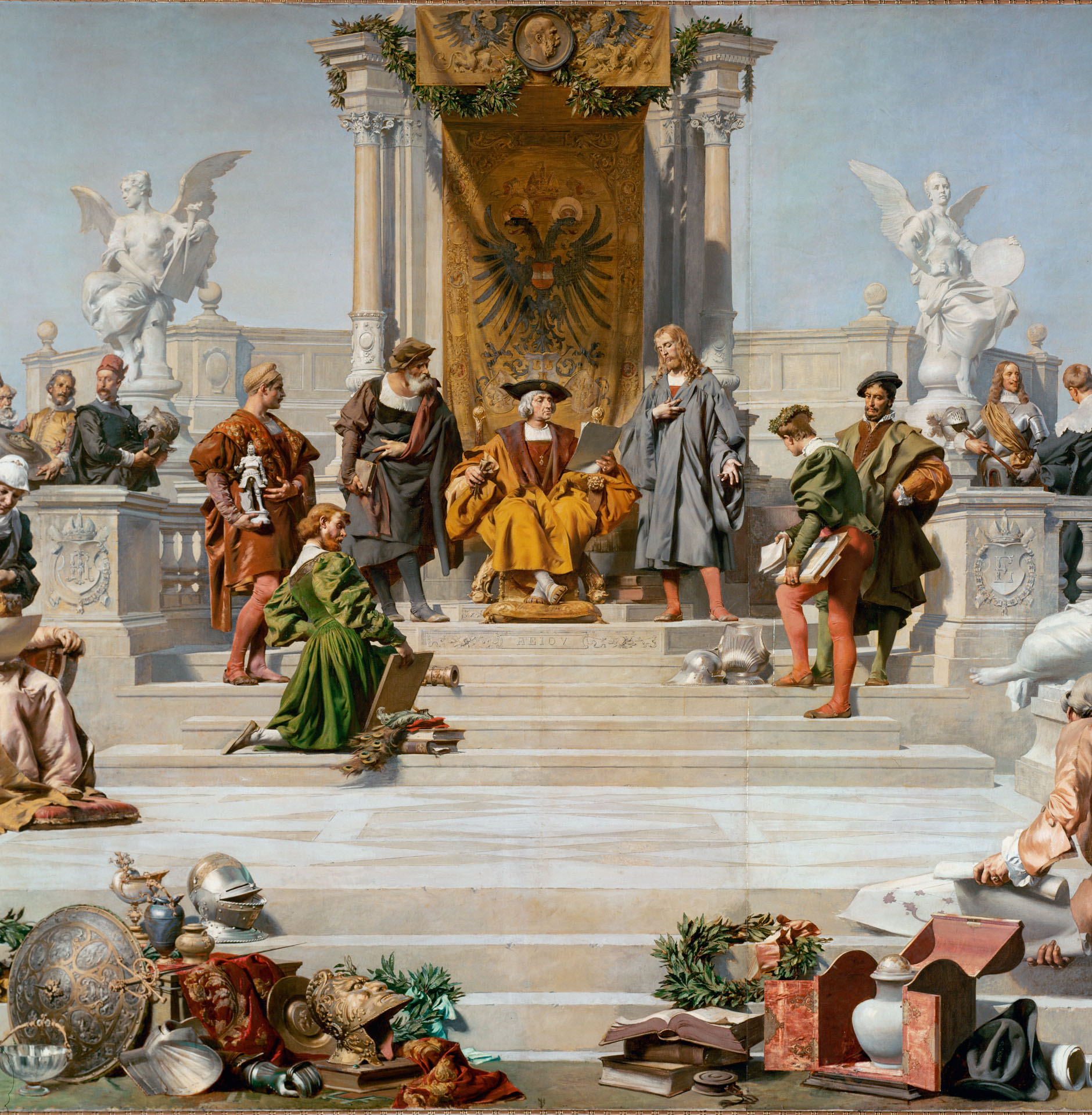
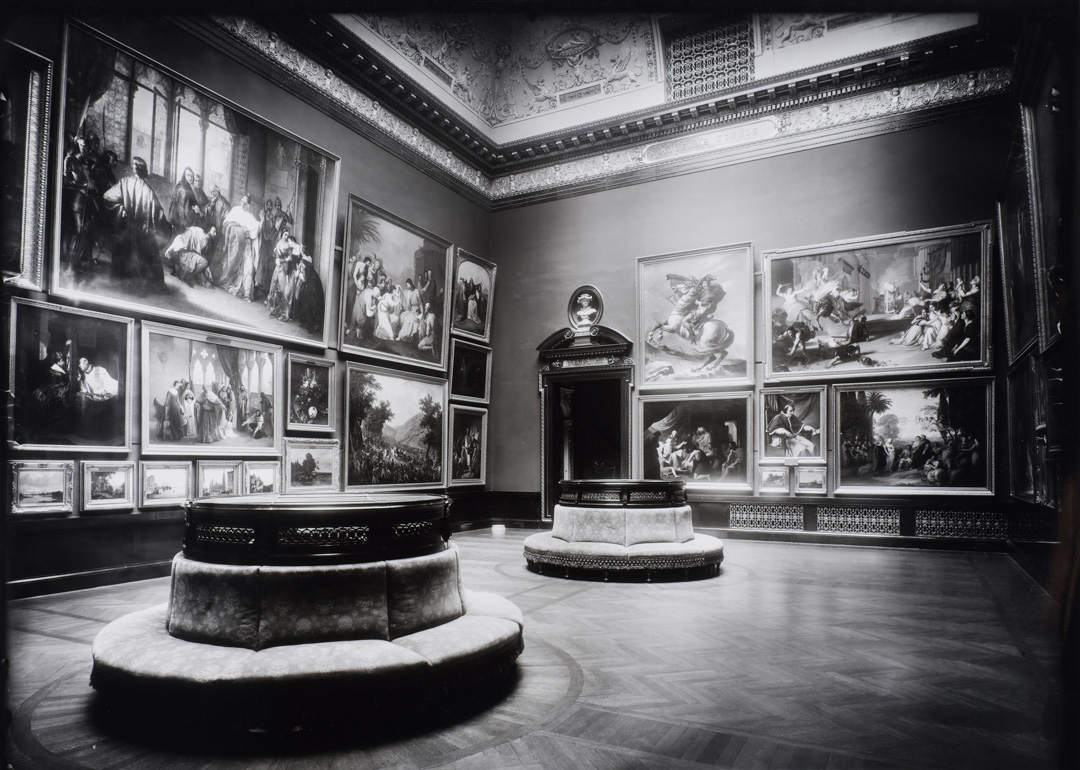
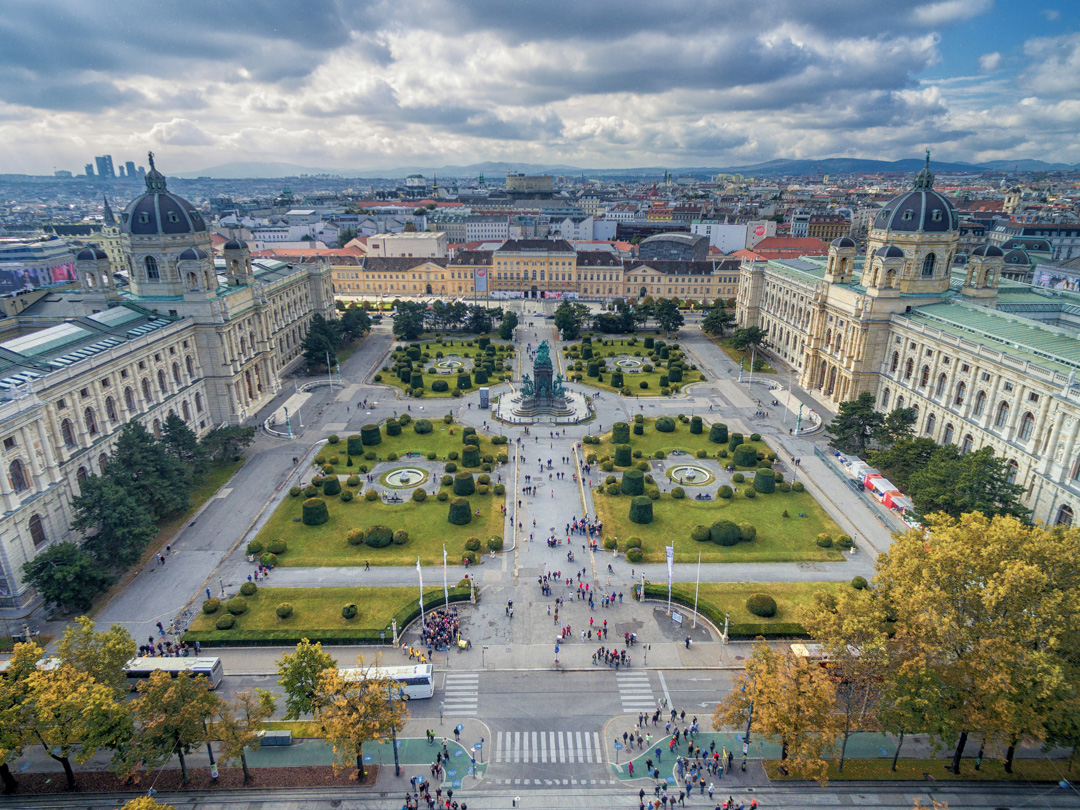
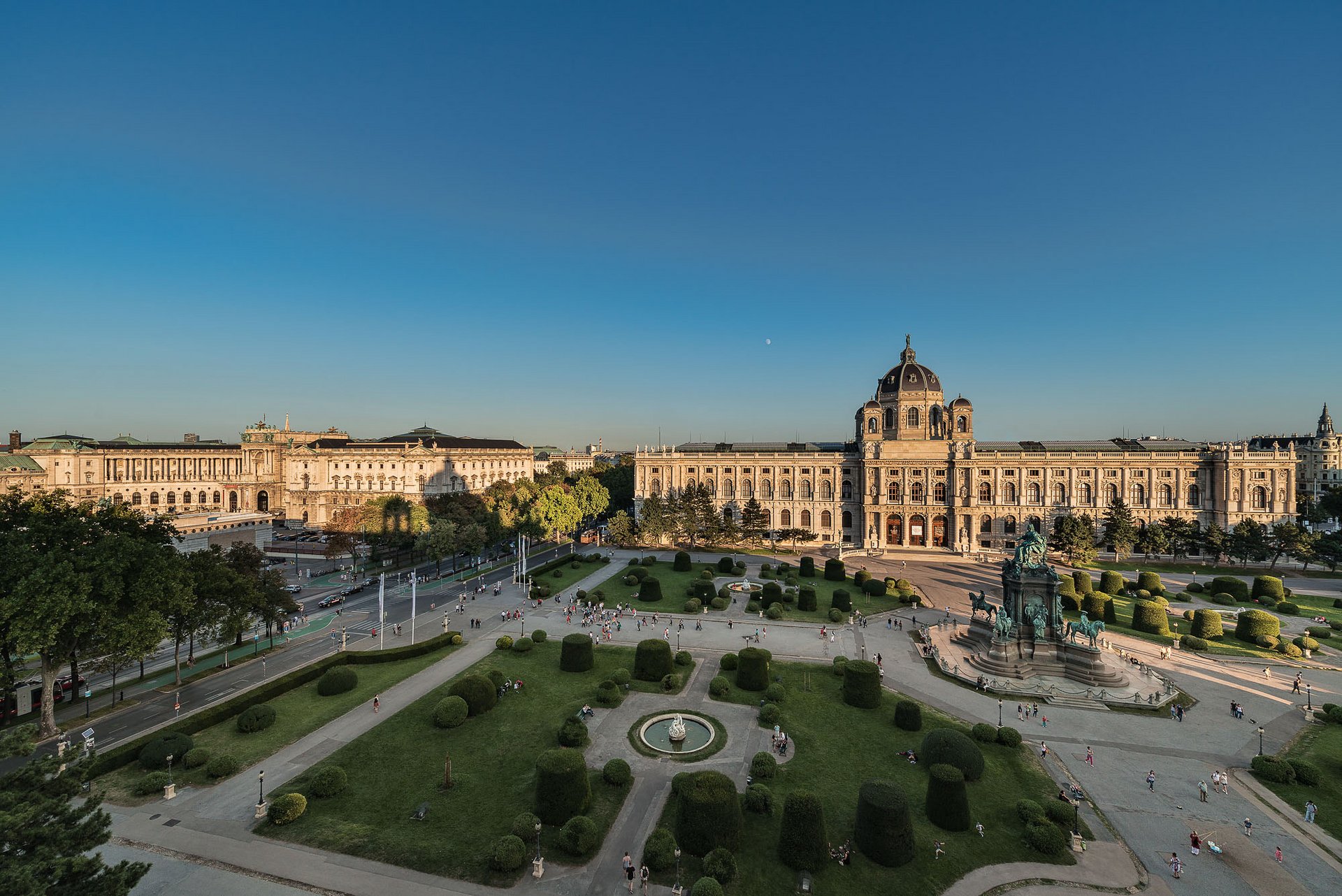
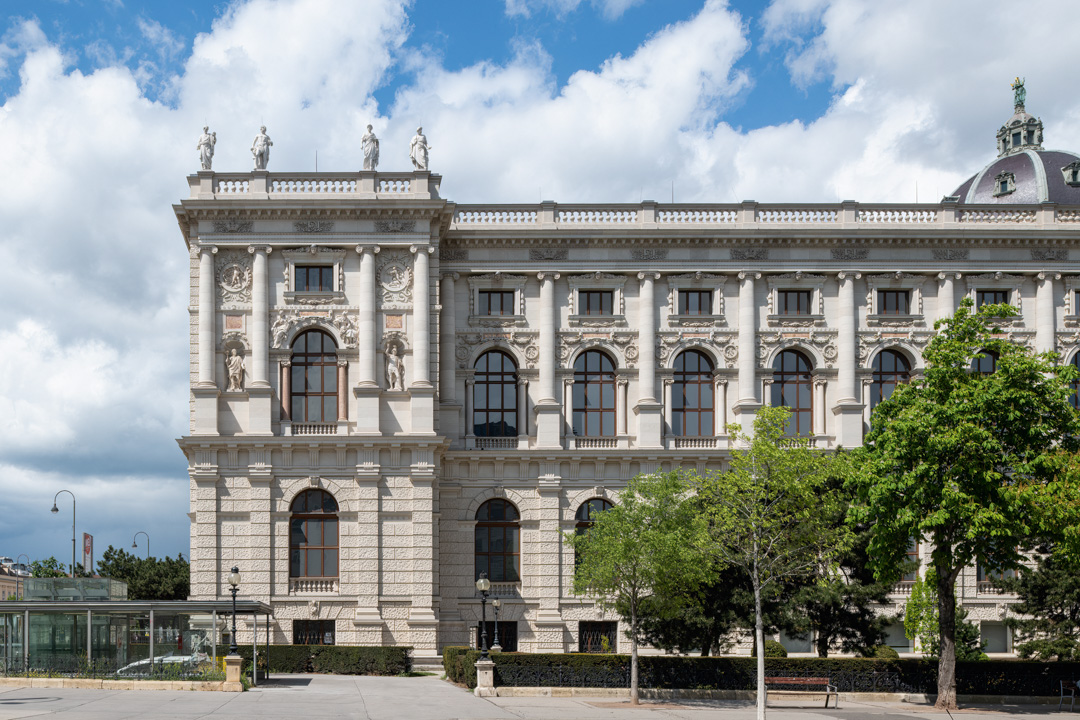
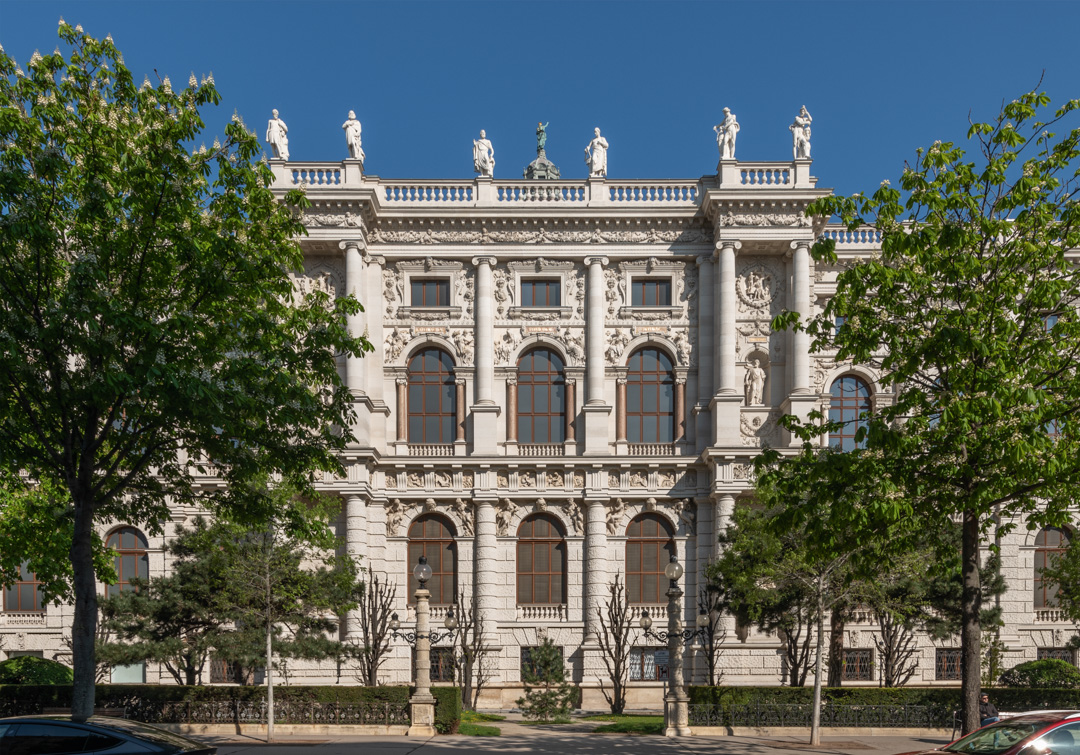
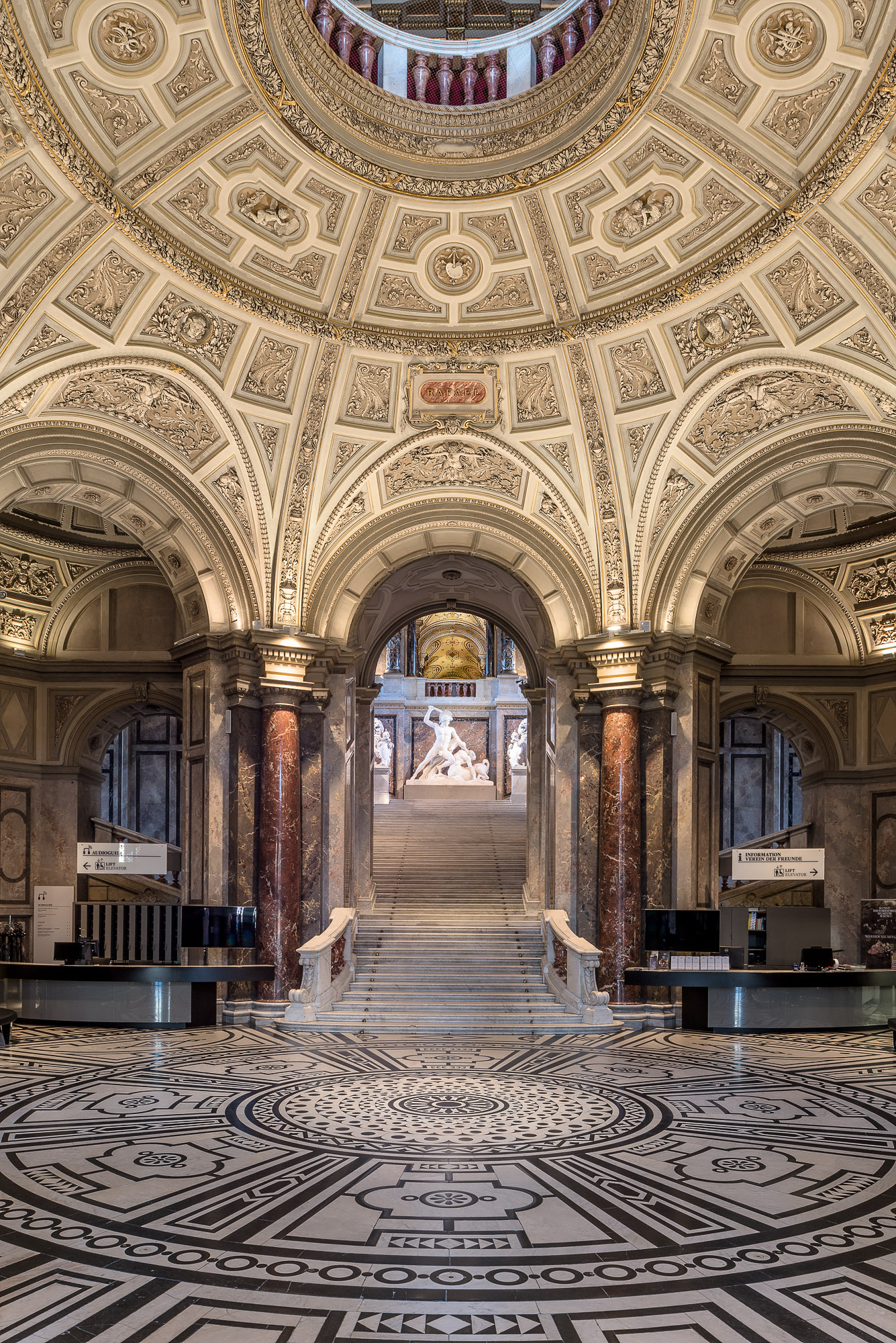
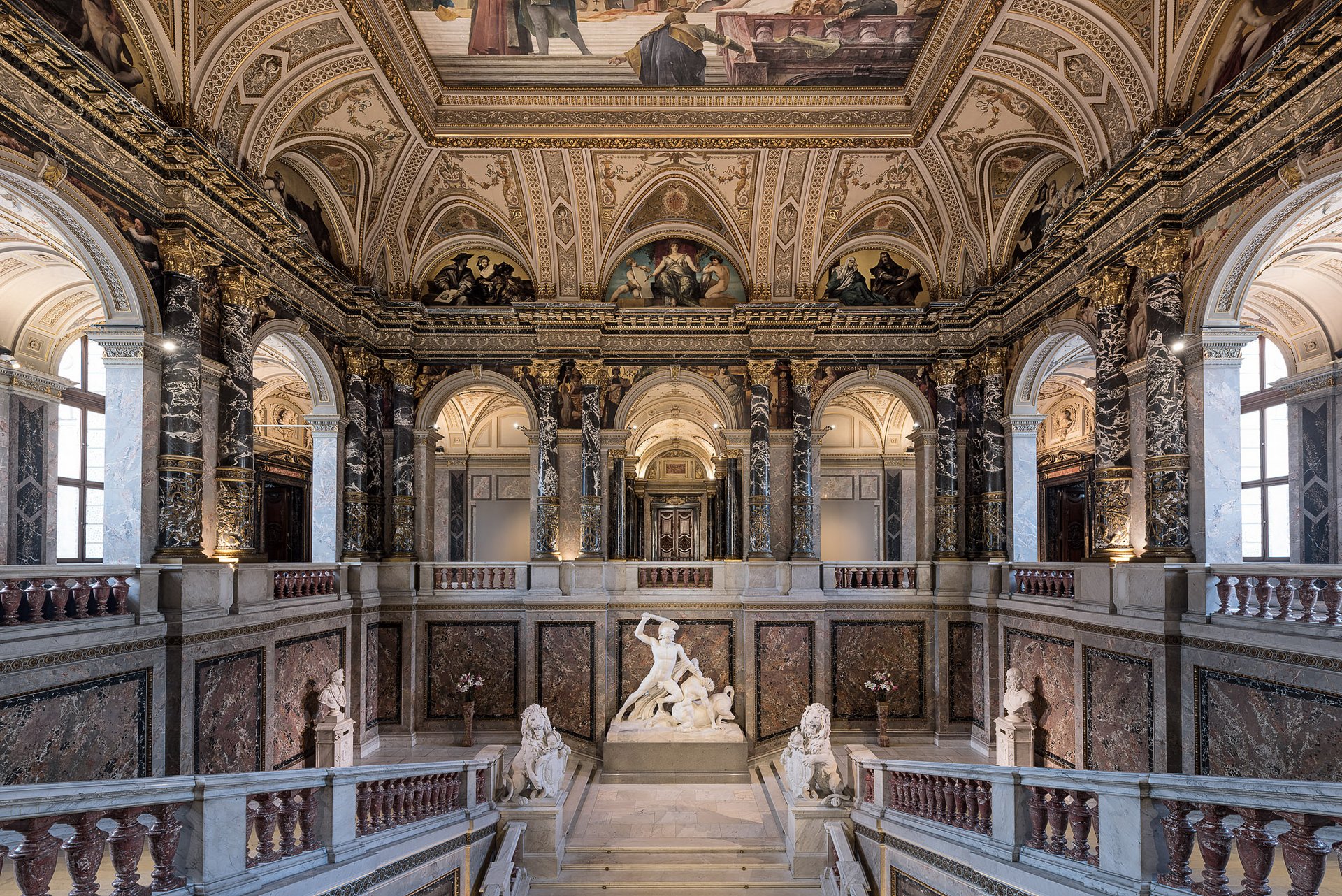
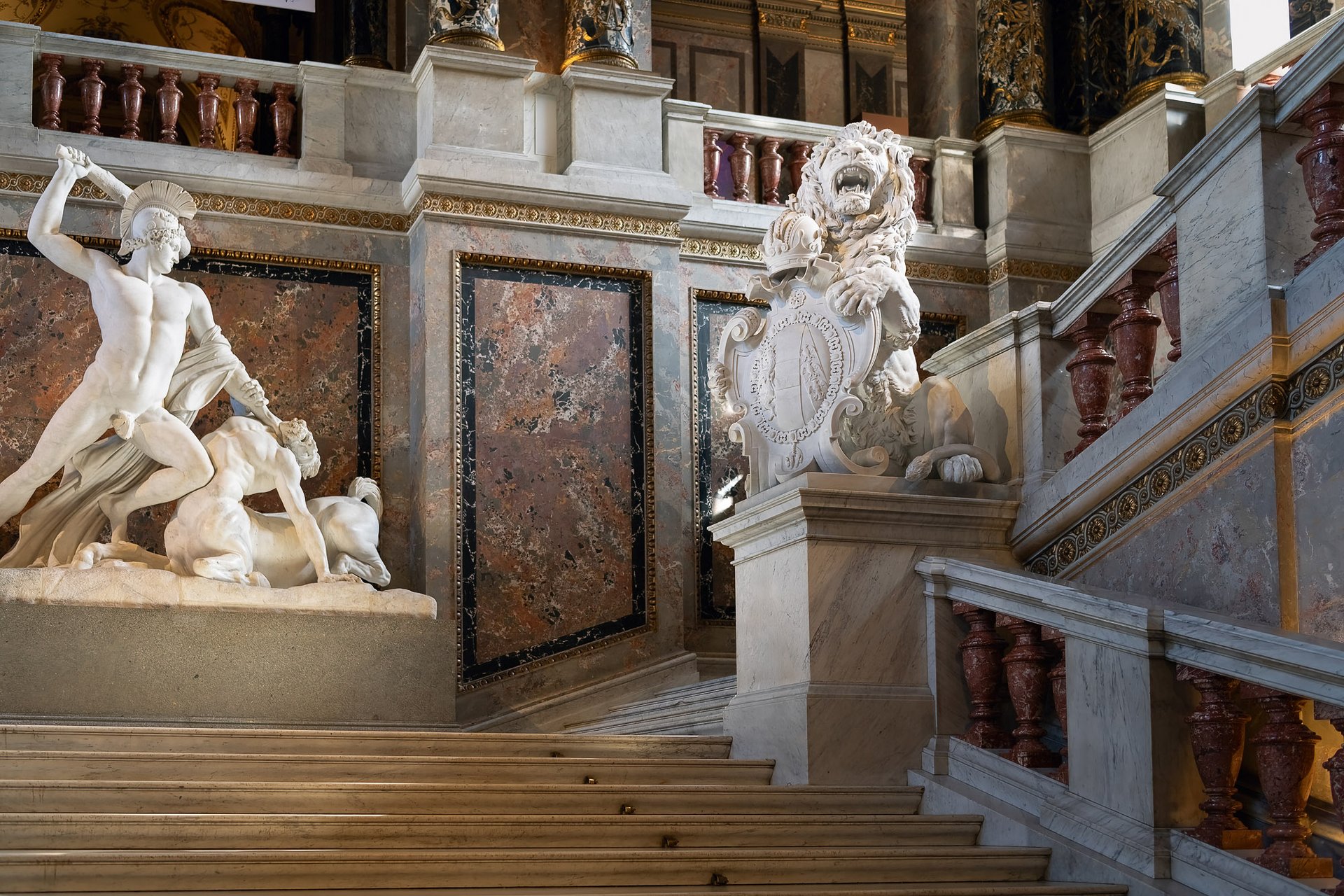
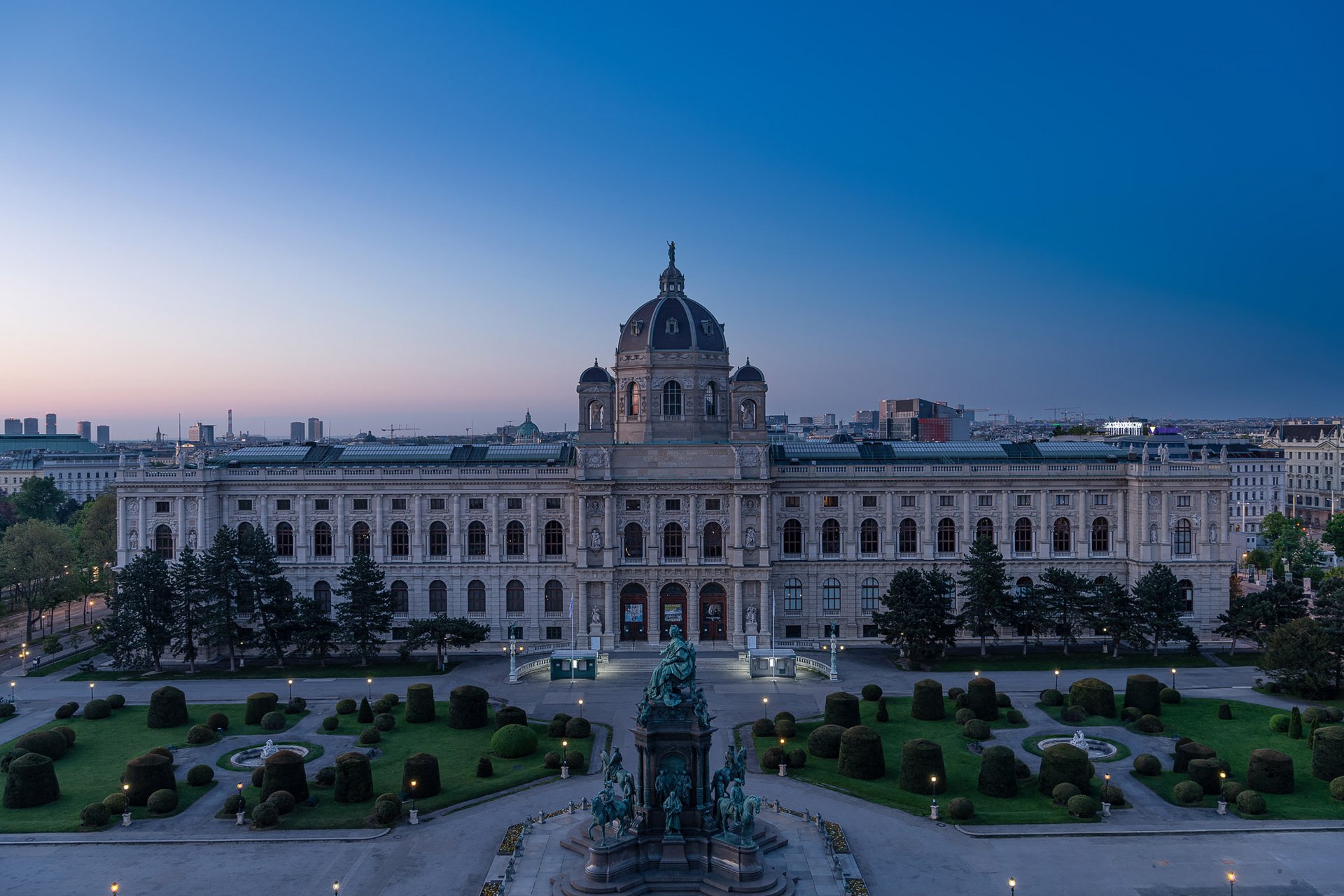
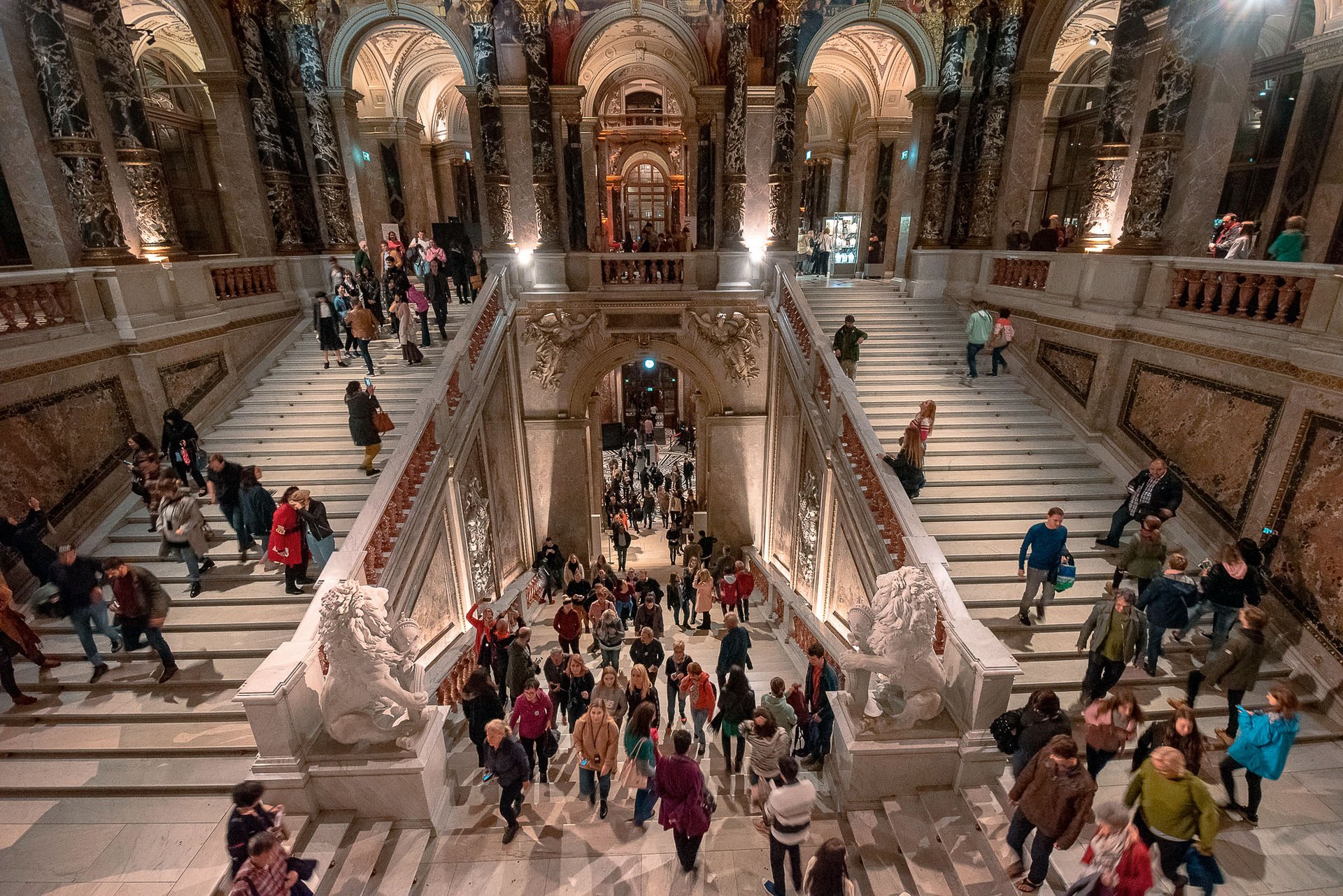
Under Emperor Maximilian I (1459–1519), the Habsburgs had already amassed a family treasure trove of valuables, artworks, and historical mementos. This collection grew as a result of the Habsburg Empire’s strategic marriage and expansion policy. Political, scientific, and social developments contributed to widening the scope of the collections. Even when Vienna became their main residence in 1683, these collections were kept at various residences of the Austrian line of the Habsburgs – primarily in Vienna, Prague, and Innsbruck. During the planning of Vienna’s Ringstrasse beginning in 1867, the idea emerged of bringing the imperial collections together for display in Vienna.
Ambras Castle Innsbruck
Ambras Castle Innsbruck, which was used as a residence and repository by Archduke Ferdinand II (1529–1595) for his Chamber of Art and Wonders, is a unique testimony to the Habsburgs’ passion for collecting. Ferdinand II was one of the first systematic collectors of his time. He owned both works of art and exotic natural objects and created specially adapted rooms to house them.
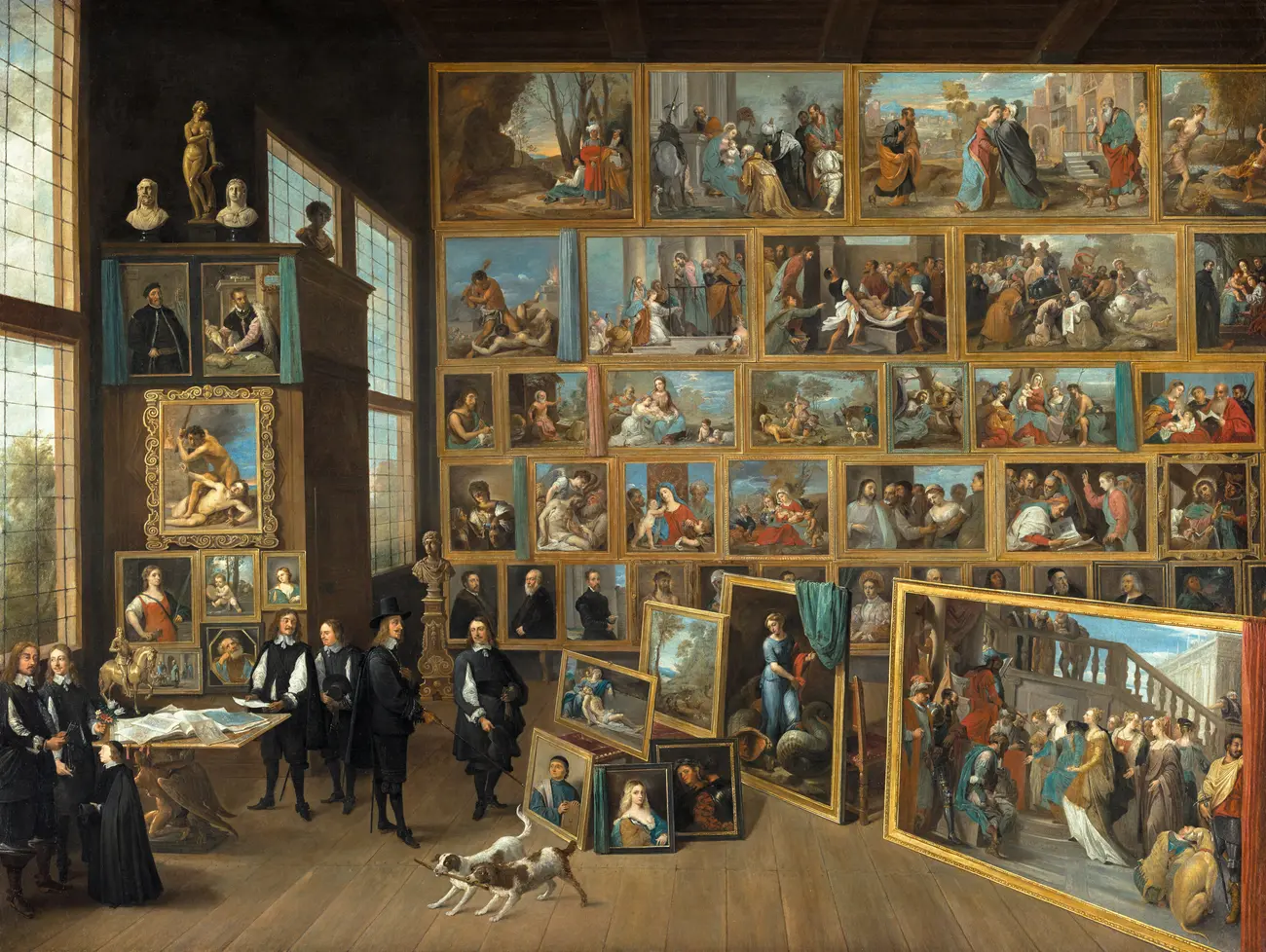
Archduke Leopold Wilhelm in His Gallery at Brussels, David Teniers d. J., around 1651

Stammbaum mit den Königen und Kaisern des Hauses Habsburg, Christoph Dorsch, um 1725/30

Kaiser Maximilian I. (1459-1519), Bernhard Strigel, spätes 16. Jahrhundert