Vulcan, Venus and Mars
around 1540 | Maerten van Heemskerck
The story of Vulcan’s betrayal by Venus comes from Homer’s “Odyssey”. In that story the situation provoked ringing laughter on the part of the Olympian gods, but here it is provided with a moralising reference: in grisaille on the back of the panel are allegories of Prudentia and Justitia, urging caution and suggesting punishment (for adultery). This picture and its pendant (Inv. No. GG 6785) as well as a central panel now in Prague were originally a triptych. Both panels have been sharply trimmed at the bottom; the original composition was full-length and should be assessed as such.
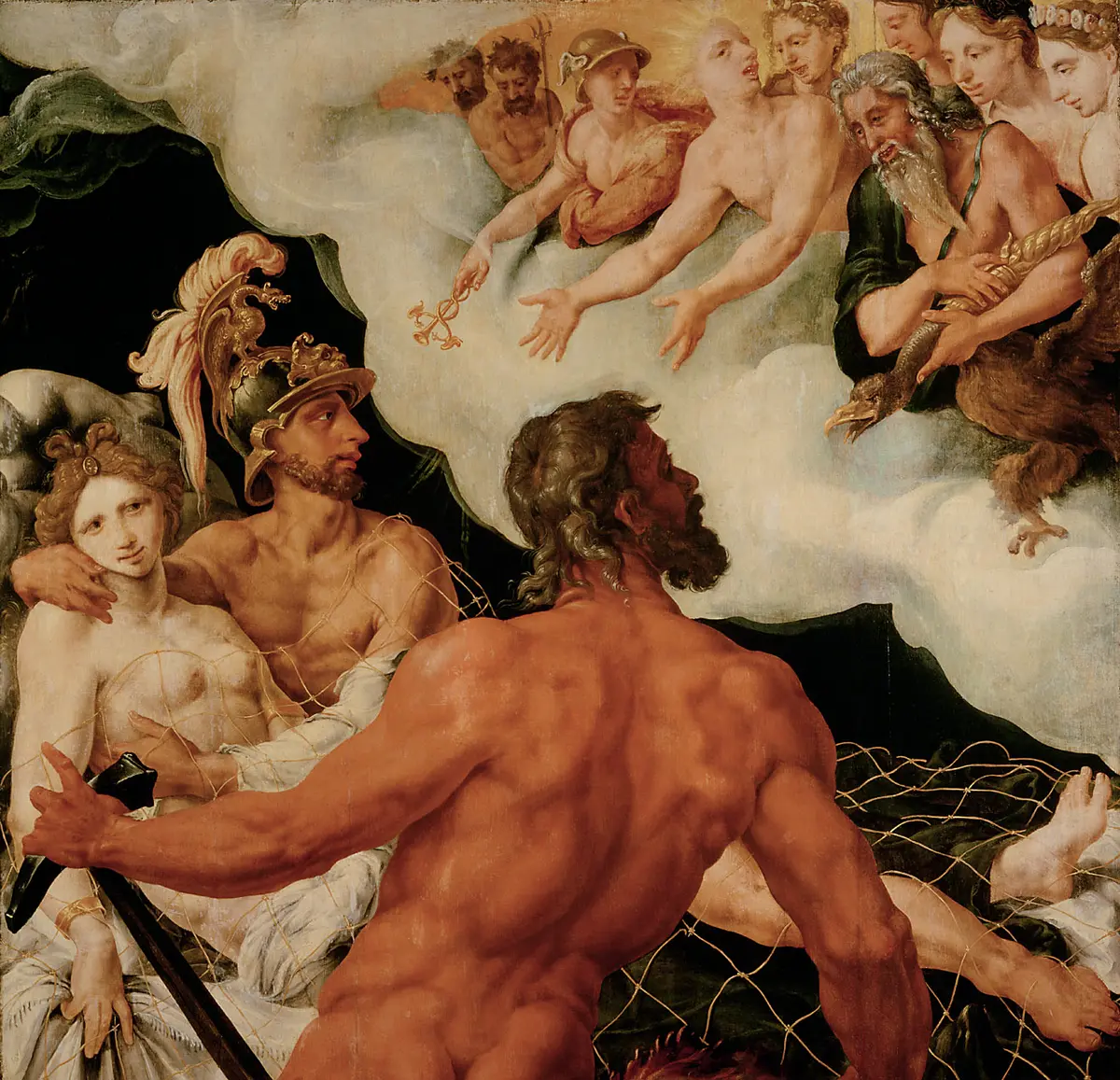
The story of Vulcan’s betrayal by Venus comes from Homer’s “Odyssey”. In that story the situation provoked ringing laughter on the part of the Olympian gods, but here it is provided with a moralising reference: in grisaille on the back of the panel are allegories of Prudentia and Justitia, urging caution and suggesting punishment (for adultery). This picture and its pendant (Inv. No. GG 6785) as well as a central panel now in Prague were originally a triptych. Both panels have been sharply trimmed at the bottom; the original composition was full-length and should be assessed as such.
Artist:
Maerten van Heemskerck (1498 Heemskerck - 1574 Haarlem) DNB
Time:
around 1540
Object Name
Painting
Culture
Netherlandish
Material/technology:
oak wood
Dimensions:
unten um ca. 70 cm verkürzt: Overall: 96 cm × 99 cm
Framed: 113,5 cm × 117,3 cm × 5,5 cm
Inscribed
Auf der Rückseite in Grisaille Prudentia und Justitia mit der Inschrift: EEN VALSCE WAGHE IS DEN HEERE EEN AFGRICELIKHEIT MAER EEN VOLLE GEWICHTE IS SYN WEL BEHAGEN. PROV. XI.
Copyright
Kunsthistorisches Museum, Gemäldegalerie
Invs.
Gemäldegalerie, 6395
Provenance
1922 Legate Dr Oswald Kutschera-Woborsky;
Browse more
Similar items you might be interested in
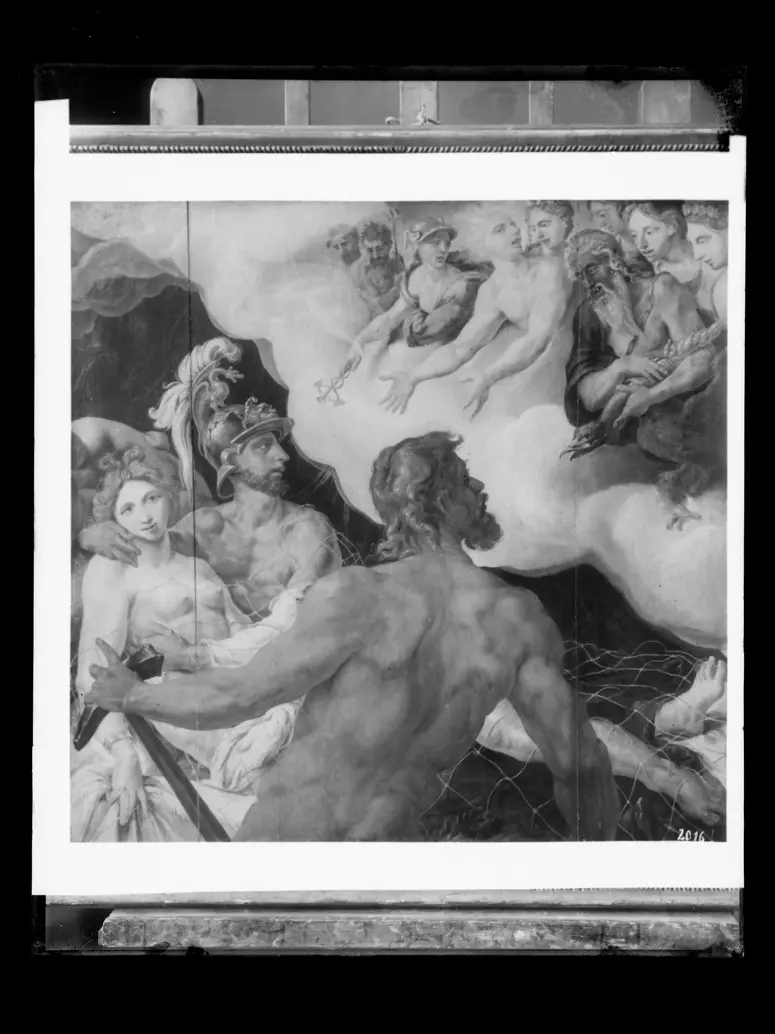
Vulkan zeigt den Göttern die in seinem Netz gefangenen Venus und Mars J. Löwy, K. und K. Hof-Photograph, Kunst- und Verlagsanstalt (Wien) 1888 bis 1891
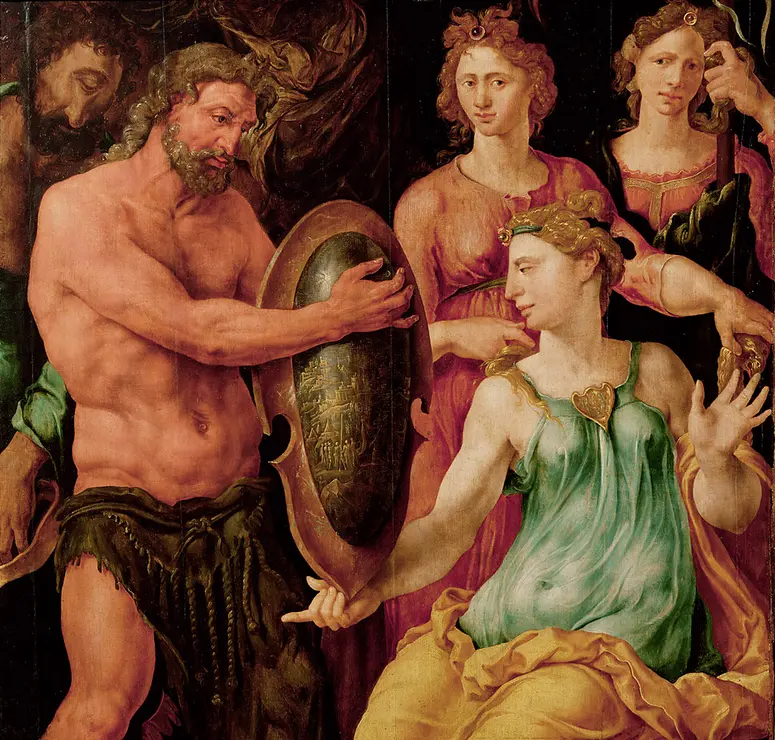
Thetis Receiving from Vulcan the Shield for Achilles Maerten van Heemskerck around 1540
Frühstücksstillleben J. Löwy, K. und K. Hof-Photograph, Kunst- und Verlagsanstalt (Wien) 1888 bis 1891
Vanitas J. Löwy, K. und K. Hof-Photograph, Kunst- und Verlagsanstalt (Wien) 1888 bis 1910
Früchte J. Löwy, K. und K. Hof-Photograph, Kunst- und Verlagsanstalt (Wien) 1888 bis 1910
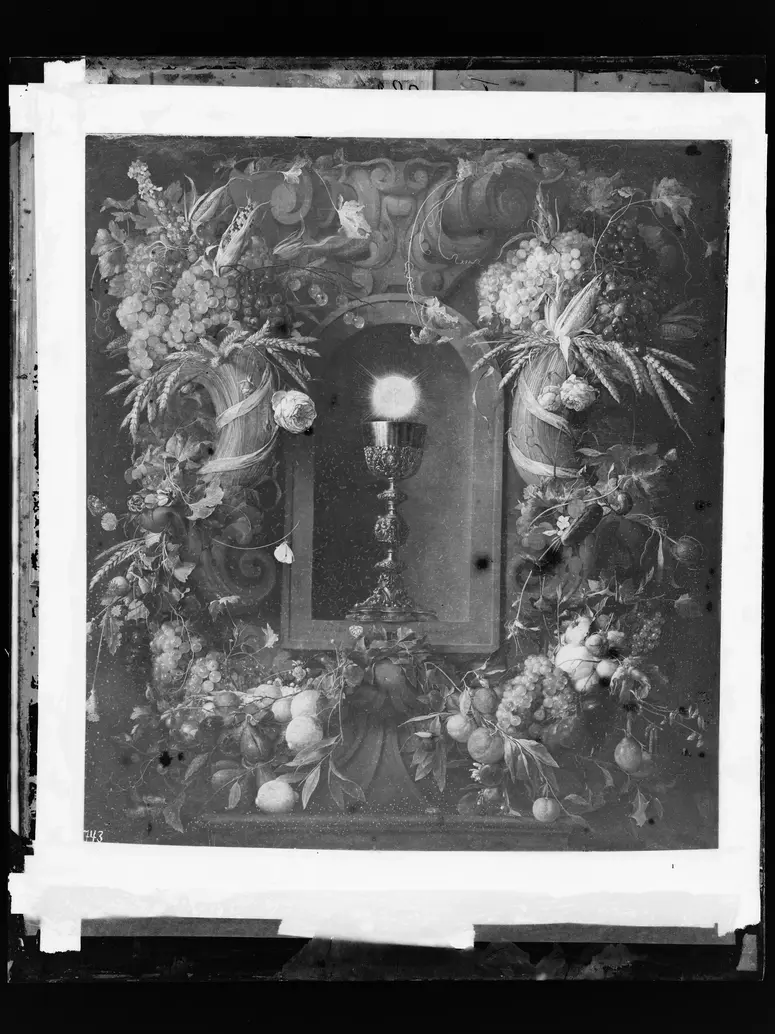
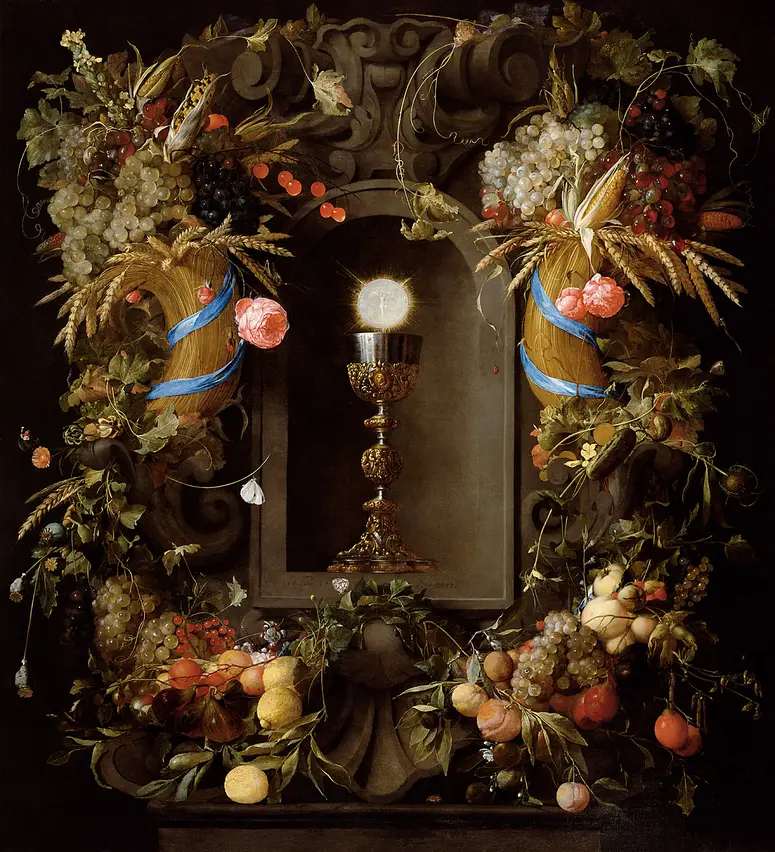
Eucharistie, von Fruchtgirlanden umgeben J. Löwy, K. und K. Hof-Photograph, Kunst- und Verlagsanstalt (Wien) 1888 bis 1891
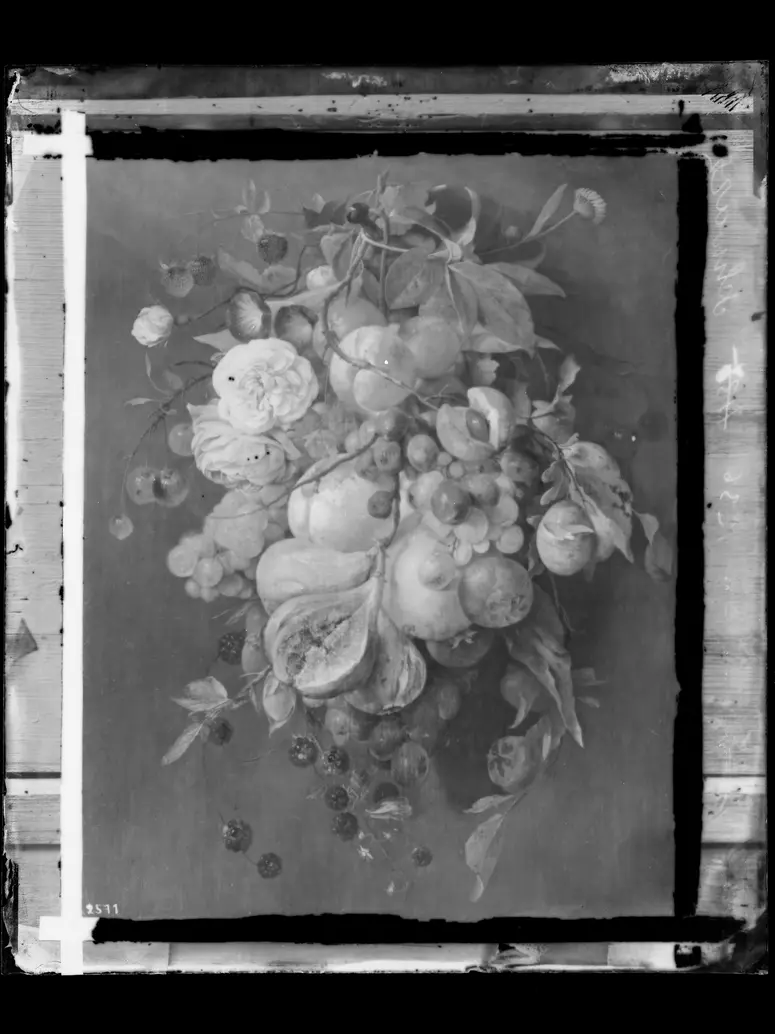
Früchte und Blumen J. Löwy, K. und K. Hof-Photograph, Kunst- und Verlagsanstalt (Wien) 1888 bis 1910
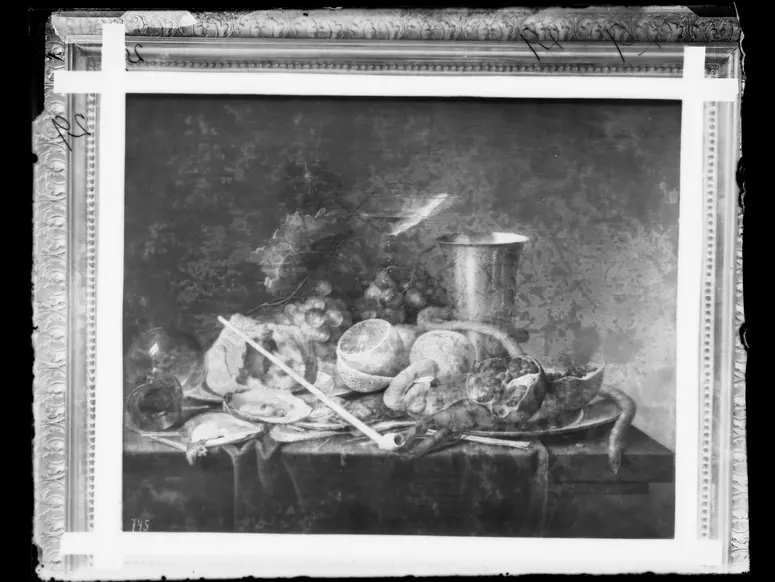
Still-Leben, Früstückstisch mit Champagnerglas und Pfeife J. Löwy, K. und K. Hof-Photograph, Kunst- und Verlagsanstalt (Wien) 1888 bis 1910

Frühstücks-Stillleben J. Löwy, K. und K. Hof-Photograph, Kunst- und Verlagsanstalt (Wien) 1888 bis 1891
Obst J. Löwy, K. und K. Hof-Photograph, Kunst- und Verlagsanstalt (Wien) 1888 bis 1910
Still-Leben mit Austern, Zitronen und Trauben J. Löwy, K. und K. Hof-Photograph, Kunst- und Verlagsanstalt (Wien) 1888 bis 1910