Römer
Letztes Viertel 1. Jh. v. Chr.
Depicted turning vigorously to the side, this head of a man aged around fifty was designed to be inserted into a toga statue. Note his sitter’s distinctive features combining a high forehead and thinning central parting, hollow cheeks, pointy chin and aquiline nose. Informed by likenesses of Julius Caesar, and the Late Republic’s repertoire of virtues (Lat. virtus), such portraits were very popular; the larger than life-sized statue may depict the owner of one of the villas situated on the Panayır dağ.
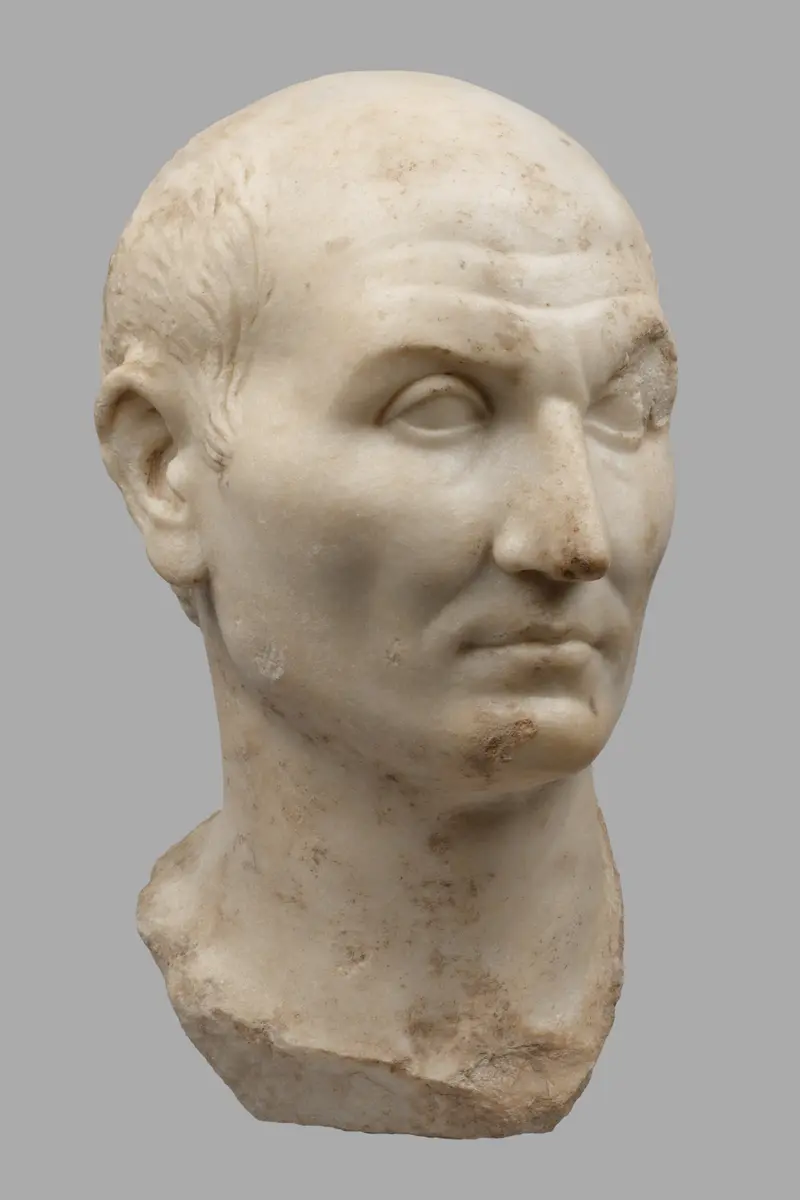
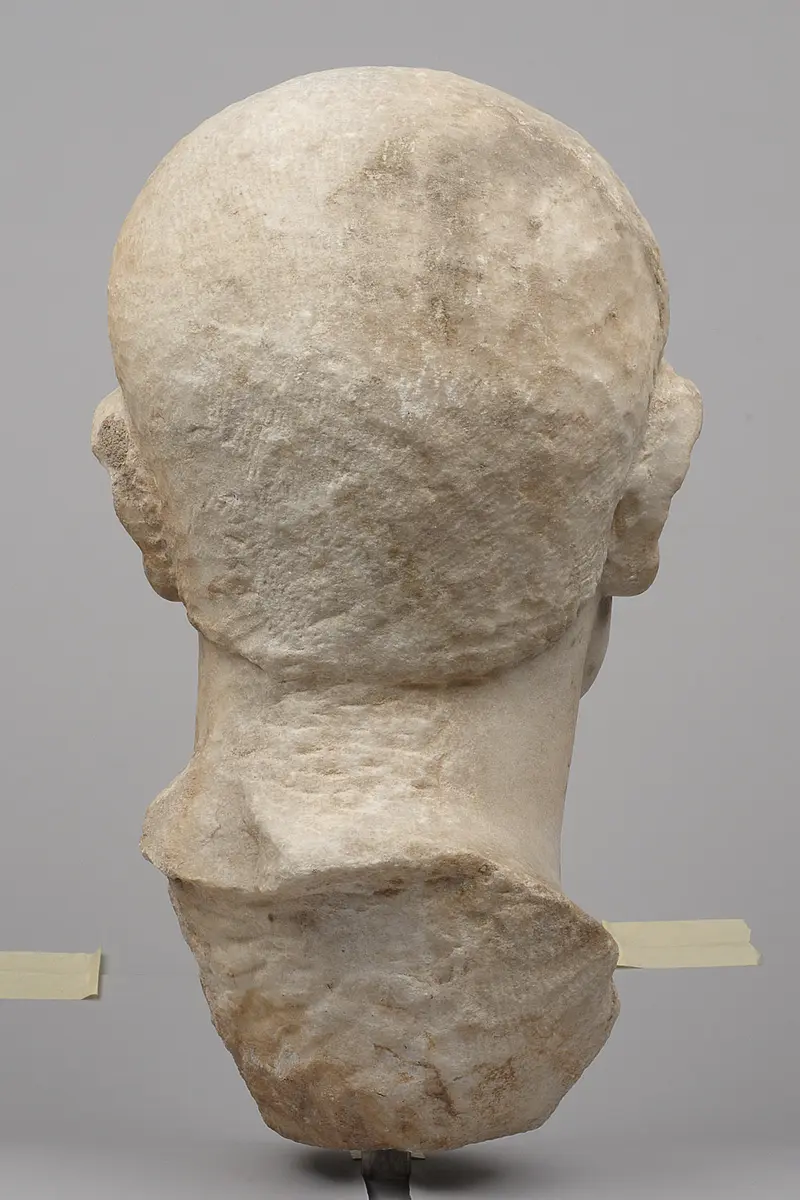
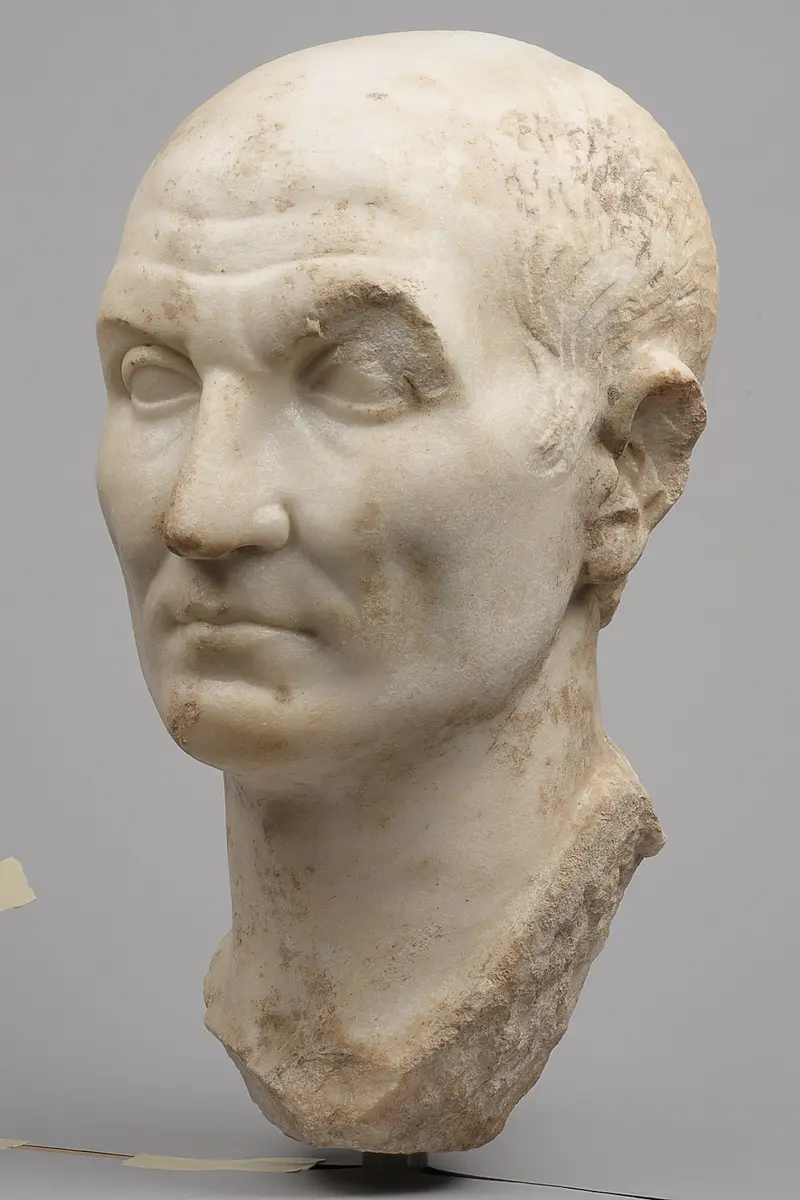
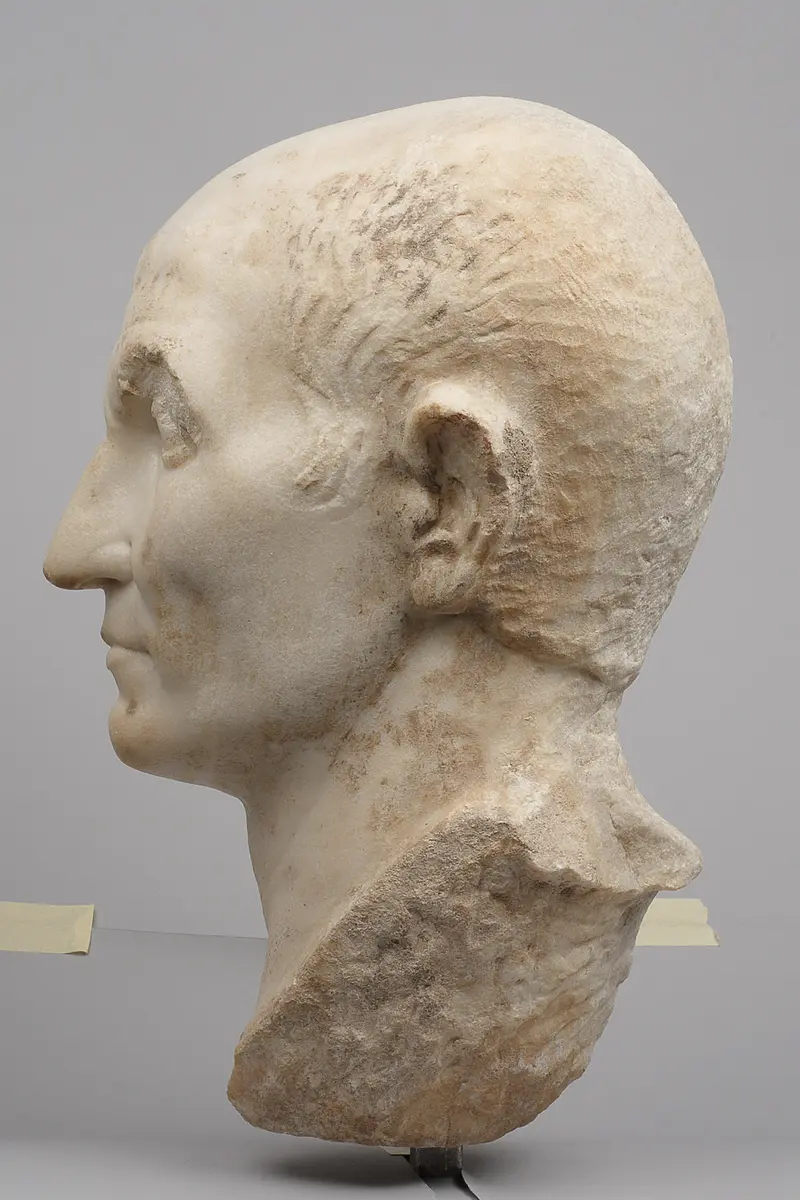
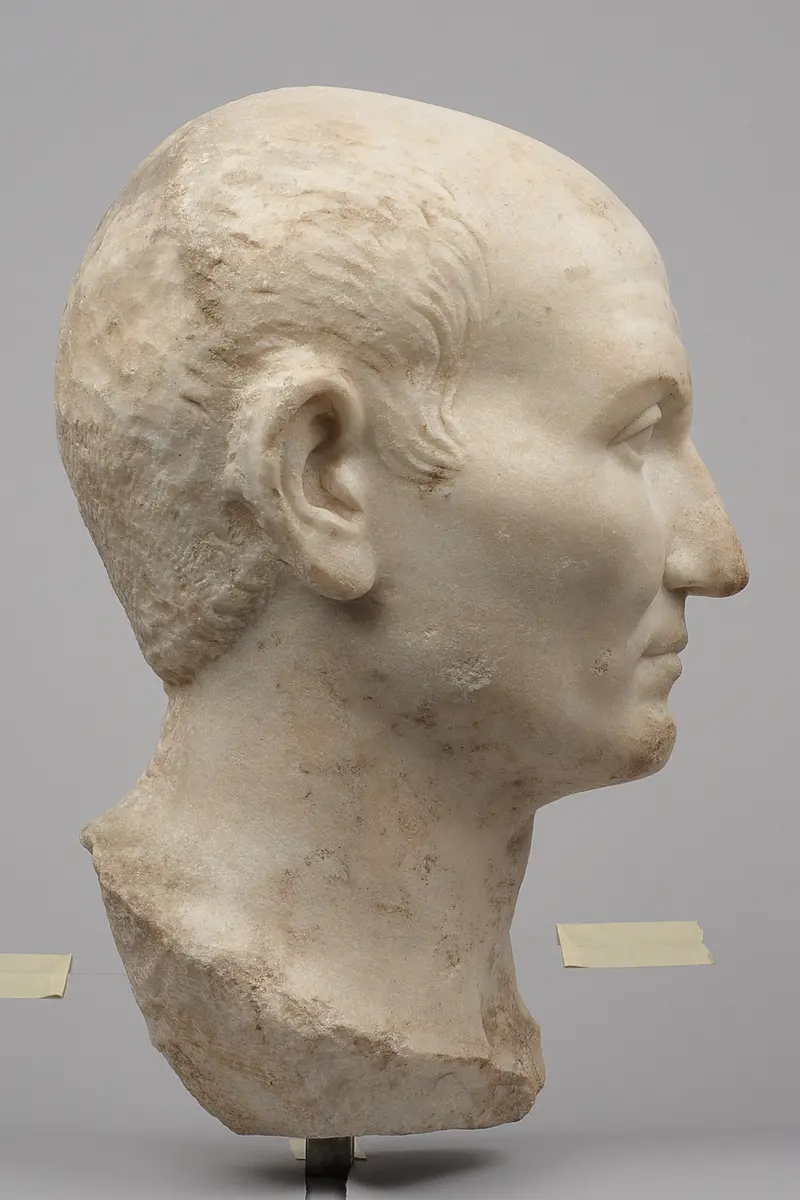
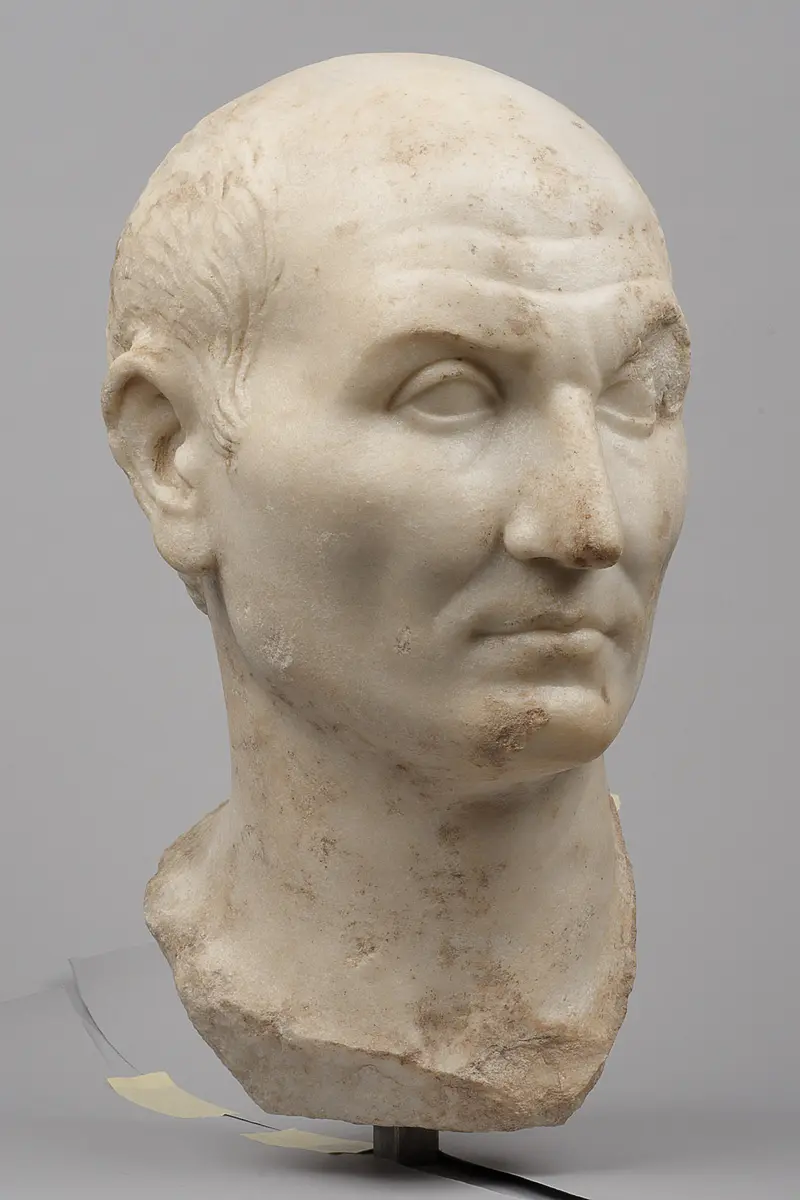
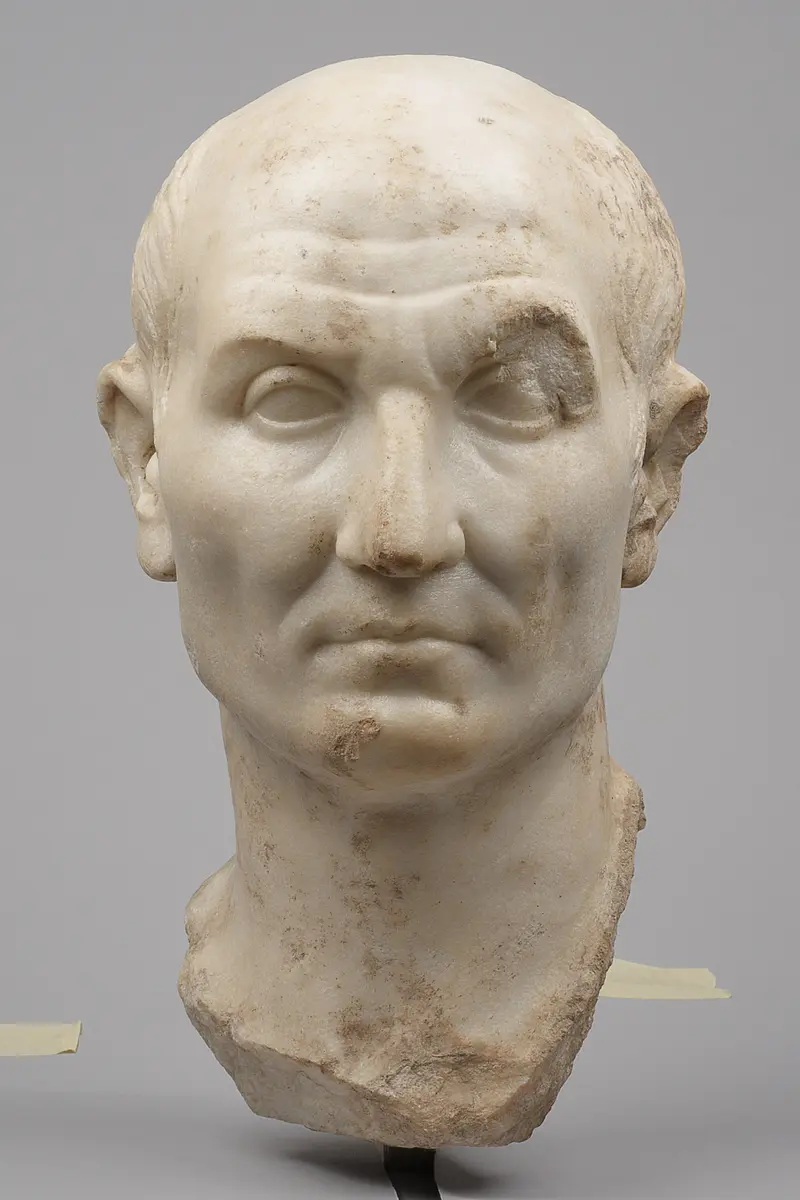
Depicted turning vigorously to the side, this head of a man aged around fifty was designed to be inserted into a toga statue. Note his sitter’s distinctive features combining a high forehead and thinning central parting, hollow cheeks, pointy chin and aquiline nose. Informed by likenesses of Julius Caesar, and the Late Republic’s repertoire of virtues (Lat. virtus), such portraits were very popular; the larger than life-sized statue may depict the owner of one of the villas situated on the Panayır dağ.
Time:
Letztes Viertel 1. Jh. v. Chr.
Object Name
Porträtkopf
Culture
Römisch
Location of discovery:
Ephesos byzant. Stadtmauer beim Theater (Selçuk, Kleinasien, Türkei)
Material/technology:
Marmor
Dimensions:
H. 43 cm
Copyright
Kunsthistorisches Museum, Antikensammlung
Invs.
Antikensammlung, I 817
Provenance
Sultan, Abdul, Hamid, II.; Österreichische Ausgrabungen in Ephesos; Geschenk an Kaiser Franz Joseph; 1911 nachträglich inventarisiert