Nicholas Lanier
around 1632 | Anthonis van Dyck
Lanier (1588–1666), chief court musician and one of the art agents of King Charles I of England, commissioned van Dyck for this portrait. As the picture was meant for the art-lover king’s collections, van Dyck employed all his brilliant gifts in the artistic workmanship; the setting of the knee-piece in front of ruins with a view over a romantic landscape, reminiscent of the Upper Italian Renaissance portraits, is a homage to the king’s and to van Dyck’s favourite painter. Yet van Dyck also captured Lanier’s elegant, over-refined nature, which reflects the way courtly society in the Stuart era perceived itself.
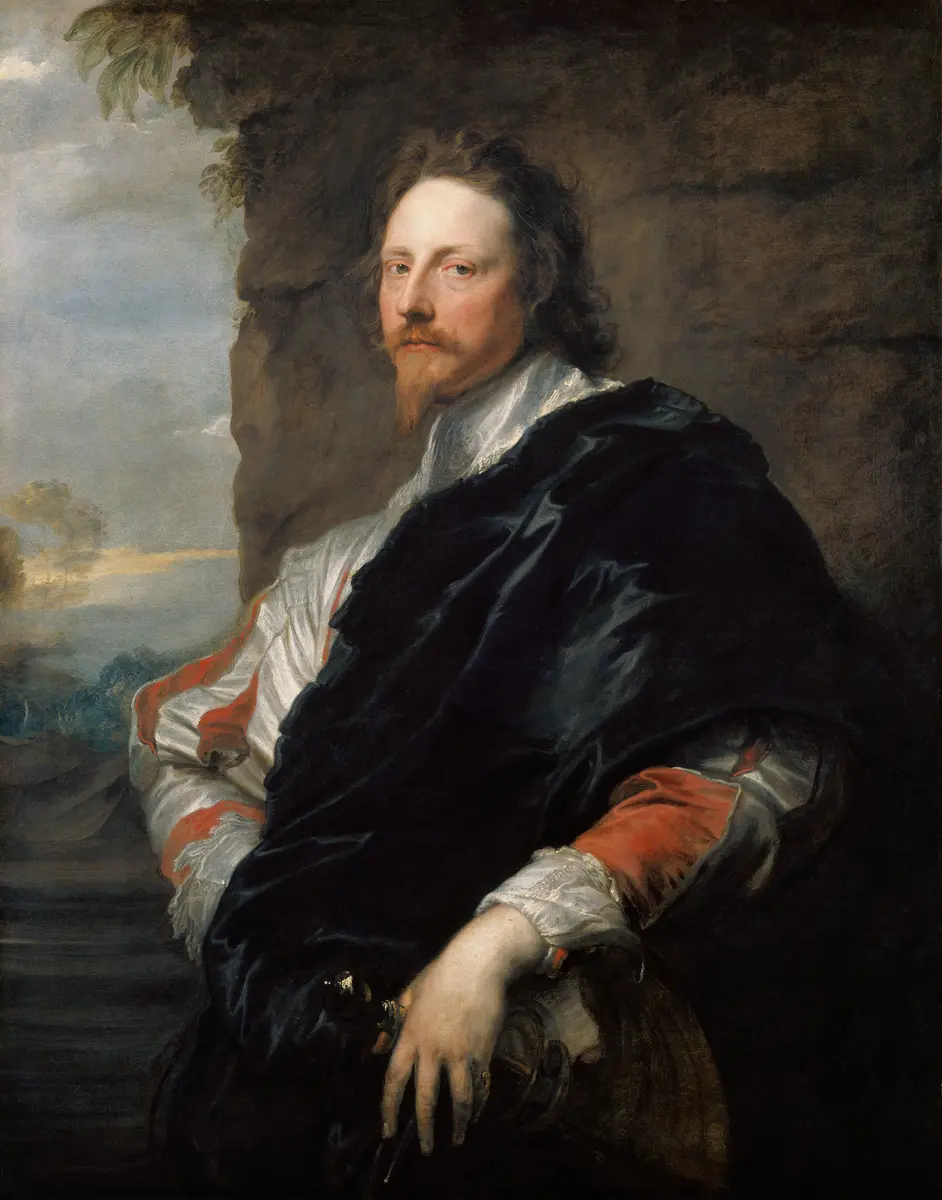
Lanier (1588–1666), chief court musician and one of the art agents of King Charles I of England, commissioned van Dyck for this portrait. As the picture was meant for the art-lover king’s collections, van Dyck employed all his brilliant gifts in the artistic workmanship; the setting of the knee-piece in front of ruins with a view over a romantic landscape, reminiscent of the Upper Italian Renaissance portraits, is a homage to the king’s and to van Dyck’s favourite painter. Yet van Dyck also captured Lanier’s elegant, over-refined nature, which reflects the way courtly society in the Stuart era perceived itself.
Artist:
Anthonis van Dyck (1599 Antwerpen - 1641 London) DNB
Depiction/Person:
Nicholas Lanier (1588 - 1666) DNB
Time:
around 1632
Object Name
Painting
Culture
Flemish
Material/technology:
Canvas
Dimensions:
111 cm × 87,6 cm
Framed: 139,4 cm × 116,5 cm × 9 cm
Copyright
Kunsthistorisches Museum, Gemäldegalerie
Invs.
Gemäldegalerie, 501
Provenance
Col. Charles I of England; acquired by Lanier from this collection on 2 November 1649; 1689 Col. Don Gaspar de Haro y Guzmán, marqués del Carpio, Madrid (?); 1720 in the gallery in Vienna;
Browse more
Similar items you might be interested in
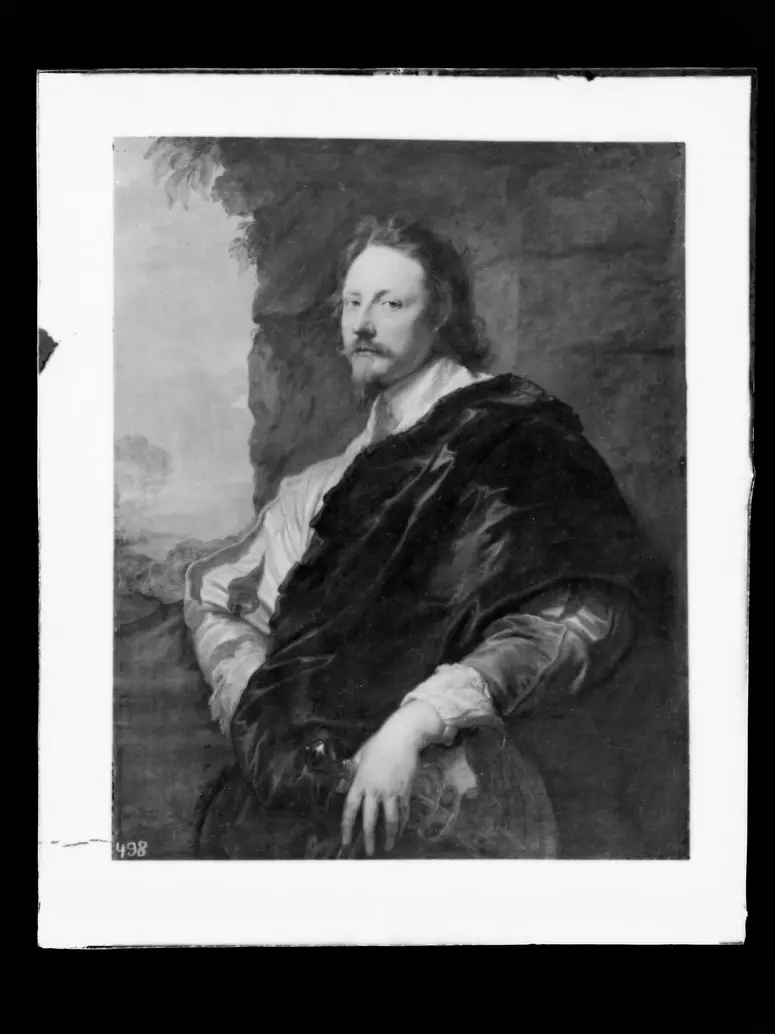
Nicholas Lanier (1588-1666) J. Löwy, K. und K. Hof-Photograph, Kunst- und Verlagsanstalt (Wien) 1888 bis 1891
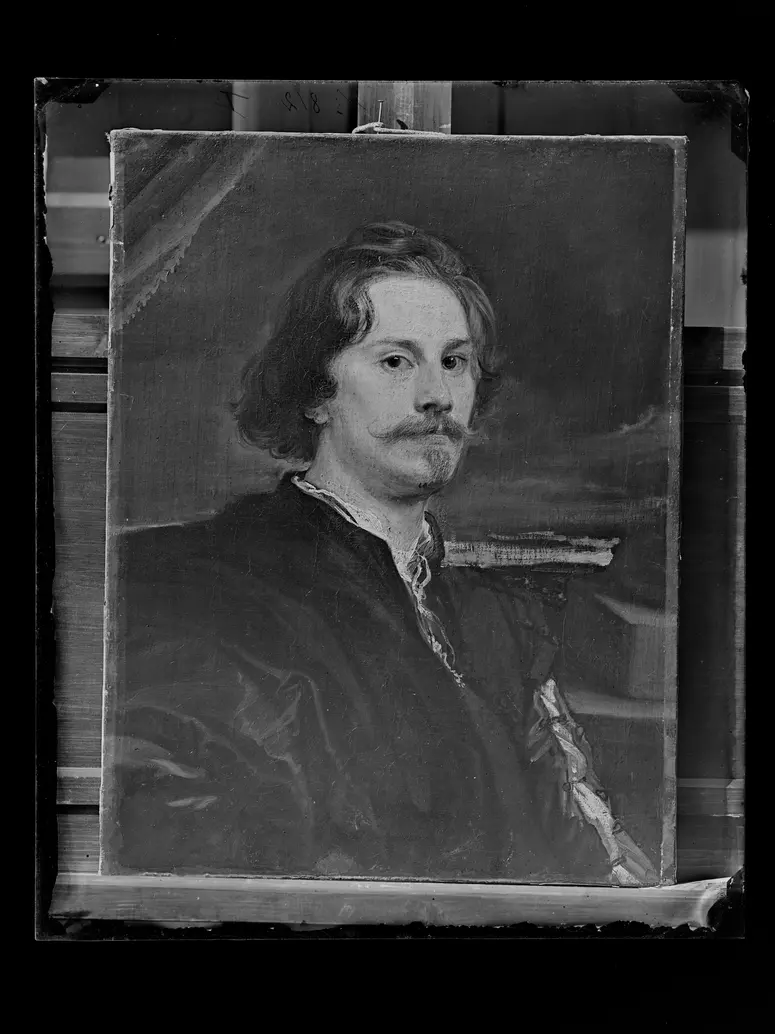
Bildnis des Pieter Soutman J. Löwy, K. und K. Hof-Photograph, Kunst- und Verlagsanstalt (Wien) 1888 bis 1891
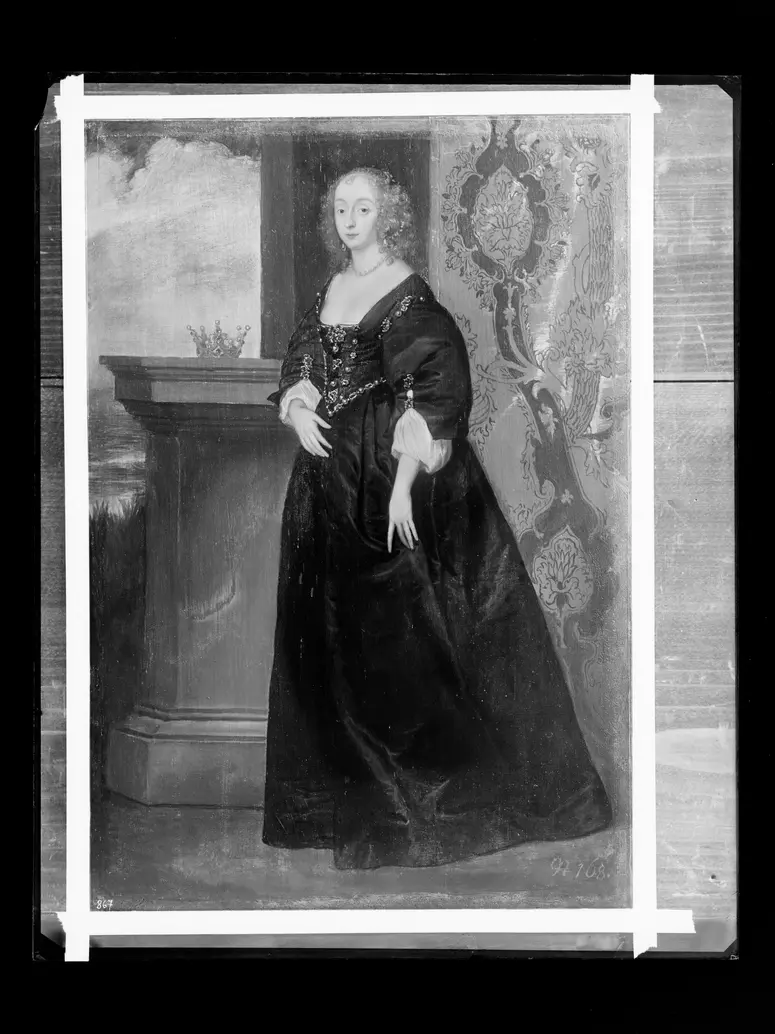
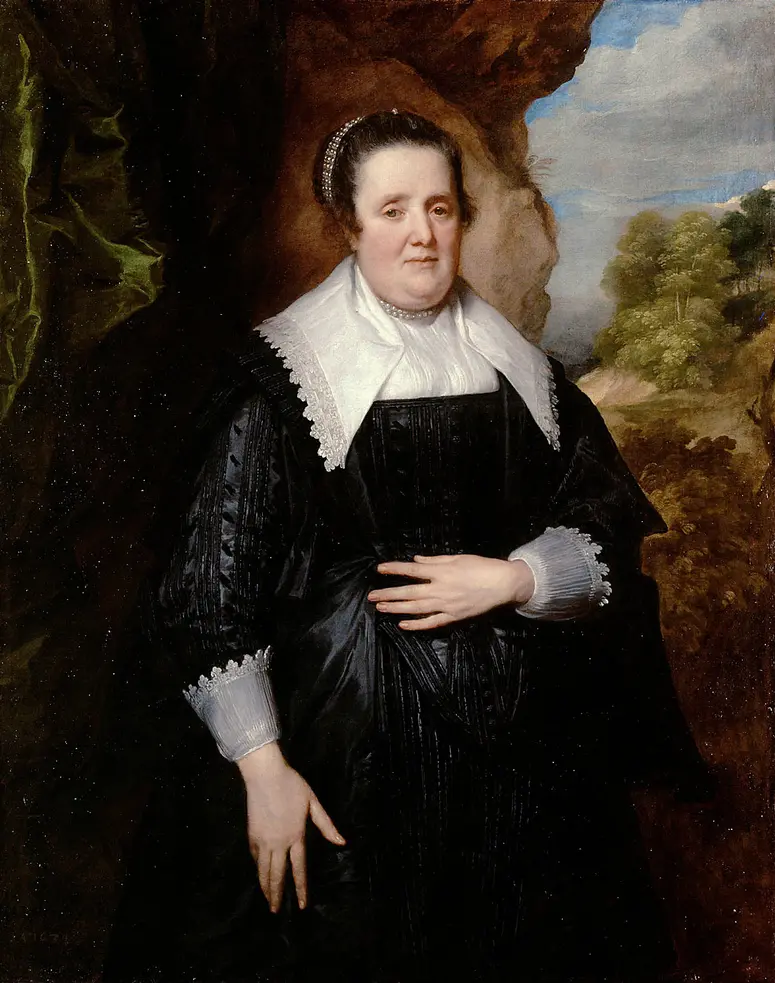
Damenbildnis J. Löwy, K. und K. Hof-Photograph, Kunst- und Verlagsanstalt (Wien) 1888 bis 1891
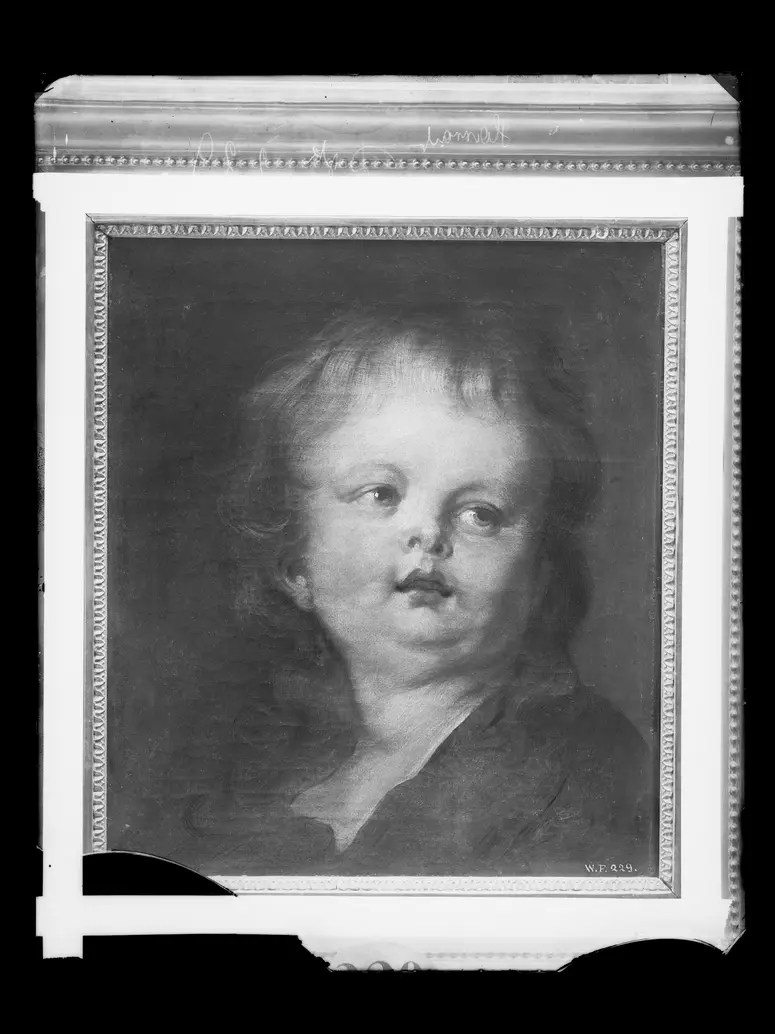
Knabenkopf J. Löwy, K. und K. Hof-Photograph, Kunst- und Verlagsanstalt (Wien) 1888 bis 1910
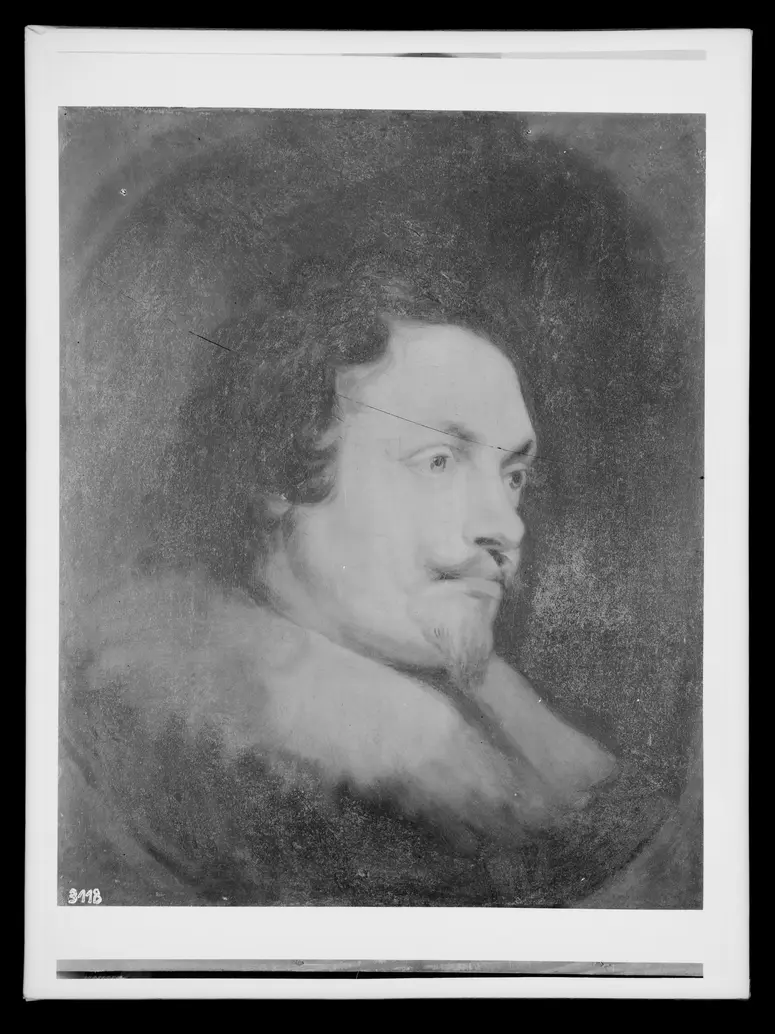
Männerbildnis J. Löwy, K. und K. Hof-Photograph, Kunst- und Verlagsanstalt (Wien) 1888 bis 1910
Amor J. Löwy, K. und K. Hof-Photograph, Kunst- und Verlagsanstalt (Wien) 1888 bis 1910
Gefangennahme Simsons J. Löwy, K. und K. Hof-Photograph, Kunst- und Verlagsanstalt (Wien) 1888 bis 1891
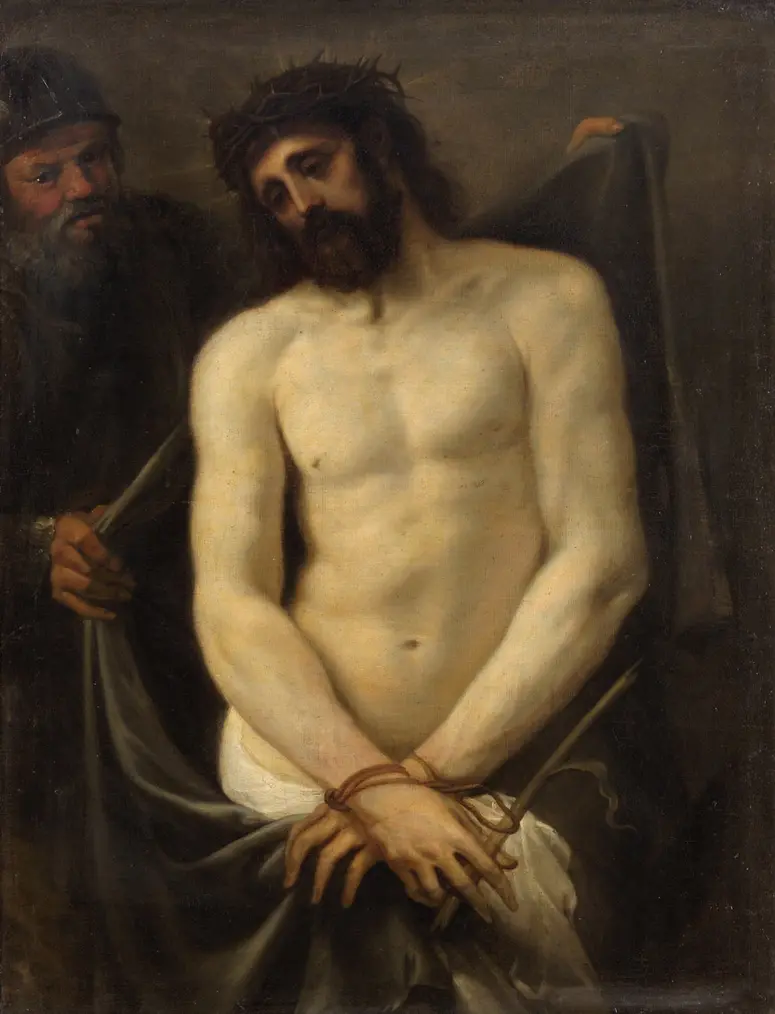
Ecce homo J. Löwy, K. und K. Hof-Photograph, Kunst- und Verlagsanstalt (Wien) 1888 bis 1891

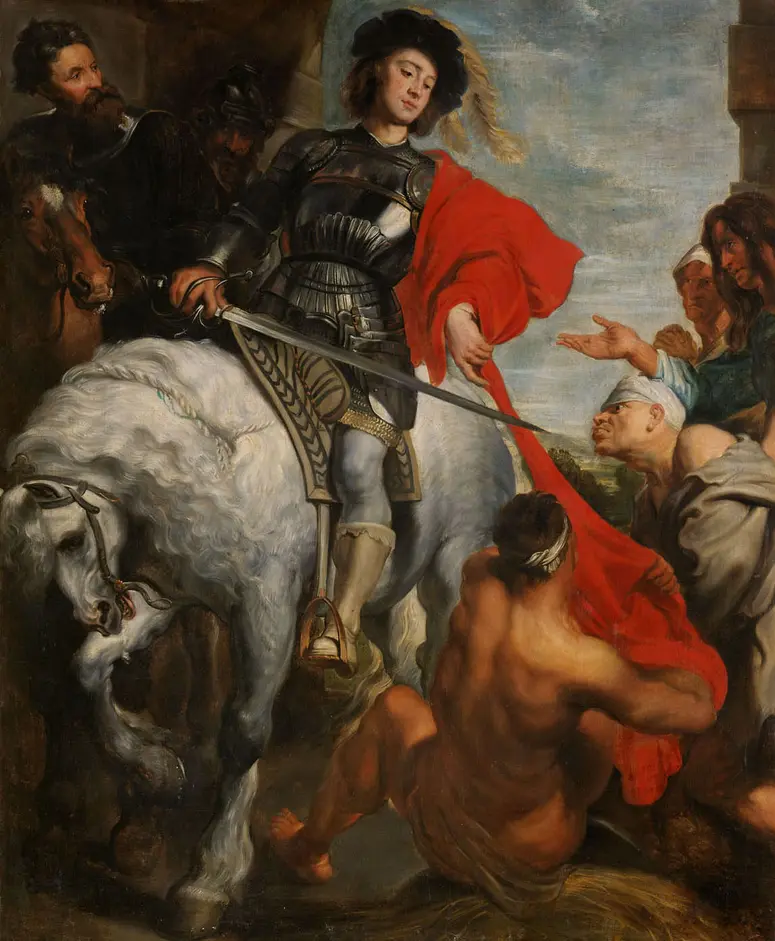
Hl. Martin J. Löwy, K. und K. Hof-Photograph, Kunst- und Verlagsanstalt (Wien) 1888 bis 1891
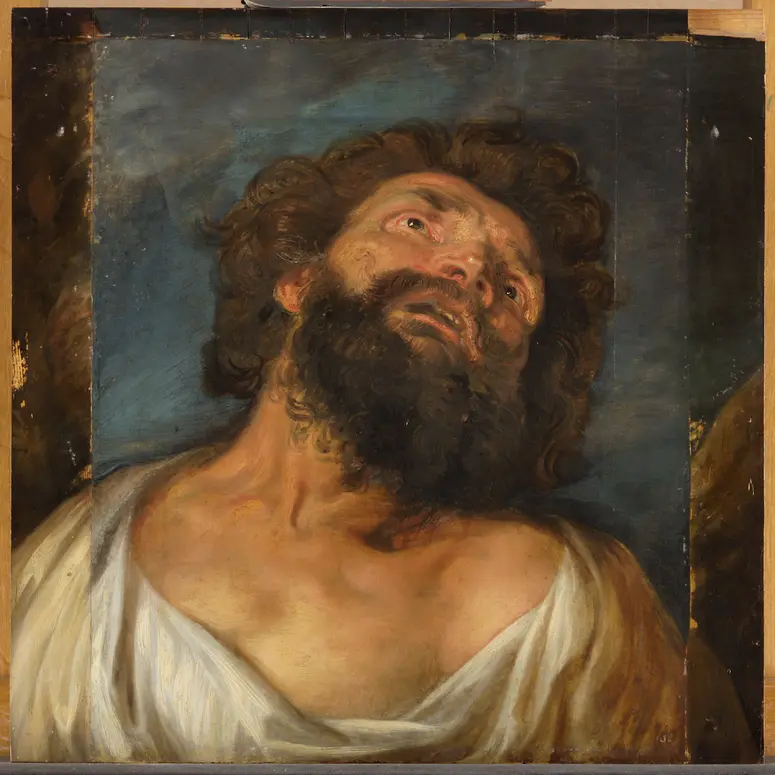
Studienkopf eines Schächers J. Löwy, K. und K. Hof-Photograph, Kunst- und Verlagsanstalt (Wien) 1888 bis 1891
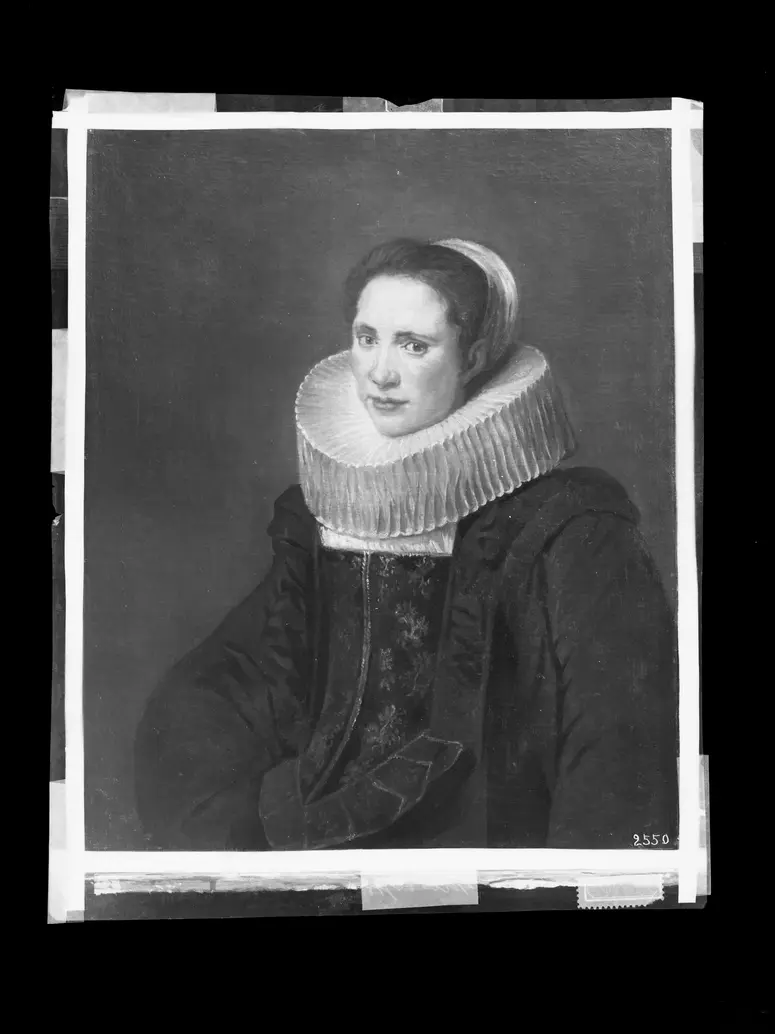
Weibliches Bildnis J. Löwy, K. und K. Hof-Photograph, Kunst- und Verlagsanstalt (Wien) 1888 bis 1910
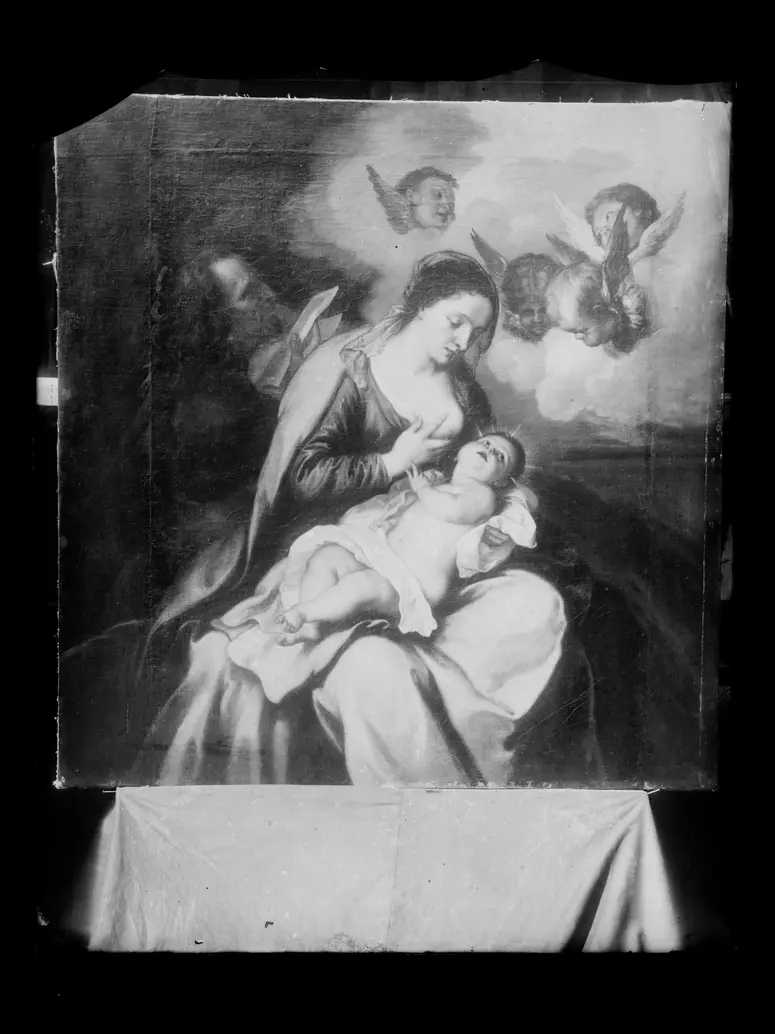
Die Heilige Familie J. Löwy, K. und K. Hof-Photograph, Kunst- und Verlagsanstalt (Wien) 1888 bis 1910
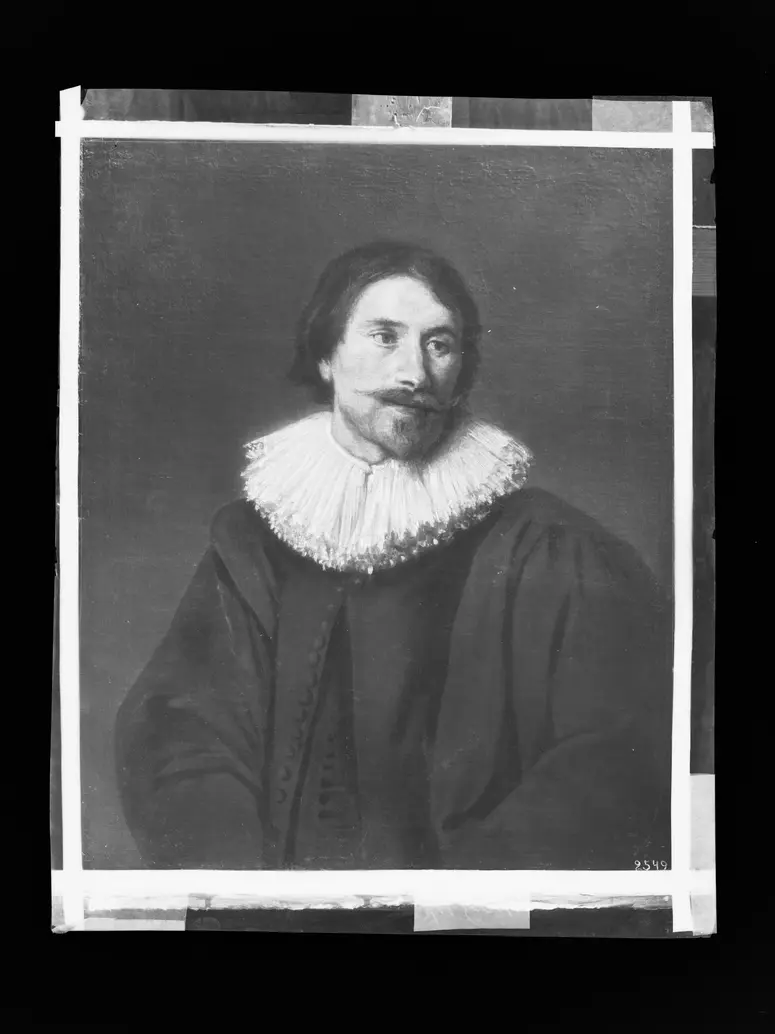
Männliches Bildnis J. Löwy, K. und K. Hof-Photograph, Kunst- und Verlagsanstalt (Wien) 1888 bis 1910
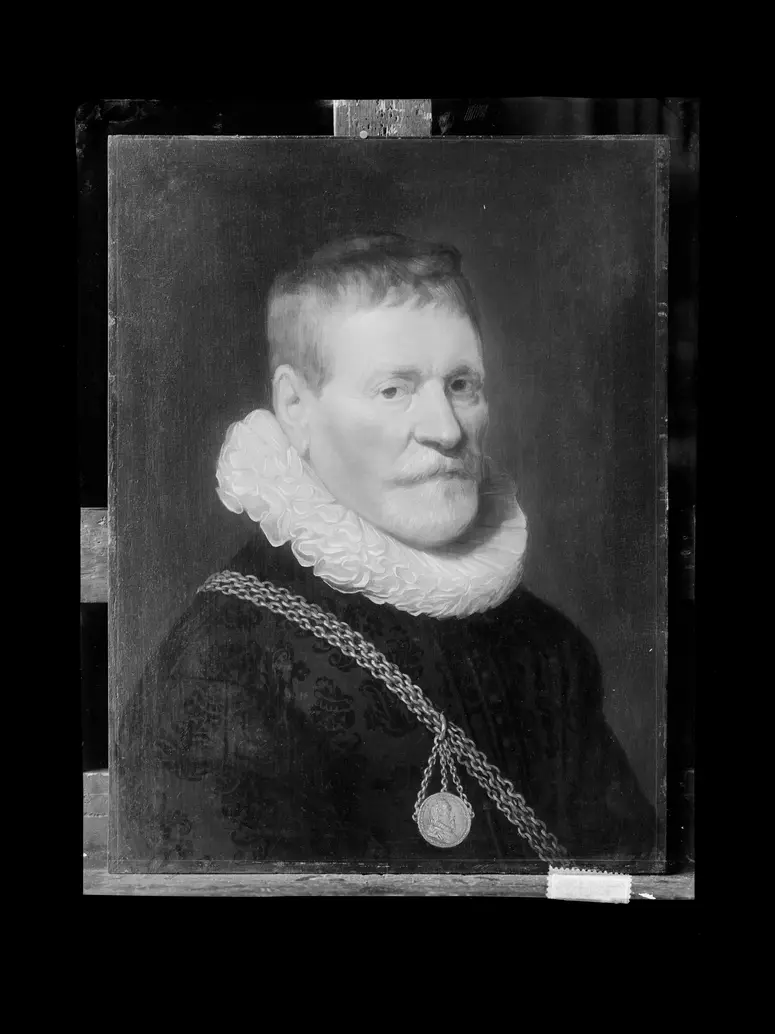
Männliches Bildnis J. Löwy, K. und K. Hof-Photograph, Kunst- und Verlagsanstalt (Wien) 1888 bis 1910