Mörsermodell
A mortar is a cannon with a short barrel. It is generally quite bulky and is designed to launch explosive shells in a high-arching trajectory; mortars came into their own during a siege. This small-scale model consists of a polychromed wooden mount and a fully functioning mortar made of gilt bronze. The mount is decorated at the front with a sleeping Landsknecht (a German pikeman) sporting yellow and red attire, and three cannonballs at the back.
We do not know exactly why this miniature mortar was made or how it was used. However, the inscription on the mortar suggests both a possible reason for its commission and its original owner: MARIA ∙ ANNA / SV ANO ∙ DNI 1515. This references the First Congress of Vienna, the great public spectacle during which the Habsburg-Jagiellon (Austrian-Hungarian) mutual succession treaty was signed in Vienna in the summer of 1515.
The keystone of this First Congress of Vienna was the double betrothal of two Habsburg and two Jagiellon princes and princesses. The mortar names the two princesses: Archduchess Mary and Princess Anne of Hungary. Anne was to wed one of Maximilian’s grandsons – either Charles or Ferdinand. Though still subject to negotiations in 1515, she eventually married Ferdinand. Neither Charles nor Ferdinand attended the festivities in Vienna, which suggests the miniature mortar was commissioned for Prince Louis. The then nine-year-old son and heir of Vladislaus II Jagiellon, King of Hungary and Bohemia was betrothed to Archduchess Mary. He was present at the Congress of Vienna. We do not know if this small mortar was actually fired during the festivities, for example during an evening fireworks display.
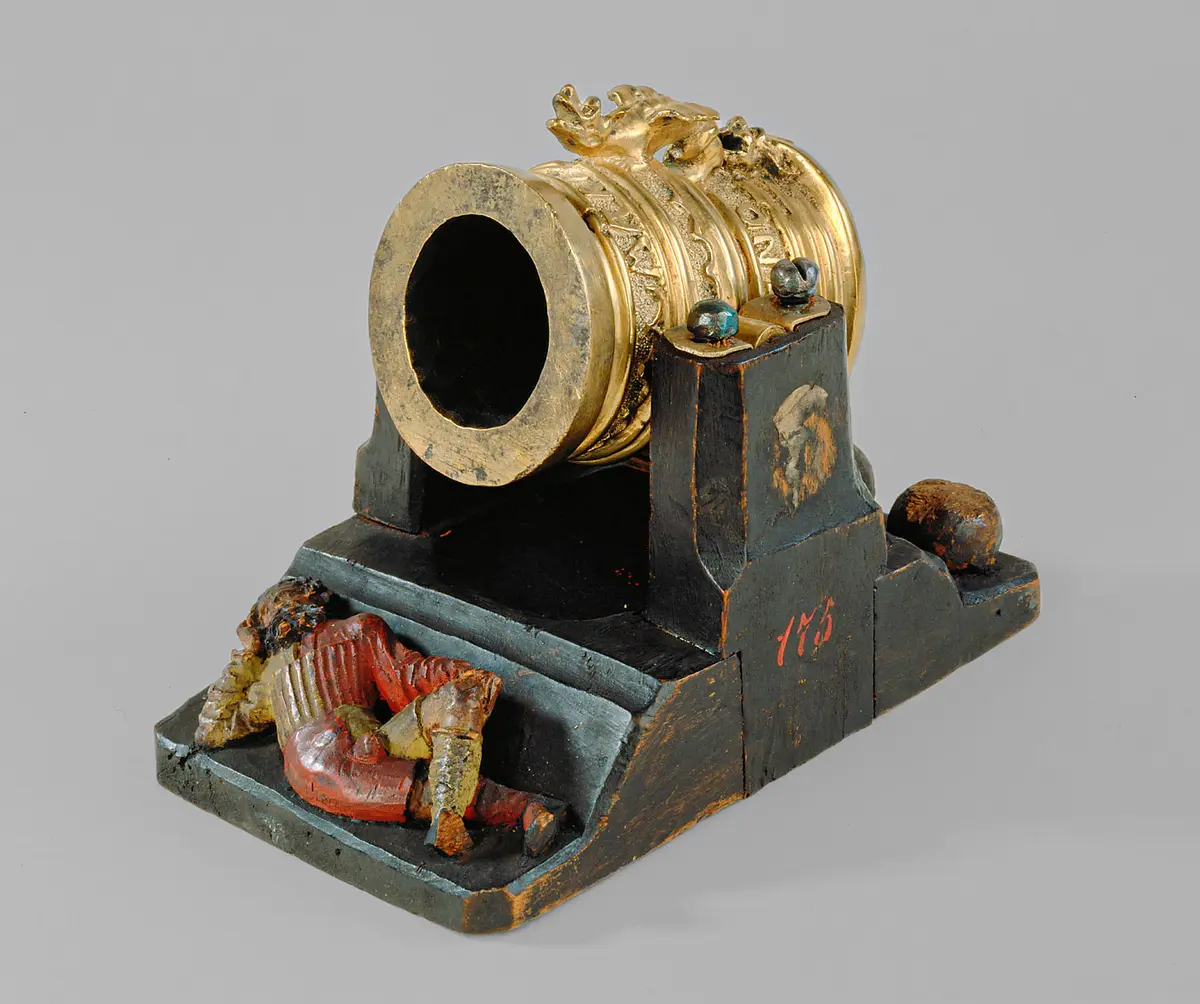
A mortar is a cannon with a short barrel. It is generally quite bulky and is designed to launch explosive shells in a high-arching trajectory; mortars came into their own during a siege. This small-scale model consists of a polychromed wooden mount and a fully functioning mortar made of gilt bronze. The mount is decorated at the front with a sleeping Landsknecht (a German pikeman) sporting yellow and red attire, and three cannonballs at the back.
We do not know exactly why this miniature mortar was made or how it was used. However, the inscription on the mortar suggests both a possible reason for its commission and its original owner: MARIA ∙ ANNA / SV ANO ∙ DNI 1515. This references the First Congress of Vienna, the great public spectacle during which the Habsburg-Jagiellon (Austrian-Hungarian) mutual succession treaty was signed in Vienna in the summer of 1515.
The keystone of this First Congress of Vienna was the double betrothal of two Habsburg and two Jagiellon princes and princesses. The mortar names the two princesses: Archduchess Mary and Princess Anne of Hungary. Anne was to wed one of Maximilian’s grandsons – either Charles or Ferdinand. Though still subject to negotiations in 1515, she eventually married Ferdinand. Neither Charles nor Ferdinand attended the festivities in Vienna, which suggests the miniature mortar was commissioned for Prince Louis. The then nine-year-old son and heir of Vladislaus II Jagiellon, King of Hungary and Bohemia was betrothed to Archduchess Mary. He was present at the Congress of Vienna. We do not know if this small mortar was actually fired during the festivities, for example during an evening fireworks display.
Owner:
Ludwig II. (1516-1526), König von Ungarn und Böhmen (1506 - 1526) DNB
Artist:
Leonhard Magt , (Bildhauer) (erw. 1508 - 1532, tätig in Innsbruck) DNB
Time:
1515
Object Name
Mörsermodell
Culture
Innsbruck
Material/technology:
Material: Mörser: Bronze, gegossen, feuervergoldet. Montagebleche: Kupfer, feuervergoldet. Lafette: Holz, bemalt. Schrauben: Eisen, gebläut.
Dimensions:
L 17,5 cm x H 14 cm x B 11 cm
Gewicht: 1,55 kg
Inscribed
MARIA.ANNA/.S.V.ANO.DMI.1515
Copyright
Kunsthistorisches Museum, Hofjagd- und Rüstkammer
Invs.
Hofjagd- und Rüstkammer, A 175
Browse more
Similar items you might be interested in
Christus und die beiden Schächer Leonhard Kern um 1626
Sanguiniker (sog. Frauenkopf) J. Löwy, K. und K. Hof-Photograph, Kunst- und Verlagsanstalt (Wien) 1888 bis 1891
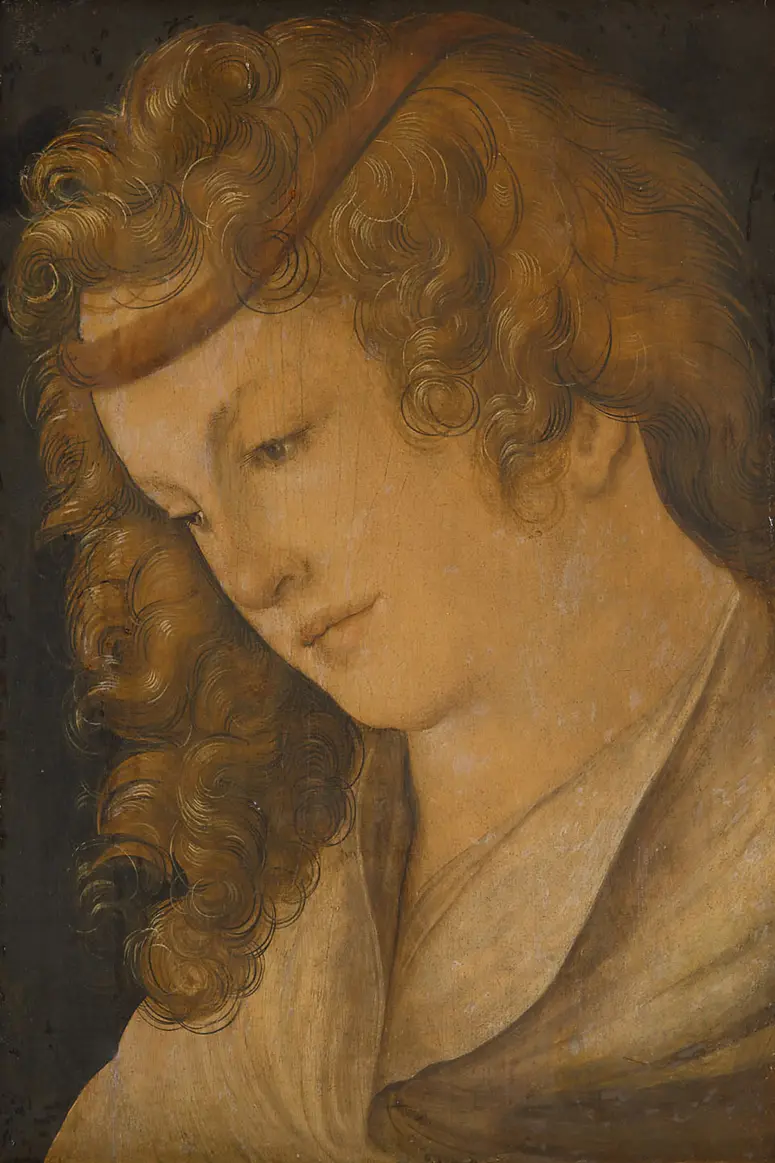
Melancholiker (sog. Jünglingskopf) J. Löwy, K. und K. Hof-Photograph, Kunst- und Verlagsanstalt (Wien) 1888 bis 1891
Geburt Christi J. Löwy, K. und K. Hof-Photograph, Kunst- und Verlagsanstalt (Wien) 1888 bis 1910
Der hl. Sebastian J. Löwy, K. und K. Hof-Photograph, Kunst- und Verlagsanstalt (Wien) 1888 bis 1910
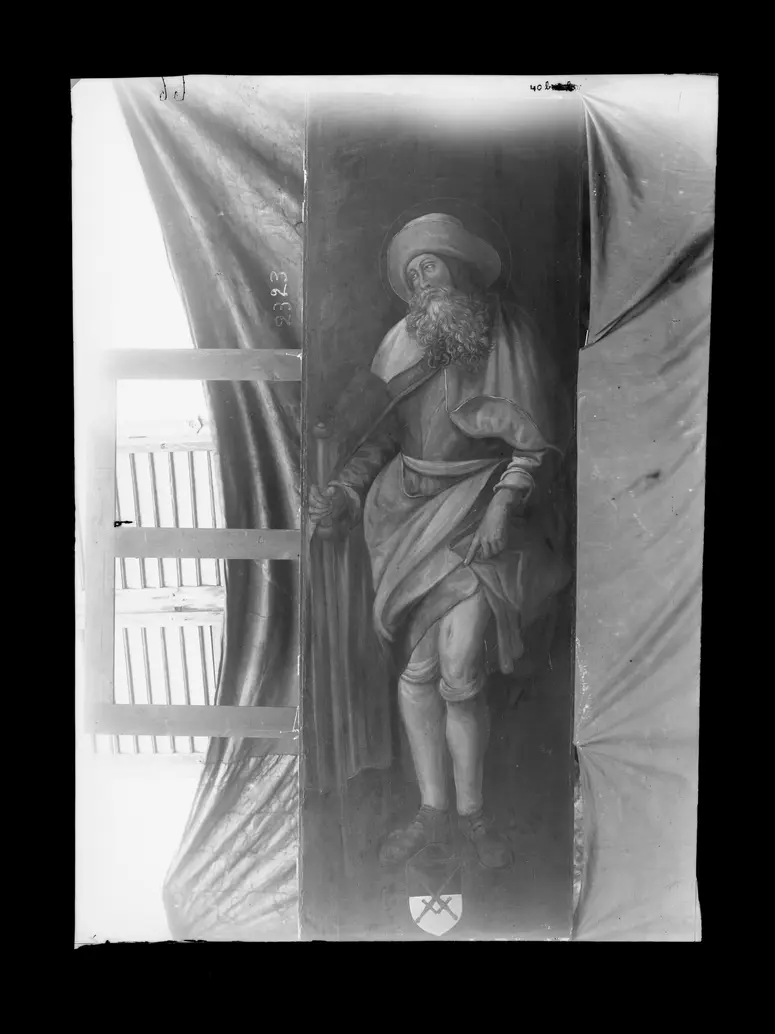
Der hl. Rochus mit sächsischem Kurwappen J. Löwy, K. und K. Hof-Photograph, Kunst- und Verlagsanstalt (Wien) 1888 bis 1910
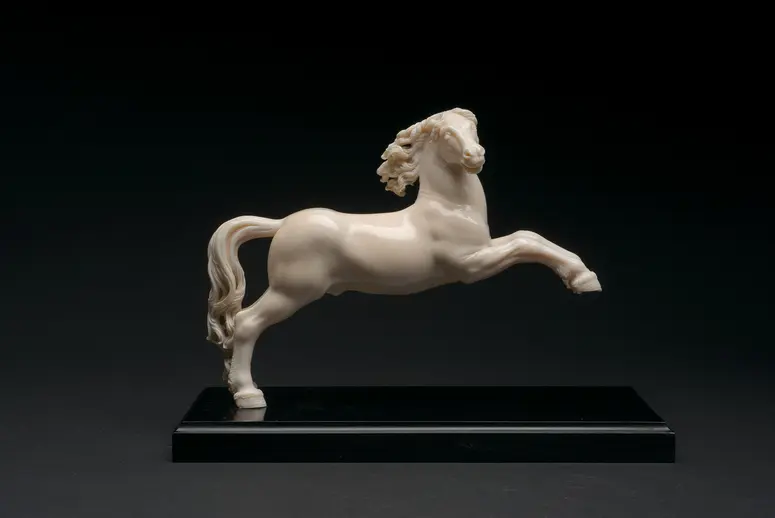

Ferdinand I. (1521-1564), Erzherzog, seit 1531 König und seit 1558 Kaiser 1526/1529
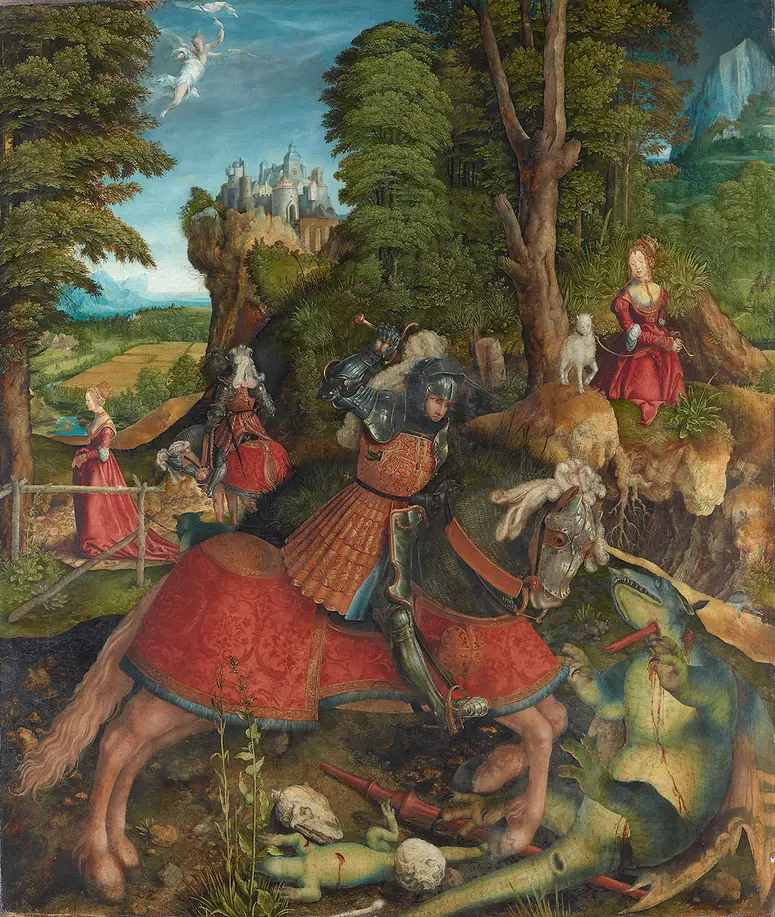
Hl. Georg im Kampf mit dem Drachen J. Löwy, K. und K. Hof-Photograph, Kunst- und Verlagsanstalt (Wien) 1888 bis 1891
Hl. Georg im Kampf mit dem Drachen J. Löwy, K. und K. Hof-Photograph, Kunst- und Verlagsanstalt (Wien) 1888 bis 1891

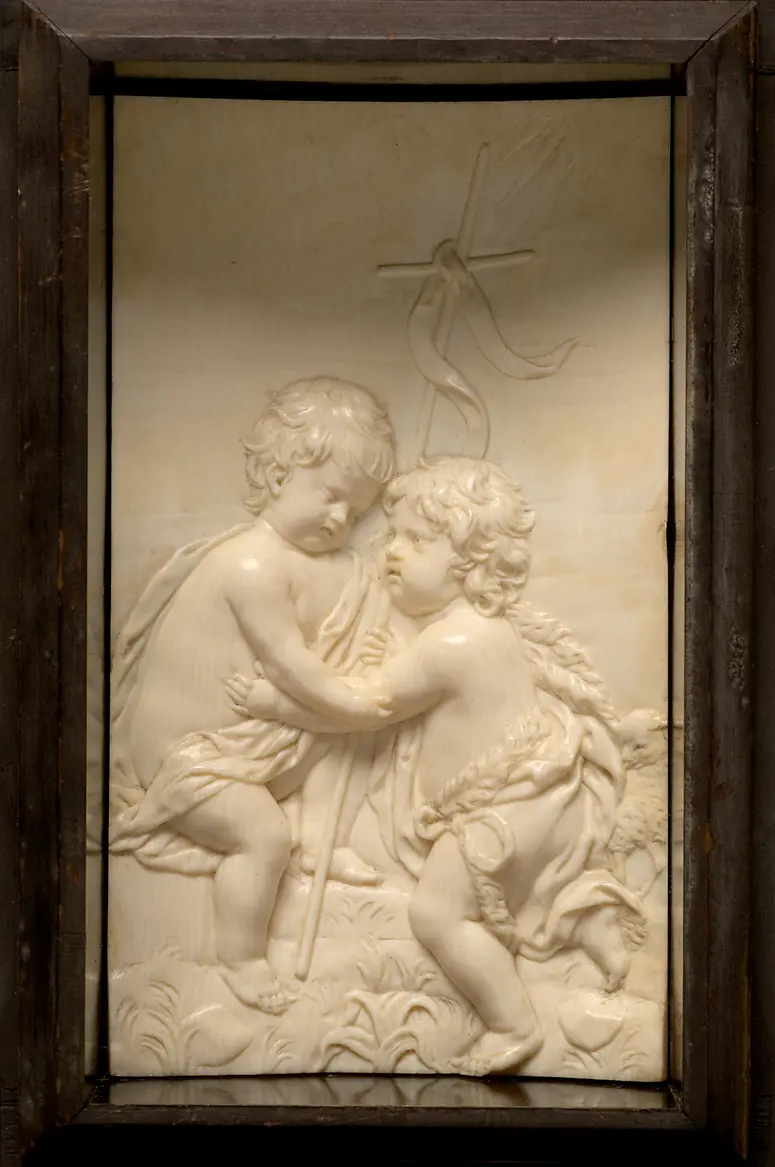
Christus und Johannesknabe Leonhard Kern 1714/20 (?)
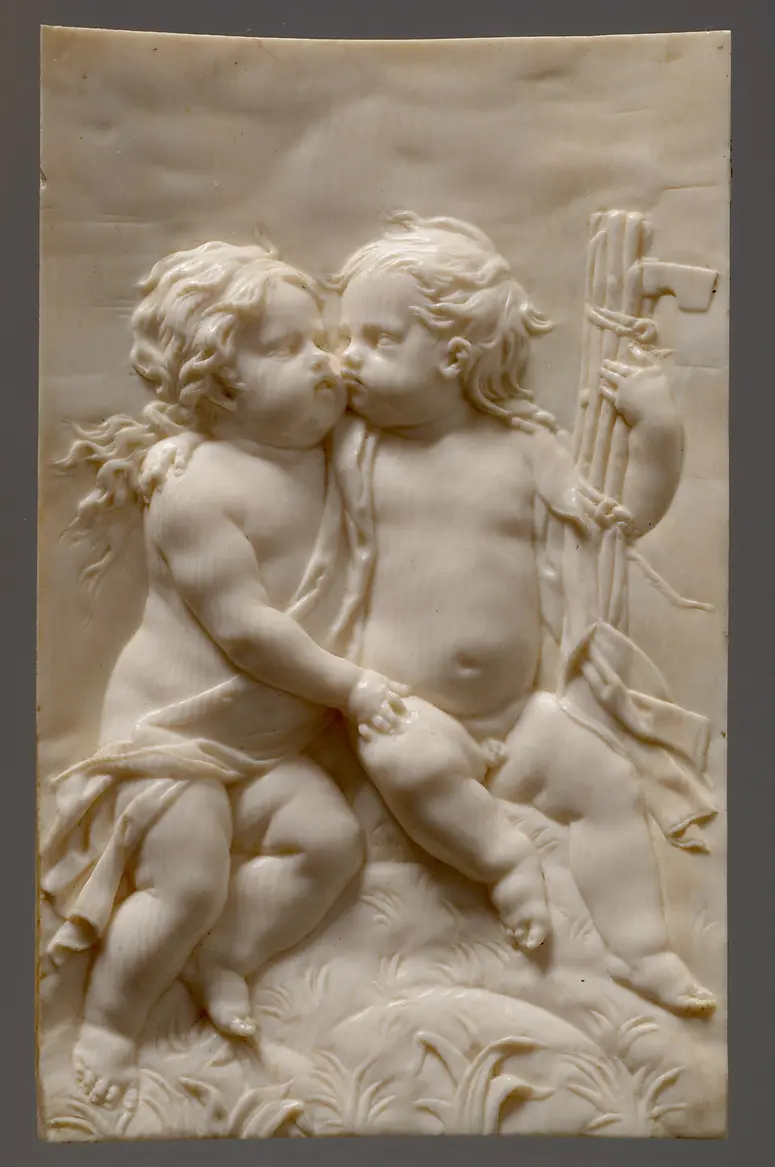
Christus und Johannesknabe Leonhard Kern 1714/20 (?)