Save object
You may download and use the image for private purposes. Nutzungsbedingungen & AGBs
To request to use the image for commercial or academic purposes, please send us a reproduction request
Save object
You may download and use the image for private purposes. Nutzungsbedingungen & AGBs
To request to use the image for commercial or academic purposes, please send us a reproduction request
Save object
You may download and use the image for private purposes. Nutzungsbedingungen & AGBs
To request to use the image for commercial or academic purposes, please send us a reproduction request
Save object
You may download and use the image for private purposes. Nutzungsbedingungen & AGBs
To request to use the image for commercial or academic purposes, please send us a reproduction request
Save object
You may download and use the image for private purposes. Nutzungsbedingungen & AGBs
To request to use the image for commercial or academic purposes, please send us a reproduction request
Save object
You may download and use the image for private purposes. Nutzungsbedingungen & AGBs
To request to use the image for commercial or academic purposes, please send us a reproduction request
Save object
You may download and use the image for private purposes. Nutzungsbedingungen & AGBs
To request to use the image for commercial or academic purposes, please send us a reproduction request
Save object
You may download and use the image for private purposes. Nutzungsbedingungen & AGBs
To request to use the image for commercial or academic purposes, please send us a reproduction request
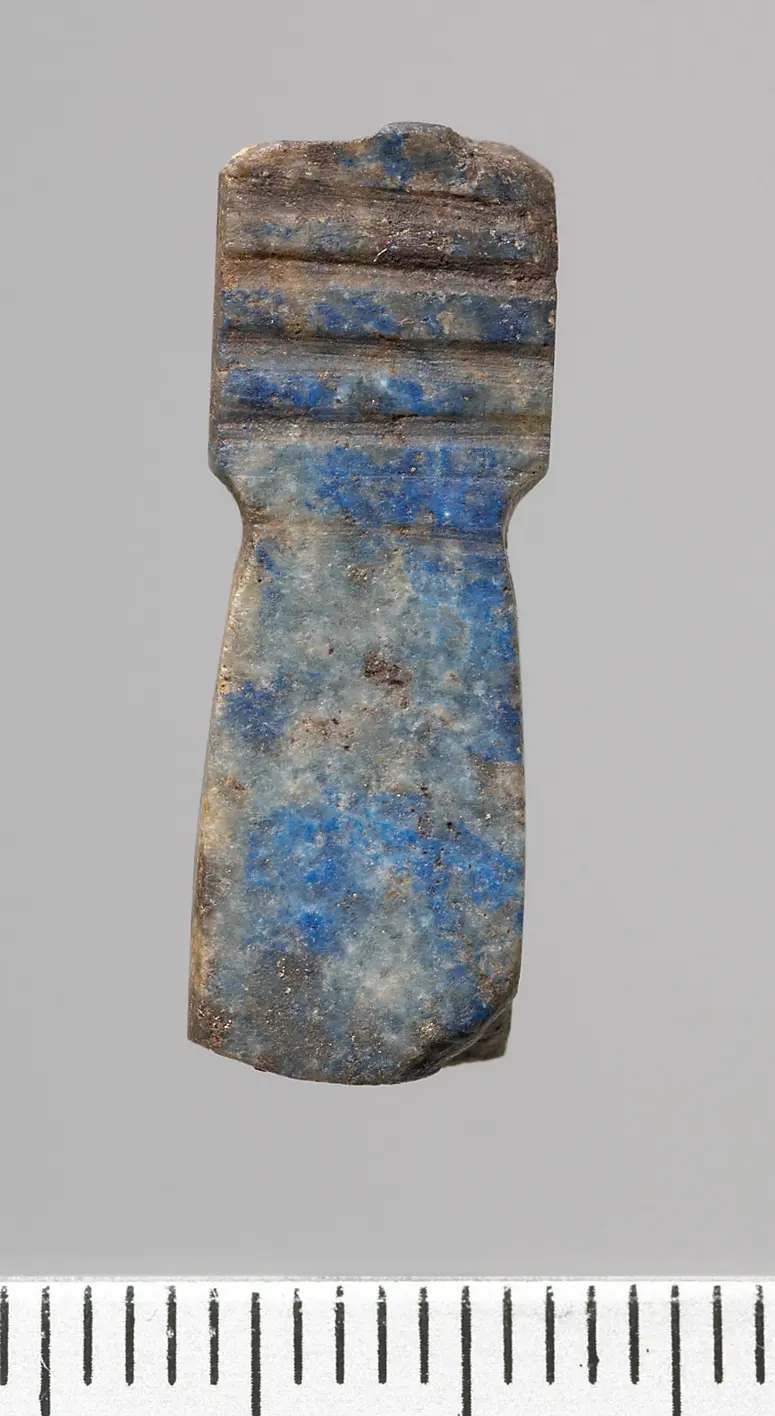
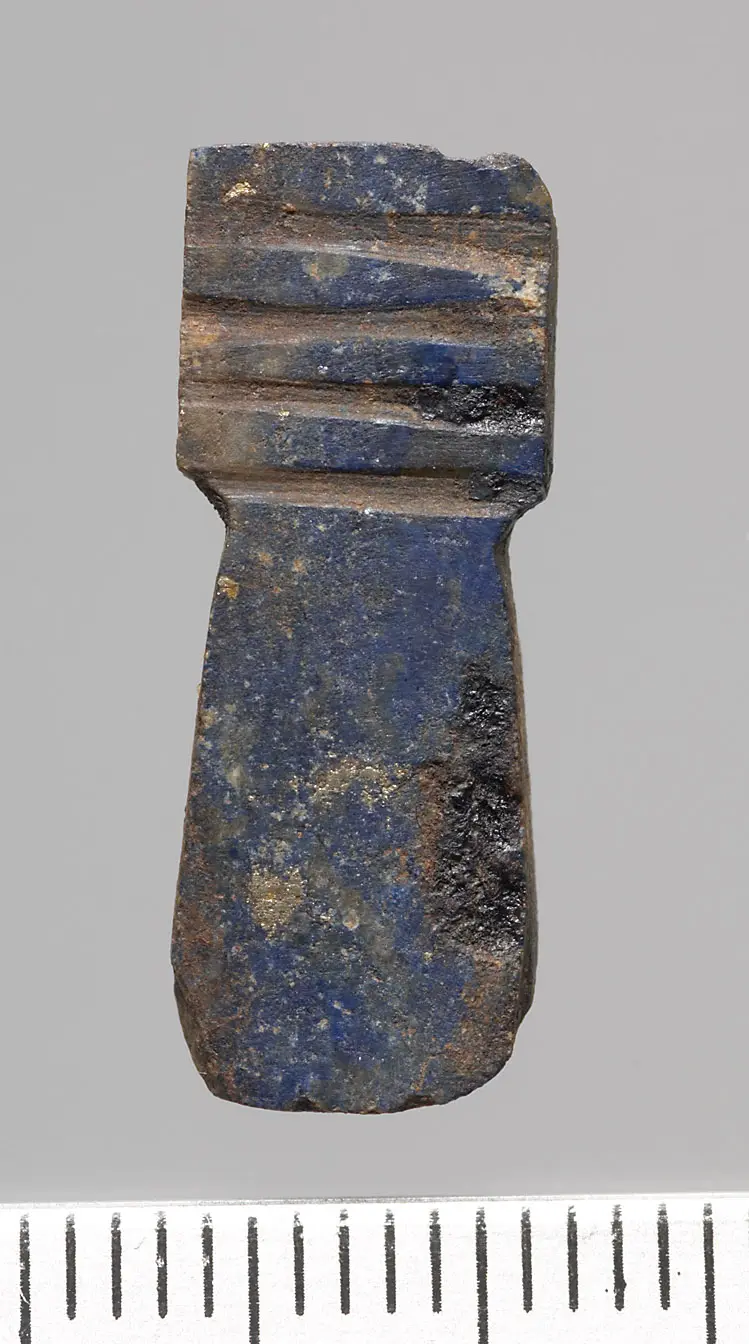
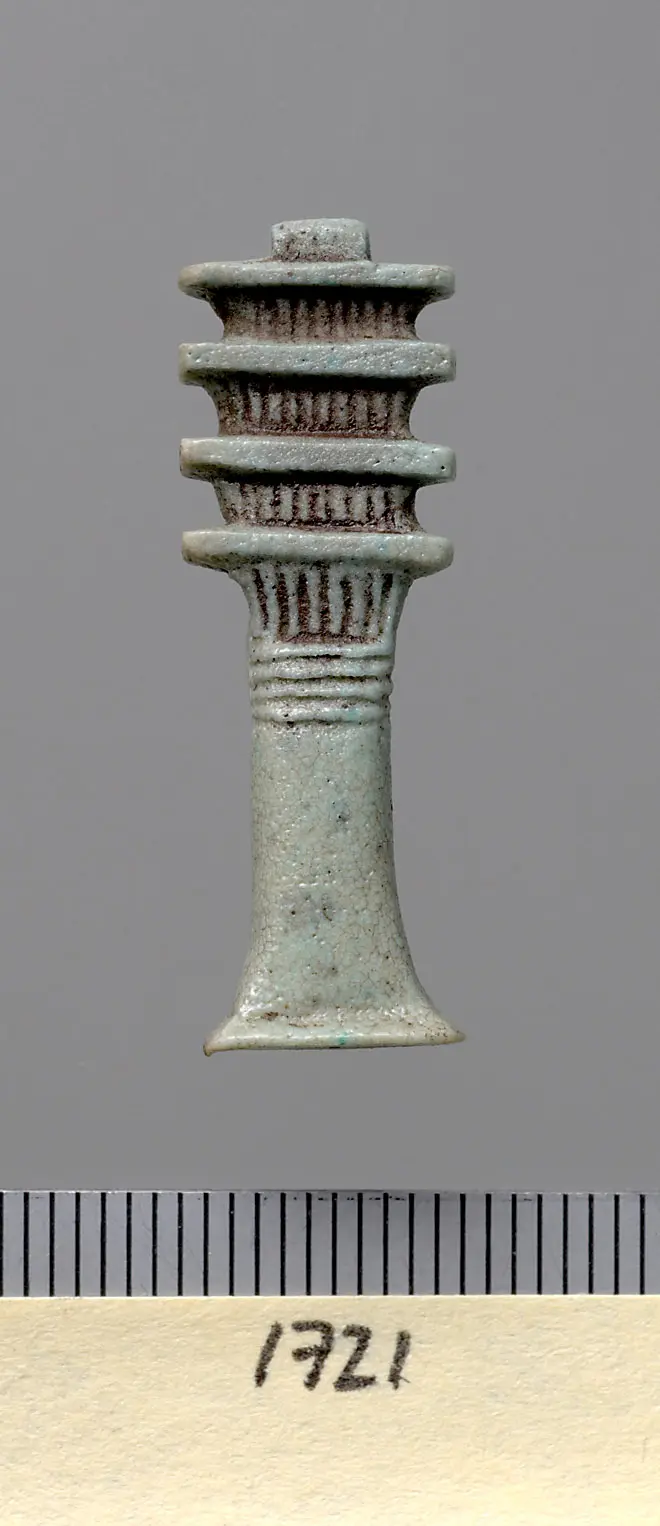
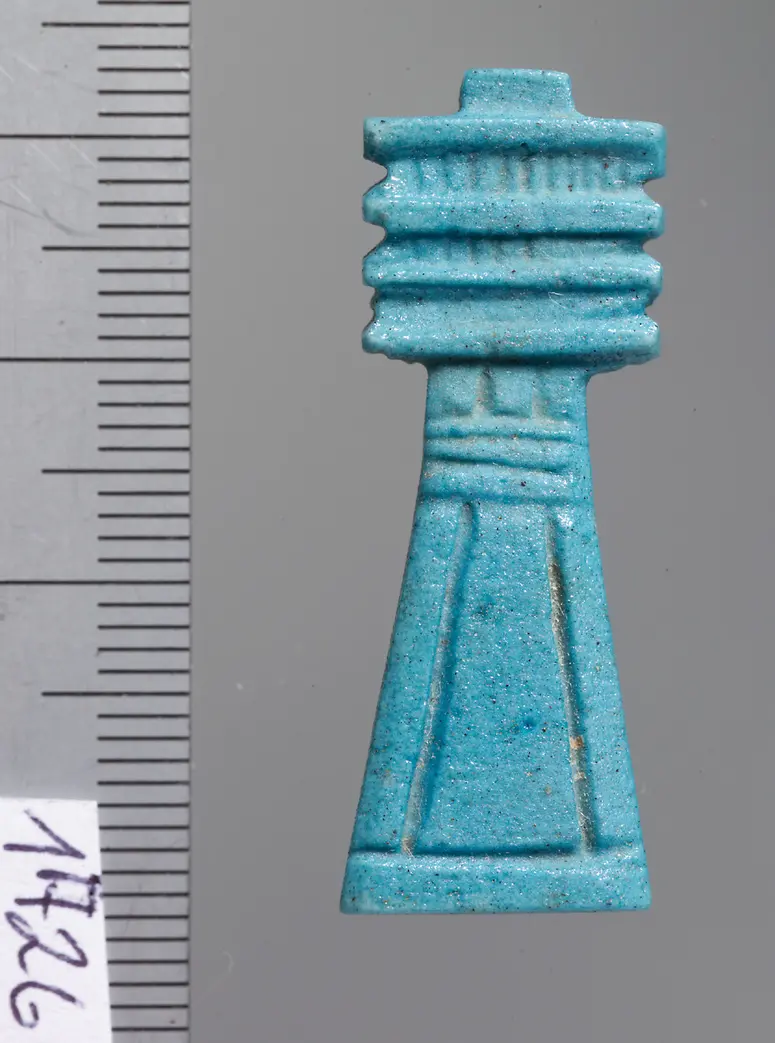
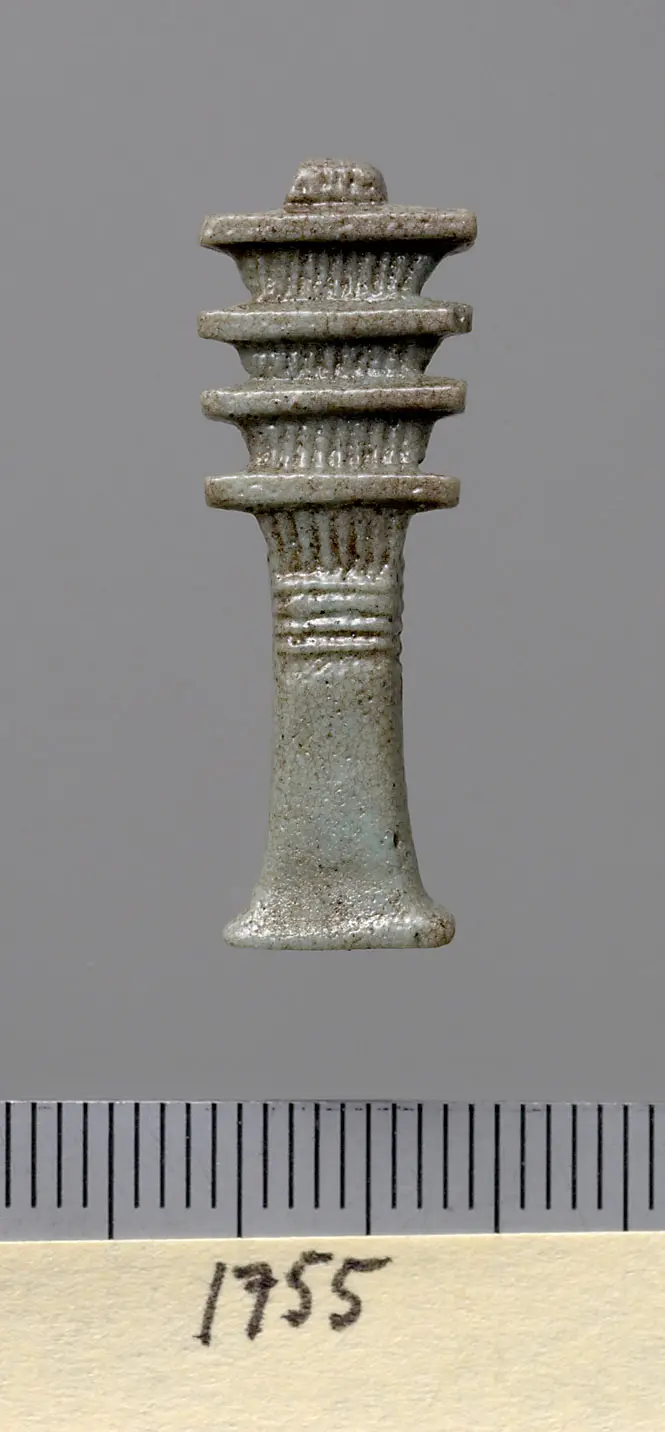
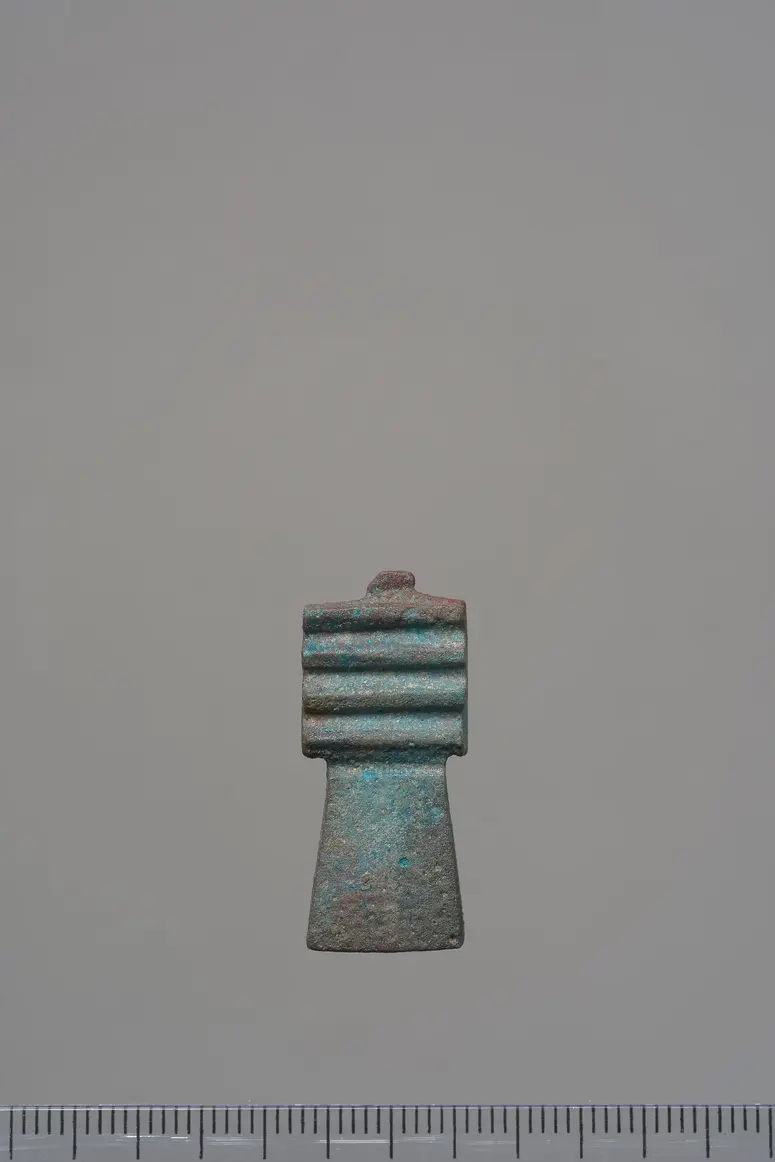
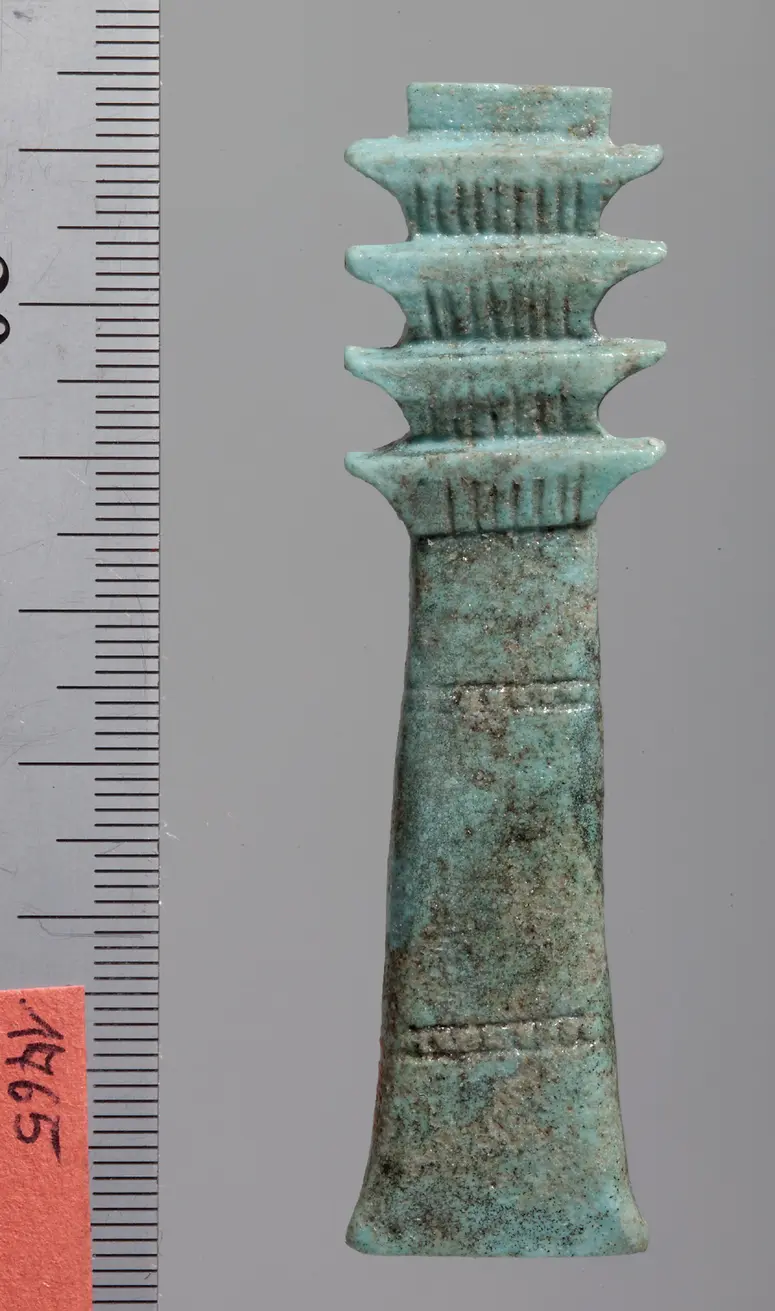
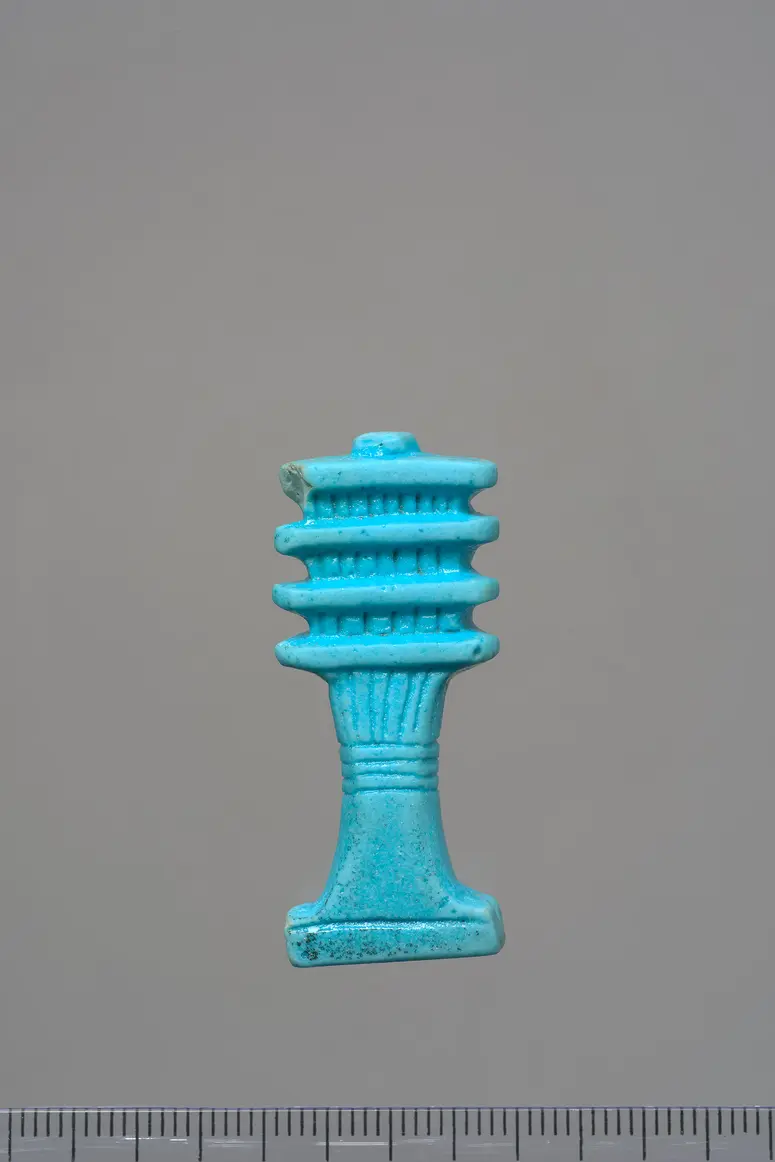
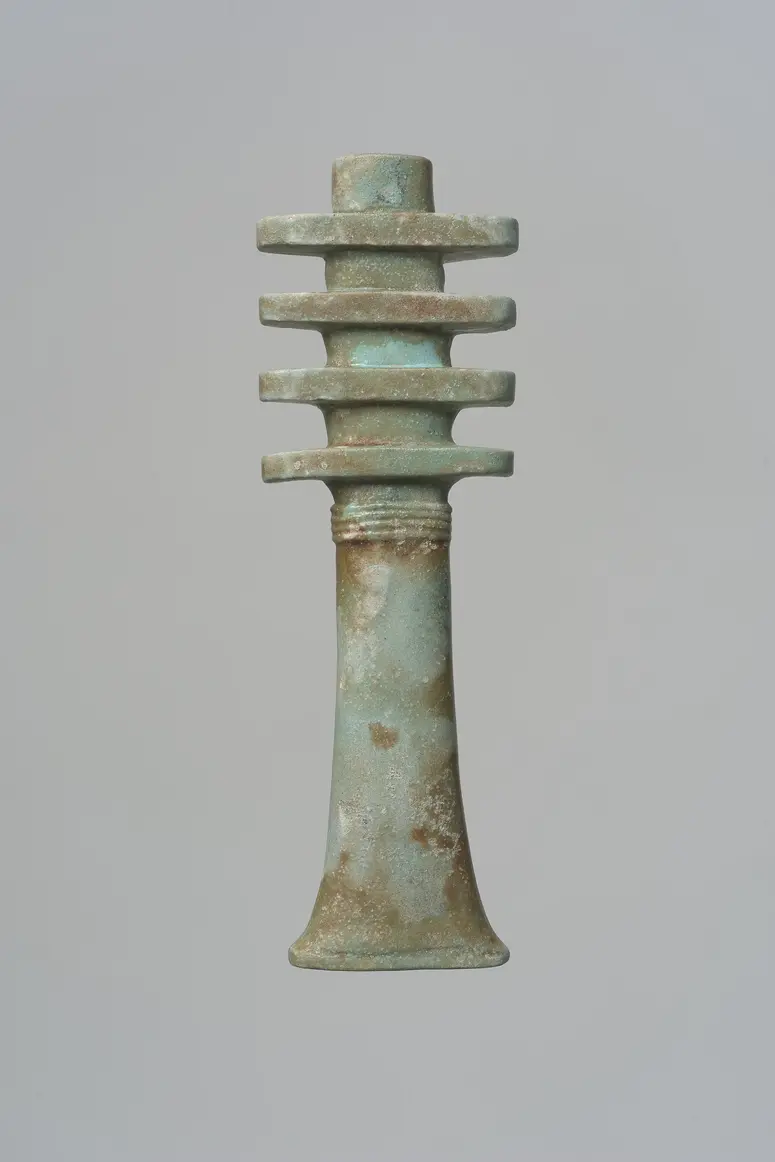
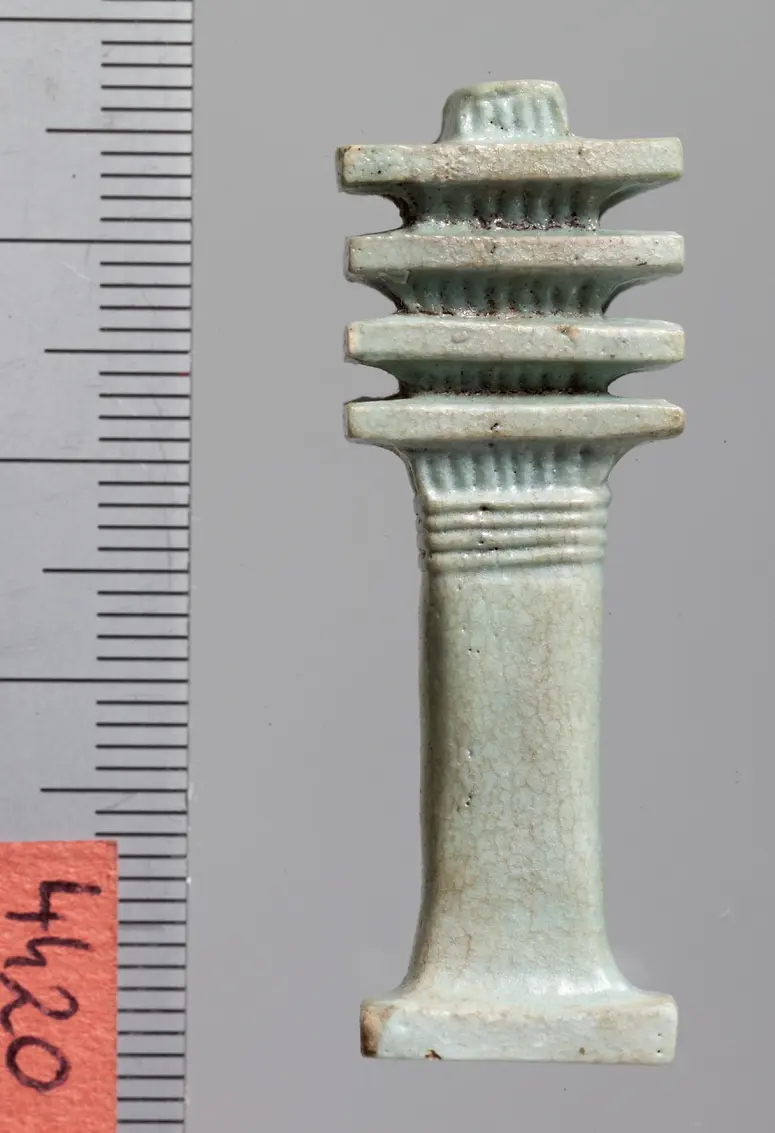
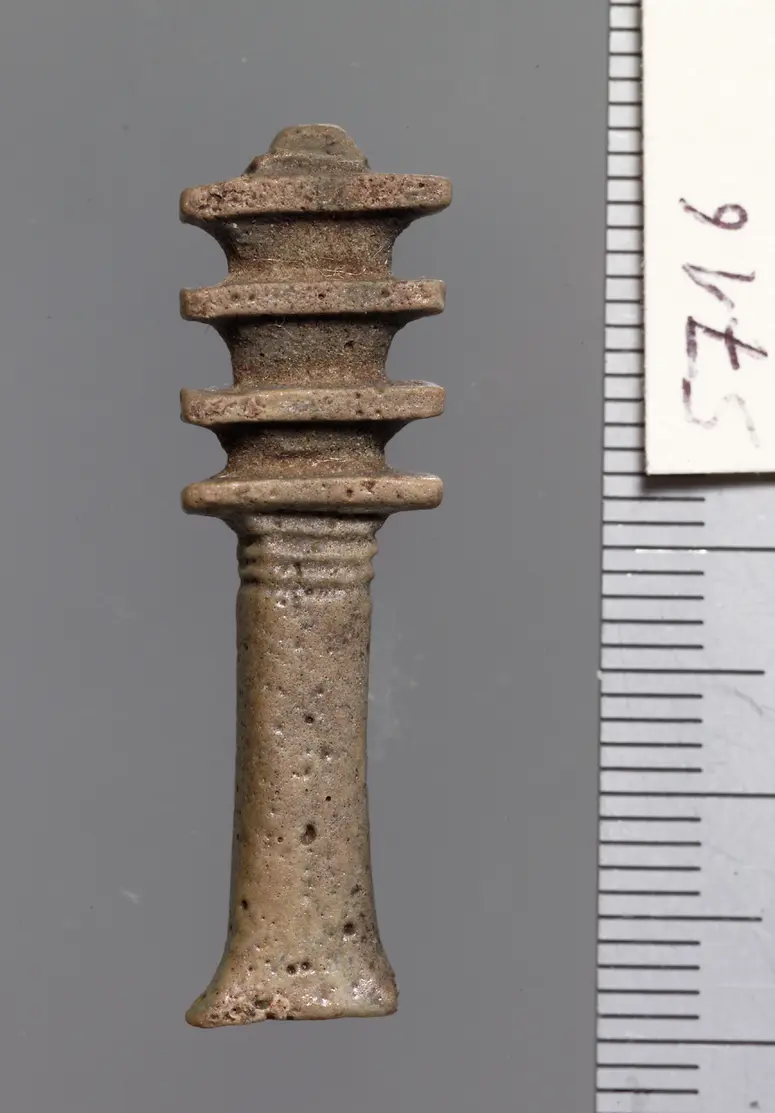
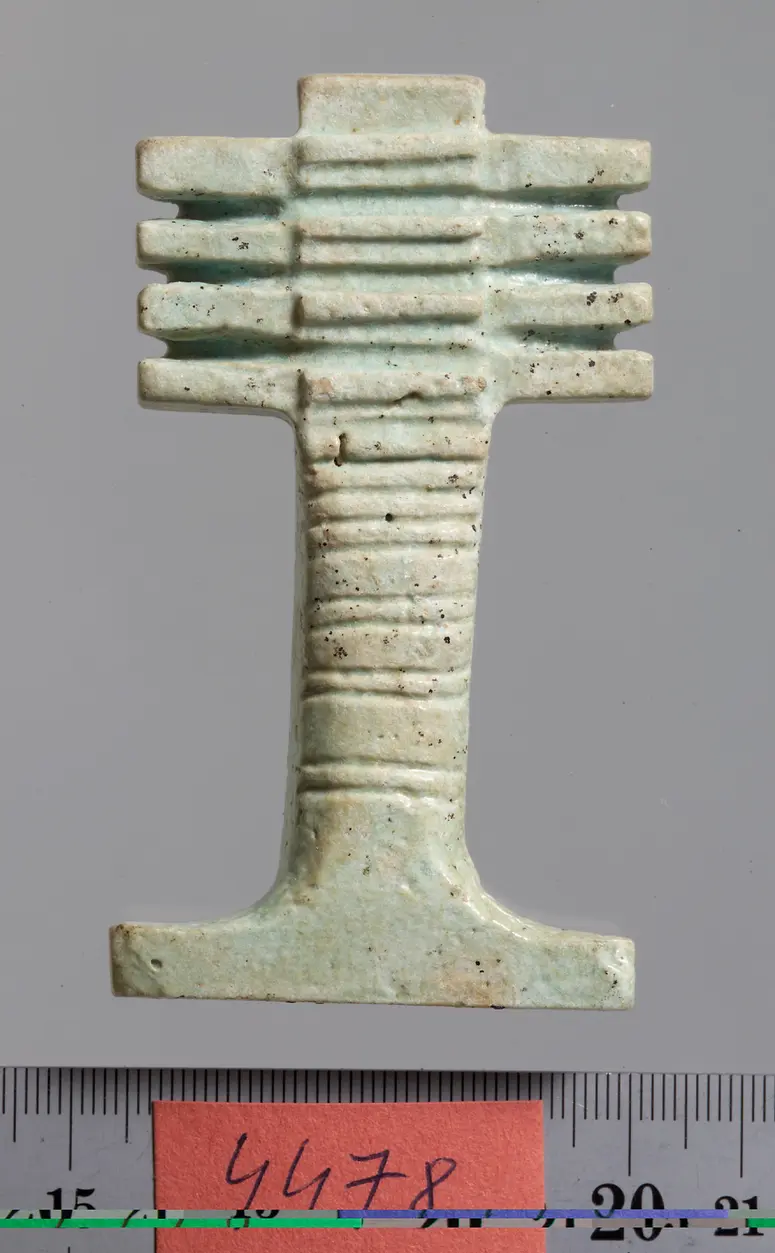
Djed-Pfeiler
Ca. 5.-4. Jh. v. Chr.
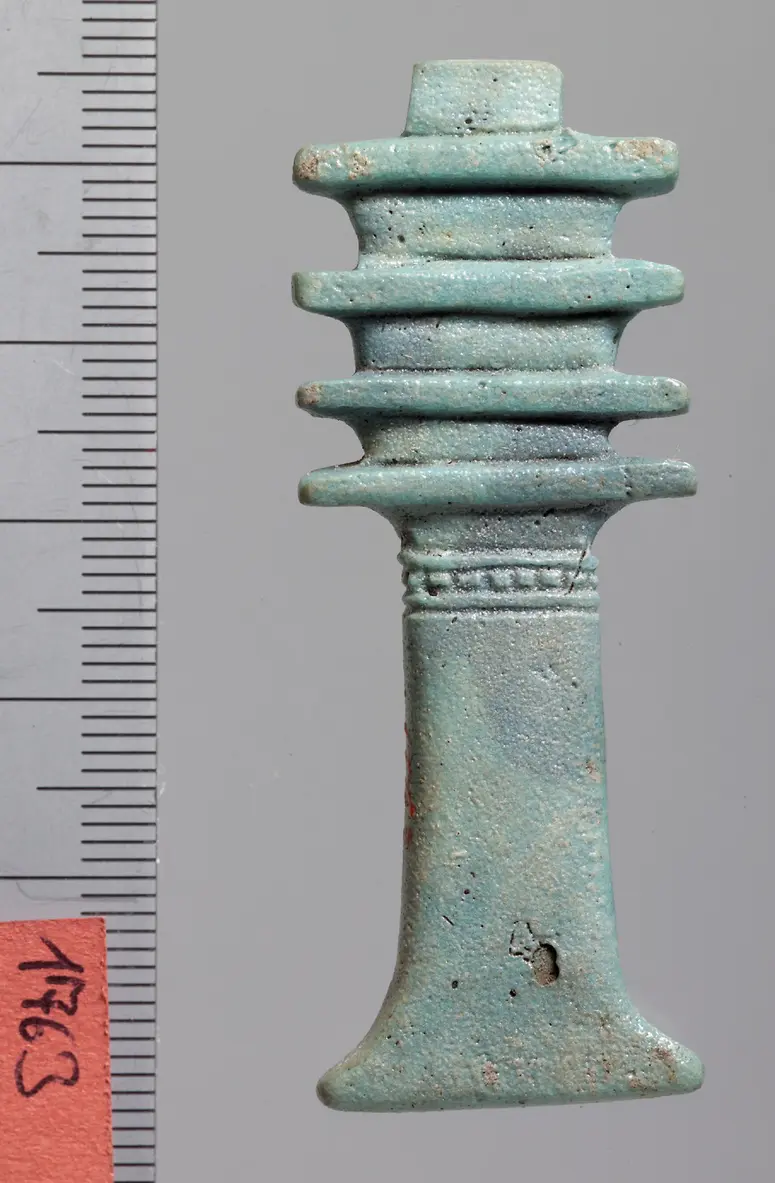
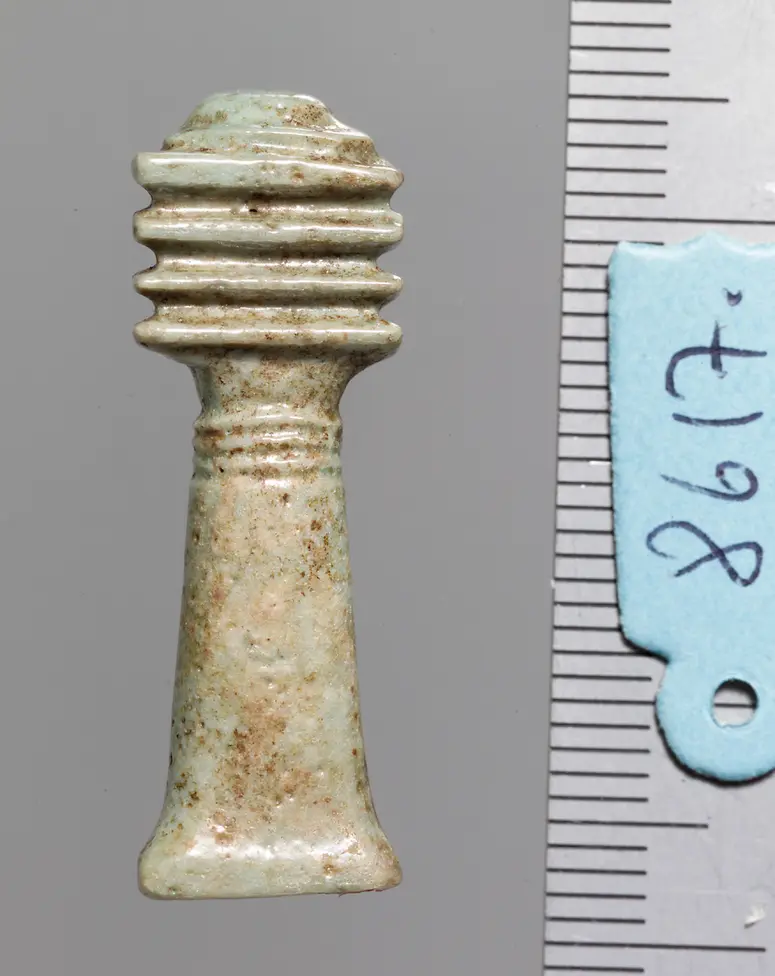
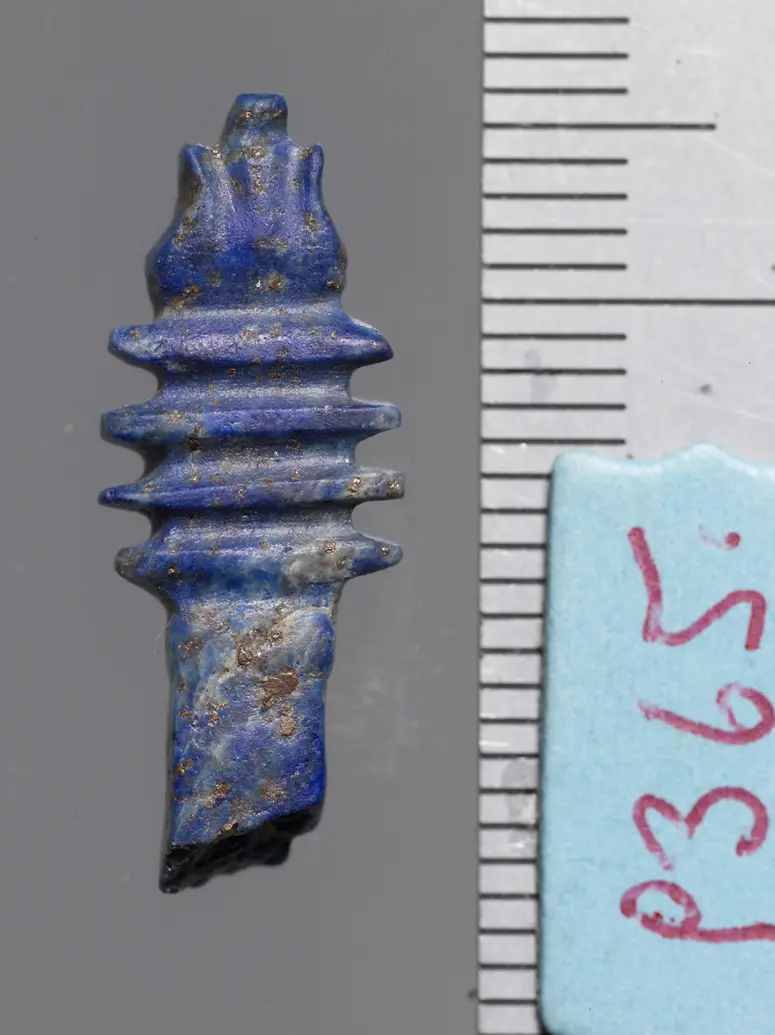
Der Djed-Pfeiler, der wahrscheinlich zusammengebundene Getreideähren darstellt, steht als Hieroglyphe für Dauer, Ewigkeit und Bestand. Ab dem Neuen Reich tritt die Verbindung des Djed-Pfeilers mit Osiris in den Vordergrund. Er wird nun mit dem Rückgrat des Osiris identifiziert. Vor allem große Djed-Pfeiler werden an das Rückgrat des Toten gelegt und mit den Mumienbinden mitgewickelt. So soll das Amulett die Regeneration und Auferstehung des Toten garantieren.
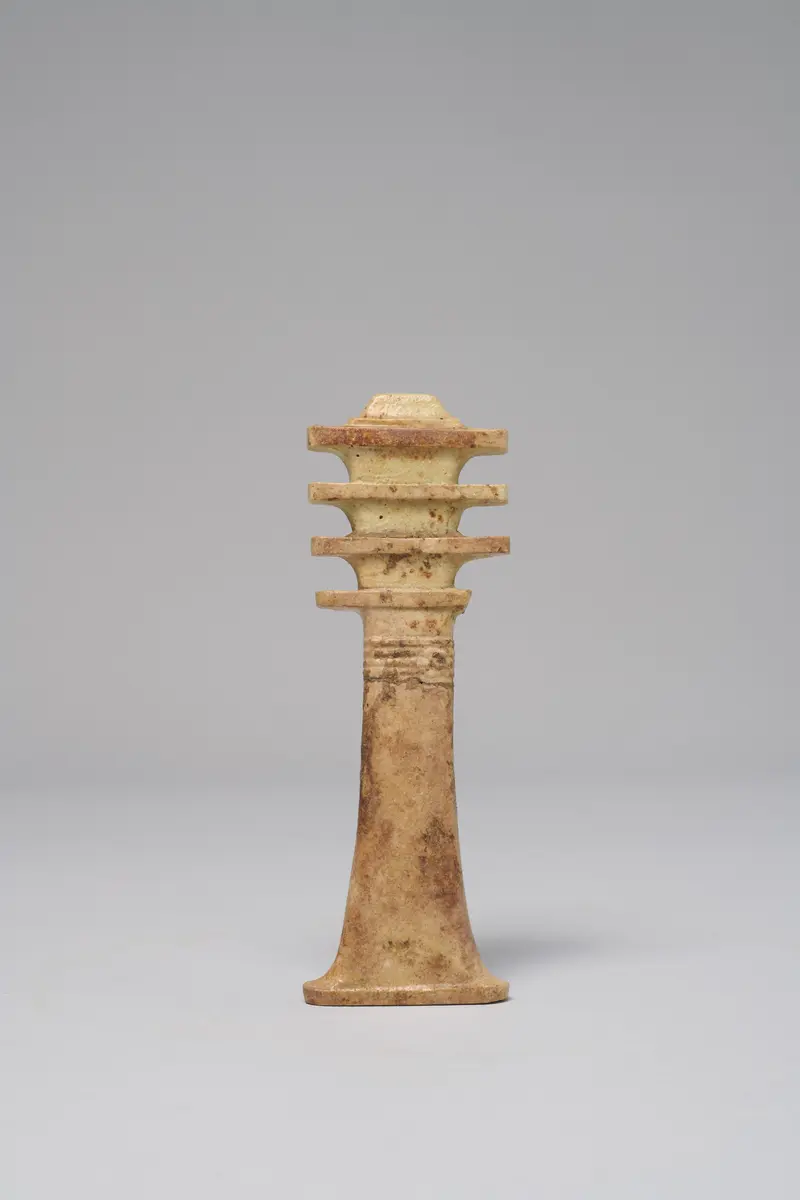
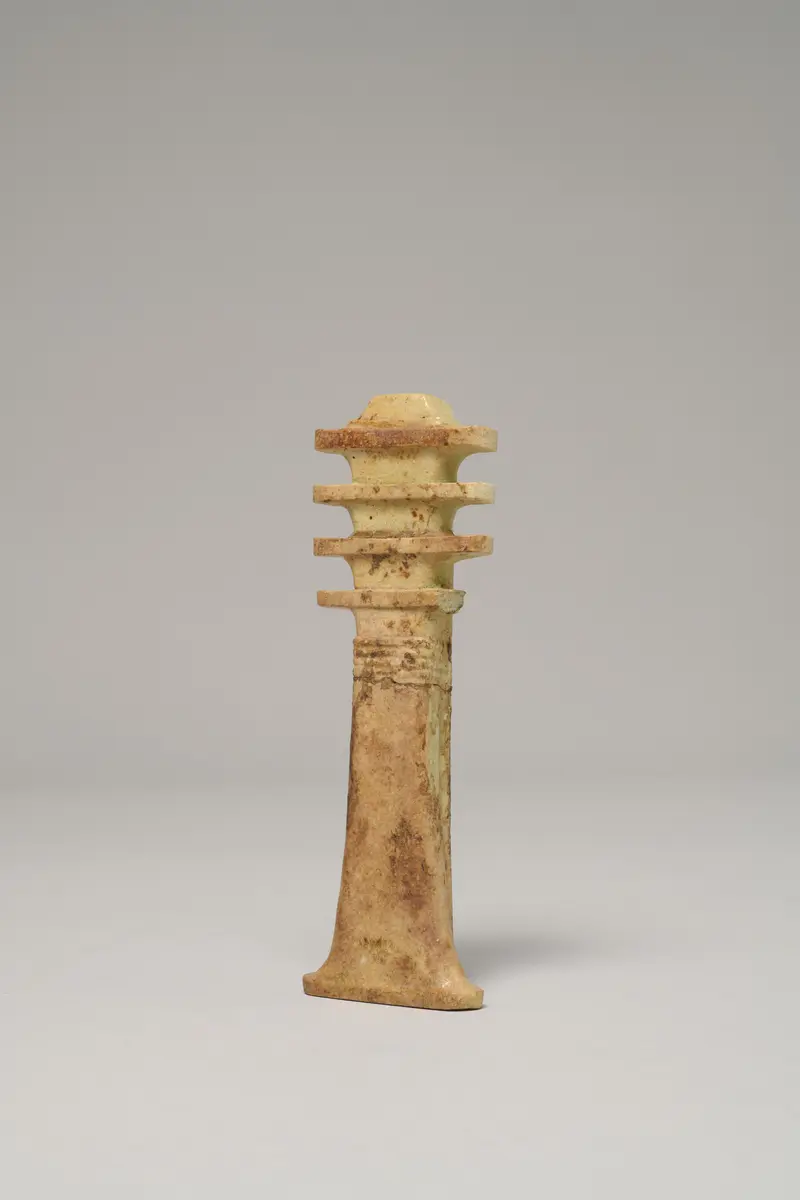
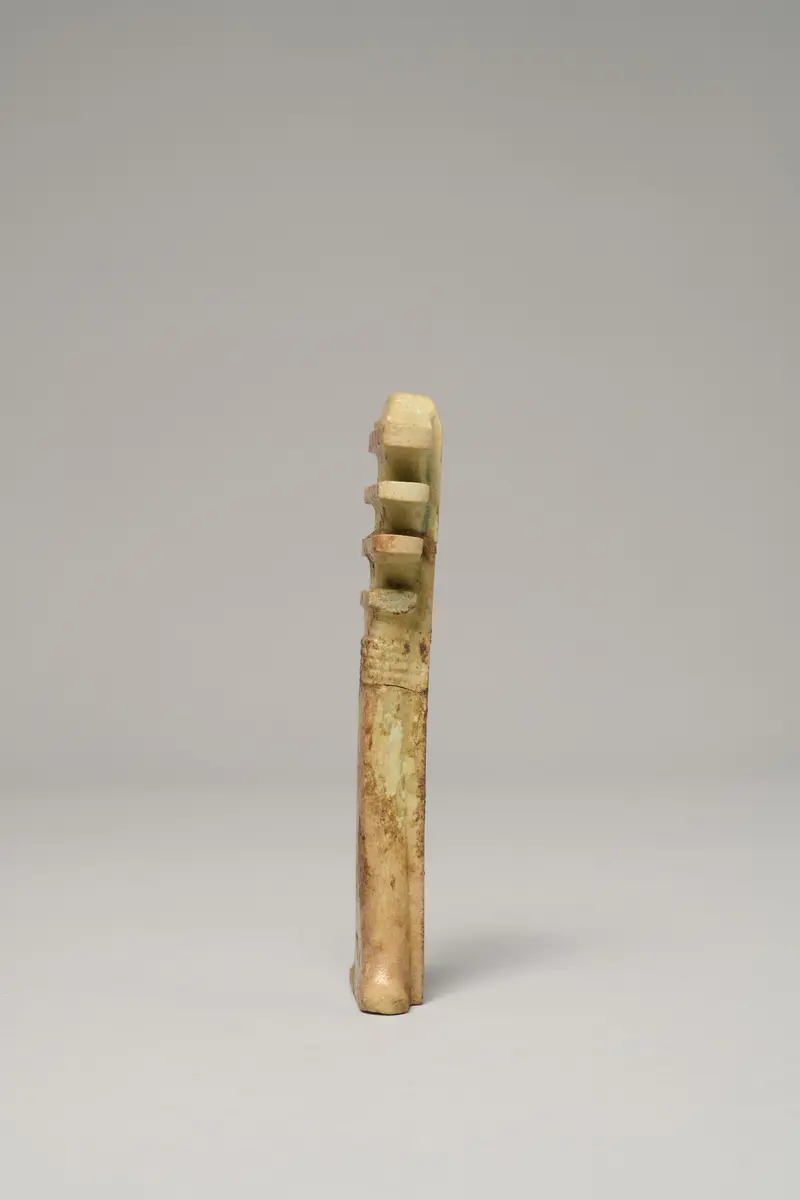
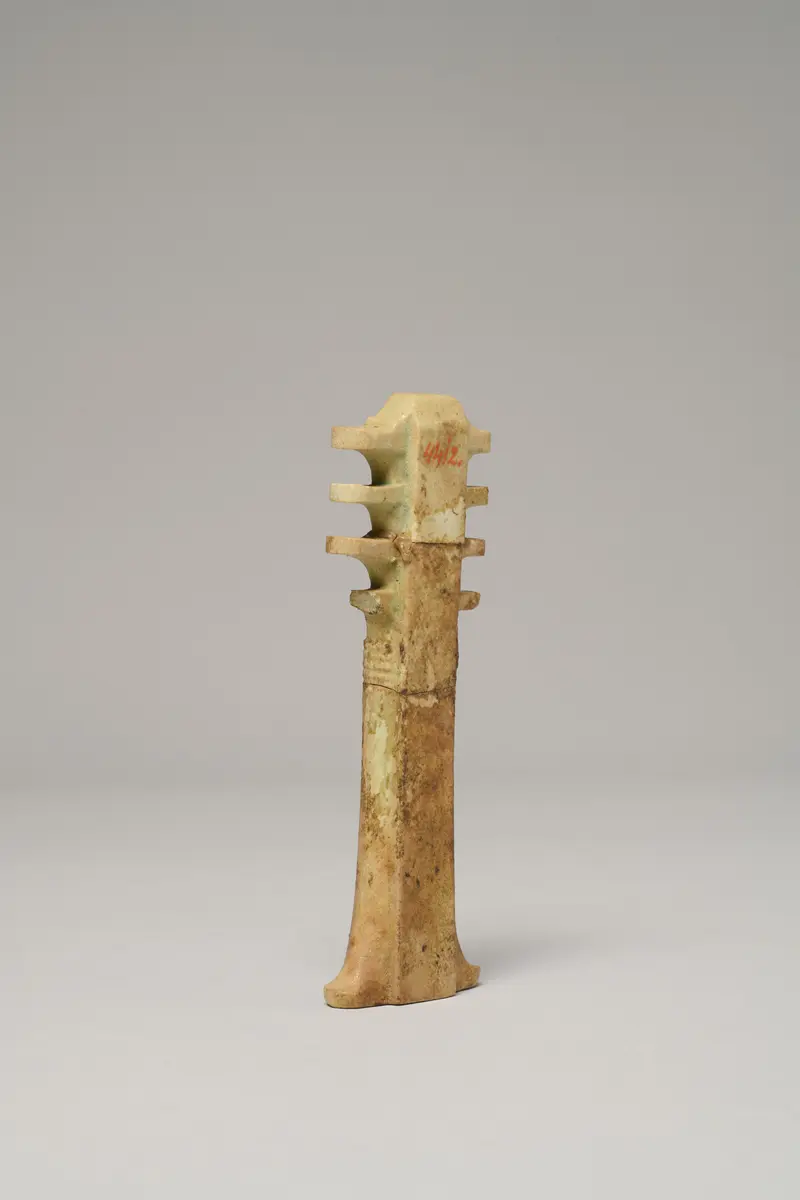
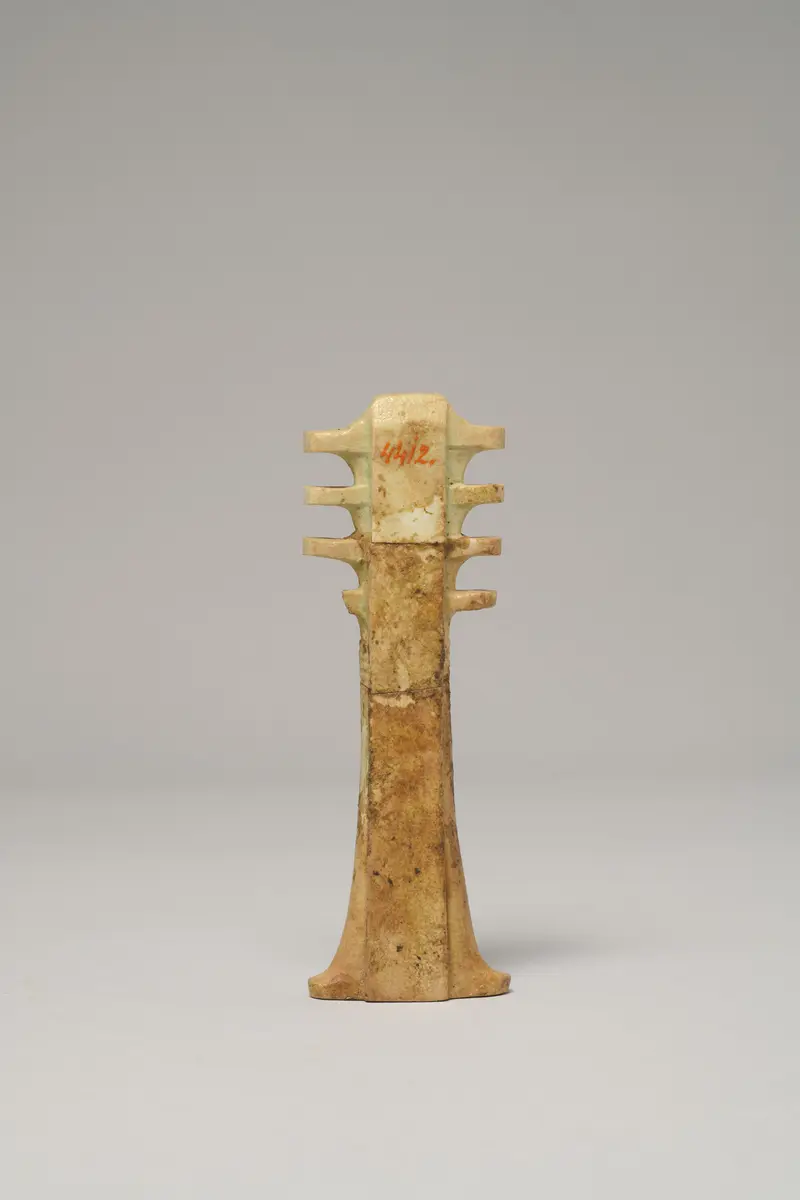
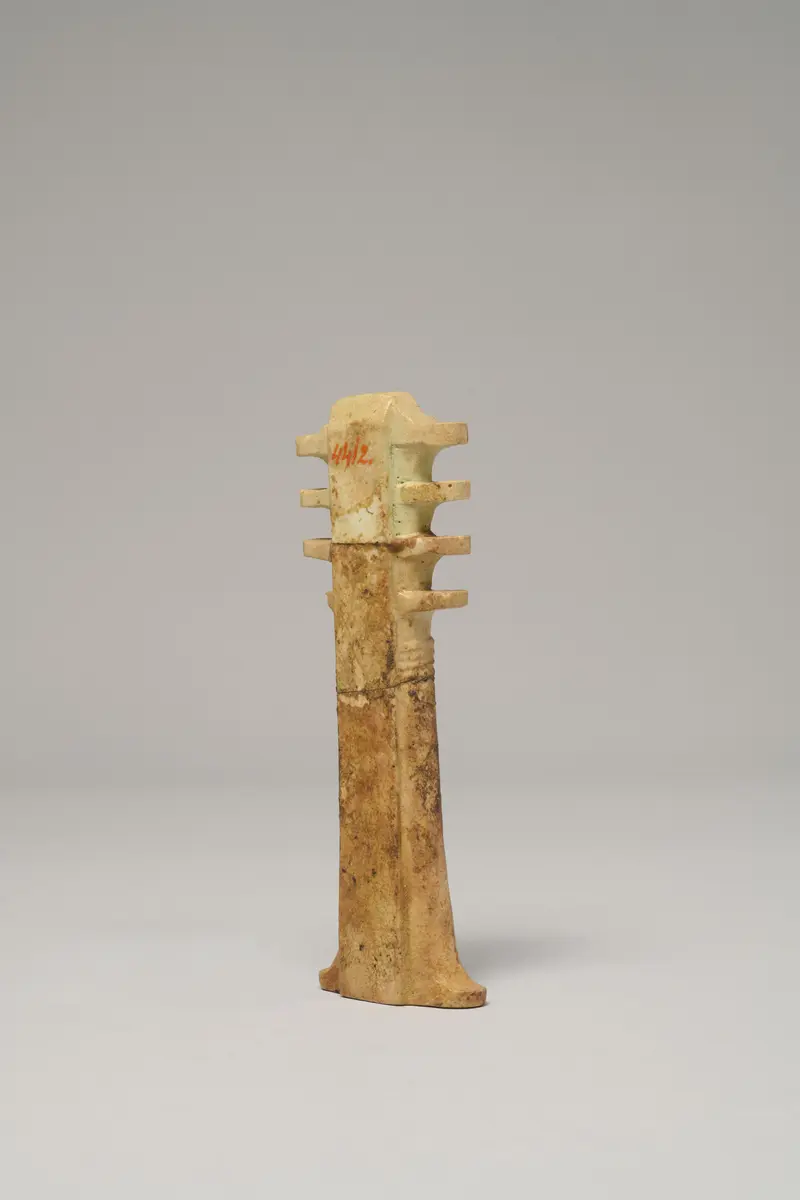
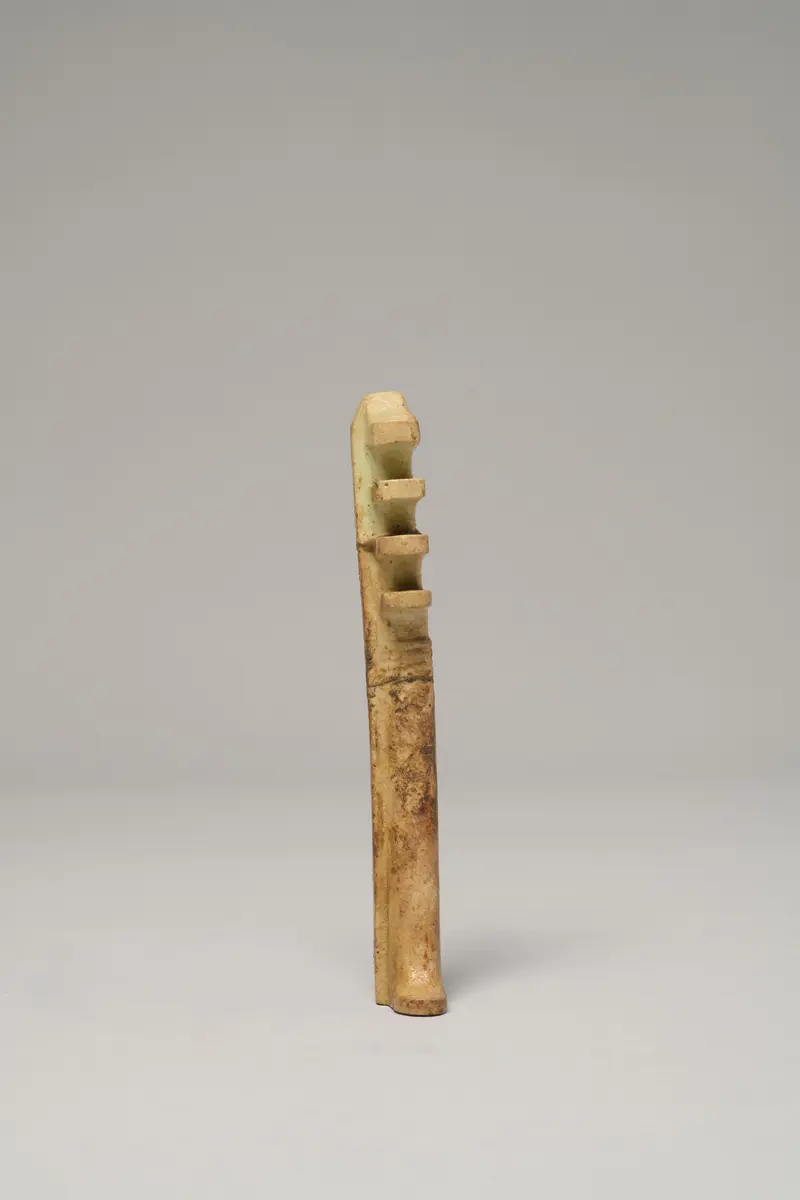
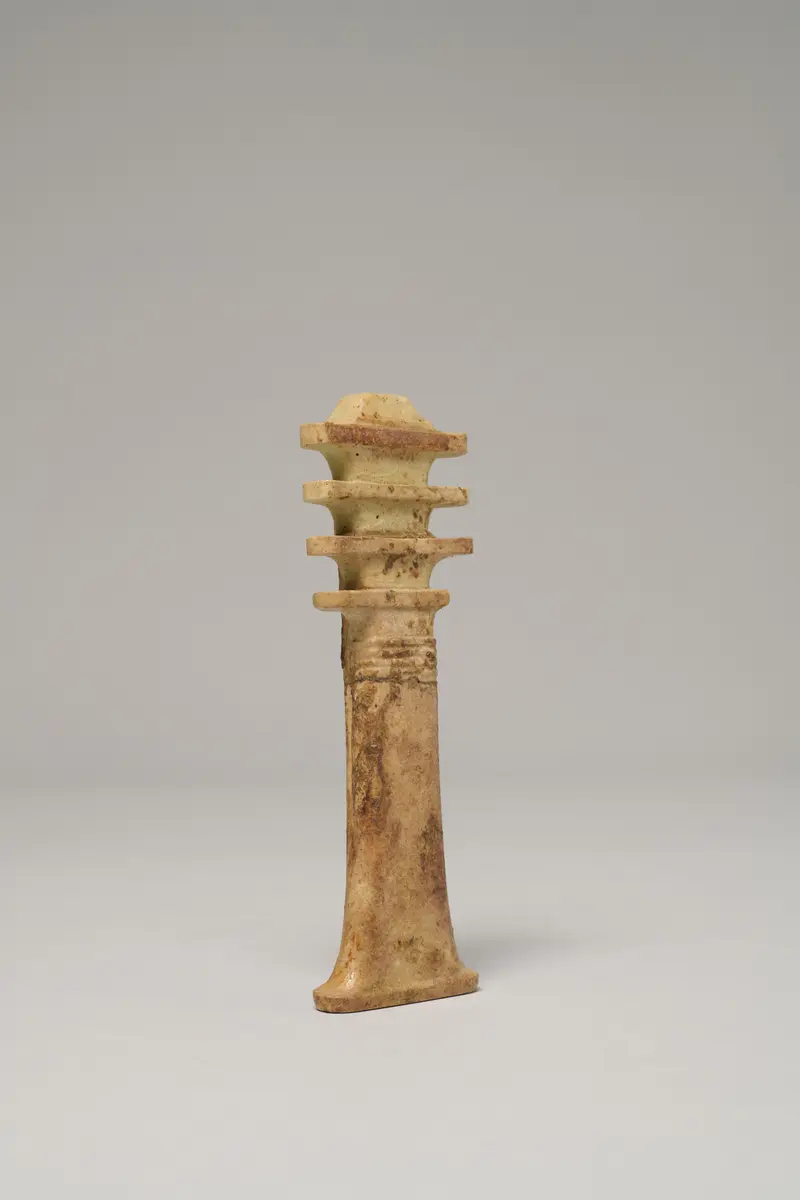
Der Djed-Pfeiler, der wahrscheinlich zusammengebundene Getreideähren darstellt, steht als Hieroglyphe für Dauer, Ewigkeit und Bestand. Ab dem Neuen Reich tritt die Verbindung des Djed-Pfeilers mit Osiris in den Vordergrund. Er wird nun mit dem Rückgrat des Osiris identifiziert. Vor allem große Djed-Pfeiler werden an das Rückgrat des Toten gelegt und mit den Mumienbinden mitgewickelt. So soll das Amulett die Regeneration und Auferstehung des Toten garantieren.
Time:
Ca. 5.-4. Jh. v. Chr.
Object Name
Heiliges Symbol
Culture
Ägyptisch
Location of discovery:
Fundort unbekannt
Material/technology:
Fayence, dünne hellgrüne Glasur
Dimensions:
H 10,12 cm, B 3,4 cm, T 1,17 cm, G 34 g
Copyright
Kunsthistorisches Museum, Ägyptisch - Orientalische Sammlung
Invs.
Ägyptische Sammlung, INV 4412
Provenance
1878 aus der Sammlung Miramar übernommen
Browse more
Similar items you might be interested in
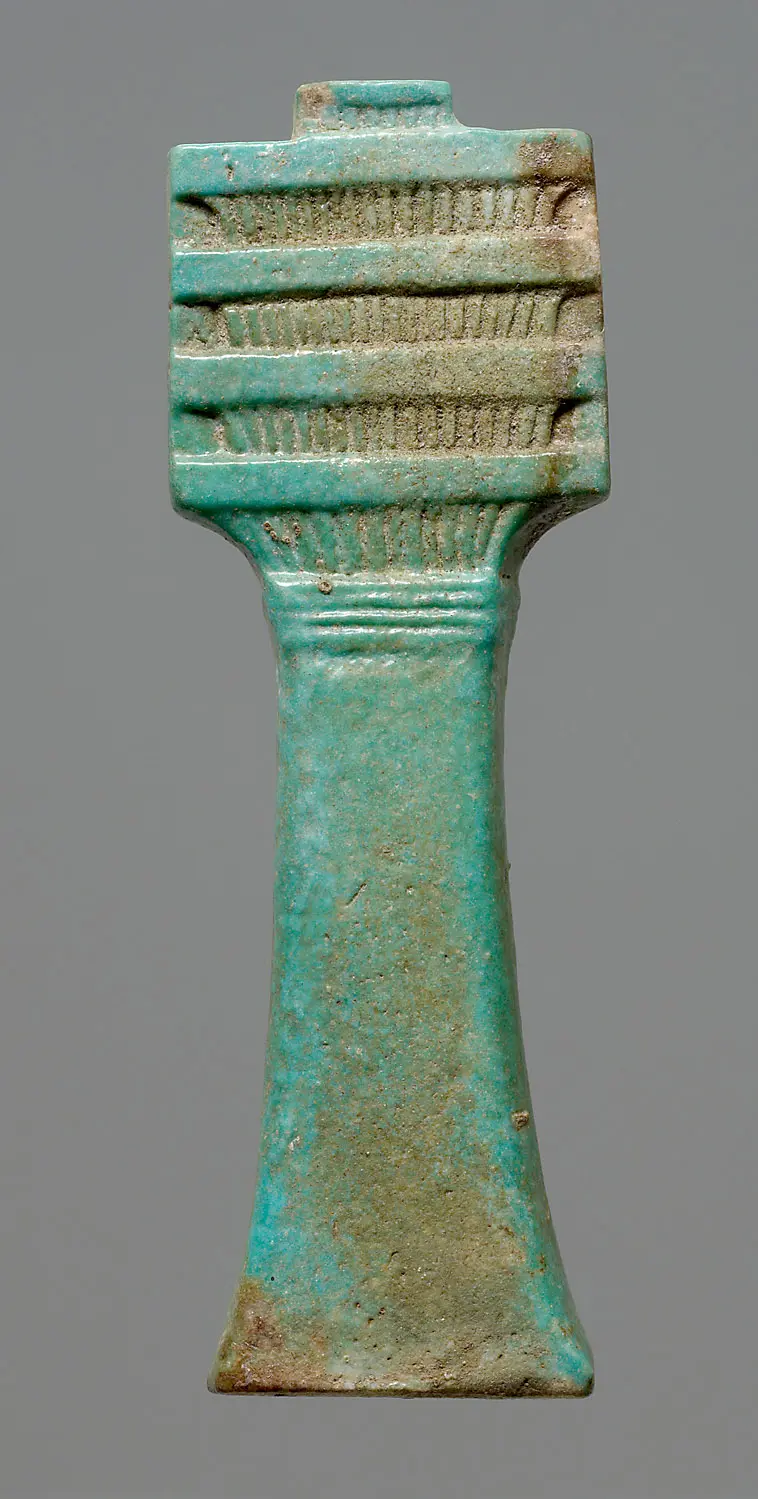
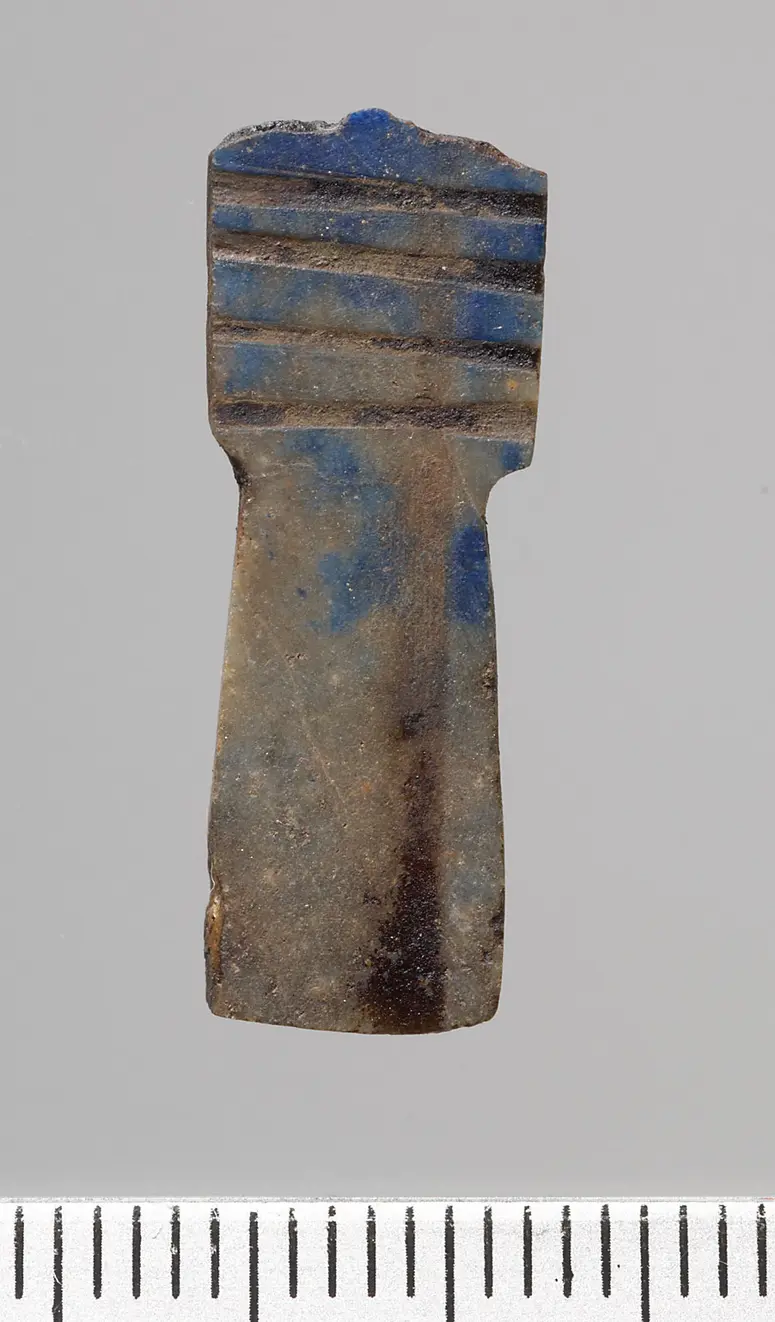
Djed-Pfeiler Fundort unbekannt Ptolemaios VI. Philometor, 180–145 v. Chr.

Djed-Pfeiler Fundort unbekannt Ptolemaios VI. Philometor, 180–145 v. Chr.

Djed-Pfeiler Fundort unbekannt Ptolemaios VI. Philometor, 180–145 v. Chr.

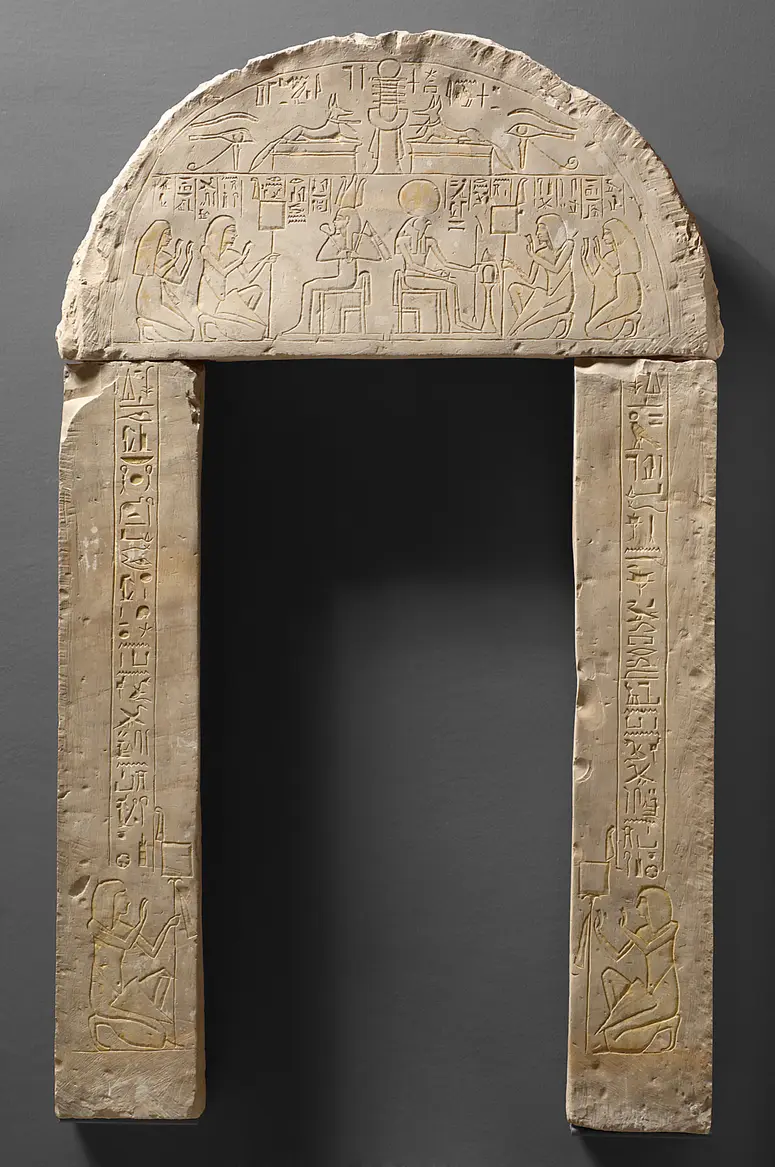
Paneling from a niche and a lintel of Pa-nehesi (lintel) Theben (vermutlich) 19th/20th Dynasty, ca. 1315-1166 BC