Chapel of Ka-ni-nisut
early 5th Dynasty, ca. 2500 BC
The chapel for the practice of the funerary cult was a structure erected above ground where priests or the relatives of the tomb owner might regularly perform an offering ritual for his benefit, providing him with everything necessary for continued existence in the hereafter. On the walls of the chapel there were depictions of such rituals and the texts accompanying their performance. Ka-ni-nisut’s chapel was discovered during the Austrian excavations in 1913; the following year it was purchased for the museum. Due to the First World War its initial installation in Gallery VIa of the Egyptian and Near Eastern Collection was delayed until 1925. In 2001, in the course of a general re-vamping of the galleries, the cult chamber was disassembled and then rebuilt here. Ka-ni-nisut was a high-ranking official of the state. His tomb documents his important social status and his wealth. The reliefs of the chapel show him with his family and the scribes of his household. There are also scenes illustrating the offering ritual for the deceased, the butchering of animals, and offering bearers, as well as boats in which the tomb owner might travel to the realm of the dead. The funerary offering ritual was performed in front of the false door niche – the principal cult place in the tomb. The false door connected the here-and-now with the hereafter and enabled the deceased to partake of offerings presented in the course of the ritual.

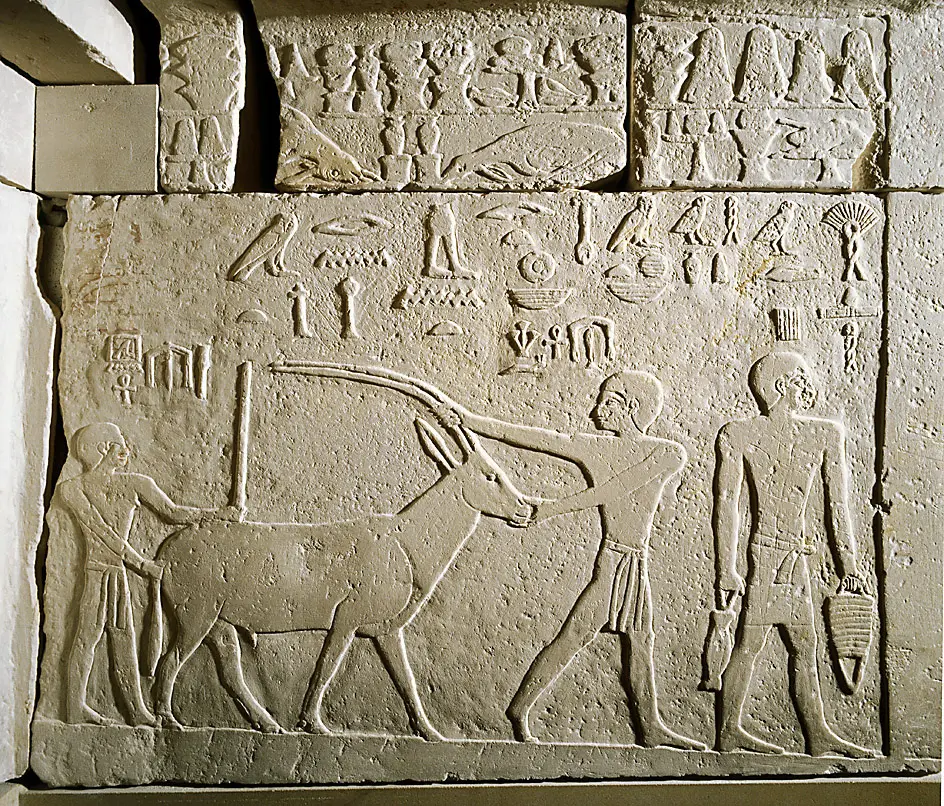
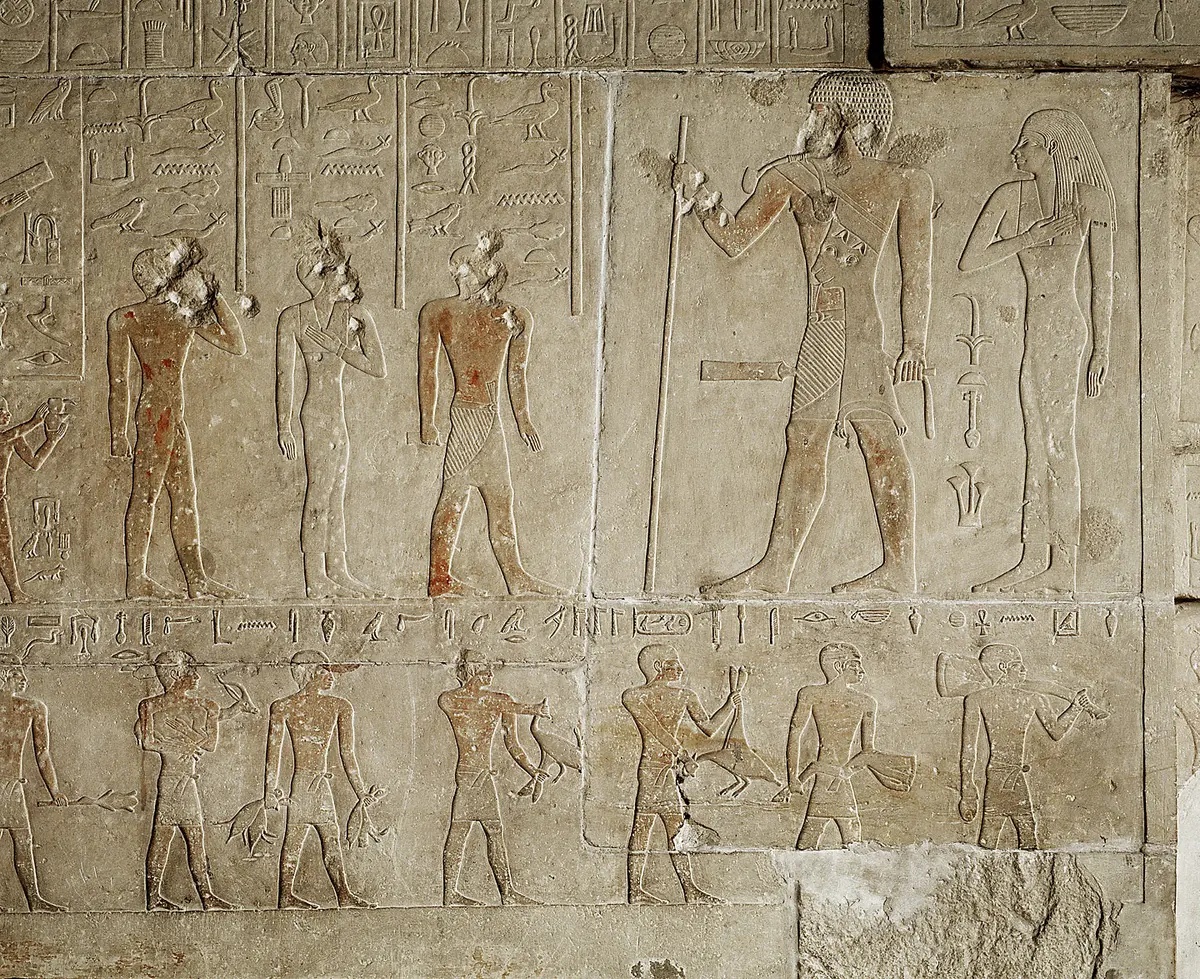
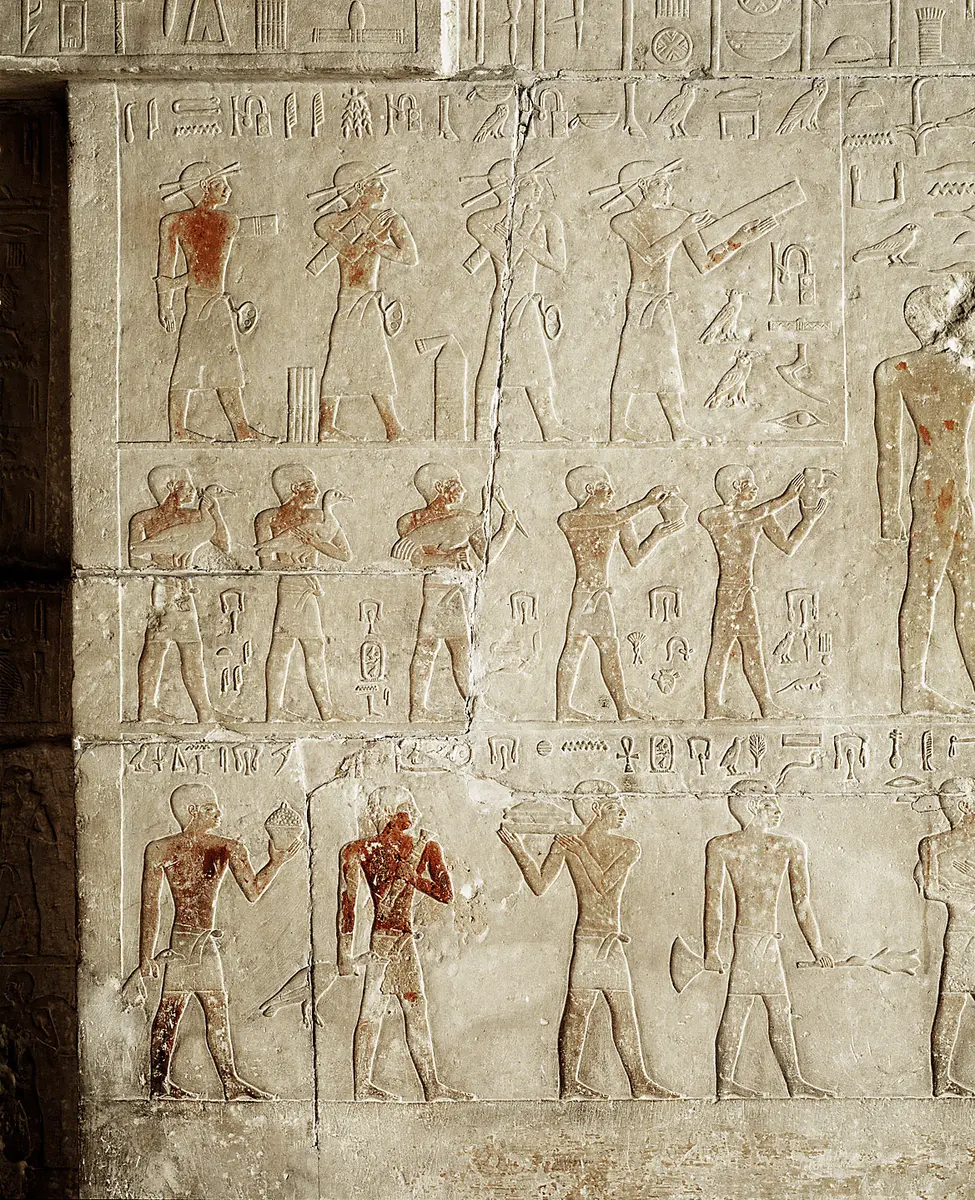
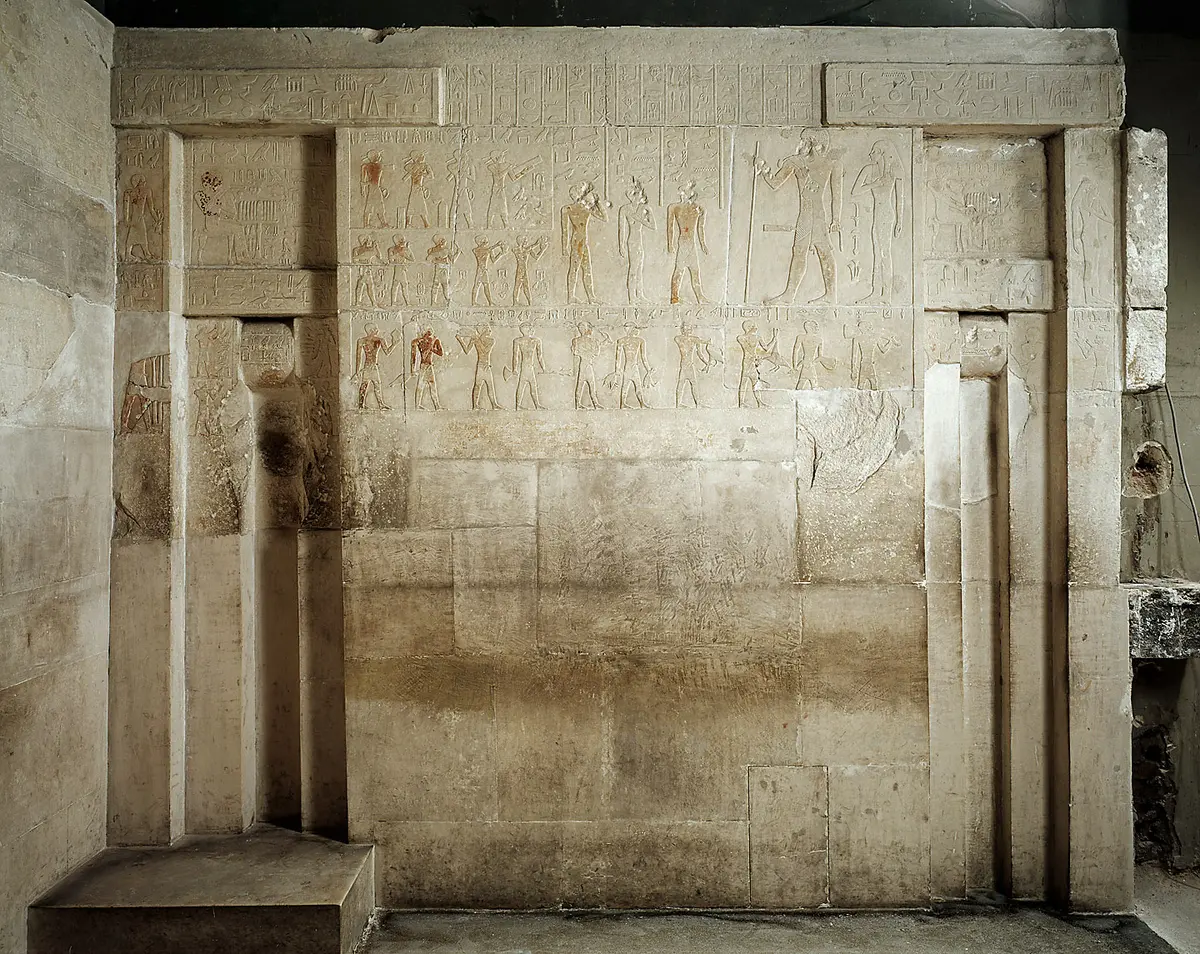
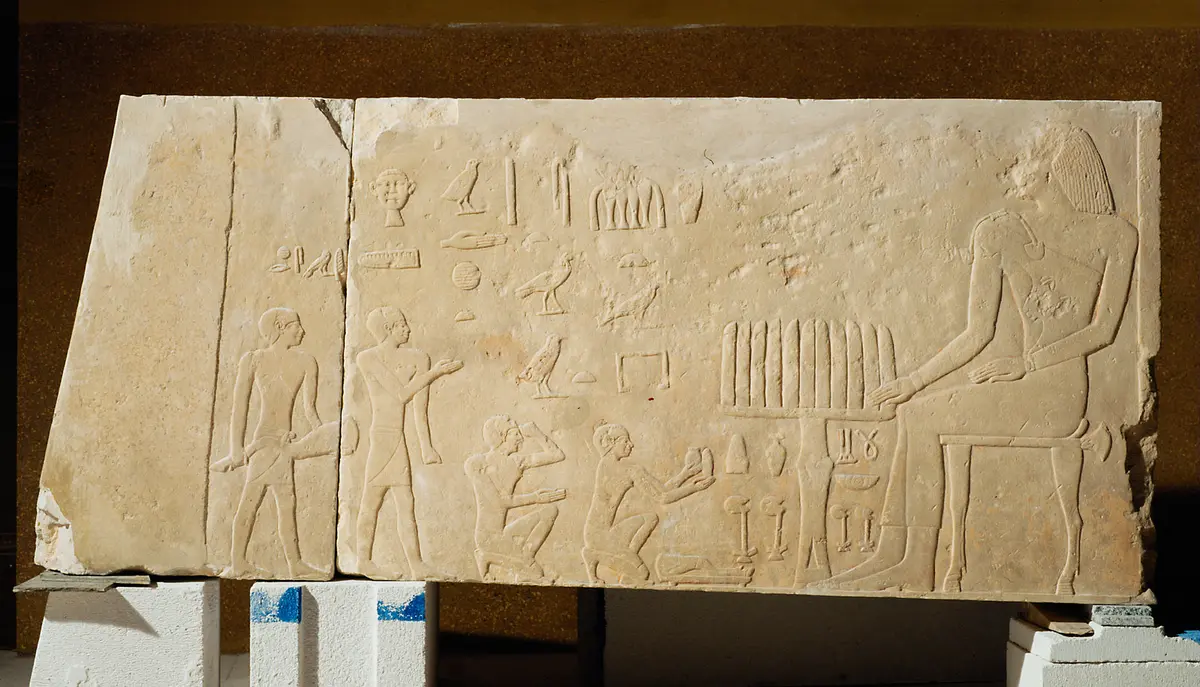
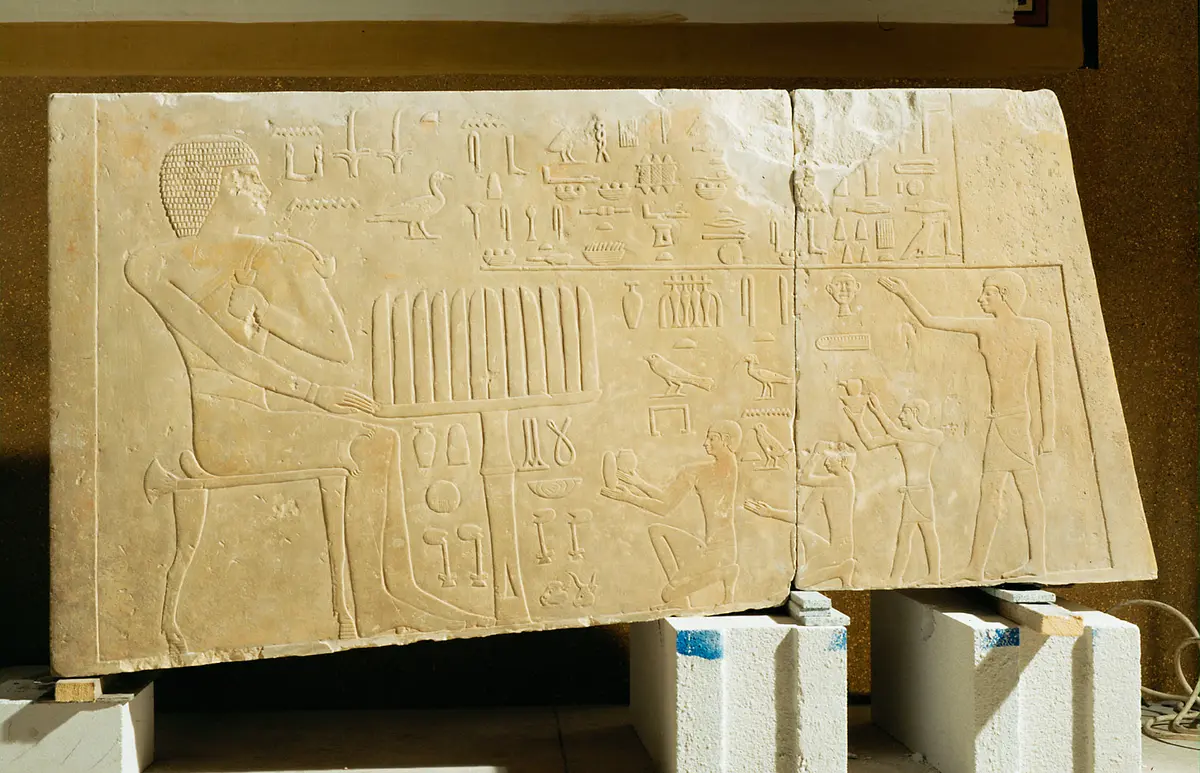
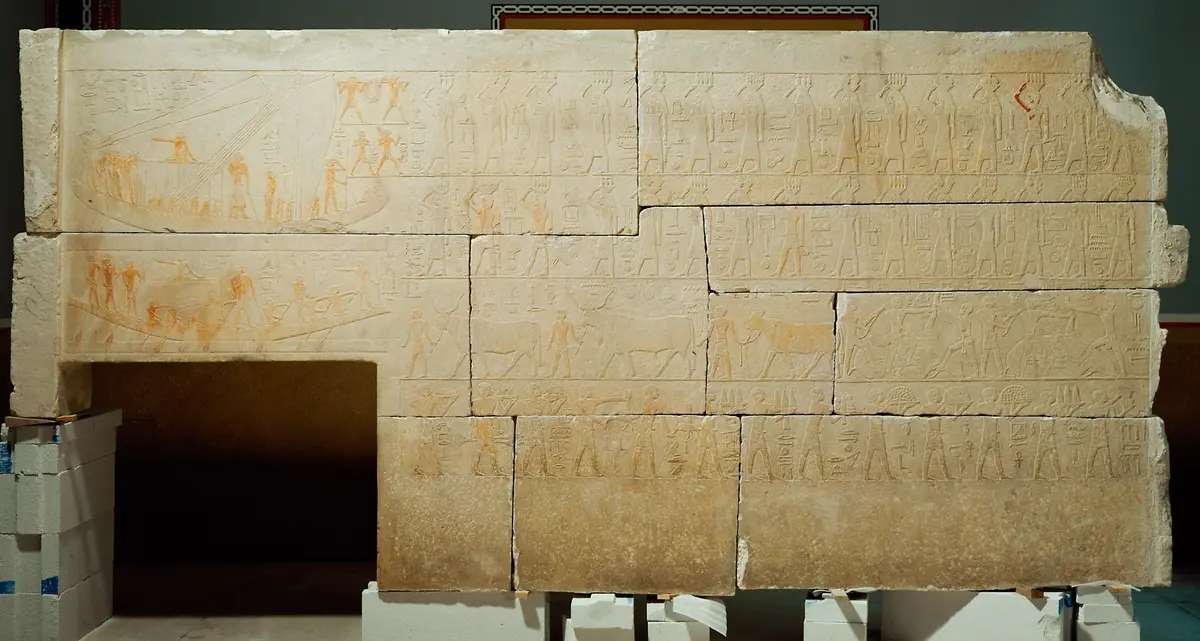
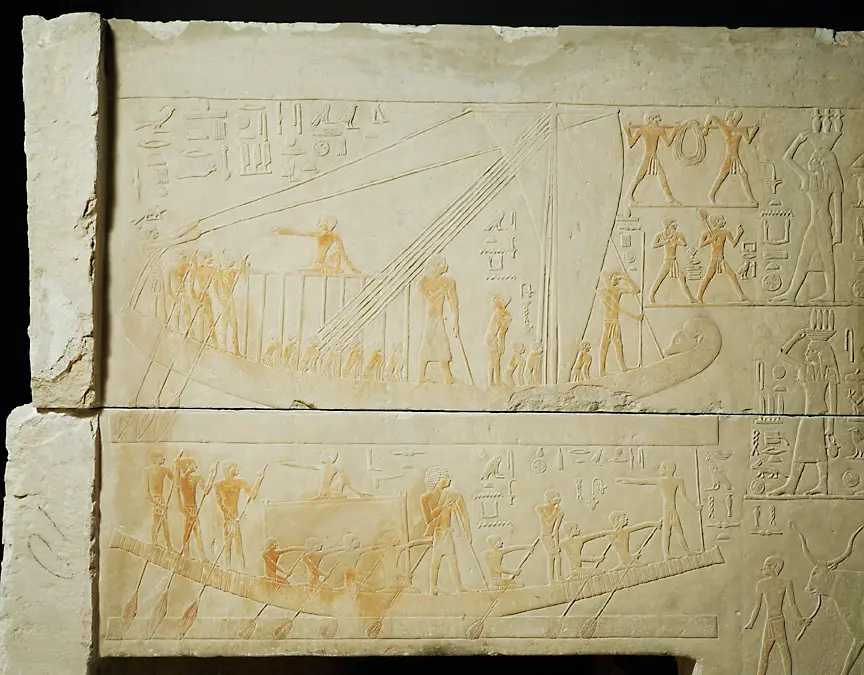
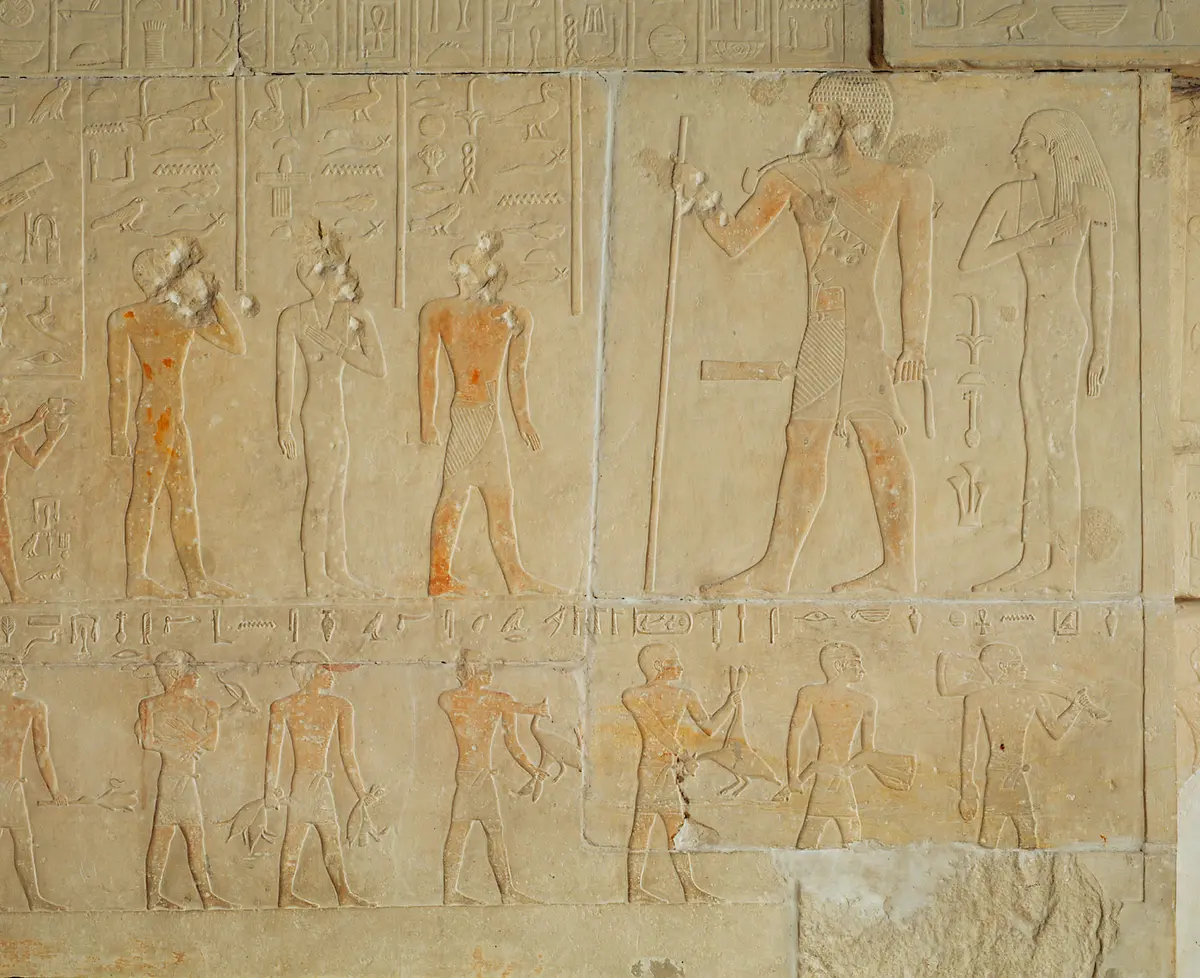
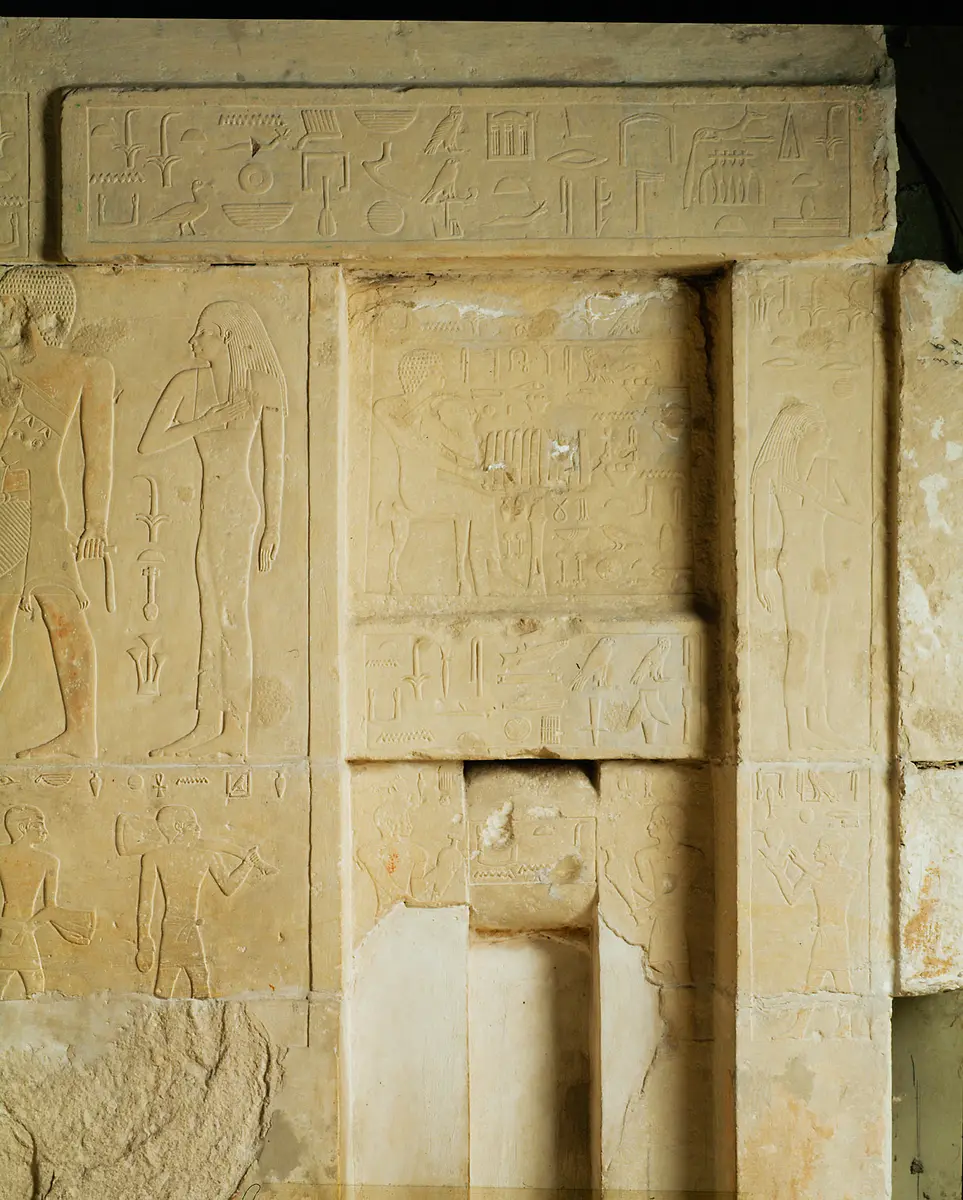
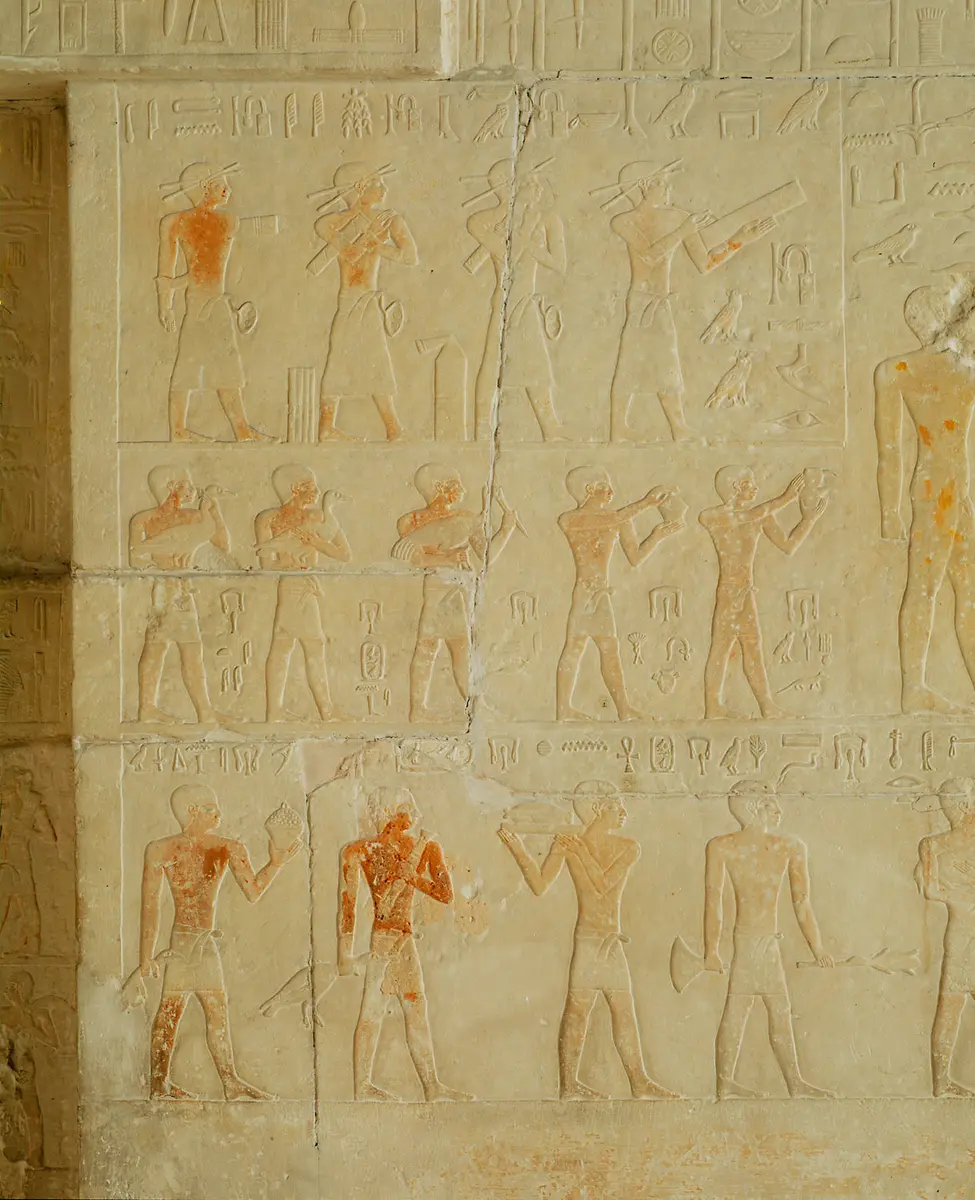
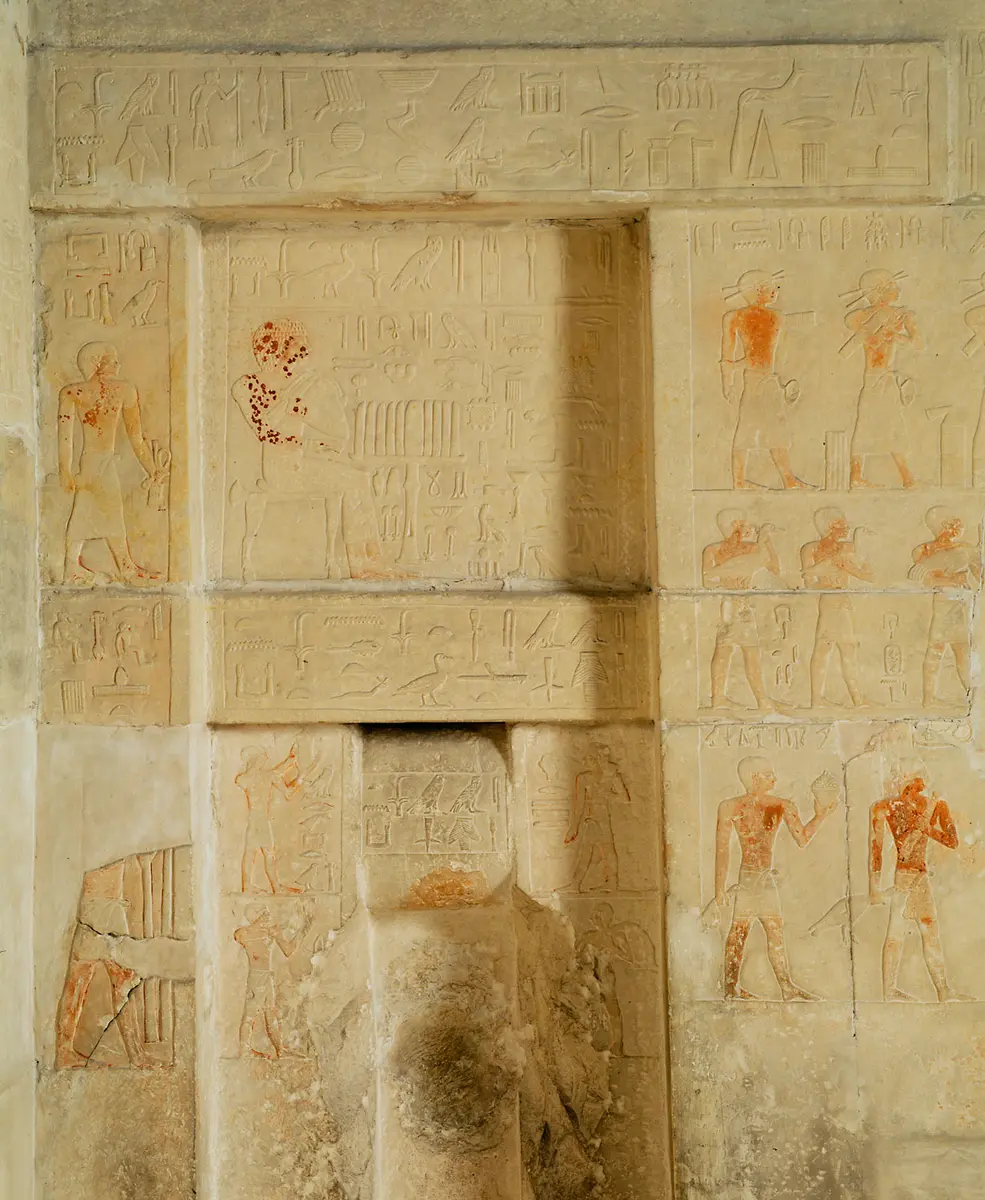
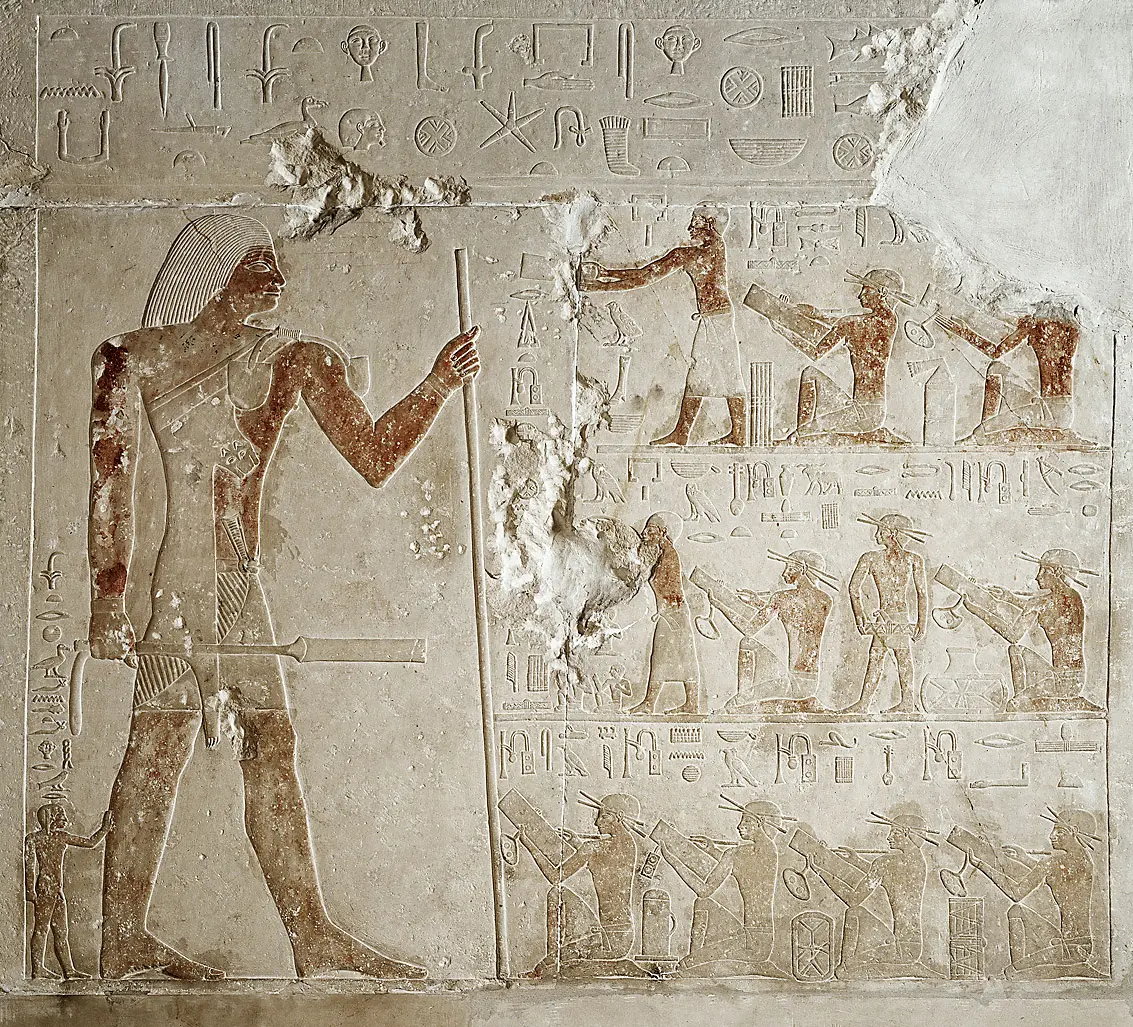
The chapel for the practice of the funerary cult was a structure erected above ground where priests or the relatives of the tomb owner might regularly perform an offering ritual for his benefit, providing him with everything necessary for continued existence in the hereafter. On the walls of the chapel there were depictions of such rituals and the texts accompanying their performance. Ka-ni-nisut’s chapel was discovered during the Austrian excavations in 1913; the following year it was purchased for the museum. Due to the First World War its initial installation in Gallery VIa of the Egyptian and Near Eastern Collection was delayed until 1925. In 2001, in the course of a general re-vamping of the galleries, the cult chamber was disassembled and then rebuilt here. Ka-ni-nisut was a high-ranking official of the state. His tomb documents his important social status and his wealth. The reliefs of the chapel show him with his family and the scribes of his household. There are also scenes illustrating the offering ritual for the deceased, the butchering of animals, and offering bearers, as well as boats in which the tomb owner might travel to the realm of the dead. The funerary offering ritual was performed in front of the false door niche – the principal cult place in the tomb. The false door connected the here-and-now with the hereafter and enabled the deceased to partake of offerings presented in the course of the ritual.
Time:
early 5th Dynasty, ca. 2500 BC
Object Name
cult chamber
Culture
Ägyptisch
Location of discovery:
Giza, Westfriedhof, Mastaba des Ka-ni-nisut
Material/technology:
Painted limestone
Dimensions:
L (Opferraum) 370 cm, B (Opferraum) 150 cm
Copyright
Kunsthistorisches Museum, Ägyptisch - Orientalische Sammlung
Invs.
Ägyptische Sammlung, INV 8006
Provenance
1913, excavated by the Academy of Sciences, Vienna