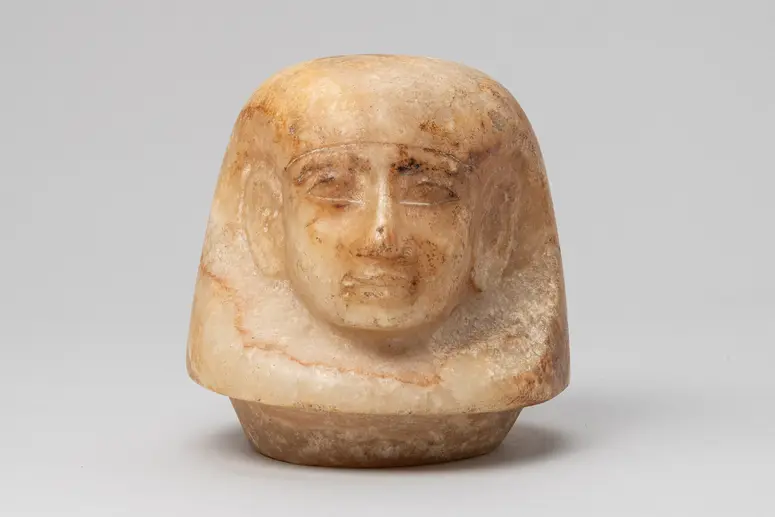
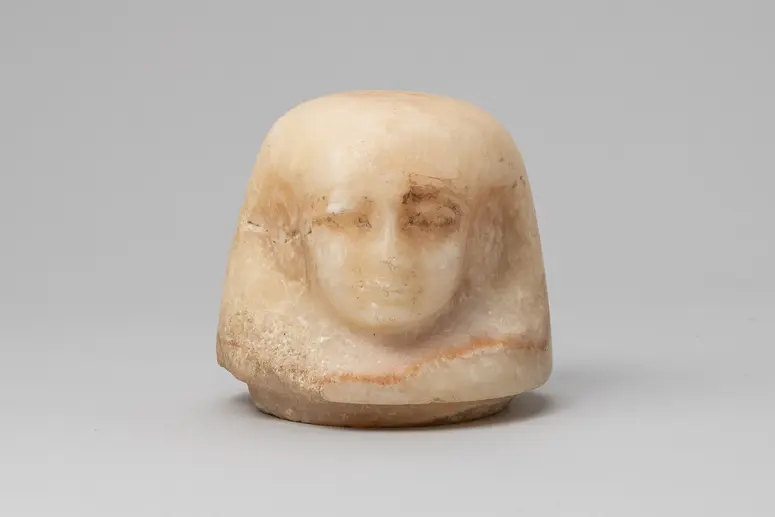
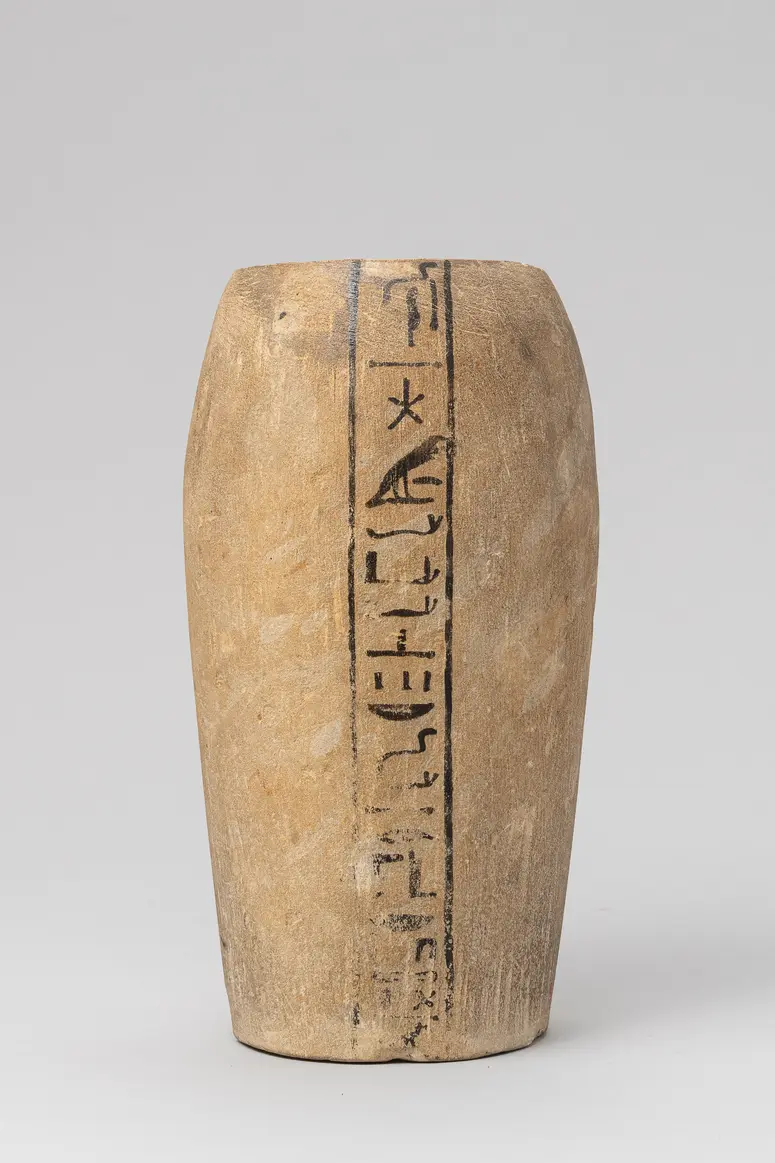
Canopic jars
5th – 6th Dynasty, ca. 2514 – 2191 BC
Canopic vessels were containers for the organs that were removed from the body during mummification. They were made of stone or clay. During the Old Kingdom the lids for canopic jars were simply flat or slightly domed.
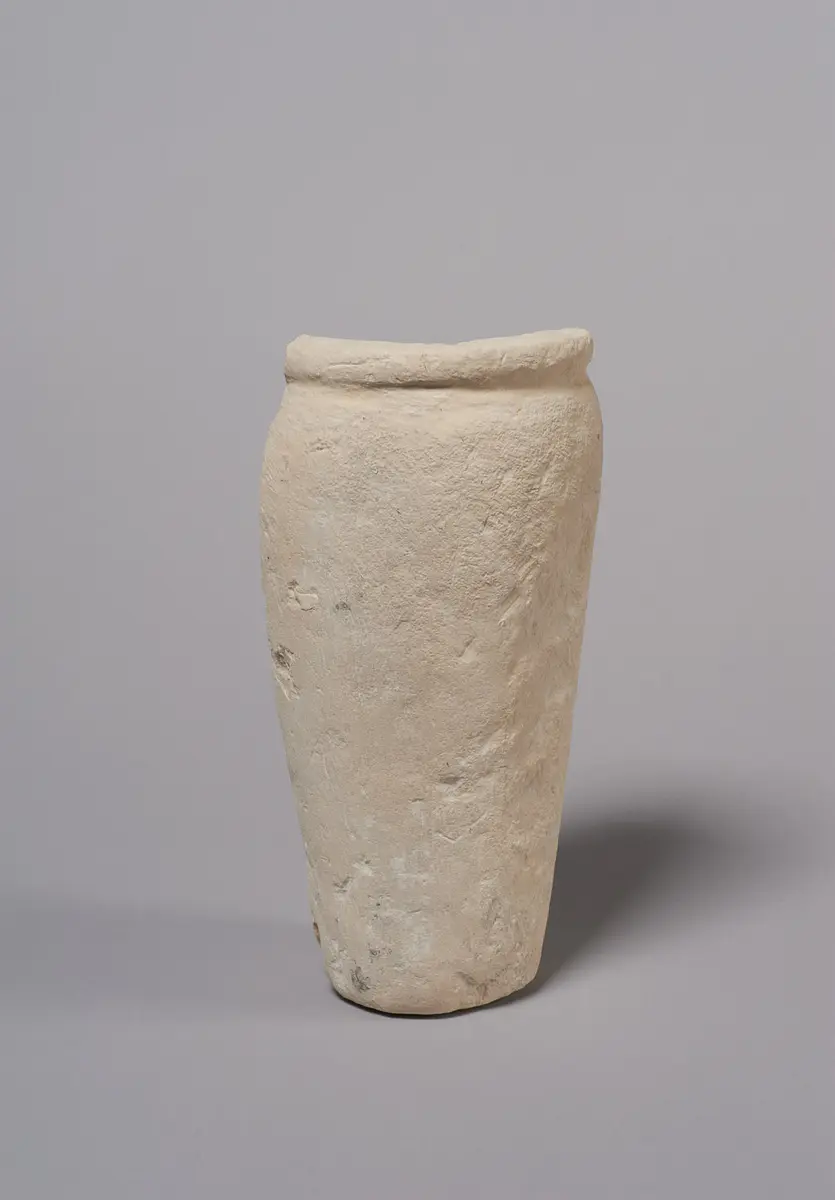
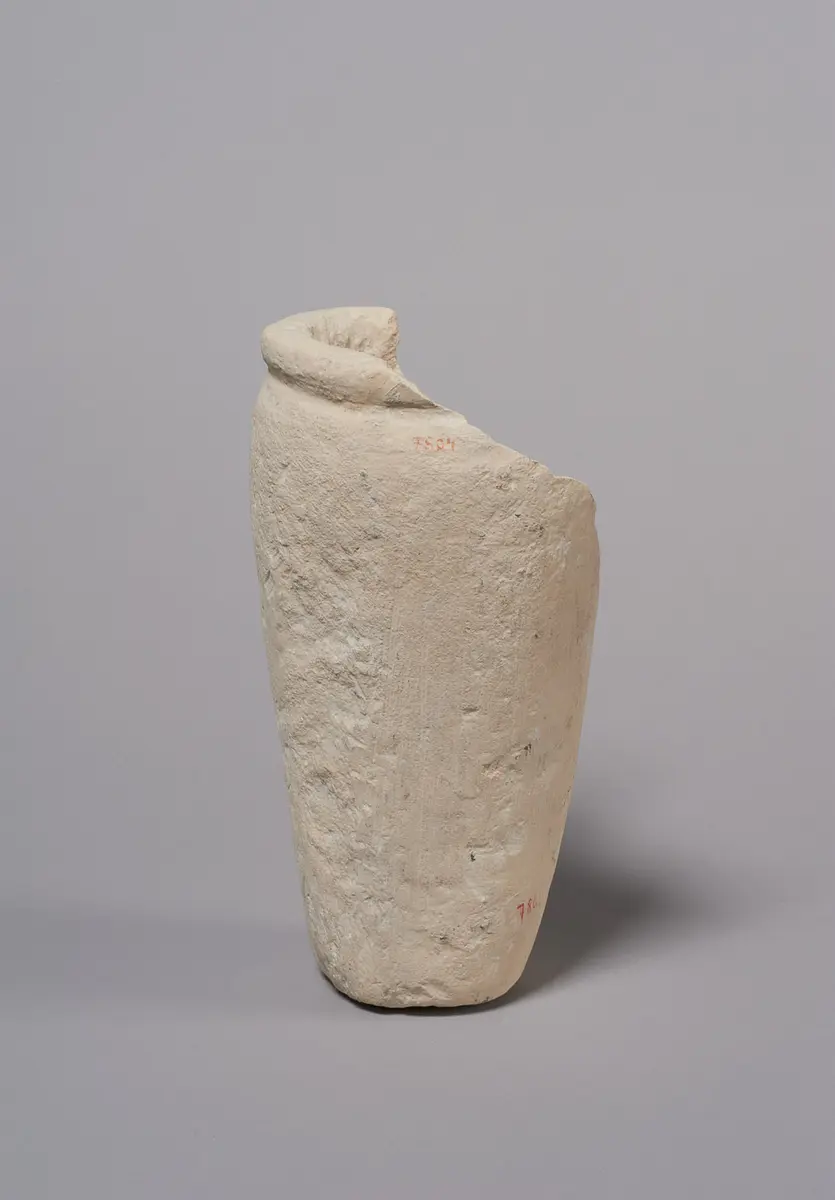
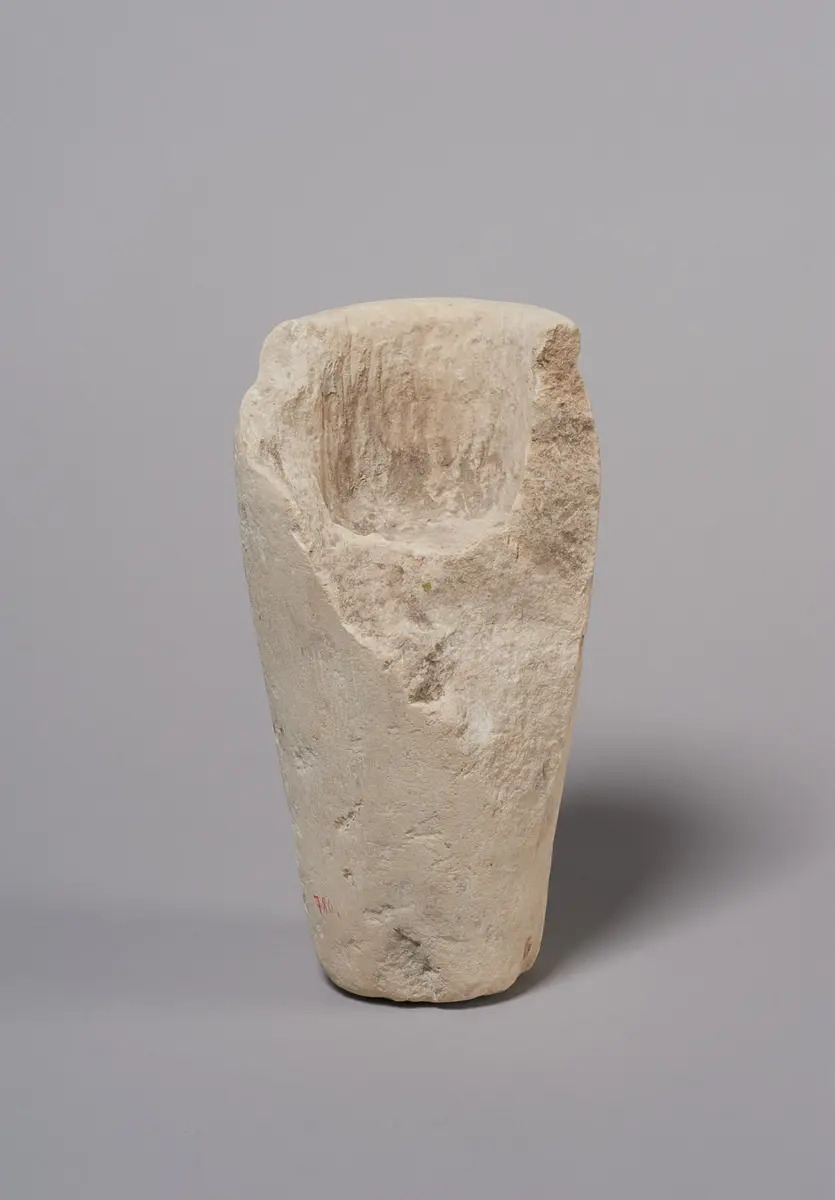
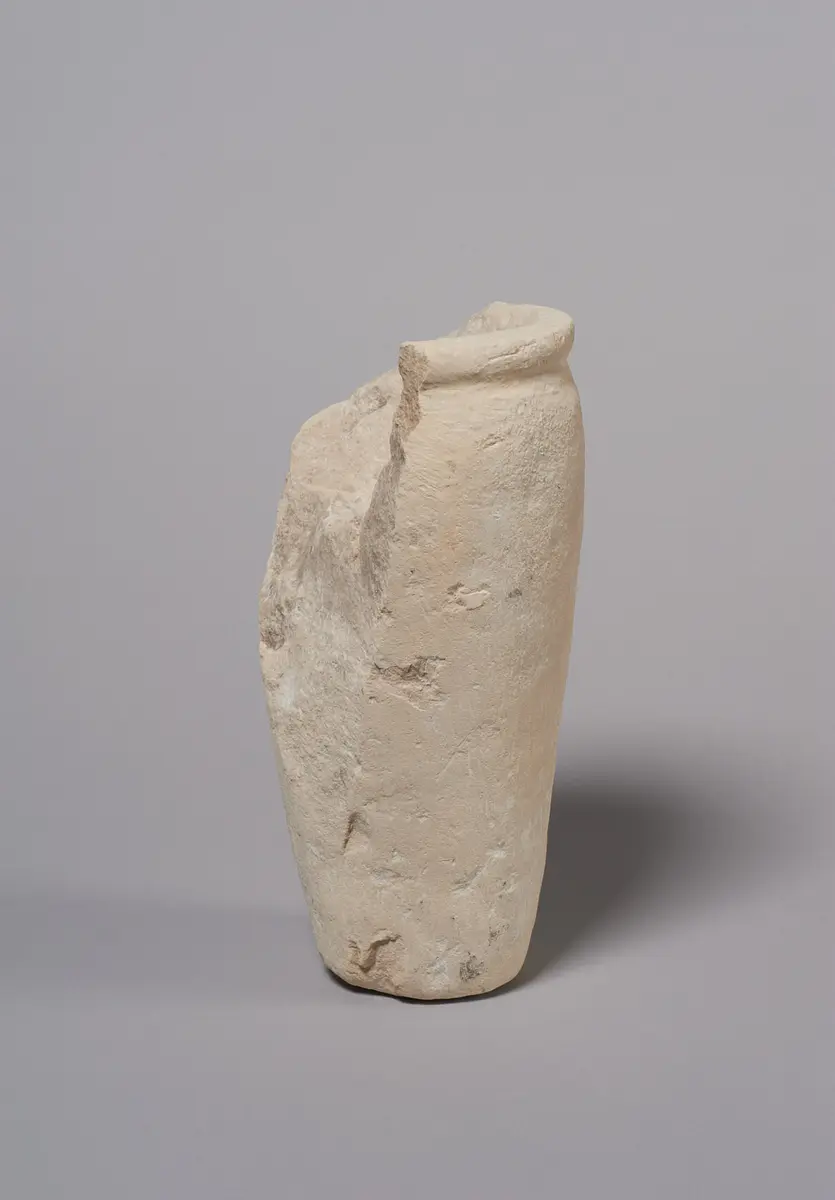
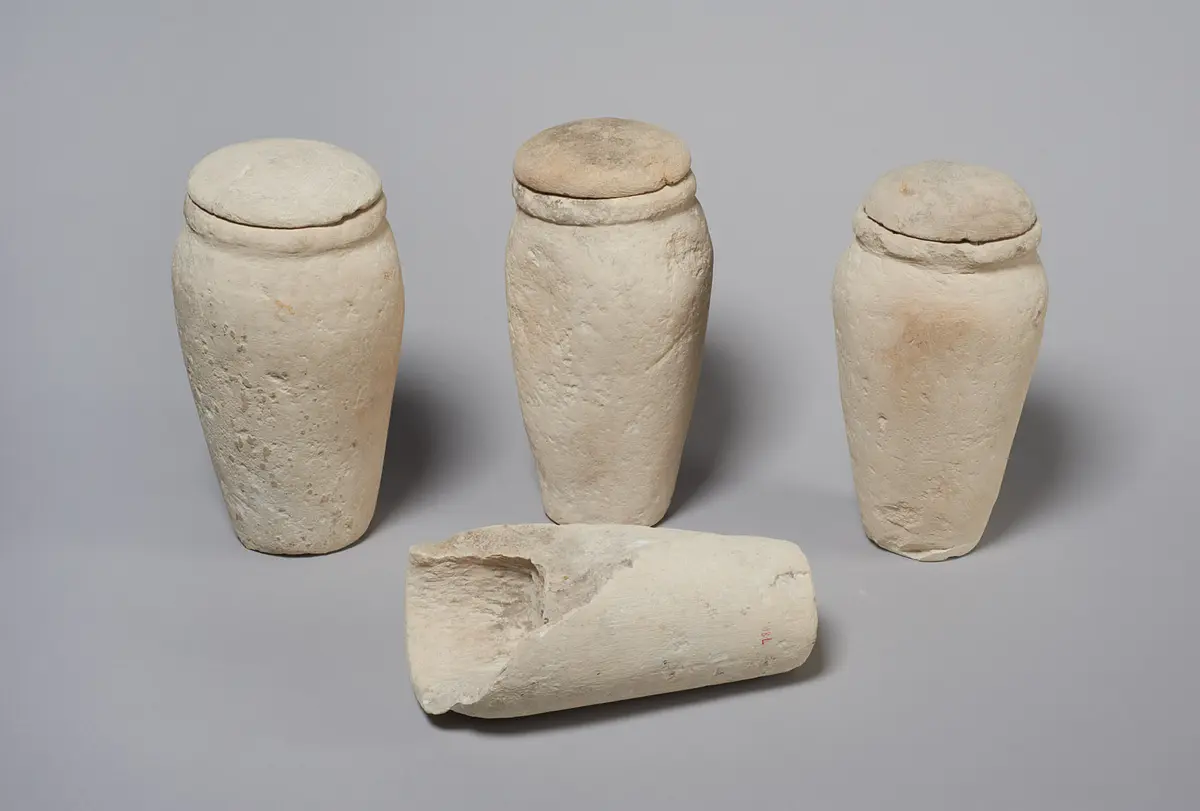
Canopic vessels were containers for the organs that were removed from the body during mummification. They were made of stone or clay. During the Old Kingdom the lids for canopic jars were simply flat or slightly domed.
Time:
5th – 6th Dynasty, ca. 2514 – 2191 BC
Object Name
Canopic
Culture
Ägyptisch
Location of discovery:
Giza
Material/technology:
Limestone
Dimensions:
H 25,6 cm, Dm 13,5 cm
Copyright
Kunsthistorisches Museum, Ägyptisch - Orientalische Sammlung
Invs.
Ägyptische Sammlung, INV 7804
Provenance
1912–1914, excavated by the Academy of Sciences, Vienna
Browse more
Similar items you might be interested in
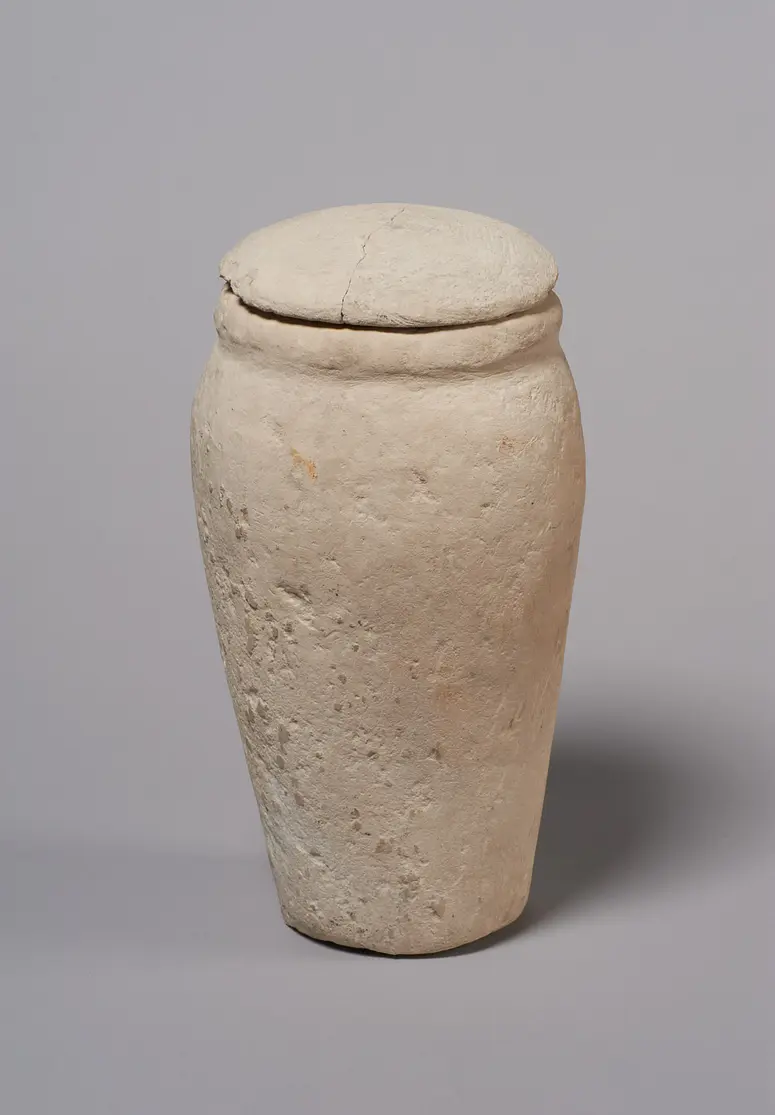
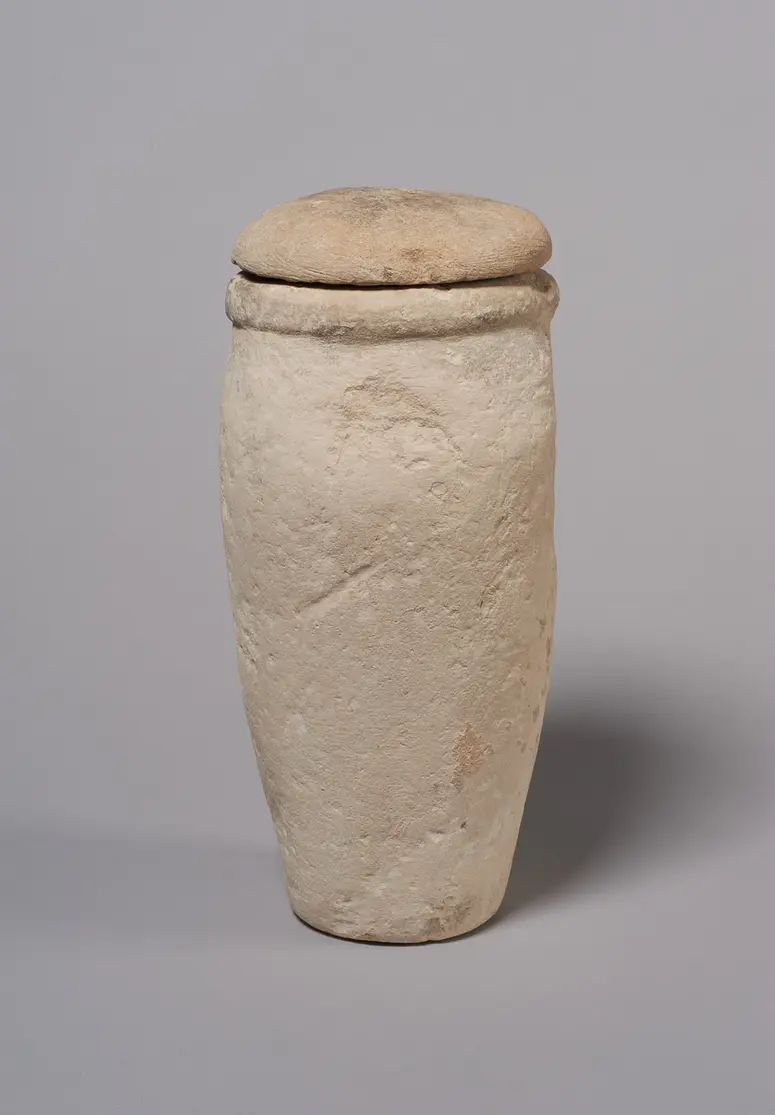
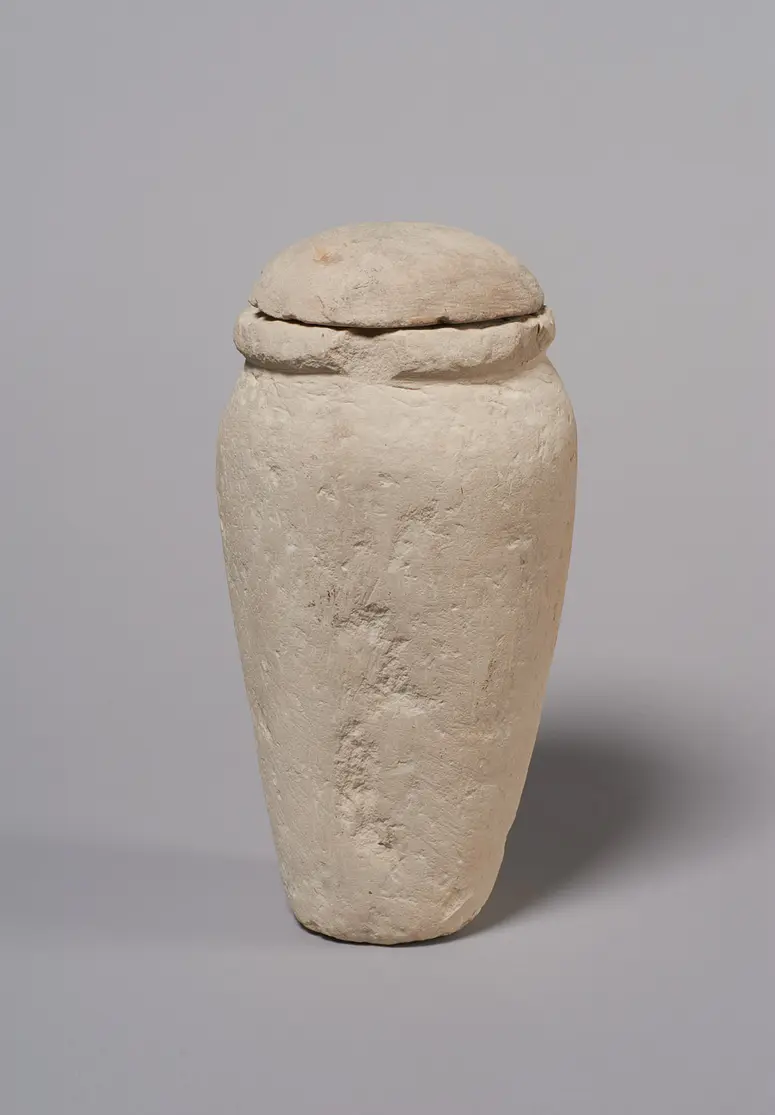
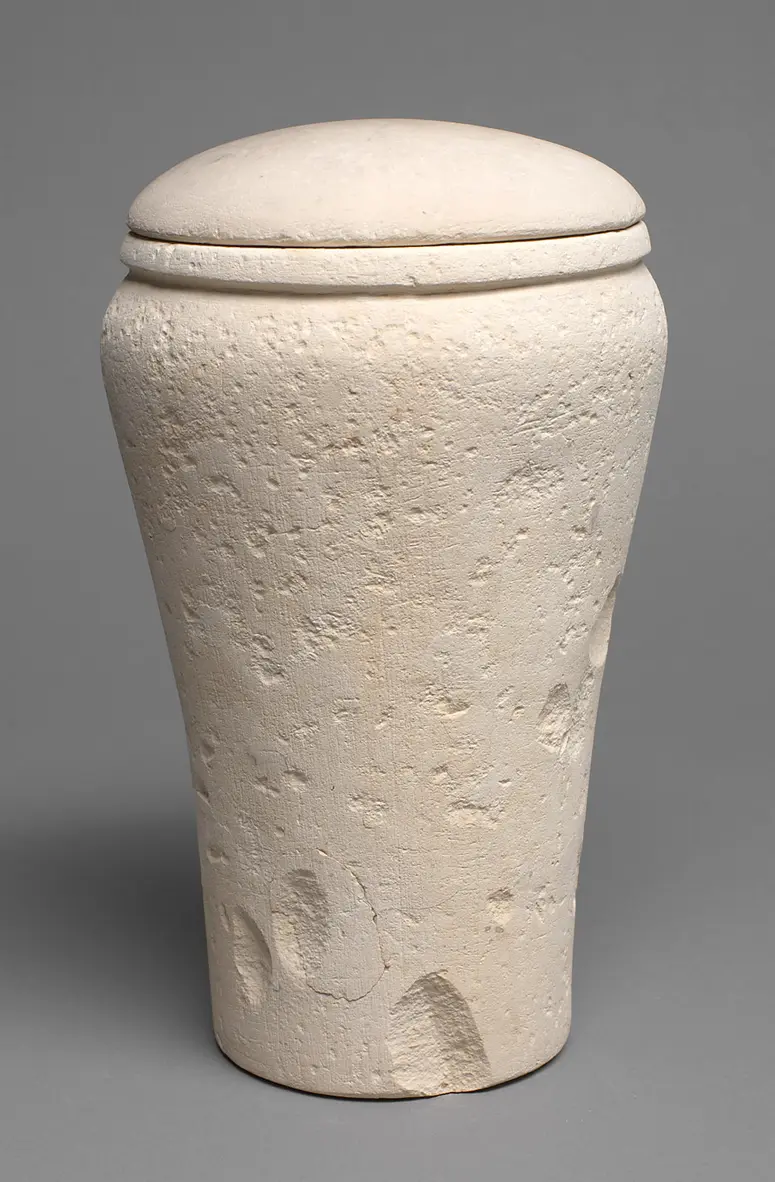
Kanope mit Deckel Giza, Mastaba des Inepu-hetep, S 2526 5.-6. Dynastie, ca. 2514-2191 v. Chr.
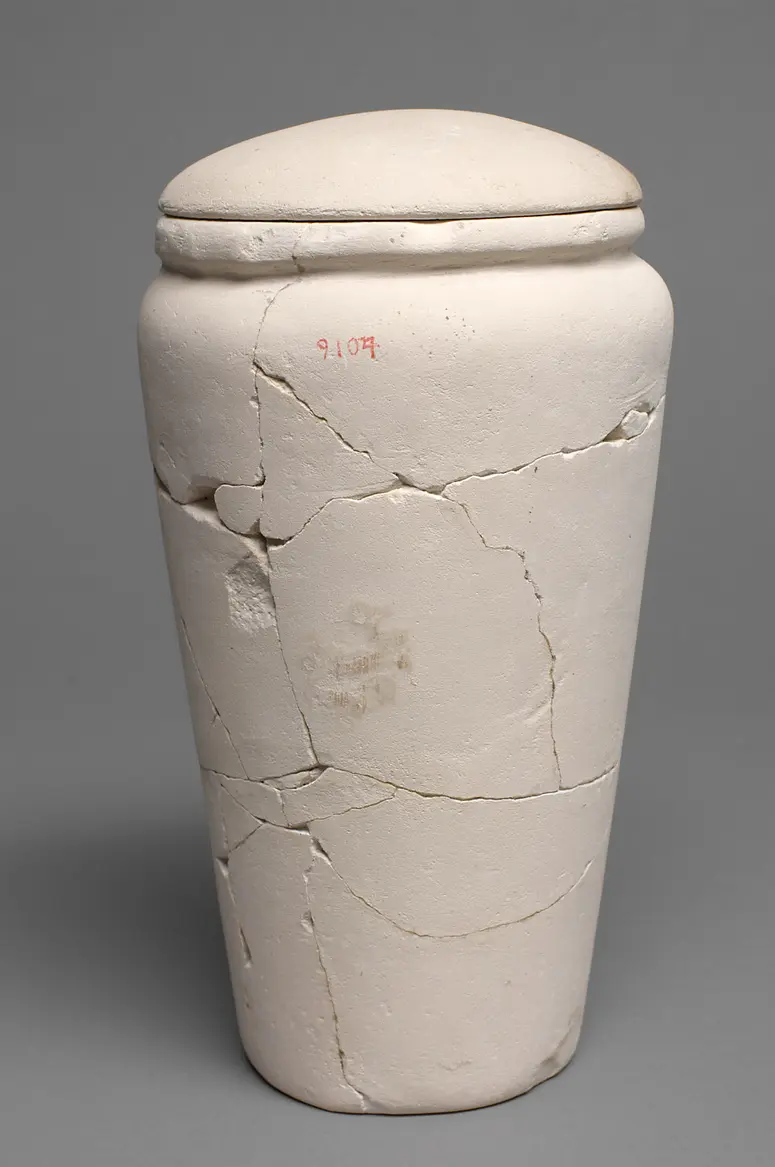
Kanope mit Deckel Giza, Mastaba des Inepu-hetep, S 2526 6. Dynastie, ca. 2374-2191 v. Chr.
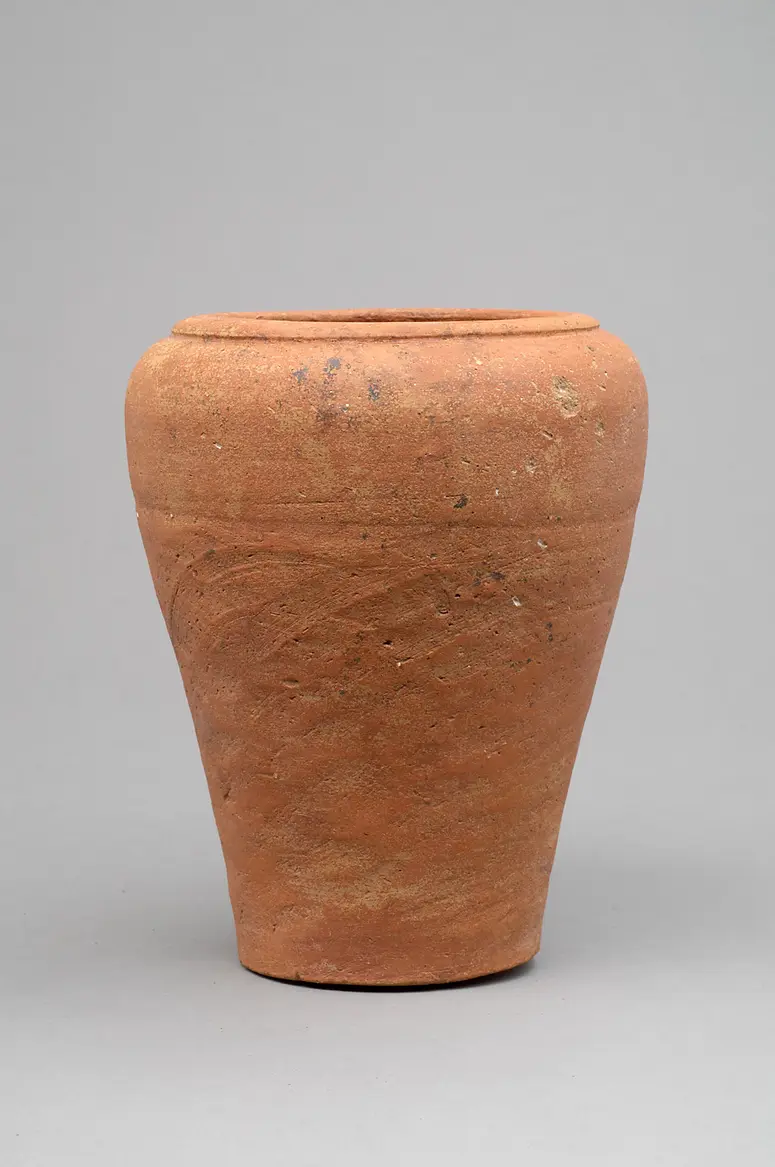
Kanope ohne Deckel Giza, Mastaba des Ra-wer I. (vermutlich) 5. Dynastie, ca. 2514-2374 v. Chr.
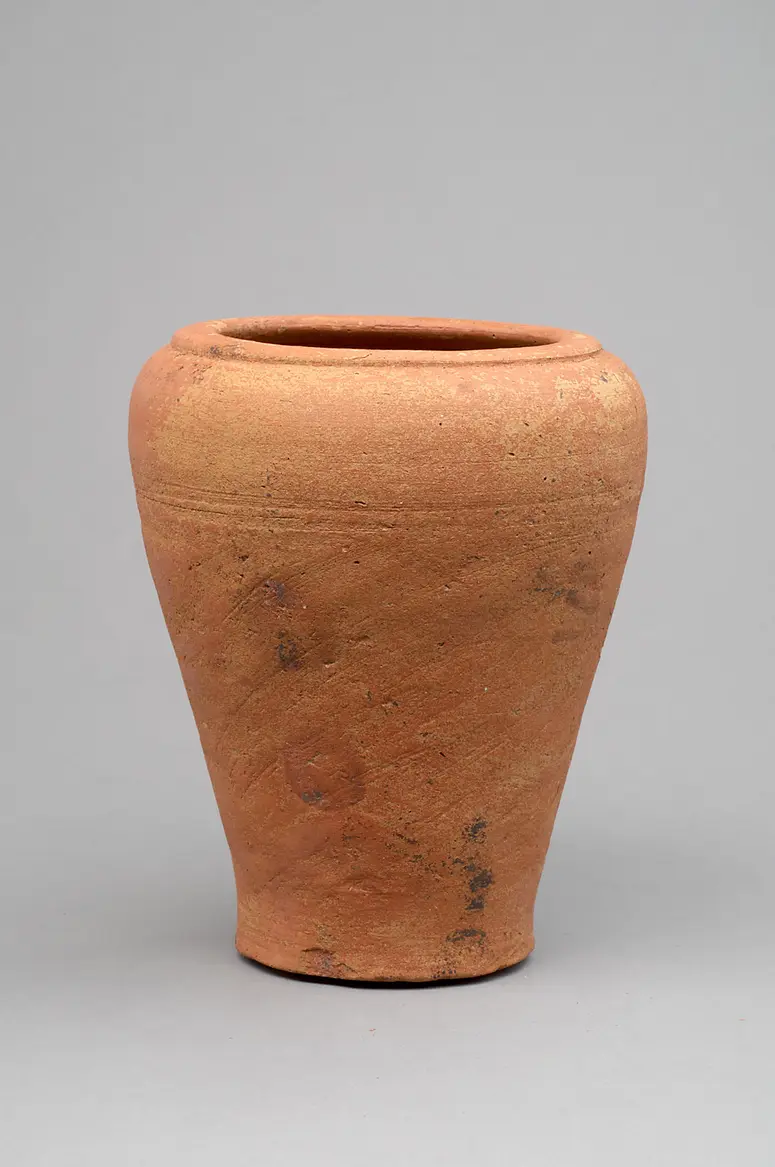
Kanope ohne Deckel Giza, Mastaba des Ra-wer I. (vermutlich) 5. Dynastie, ca. 2514-2374 v. Chr.
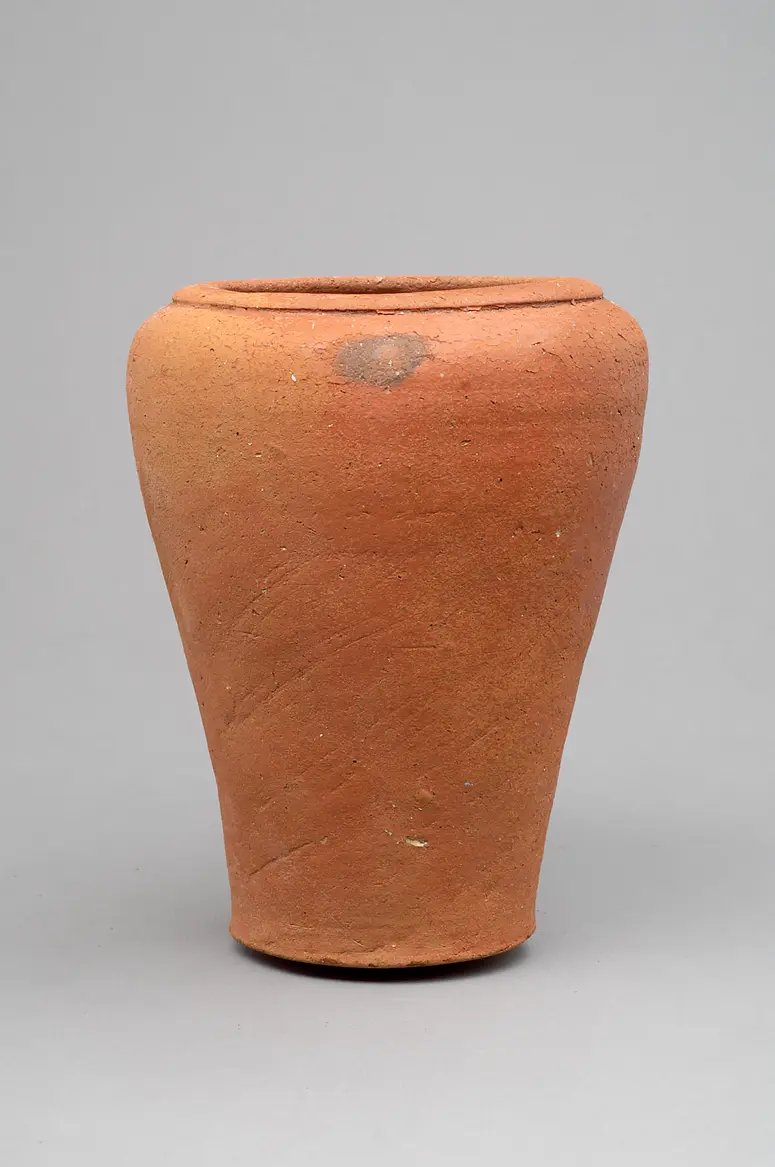
Kanope ohne Deckel Giza, Mastaba des Ra-wer I. (vermutlich) 5. Dynastie, ca. 2514-2374 v. Chr.
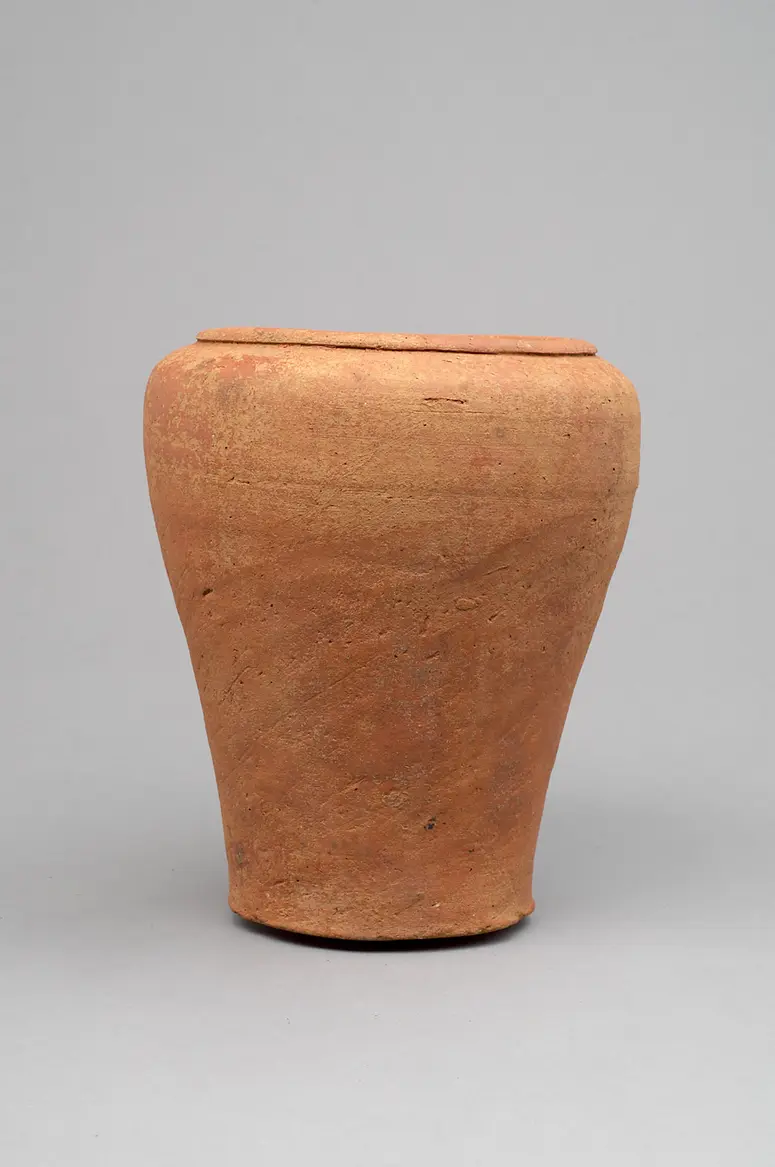
Kanope ohne Deckel Giza, Mastaba des Ra-wer I. (vermutlich) 5. Dynastie, ca. 2514-2374 v. Chr.
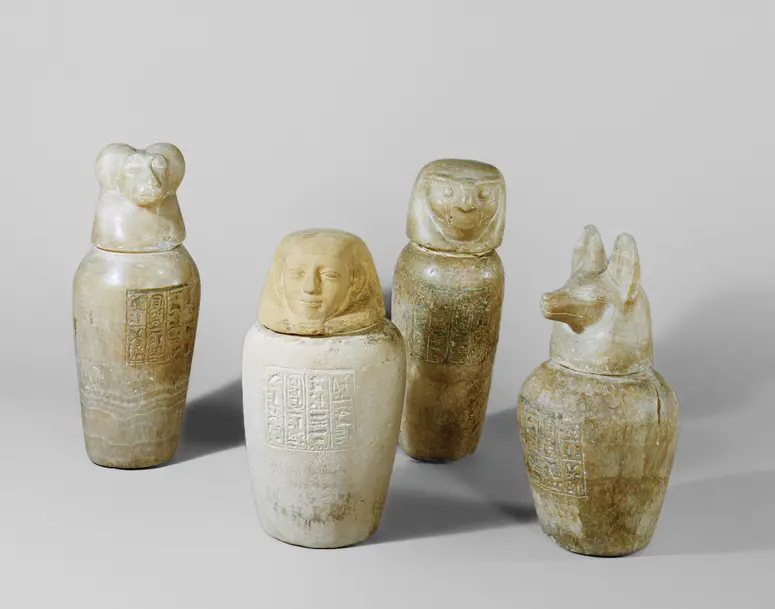
Kanope der Tjes-bastet-peret mit Deckel in Form eines Affenkopfes Theben 22. Dynastie, Zeit Osorkons II., 873-844 v. Chr.
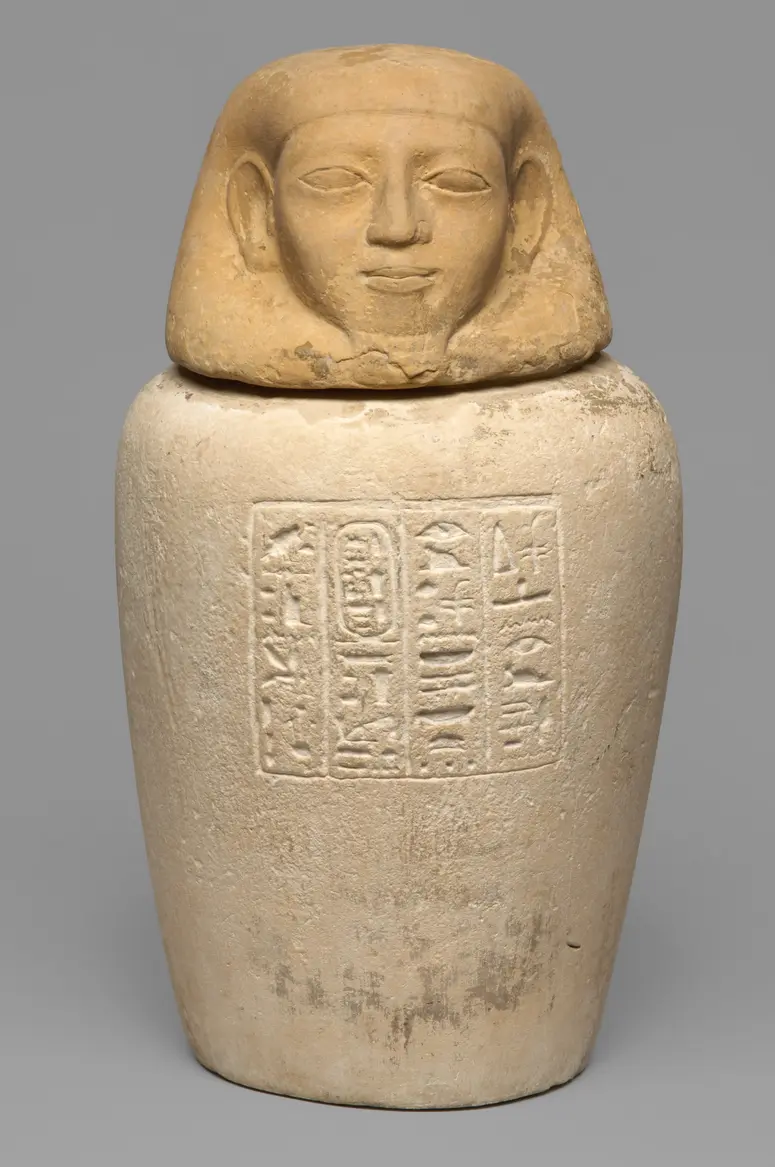
Kanope der Tjes-bastet-peret mit Deckel in Form eines Menschenkopfes Theben 22. Dynastie, Zeit Osorkons II., 873-844 v. Chr.
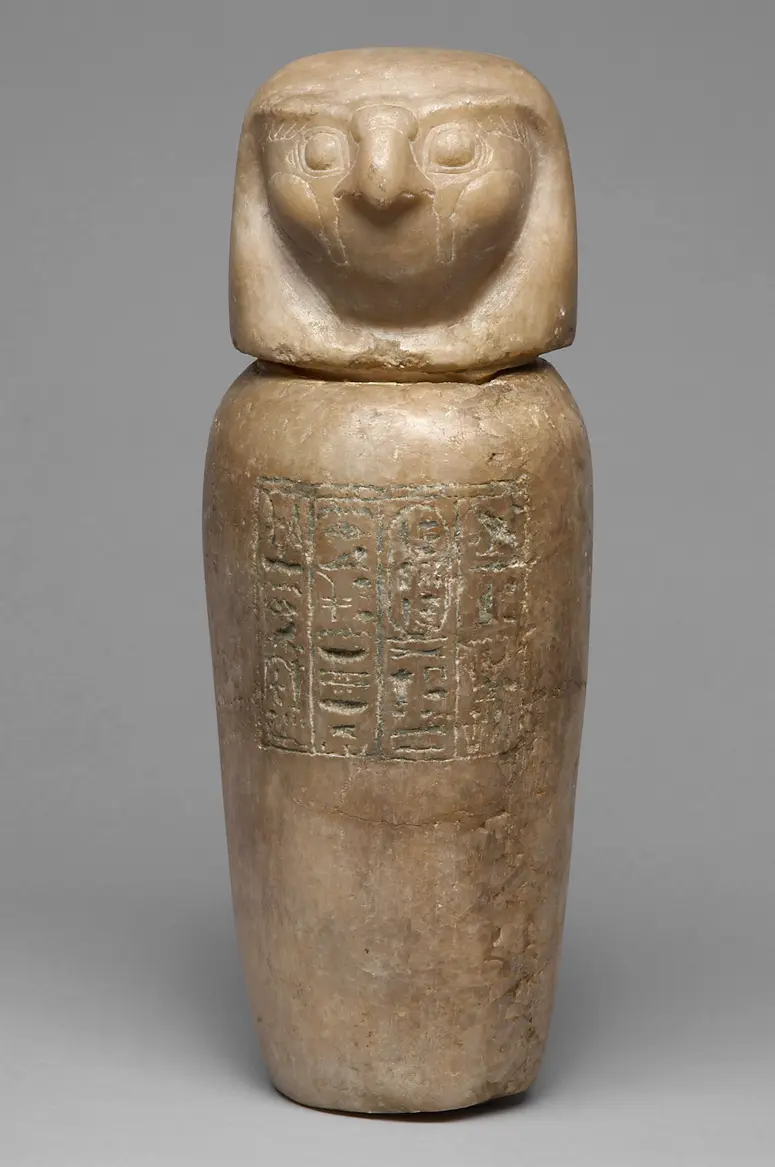
Kanope der Tjes-bastet-peret mit Deckel in Form eines Falkenkopfes Theben 22. Dynastie, Zeit Osorkons II., 873-844 v. Chr.
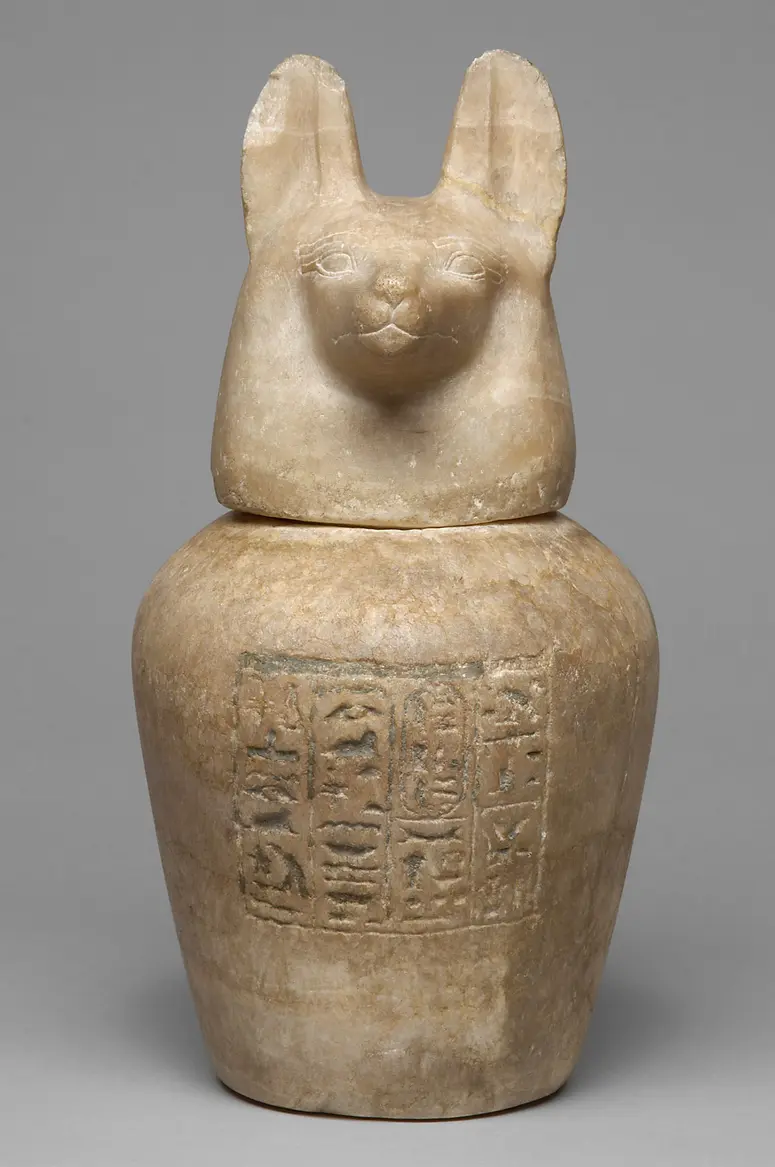
Kanope der Tjes-bastet-peret mit Deckel in Form eines Schakalkopfes Theben 22. Dynastie, Zeit Osorkons II., 873-844 v. Chr.
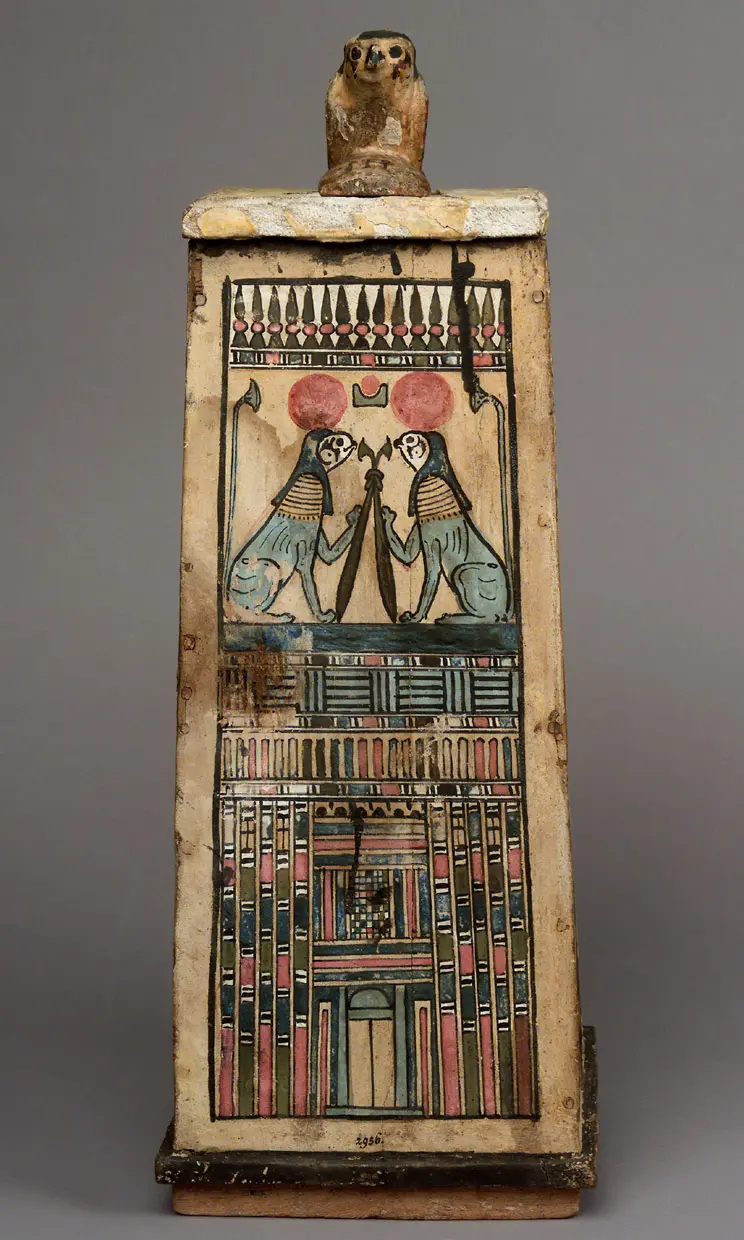
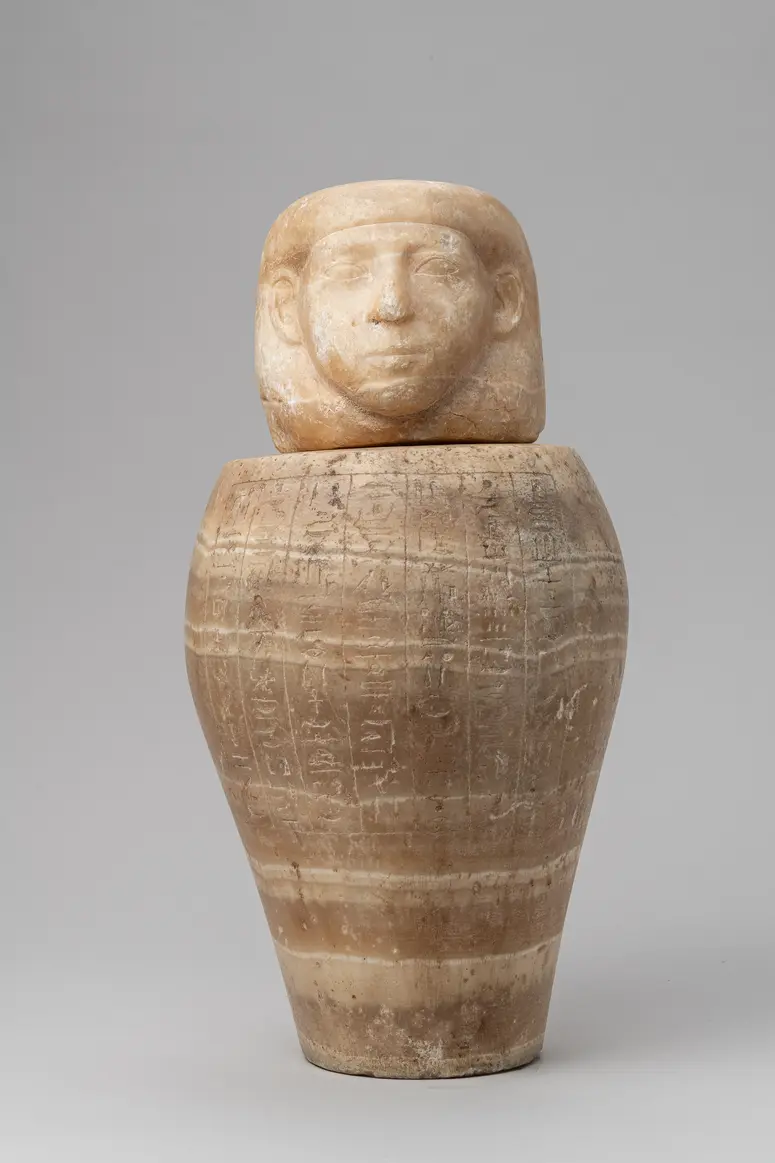
Kanope des Hor-sema-taui-em-achet mit Deckel in Form eines Menschenkopfes Unterägypten (vermutlich) 22. und 26. Dynastie, ca. 850 v. Chr. und 664-525 v. Chr.
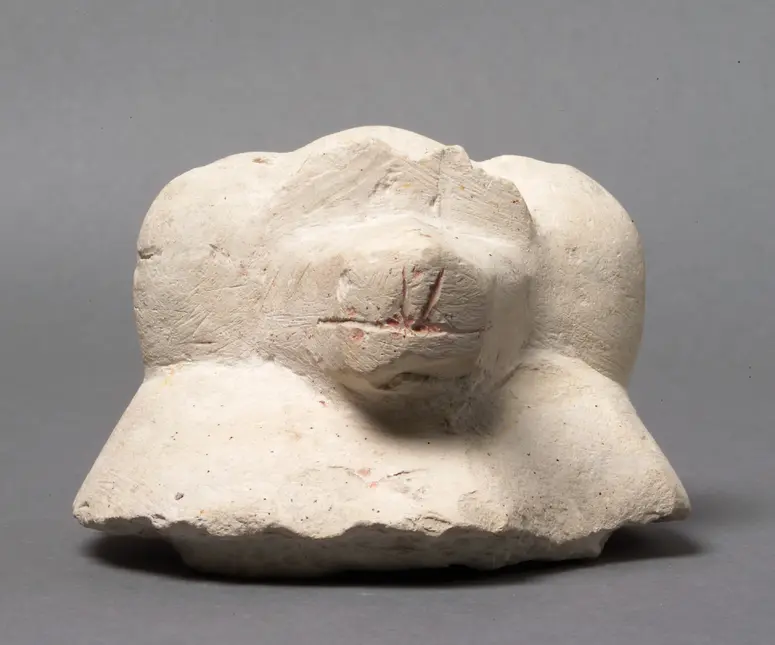
Kanopendeckel in Form eines Affenkopfes Fundort unbekannt 26. Dynastie, 664-525 v. Chr.
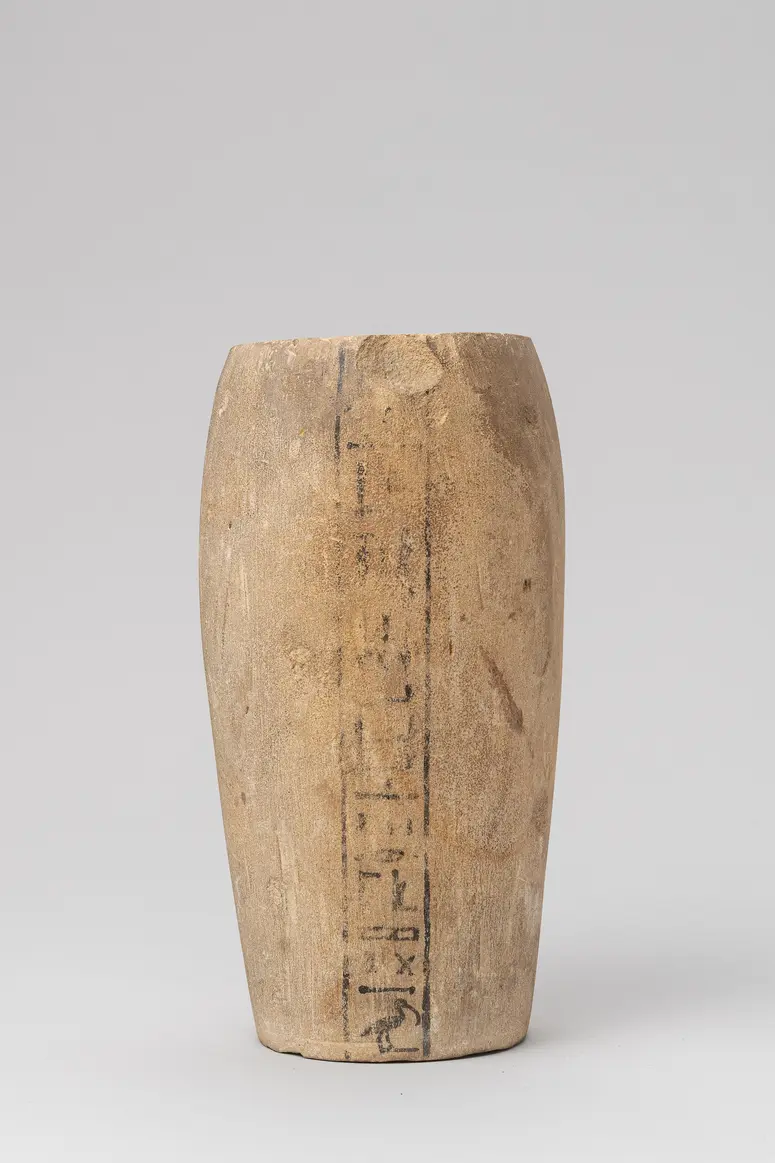
Scheinkanope des Schep-en-djehuti ohne Deckel Fundort unbekannt 21.-22. Dynastie, 1081-725 v. Chr.
Scheinkanope des Schep-en-djehuti ohne Deckel Fundort unbekannt 21.-22. Dynastie, 1081-725 v. Chr.