Boy's armour
c. 1512-1514 | Karl I. (V.) (1516-1556), als Karl I. König von Spanien, ab 1519 deutscher König, ab 1520 Kaiser
Emperor Maximilian I ordered this spectacular ceremonial armour in 1512 for his twelve-year-old grandson Archduke Charles (later Emperor Charles V). Konrad Seusenhofer, the emperor’s court armourer at Innsbruck, began work on the armour in March 1512, completing it in the spring or summer of 1513.
The armour was probably commissioned in connection with the planned marriage of Charles to Mary Tudor, a sister of King Henry VIII of England. In the summer of 1513, Henry and Maximilian went to war against France. The treaties cementing this alliance were signed during the elaborate victory celebrations held at Tournai and Lille in October 1513. The wedding was scheduled for the spring of 1514 at Calais (then held by the English); ultimately, however, intrigues and shifting political alliances put paid to the betrothal.
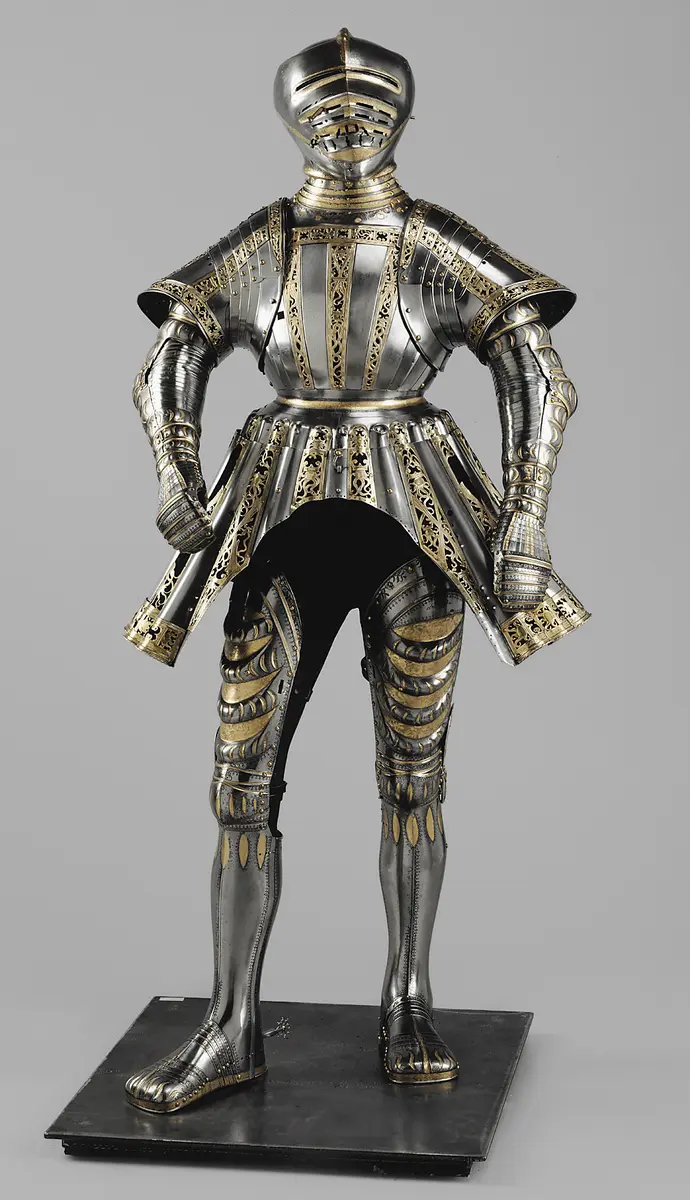
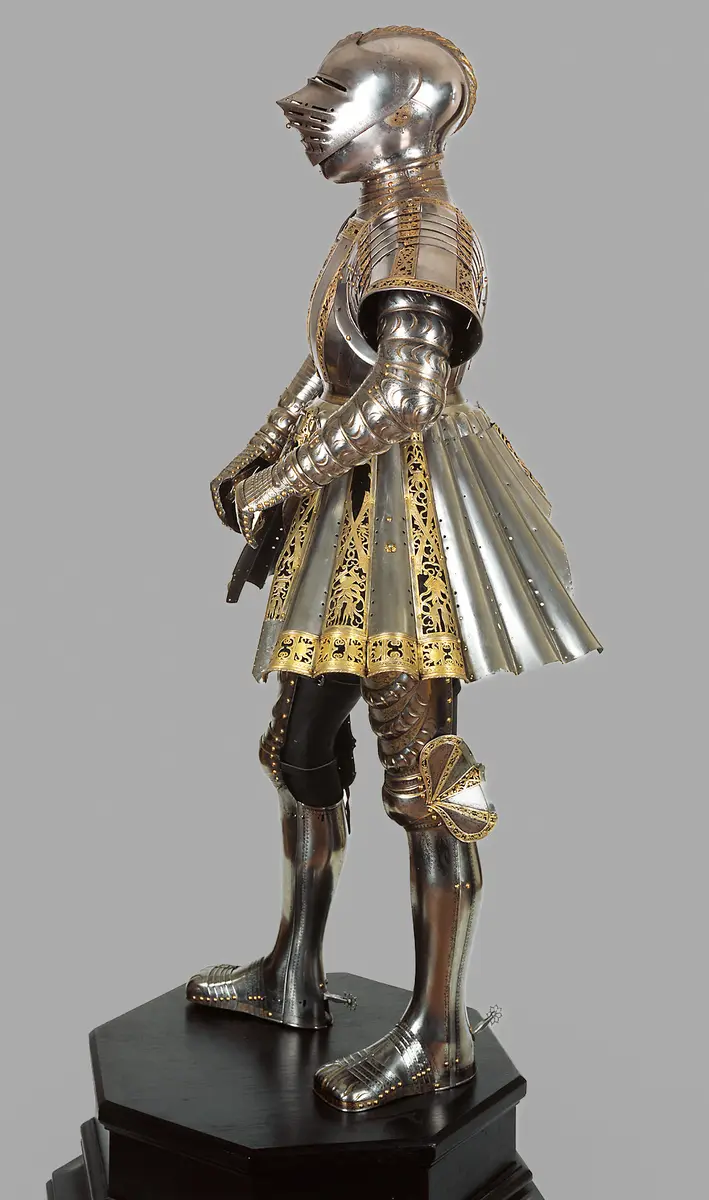
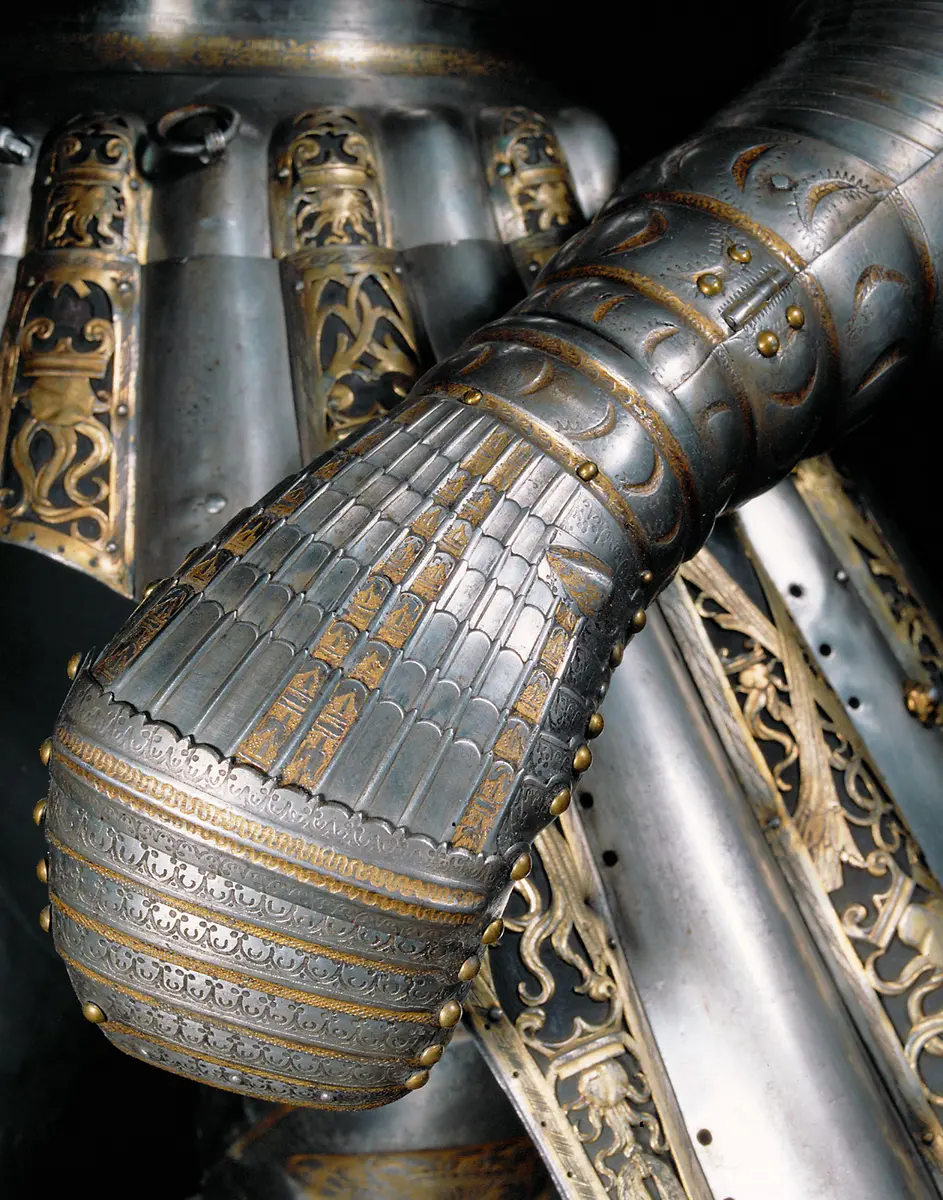
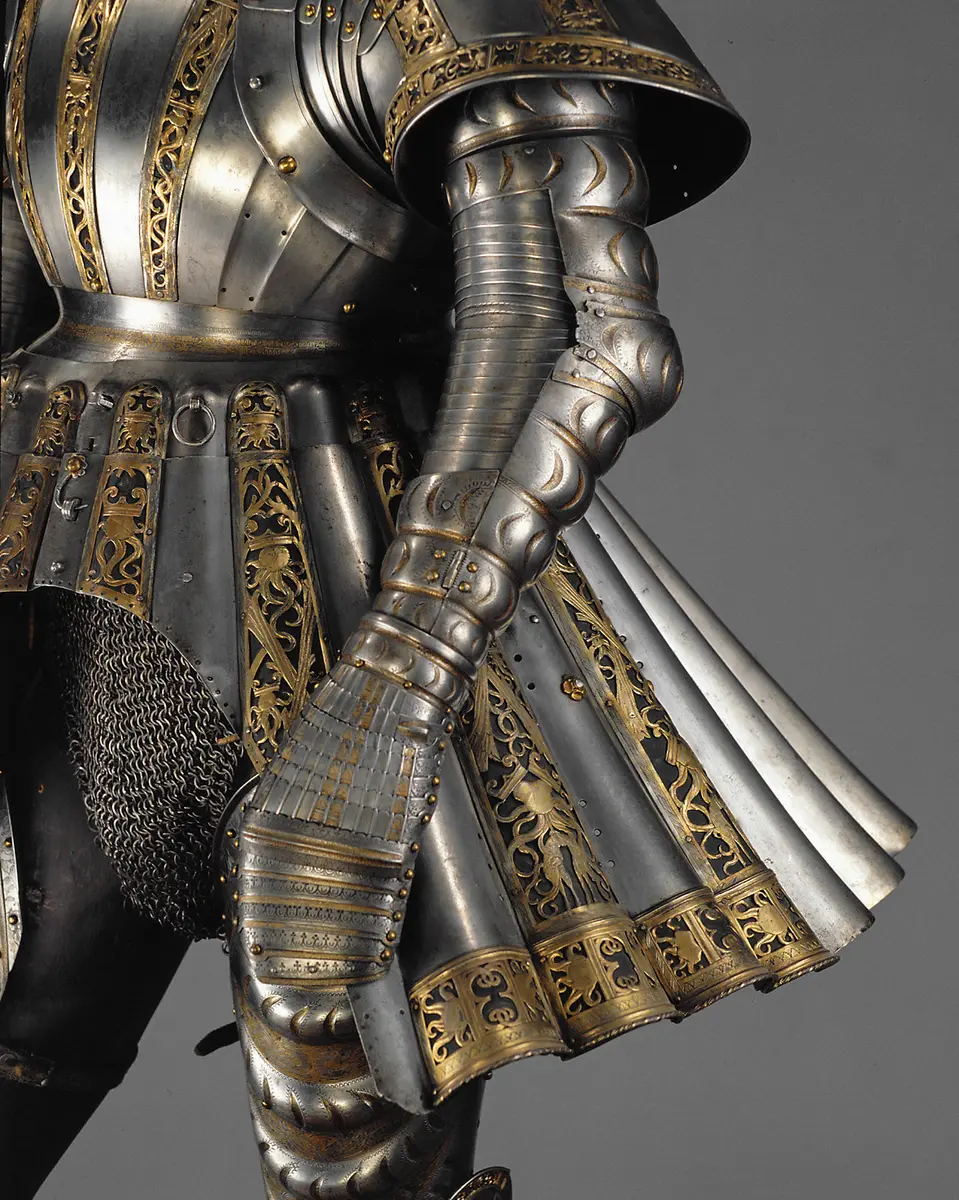
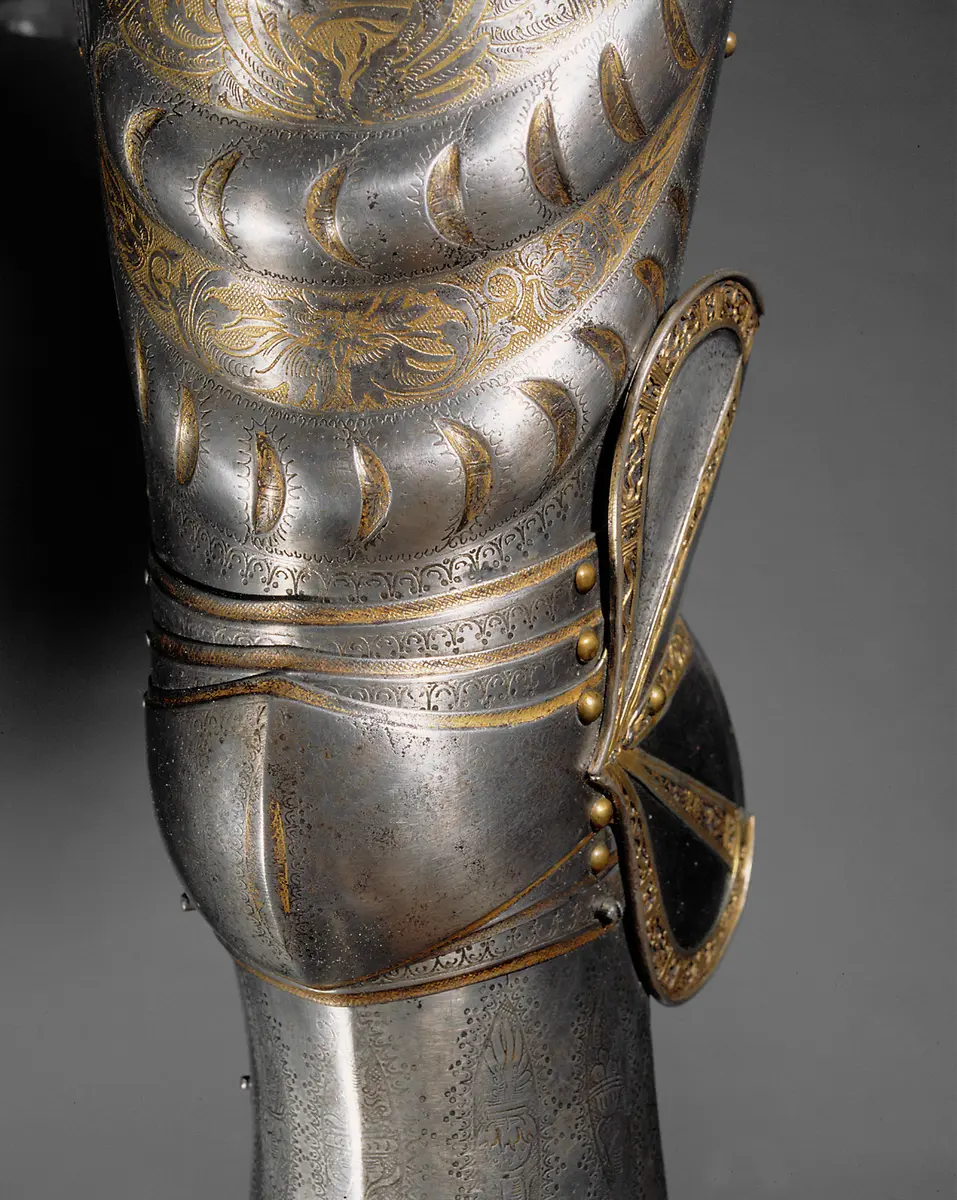
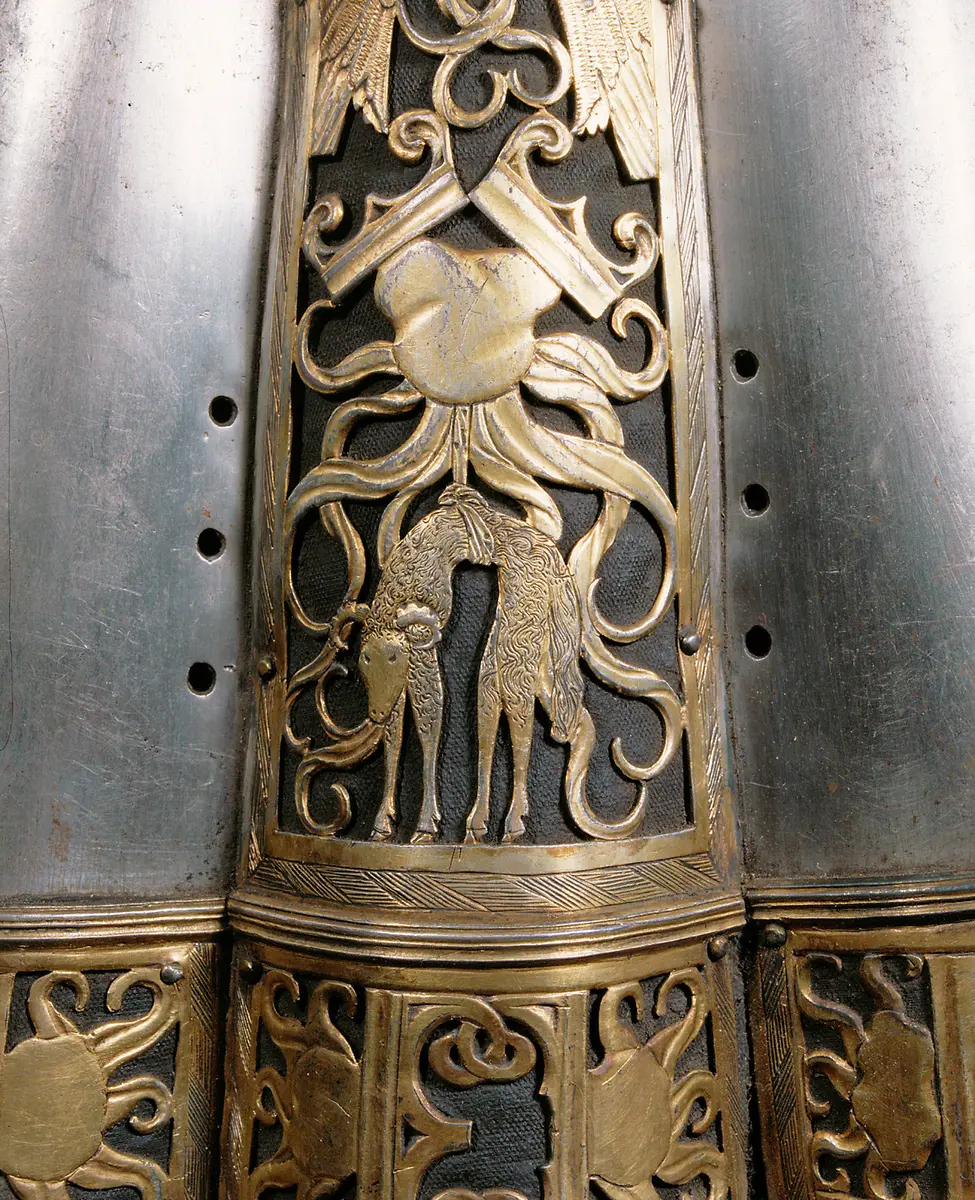
In a highly sophisticated way, the armour plays with the contrasts in materials between steel and fabric. It comprises a field harness with fashionably puffed and slashed arm and leg pieces and creates the illusion that the young archduke is wearing a surcoat, a pleated overcoat and a close-fitting jerkin with short, voluminous sleeves. The surcoat is also made of steel and is embellished with gilt steel ‘braids’ featuring the emblems of the Order of the Golden Fleece.
In the early seventeenth century, this armour was owned by Archduke Charles, Grand Master of the Teutonic Order. Between 1618 and 1621 it was moved to Ambras Castle, together with a bard made for Emperor Frederick III in 1477 (inv. A 69) and a papal sword (inv. A 453).
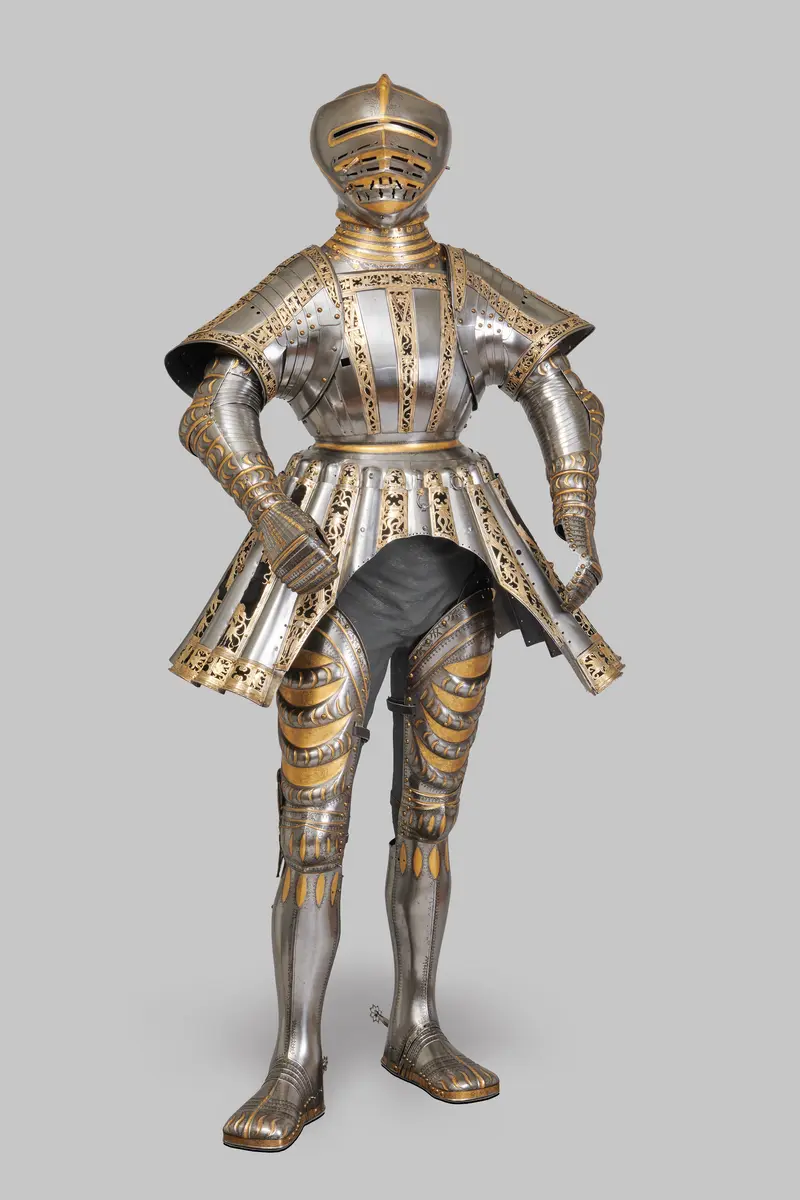
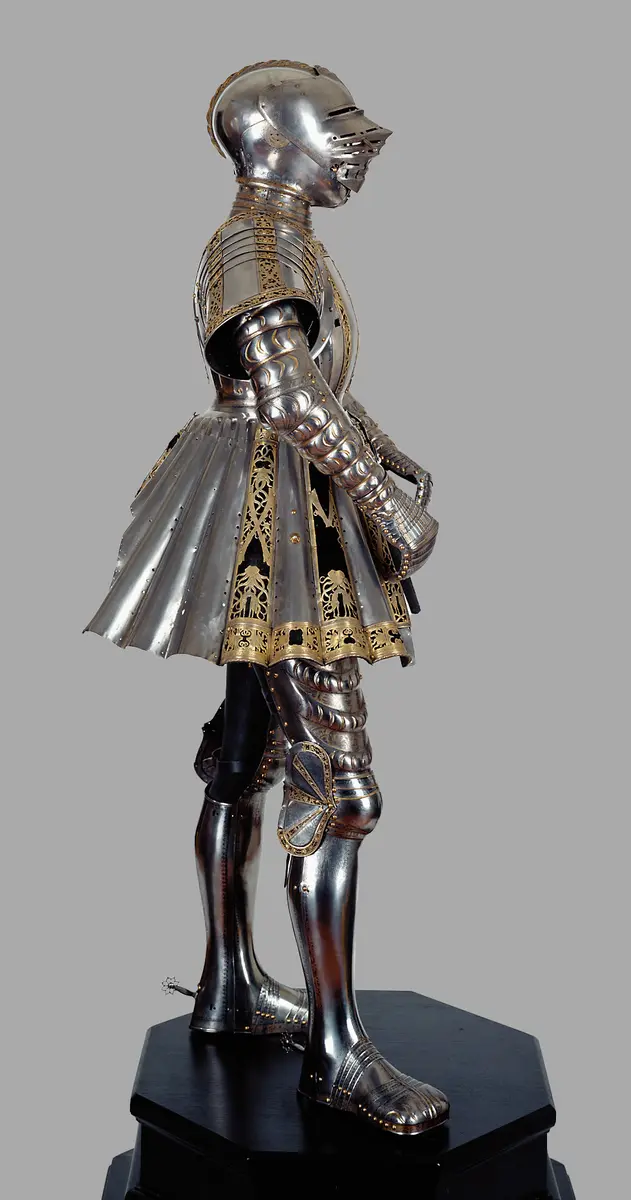

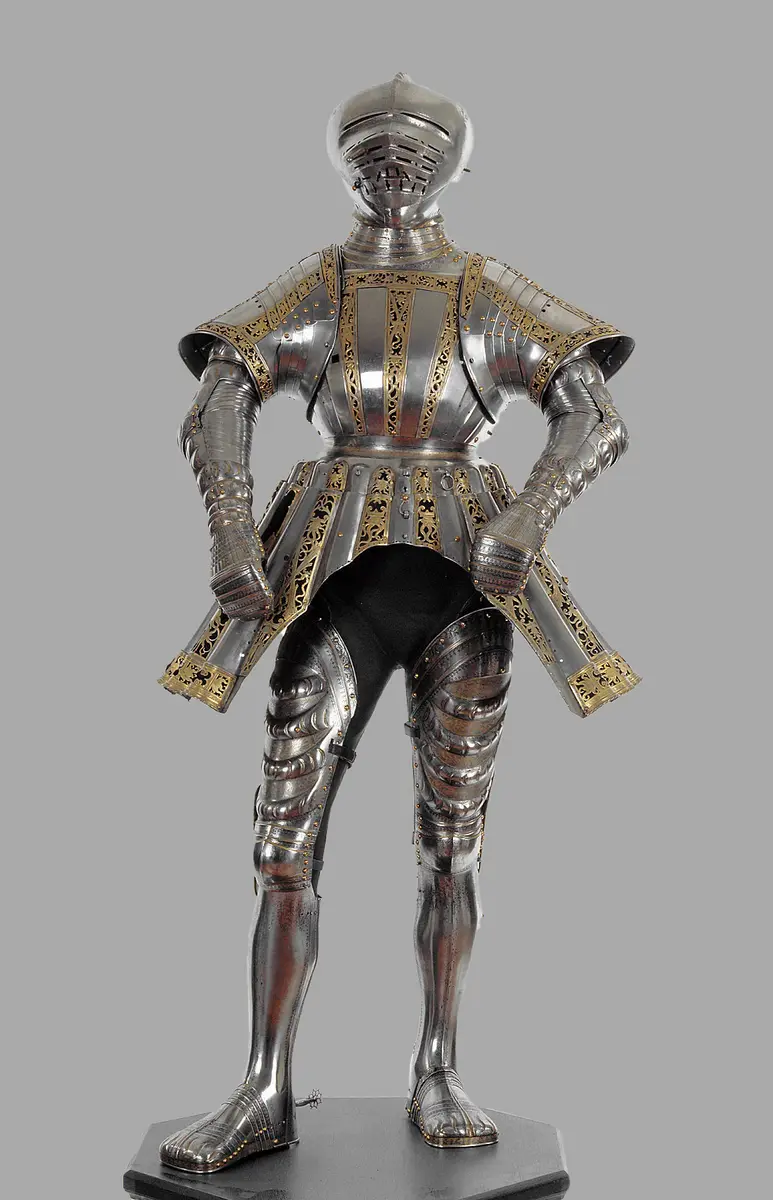
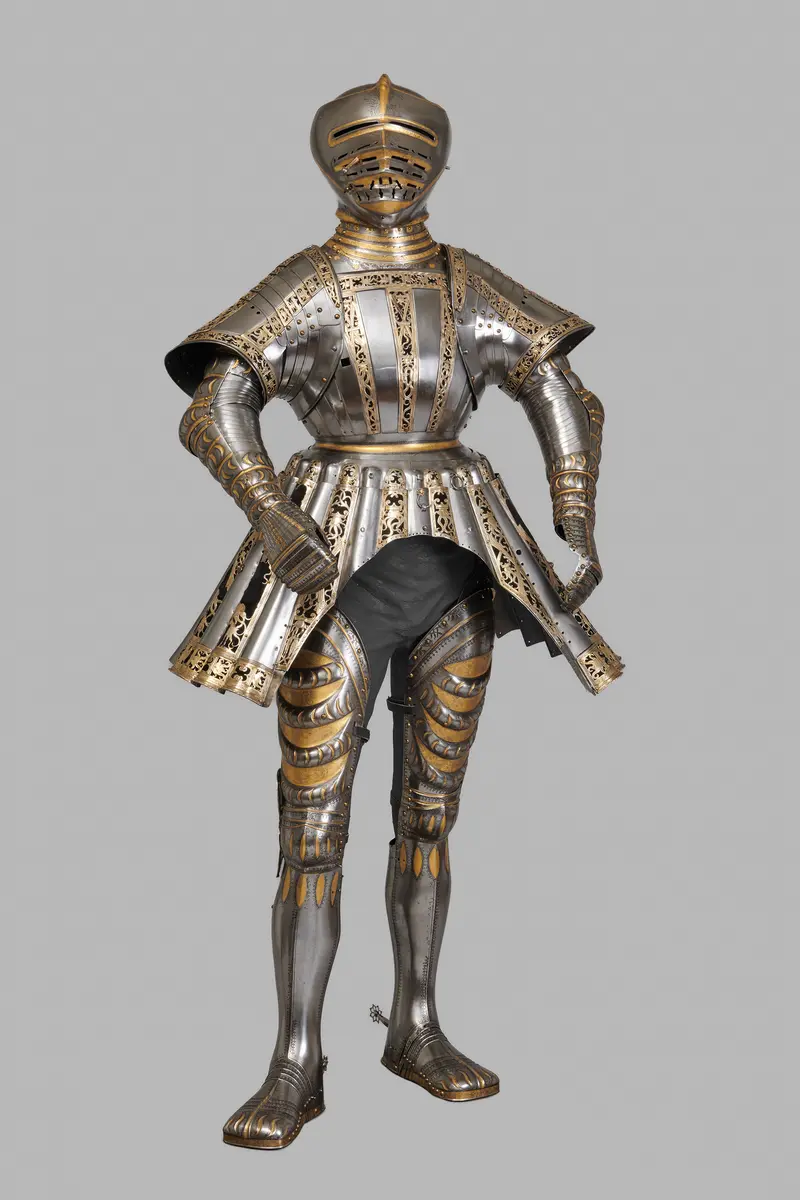
Emperor Maximilian I ordered this spectacular ceremonial armour in 1512 for his twelve-year-old grandson Archduke Charles (later Emperor Charles V). Konrad Seusenhofer, the emperor’s court armourer at Innsbruck, began work on the armour in March 1512, completing it in the spring or summer of 1513.
The armour was probably commissioned in connection with the planned marriage of Charles to Mary Tudor, a sister of King Henry VIII of England. In the summer of 1513, Henry and Maximilian went to war against France. The treaties cementing this alliance were signed during the elaborate victory celebrations held at Tournai and Lille in October 1513. The wedding was scheduled for the spring of 1514 at Calais (then held by the English); ultimately, however, intrigues and shifting political alliances put paid to the betrothal.
In a highly sophisticated way, the armour plays with the contrasts in materials between steel and fabric. It comprises a field harness with fashionably puffed and slashed arm and leg pieces and creates the illusion that the young archduke is wearing a surcoat, a pleated overcoat and a close-fitting jerkin with short, voluminous sleeves. The surcoat is also made of steel and is embellished with gilt steel ‘braids’ featuring the emblems of the Order of the Golden Fleece.
In the early seventeenth century, this armour was owned by Archduke Charles, Grand Master of the Teutonic Order. Between 1618 and 1621 it was moved to Ambras Castle, together with a bard made for Emperor Frederick III in 1477 (inv. A 69) and a papal sword (inv. A 453).
Artist:
Konrad Seusenhofer , (Plattner) (erw. 1504 - gest. 1517, tätig in Innsbruck)
Customer:
Maximilian I. (1477-1519), seit 1493 deutscher König, 1508 Kaiser (1459 - 1519) DNB
Time:
c. 1512-1514
Object Name
Boy's armour
Culture
Innsbruck
Material/technology:
Iron, forged, chased, partly etched. Etching: fire-gilded, partly black colouring. Silver, fire-gilded. Rivet caps: brass. Textile. Leather
Dimensions:
H (inkl. Eisenplatte) 153 cm × B 70 cm × T 55 cm
Eisenplatte: H 4 cm × B 60 cm × T 60 cm
Copyright
Kunsthistorisches Museum, Hofjagd- und Rüstkammer
Invs.
Hofjagd- und Rüstkammer, A 109
Browse more
Similar items you might be interested in
Matthäus Lang von Wellenburg (1519-1540), Erzbischof von Salzburg 1511

Ferdinand II. (1564-1595), Erzherzog von Österreich und Landesherr von Tirol 1547
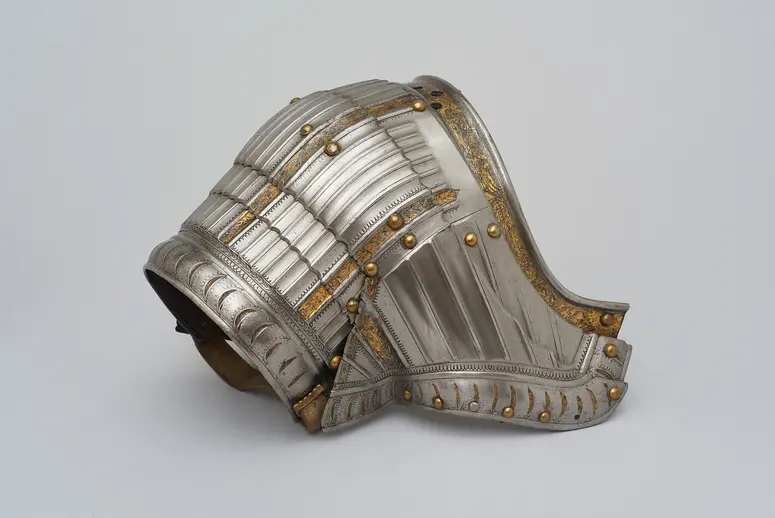
Ludwig II. (1516-1526), König von Ungarn und Böhmen um 1514

Karl I. (V.) (1516-1556), als Karl I. König von Spanien, ab 1519 deutscher König, ab 1520 Kaiser c. 1511-1512
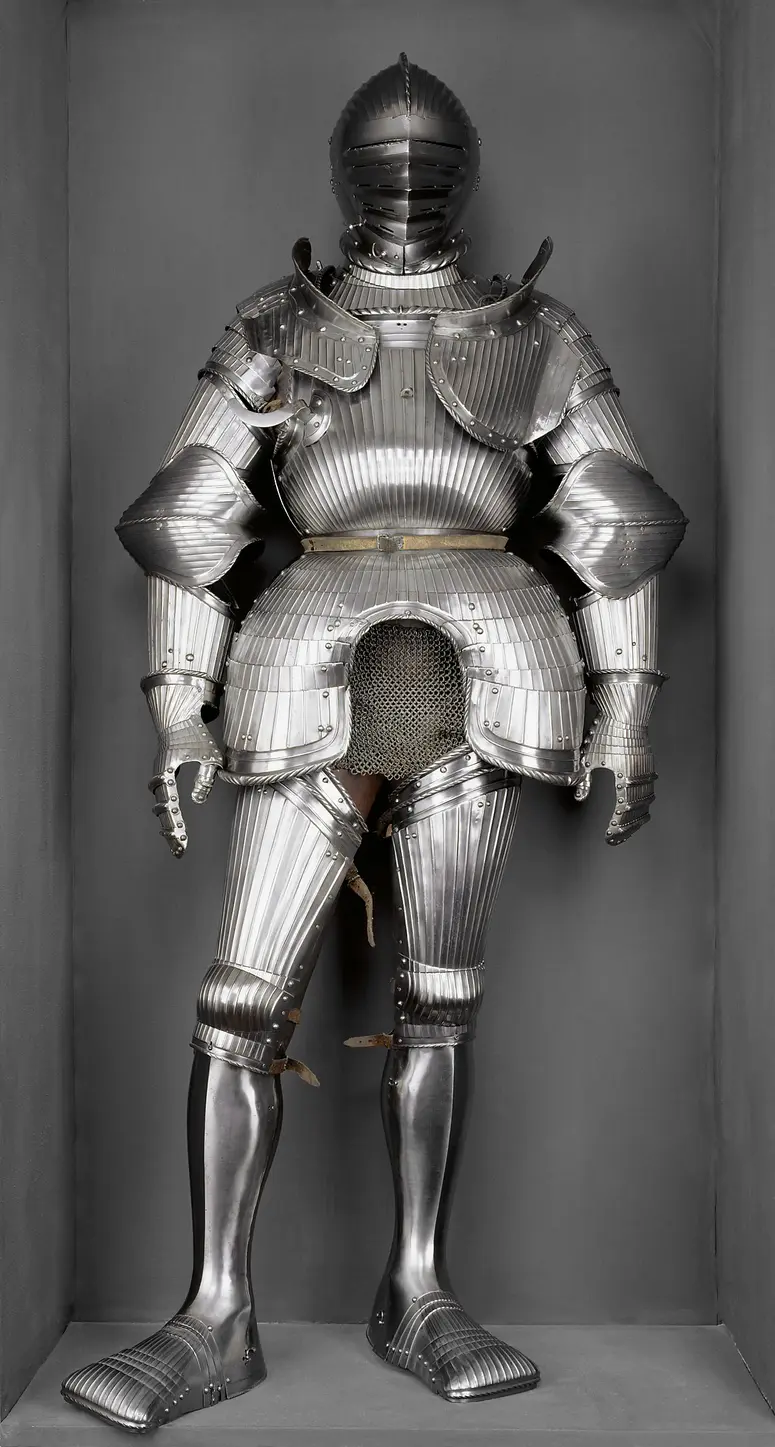
Riefelharnisch von Pfalzgraf Philipp bei Rhein um 1525

Ferdinand I. (1521-1564), Erzherzog, seit 1531 König und seit 1558 Kaiser 1526/1529