Astraea leaving the Earth
about 1665 | Salvator Rosa
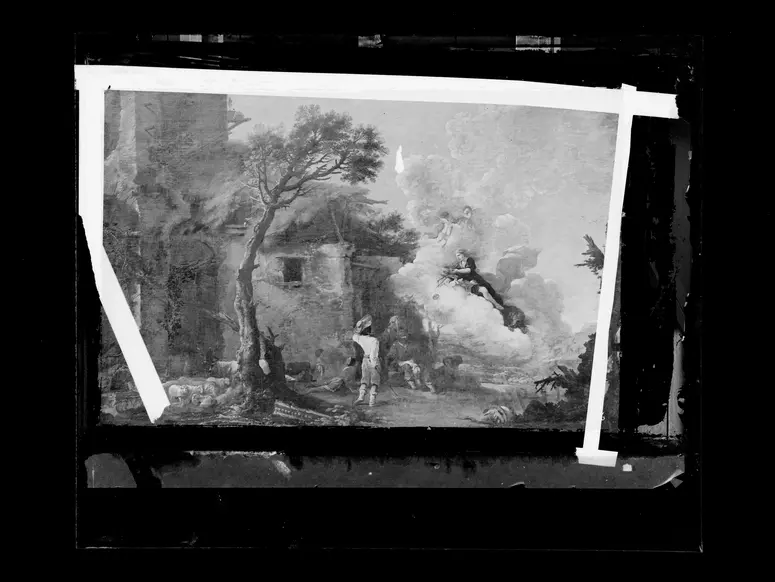
According to the Roman poet Virgil, at the end of the Iron Age, Astraea, the Roman goddess of justice, became the last of the gods to leave the ruined earth during this period of complete decline of culture and decency. She left behind her attributes – fasces (bundles of rods) and a balance – in the hands of just and peaceful peasants. This characteristically Baroque mixture of depicted literature and symbolism expresses both pessimism and hope at the same time. From time immemorial the simplicity of peasant life was seen as a harbinger of this hope for a happy golden age. Inv.-Nr. GG 9823
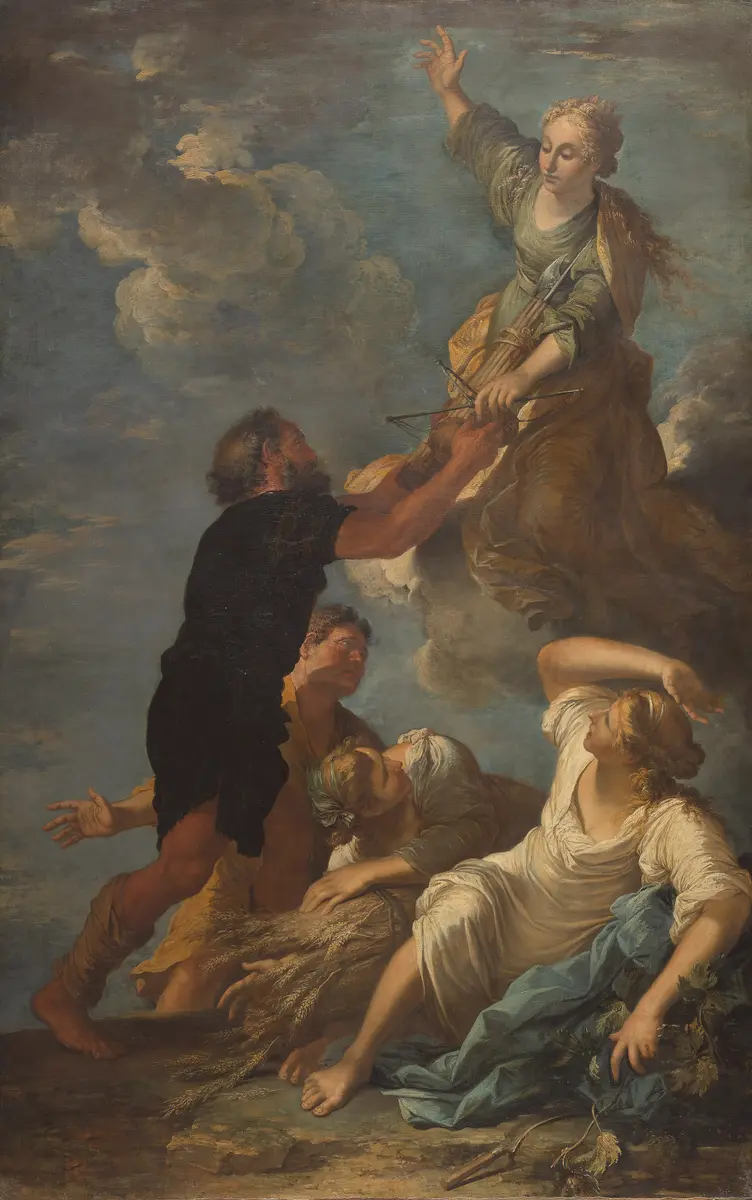
According to the Roman poet Virgil, at the end of the Iron Age, Astraea, the Roman goddess of justice, became the last of the gods to leave the ruined earth during this period of complete decline of culture and decency. She left behind her attributes – fasces (bundles of rods) and a balance – in the hands of just and peaceful peasants. This characteristically Baroque mixture of depicted literature and symbolism expresses both pessimism and hope at the same time. From time immemorial the simplicity of peasant life was seen as a harbinger of this hope for a happy golden age. Inv.-Nr. GG 9823
Artist:
Salvator Rosa (1615 Arenella/Neapel - 1673 Rom) DNB
Time:
about 1665
Object Name
Painting
Culture
Italian, Roman
Material/technology:
Canvas
Dimensions:
267 cm × 170 cm
Framed: 304,5 cm × 205,5 cm × 9,5 cm
Copyright
Kunsthistorisches Museum, Gemäldegalerie
Invs.
Gemäldegalerie, 9823
Provenance
1824 in Florence; 1840 in Genoa purchased by Sir Joseph Hawley; Lord Rendel of Hatchlands; 1913 H. S. Goodhart-Rendel; 1958 Coll. M. Behren; acquired in 1988;
Browse more
Similar items you might be interested in

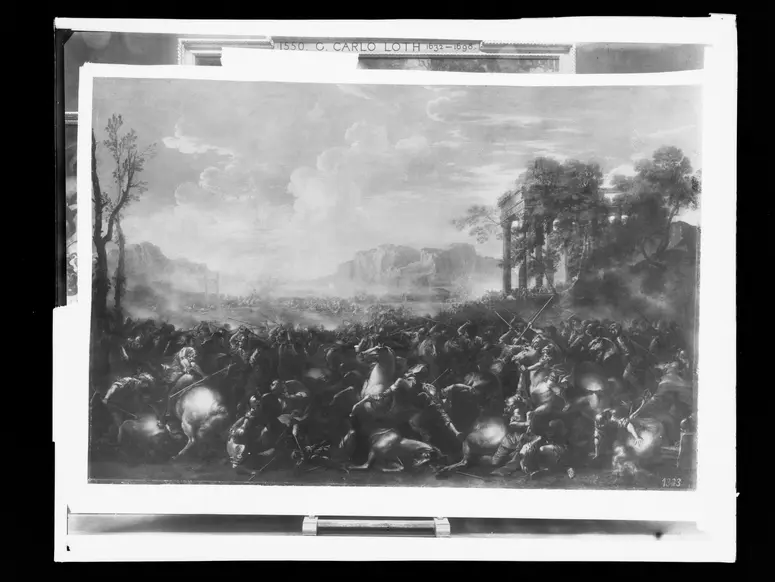
Römerschlacht J. Löwy, K. und K. Hof-Photograph, Kunst- und Verlagsanstalt (Wien) 1888 bis 1891
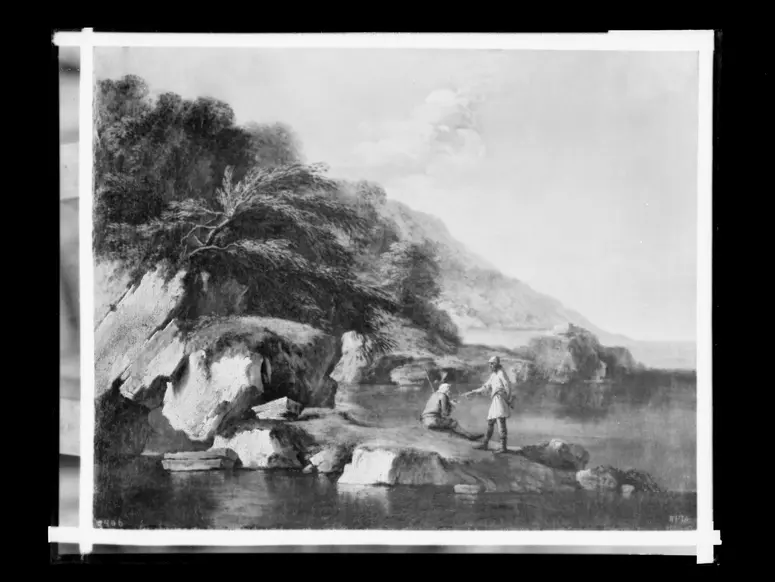
Einöde am Meere J. Löwy, K. und K. Hof-Photograph, Kunst- und Verlagsanstalt (Wien) 1888 bis 1910
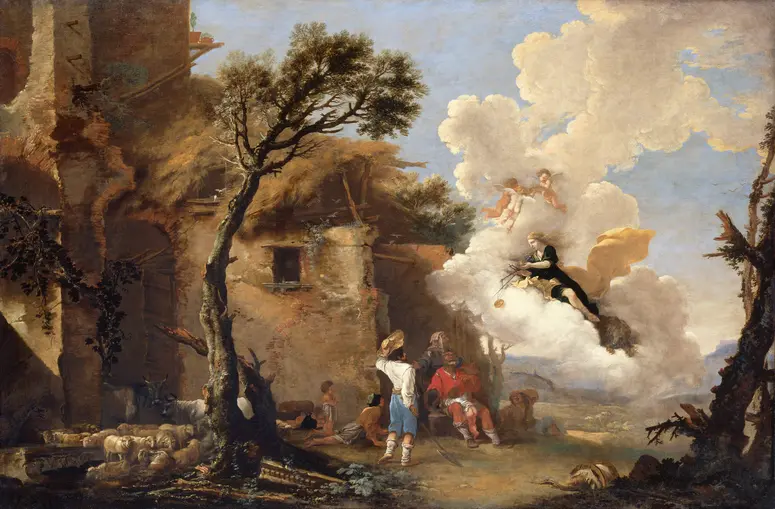
Wiederkehr der Astraea J. Löwy, K. und K. Hof-Photograph, Kunst- und Verlagsanstalt (Wien) 1888 bis 1891
Die Marter des heiligen Bartholomäus J. Löwy, K. und K. Hof-Photograph, Kunst- und Verlagsanstalt (Wien) 1888 bis 1910
Stürmische See an felsiger Küste J. Löwy, K. und K. Hof-Photograph, Kunst- und Verlagsanstalt (Wien) 1888 bis 1910
Hl. Wilhelm von Maleval als Büßer J. Löwy, K. und K. Hof-Photograph, Kunst- und Verlagsanstalt (Wien) 1888 bis 1891
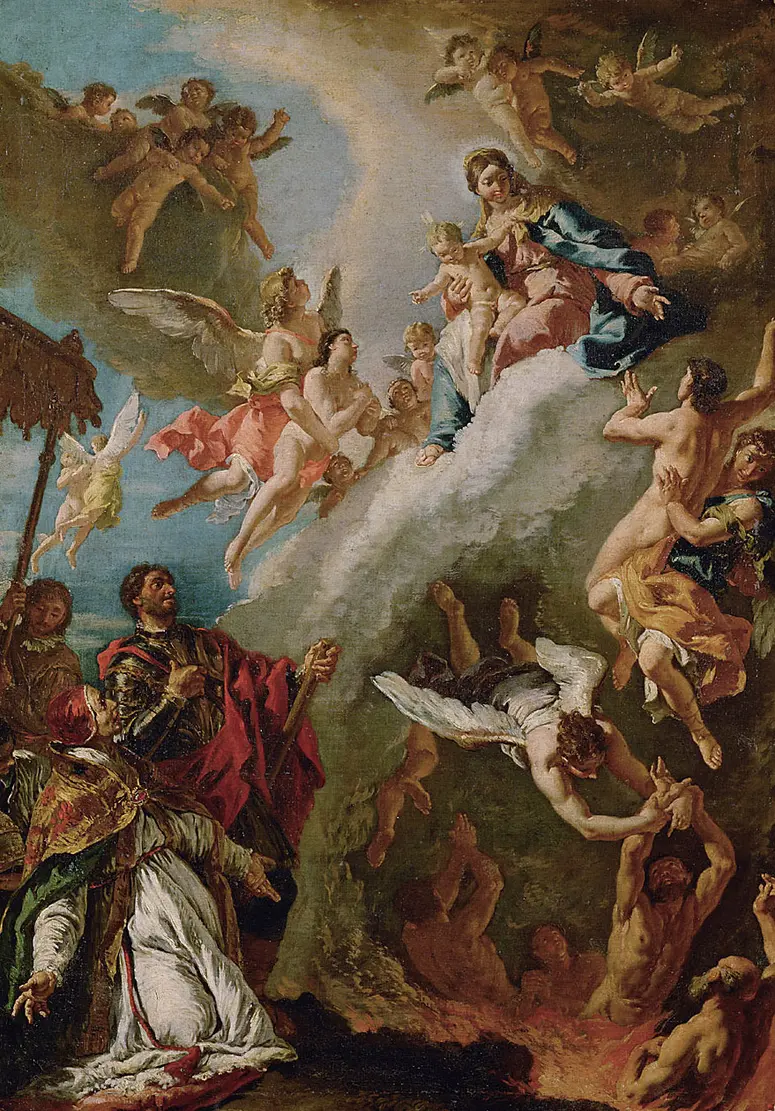
Papst Gregor I. und der hl. Vitalis bitten die Madonna für die Seelen im Fegefeuer Francesco Fontebasso um 1730/1731
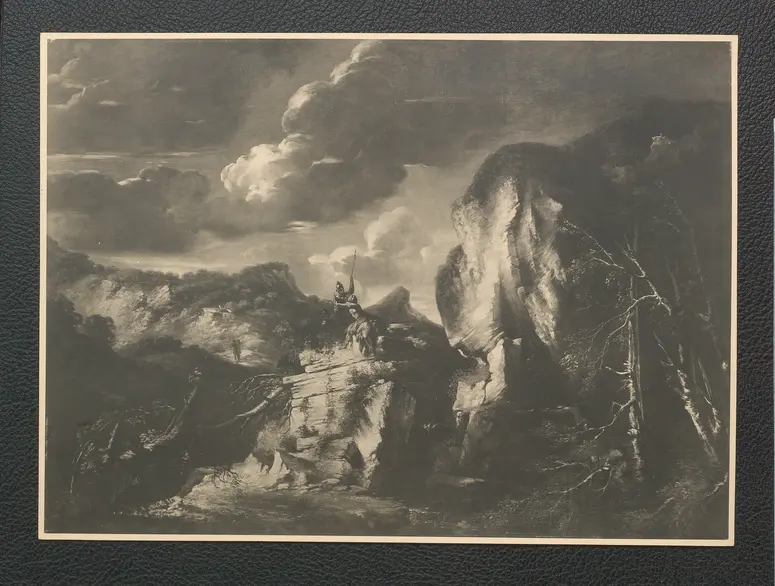
Foto (Abzug): Salvator Rosa: Große staffierte Landschaft. Öl-Leinwand, 137 X 190 cm David Goldmann 1938-1939
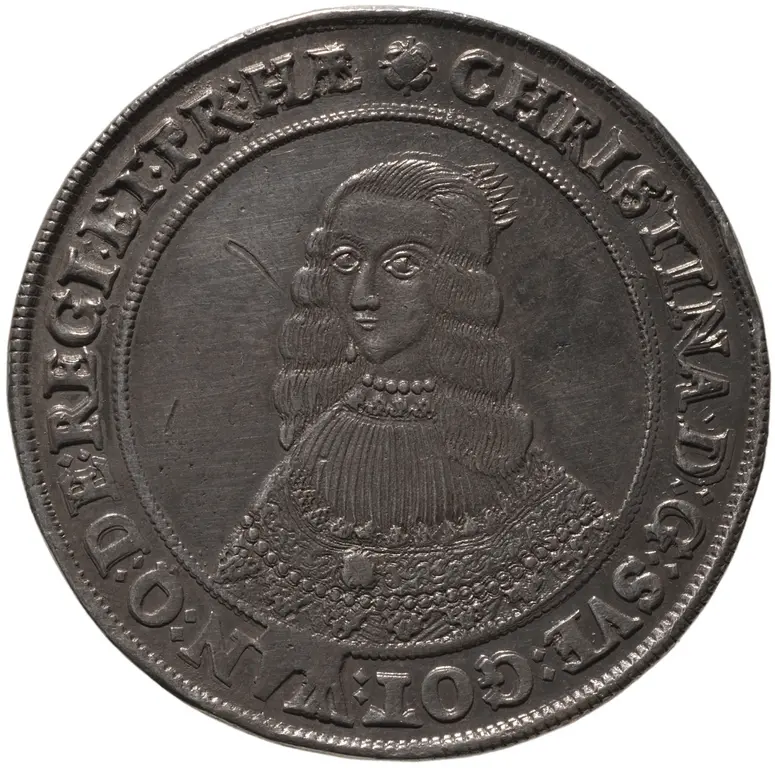
Christina (1632-1654), Königin von Schweden, 1648-1654 Herzogin von Bremen und Verden 1644
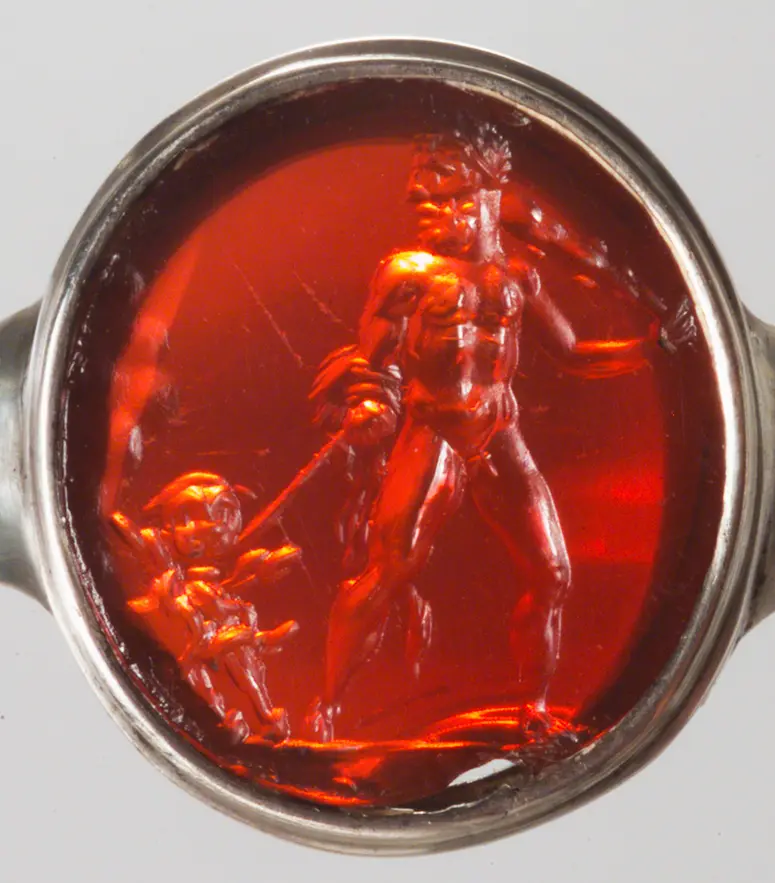
Gemme: Herkules zieht Cerberus aus dem Hades Römisch, Republikanisch - Frühe Kaiserzeit 1. Jh. v. Chr.