Alfonso I. von Aragon, König von Neapel; Büste
um 1541/1543 | Fra Giovan Angelo Montorsoli
The significant coiffure and the prominently staged neckchain of the Order of the Golden Fleece are the distinguishing features of this posthumously created portrait bust. The king was known to have been wise and mild, yet also inclined to “a love of pomp and lust”. In 1445, Alfonso I became the first foreign king to be elected to the Order of the Golden Fleece of Burgundy. After the capture of Constantinople by the Ottomans in 1453, Alfonso accommodated the Greek scholars who had been driven from the city in his realm.
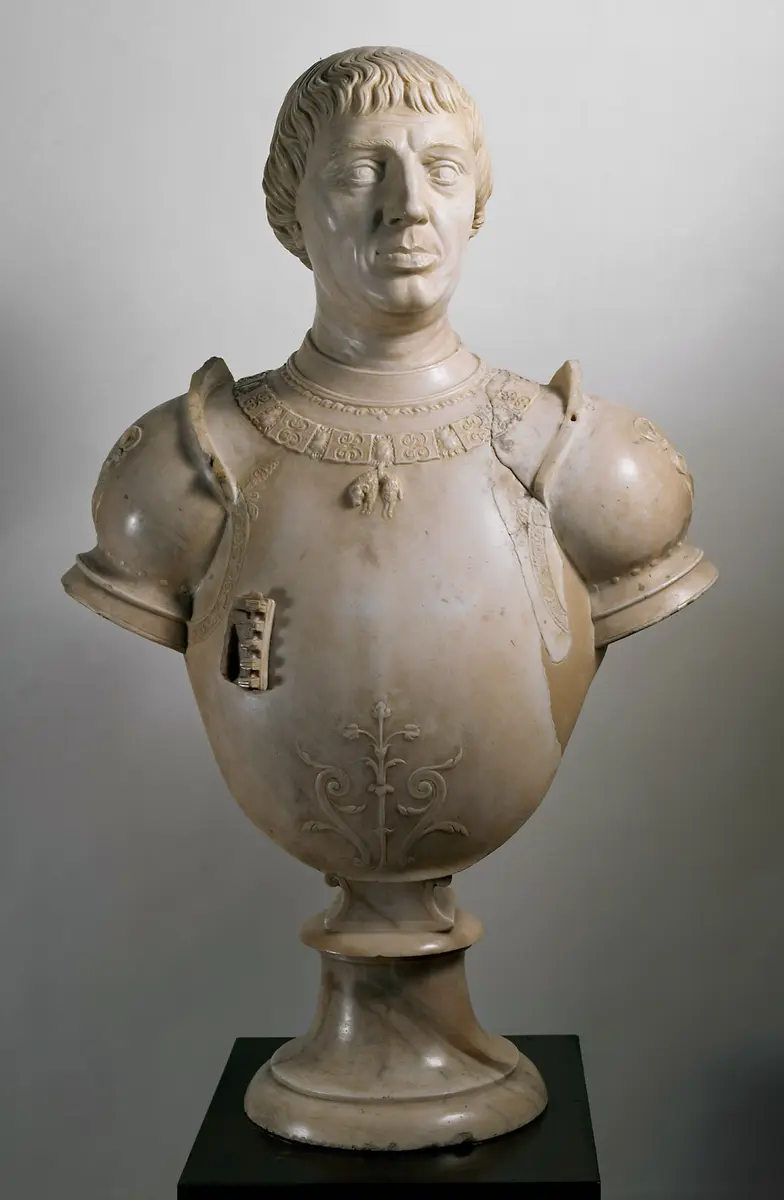
The significant coiffure and the prominently staged neckchain of the Order of the Golden Fleece are the distinguishing features of this posthumously created portrait bust. The king was known to have been wise and mild, yet also inclined to “a love of pomp and lust”. In 1445, Alfonso I became the first foreign king to be elected to the Order of the Golden Fleece of Burgundy. After the capture of Constantinople by the Ottomans in 1453, Alfonso accommodated the Greek scholars who had been driven from the city in his realm.
Zugeschrieben an:
Fra Giovan Angelo Montorsoli (1499 - 1563 Florenz) DNB
Zeit:
um 1541/1543
Objektbezeichnung
Porträtkopf; Büste
Kultur
Neapel
Material/Technik:
Stein, Marmor
Maße:
H. 96 cm
Bildrecht
Kunsthistorisches Museum, Kunstkammer
Inv. Nr.
Kunstkammer, 5441
Provenienz
1875 Ambras Collection, III, 20, p.155; 1832 from auction art cabinet of Father Tobias in the monastery of St. Augustine (Suppl. Inv., p.82, No.6); 837 ex 1833
Weiterstöbern
Ähnliche Stücke, die Sie interessieren könnten

Statuettentorso: Dionysos Römisch, Kaiserzeit 1. - 2. Jh. n. Chr., nach griechischem Original des 4. Jh. v. Chr.
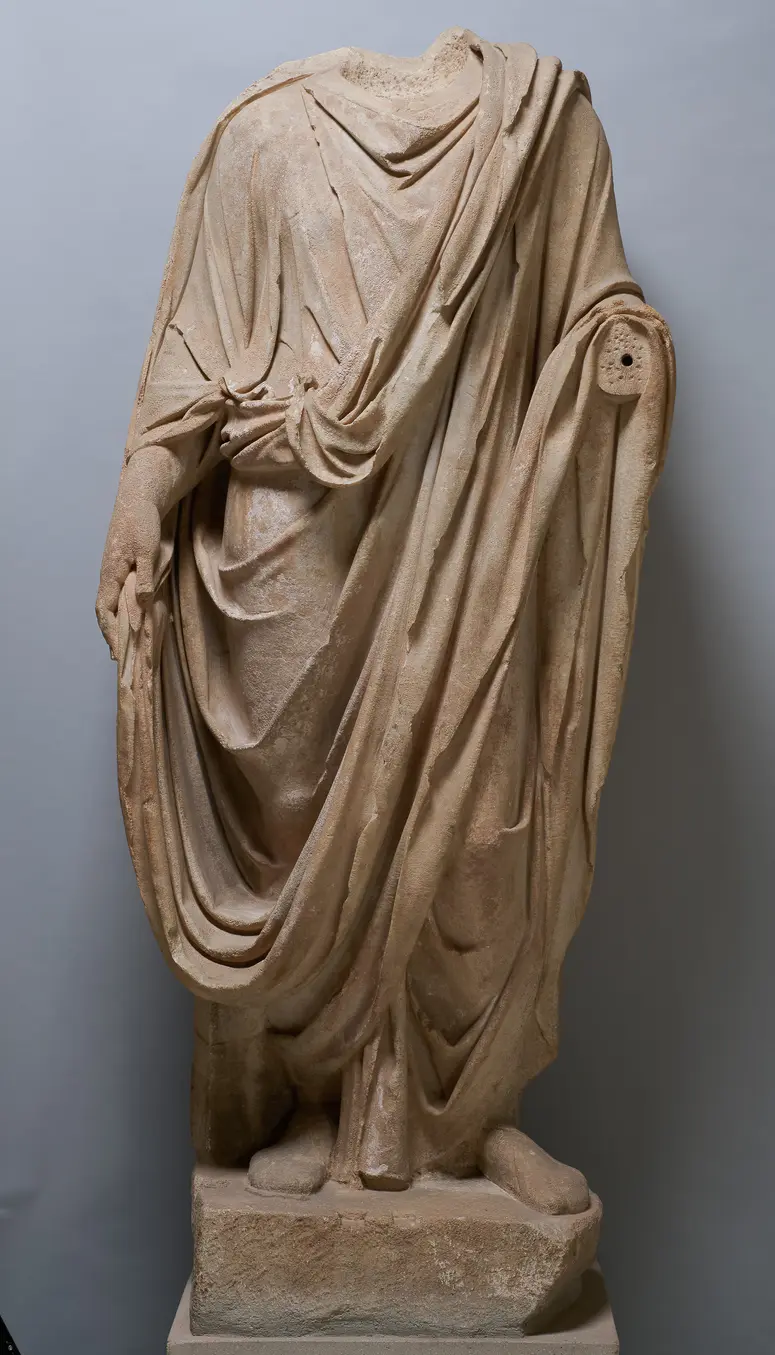
Statue: Statuentorso eines Togatus Römisch, Mittlere Kaiserzeit 1. Hälfte 2. Jh. n. Chr.
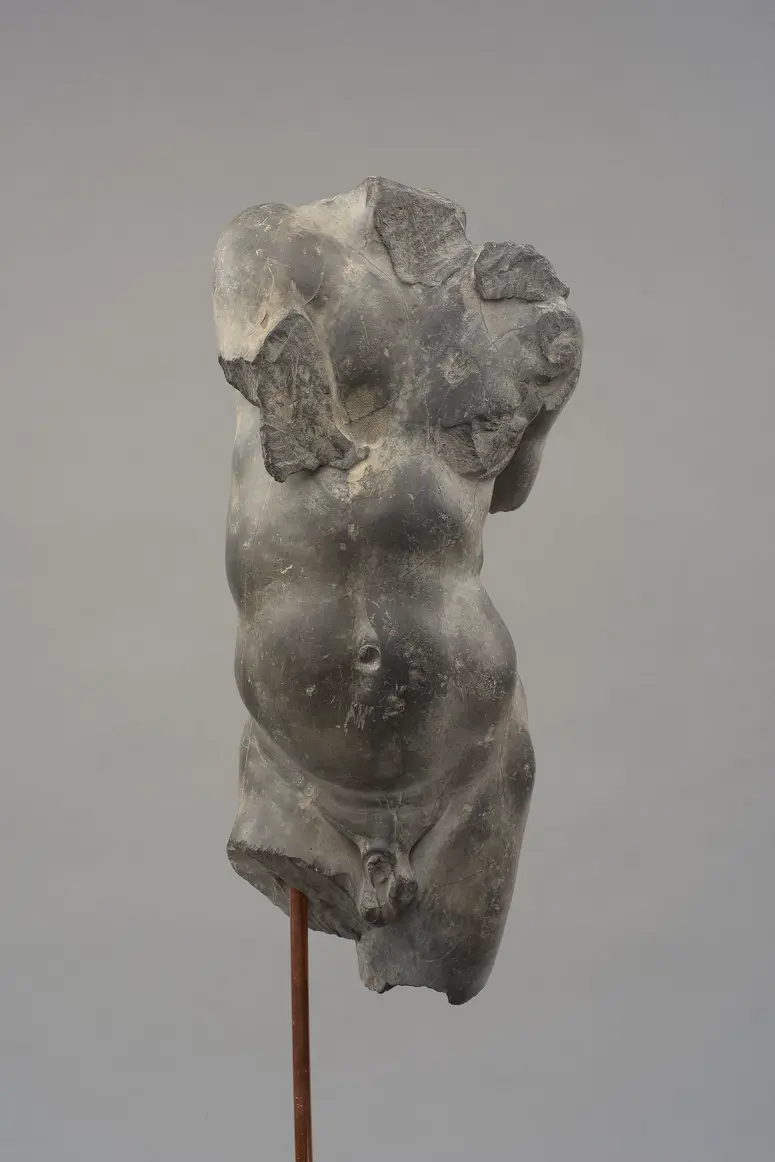
Statuette: Statuettentorso eines Nubiers (Schwarzafrikaners) Griechisch, Hellenistisch frühes 2. Jh. v. Chr.
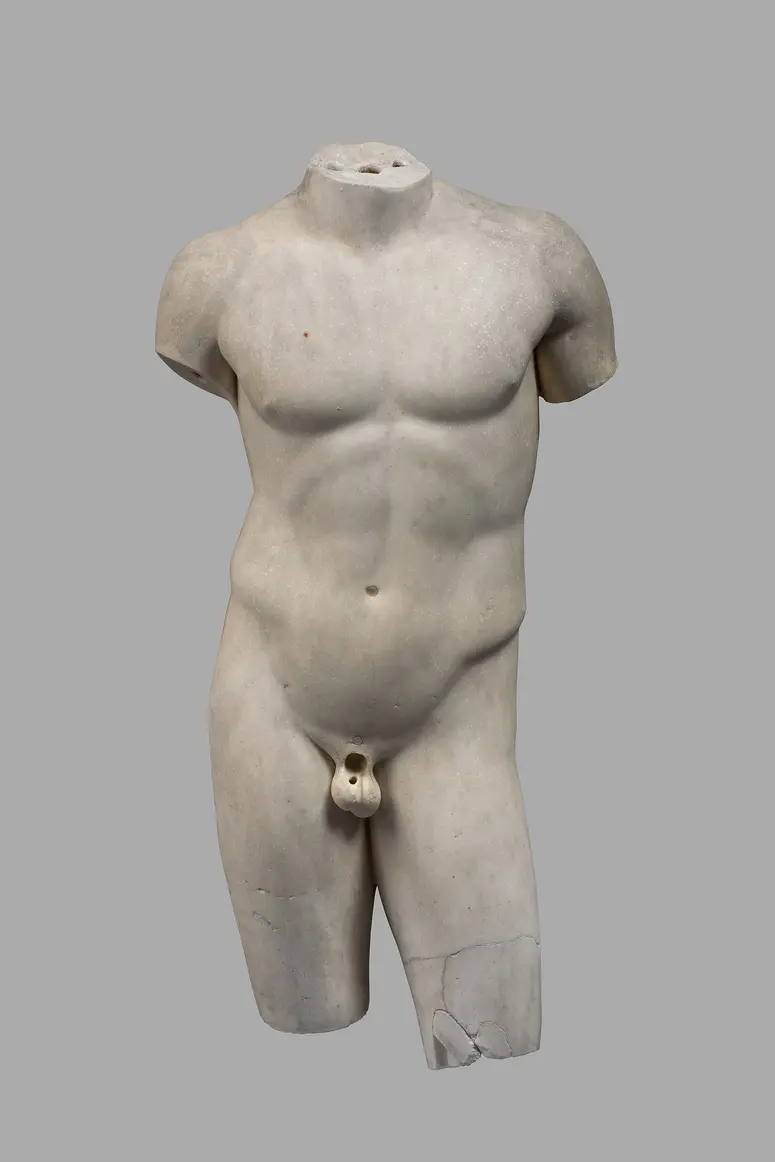
Statue: Statuentorso eines nackten Jünglings Römisch, Kaiserzeit 1.Jh. n. Chr., nach griechischem Vorbild des 5. Jh. v. Chr.
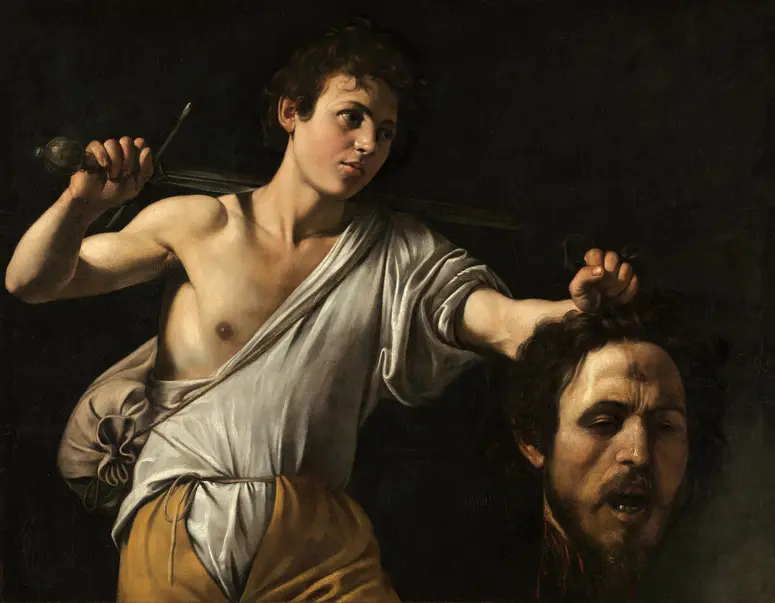
David mit dem Haupt des Goliath Michelangelo Merisi, gen. Caravaggio um 1600/01
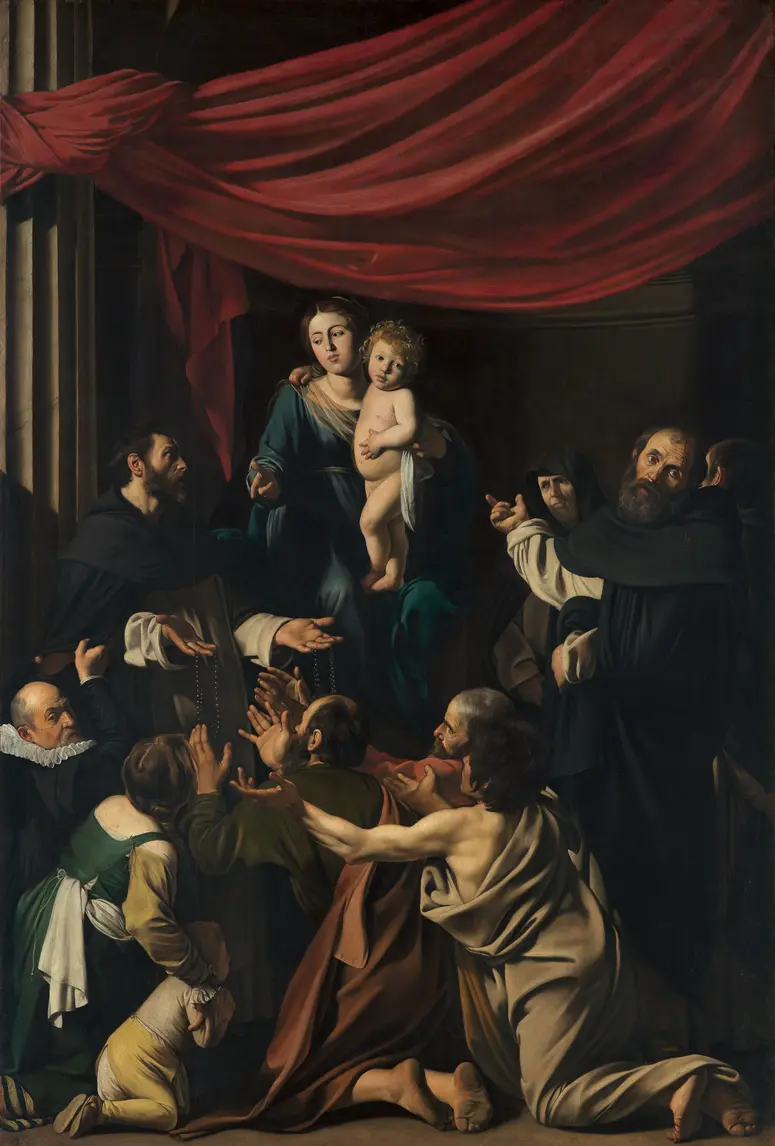
Rosenkranzmadonna Michelangelo Merisi, gen. Caravaggio um 1601
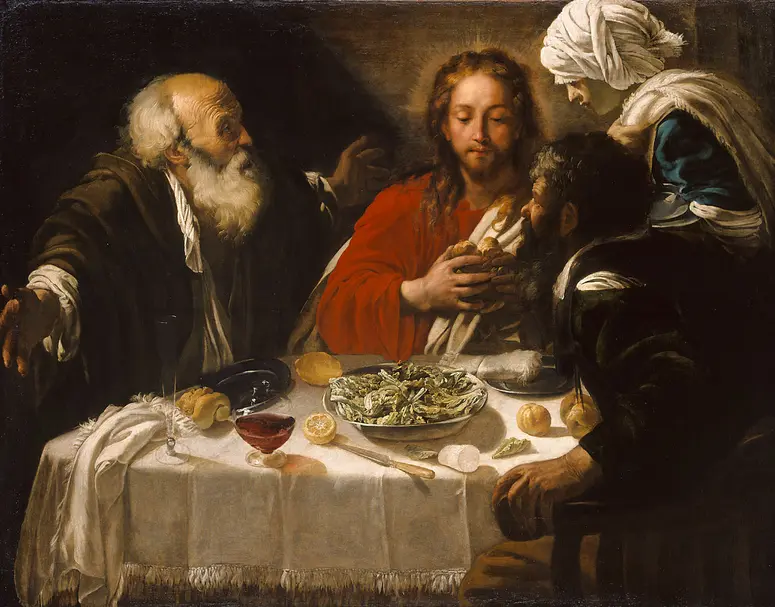
Christus und die Jünger in Emmaus Michelangelo Merisi, gen. Caravaggio zwischen 1614-1621
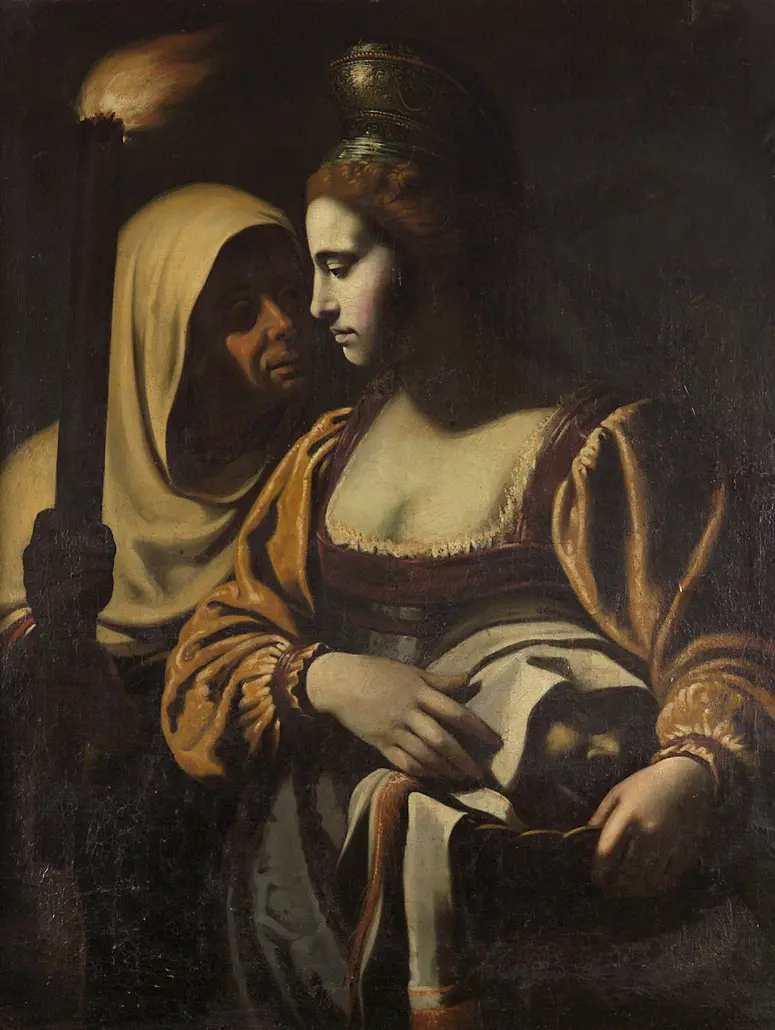
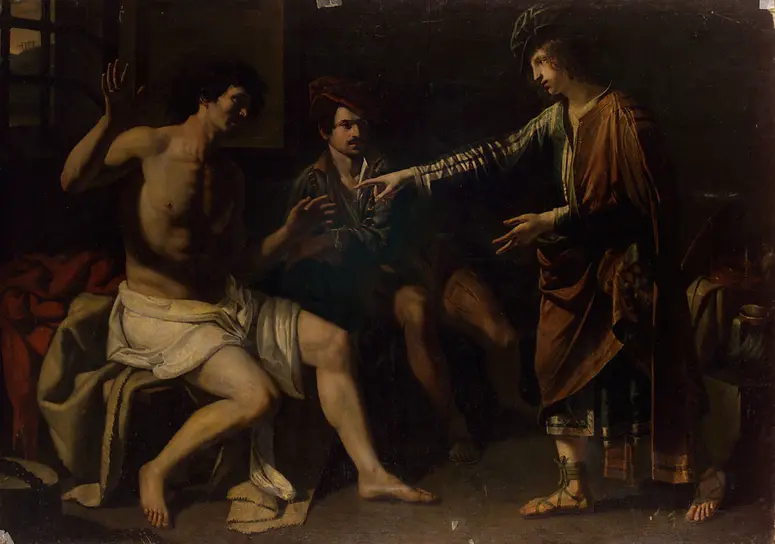
Joseph deutet im Gefängnis die Träume des Mundschenks und Bäckers Giovan Francesco Guerrieri um 1620