The Head of Medusa
1617/18 | Peter Paul Rubens
With great cunning Perseus killed Medusa, a monster whose hair consisted of snakes and whose gaze could literally petrify men and animals (Ovid, Metamorphoses). The blood dripping from her severed head also turned into serpents. At the time of Rubens, the painting was understood politically or allegorically as a symbol of the victory of Stoic reason over the enemies of virtue. The drastic depiction of Medusa with her bulging, blood-shot eyes open wide is by Rubens himself and his workshop; the animals are attributed to the specialist Frans Snyders.
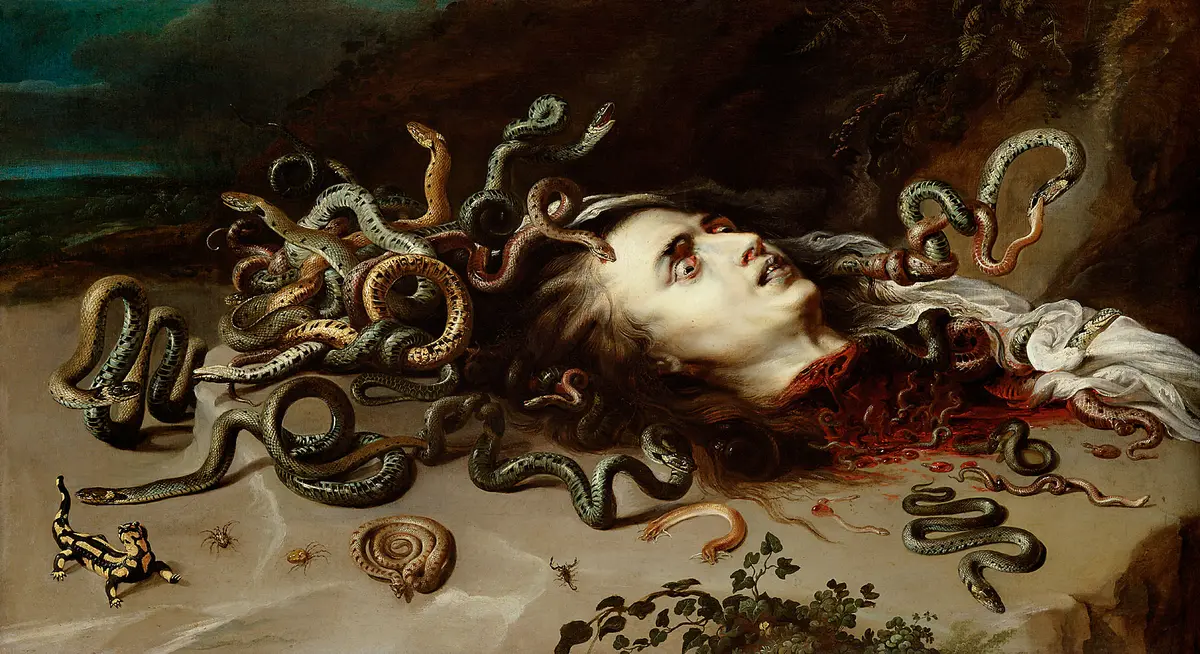
With great cunning Perseus killed Medusa, a monster whose hair consisted of snakes and whose gaze could literally petrify men and animals (Ovid, Metamorphoses). The blood dripping from her severed head also turned into serpents. At the time of Rubens, the painting was understood politically or allegorically as a symbol of the victory of Stoic reason over the enemies of virtue. The drastic depiction of Medusa with her bulging, blood-shot eyes open wide is by Rubens himself and his workshop; the animals are attributed to the specialist Frans Snyders.
Artist:
Peter Paul Rubens (1577 Siegen - 1640 Antwerpen) DNB
Attributed to:
Frans Snyders (Schlangen) (1579 - 1657 Antwerpen) DNB
Time:
1617/18
Object Name
Painting
Culture
Flemish
Material/technology:
Canvas
Dimensions:
Overall: 68,5 cm × 118 cm × 2 cm
Framed: 85,5 cm × 134,5 cm × 5 cm
Copyright
Kunsthistorisches Museum, Gemäldegalerie
Invs.
Gemäldegalerie, 3834
Provenance
1635-1648 Coll. Buckingham; 1685 documented in Prague; 1880 from Prague to Vienna;
Browse more
Similar items you might be interested in
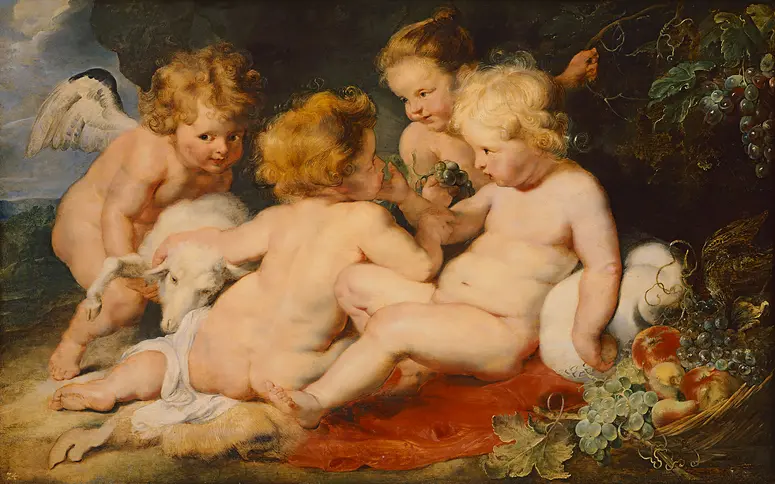
The Infant Christ with John the Baptist and Two Angels Peter Paul Rubens about 1615/20
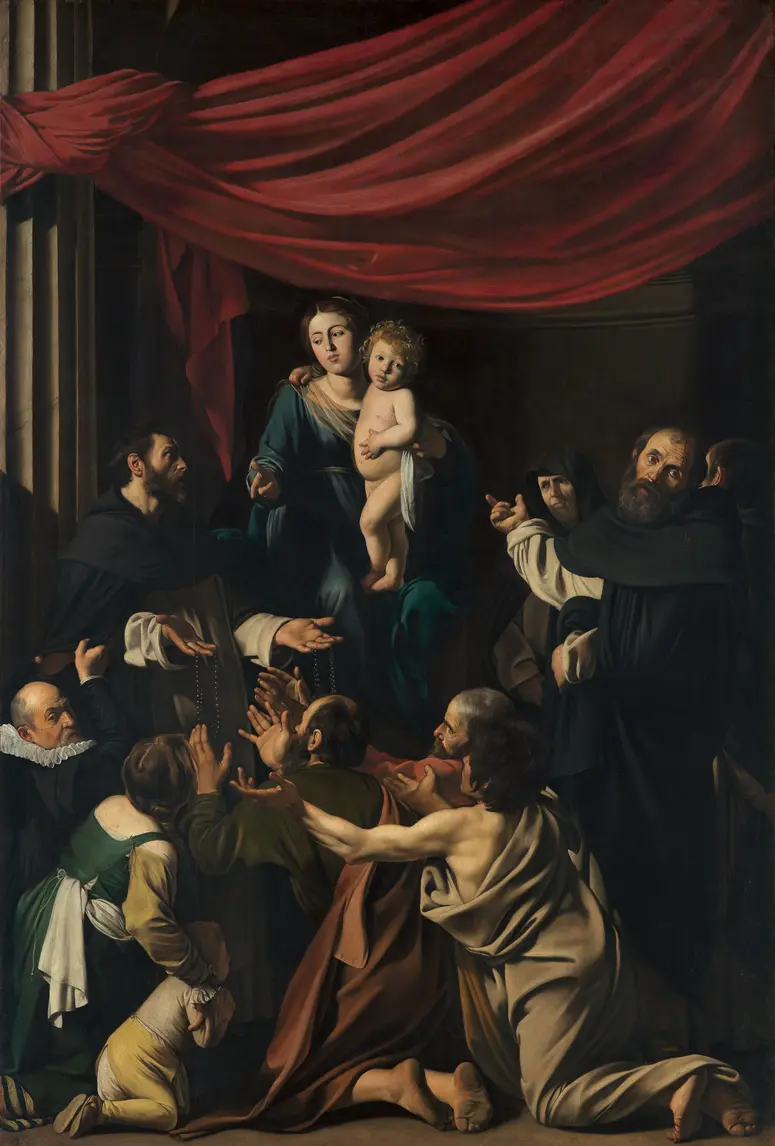
Madonna of the Rosary Michelangelo Merisi, gen. Caravaggio around 1603
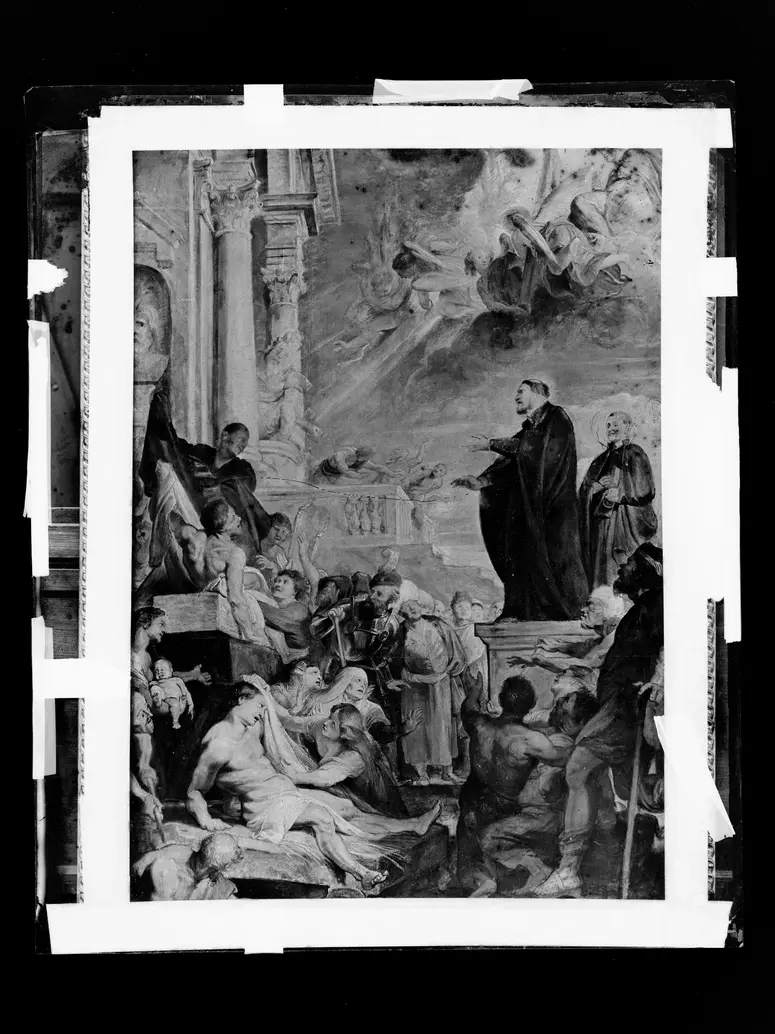
Wunder des Hl. Franz Xaver J. Löwy, K. und K. Hof-Photograph, Kunst- und Verlagsanstalt (Wien) 1888 bis 1891
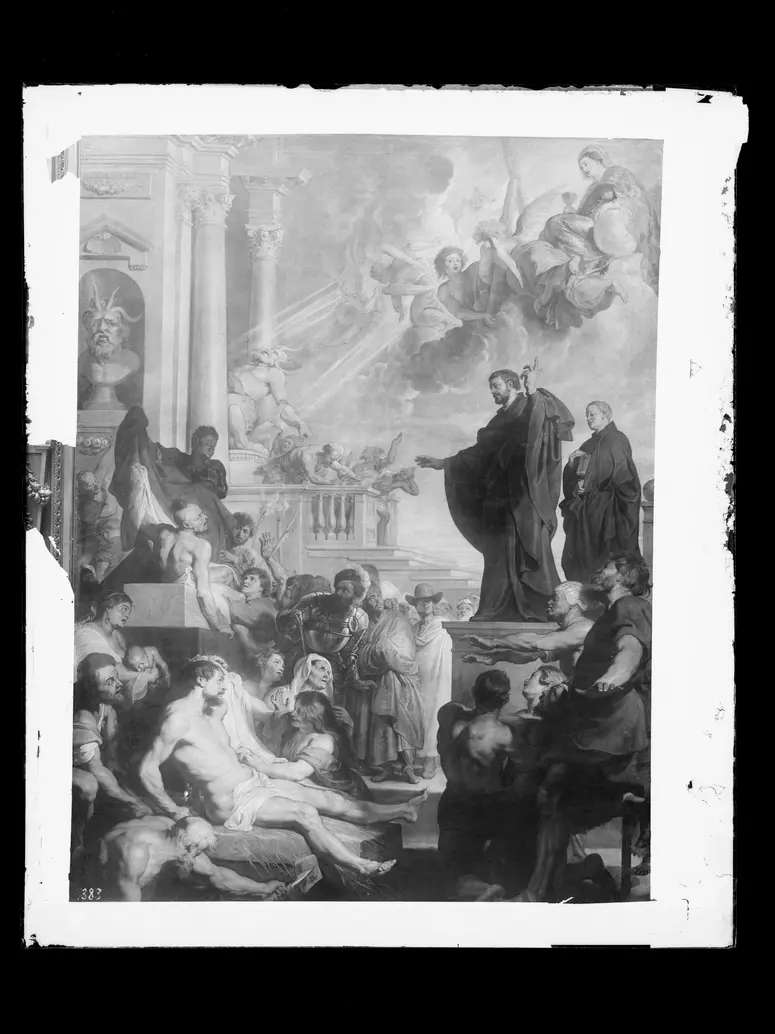
Wunder des Hl. Franz Xaver J. Löwy, K. und K. Hof-Photograph, Kunst- und Verlagsanstalt (Wien) 1888 bis 1891