Rundbau
2. Hälfte 1. Jh. n. Chr.
In the late 1st century BC a tower-like monument was erected on the Panayır dağ, Ephesus’ backyard hill. Its location both on the hill and within the city is remarkably prominent and ensured it could be seen from afar, perhaps even from ships approaching the harbour. A two-storey-high central-plan building rises above a square base made of cushioned ashlar; the circular lower storey was enclosed, and the walls of the cella were decorated with twelve half-columns topped by simple Doric capitals. Above a Doric frieze comprising triglyphs rises the upper storey, where the recessed wall is surrounded by a circular columned hall; note also the unusual shape of the Ionic capitals.The entablature featuring a continuous frieze comprising volutes and foliage is surmounted by a low cylindrical parapet.
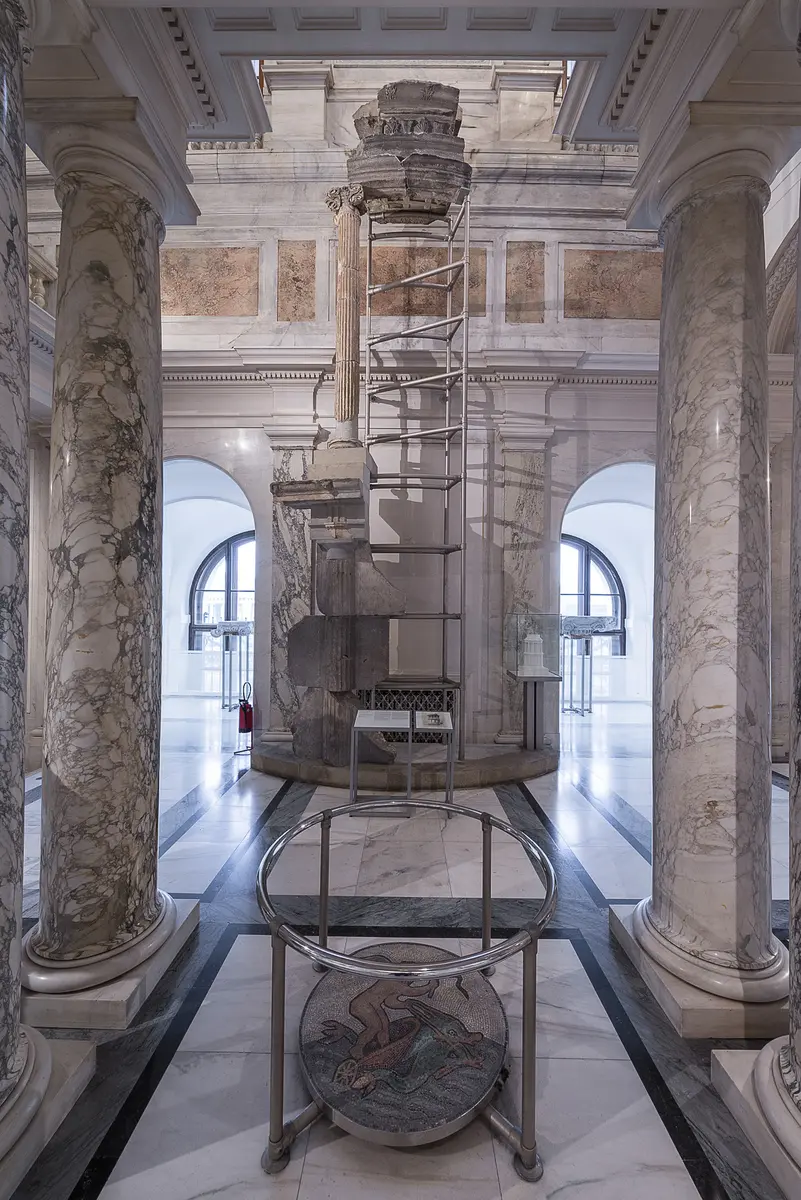
In the late 1st century BC a tower-like monument was erected on the Panayır dağ, Ephesus’ backyard hill. Its location both on the hill and within the city is remarkably prominent and ensured it could be seen from afar, perhaps even from ships approaching the harbour. A two-storey-high central-plan building rises above a square base made of cushioned ashlar; the circular lower storey was enclosed, and the walls of the cella were decorated with twelve half-columns topped by simple Doric capitals. Above a Doric frieze comprising triglyphs rises the upper storey, where the recessed wall is surrounded by a circular columned hall; note also the unusual shape of the Ionic capitals.The entablature featuring a continuous frieze comprising volutes and foliage is surmounted by a low cylindrical parapet.
Zeit:
2. Hälfte 1. Jh. n. Chr.
Objektbezeichnung
Rundbau
Kultur
Römisch
Bildrecht
Kunsthistorisches Museum, Antikensammlung
Inv. Nr.
Antikensammlung, I Rundbau Ephesos
Weiterstöbern
Ähnliche Stücke, die Sie interessieren könnten
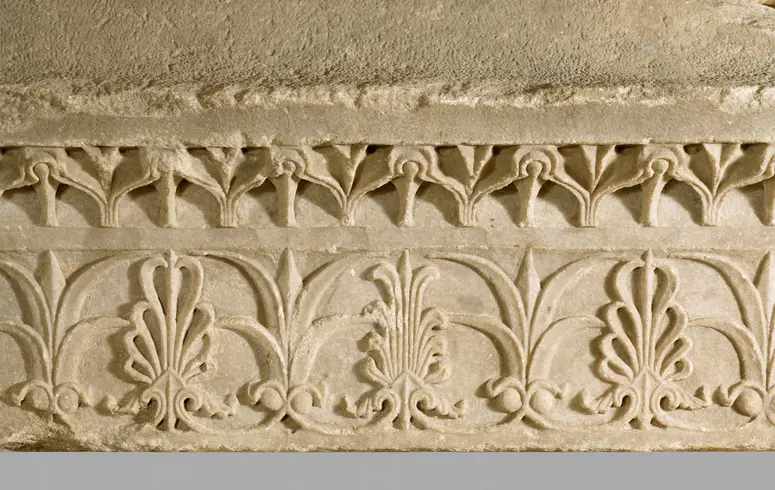
Gesims: Gesimsblock mit Lotos-Palmettenfries Griechisch, Hellenistisch 289 - 281 v. Chr.

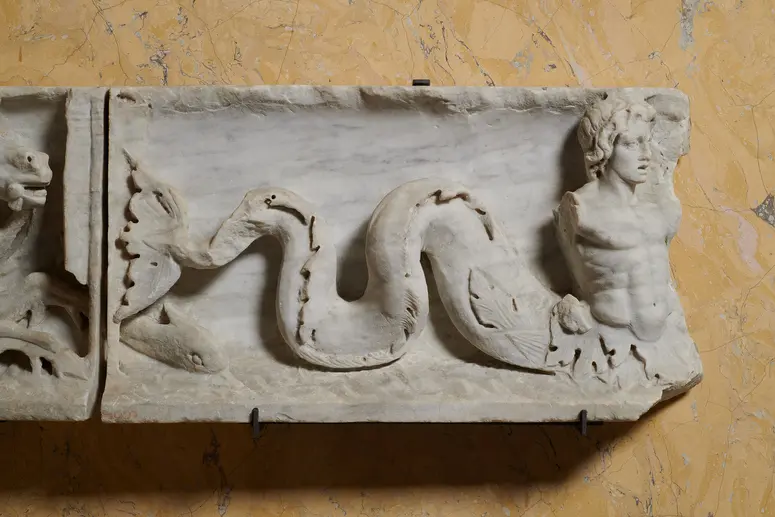
Relief: Fries mit Nereiden und Tritonen Römisch, Mittlere Kaiserzeit 2. Hälfte 2. Jh. n. Chr.
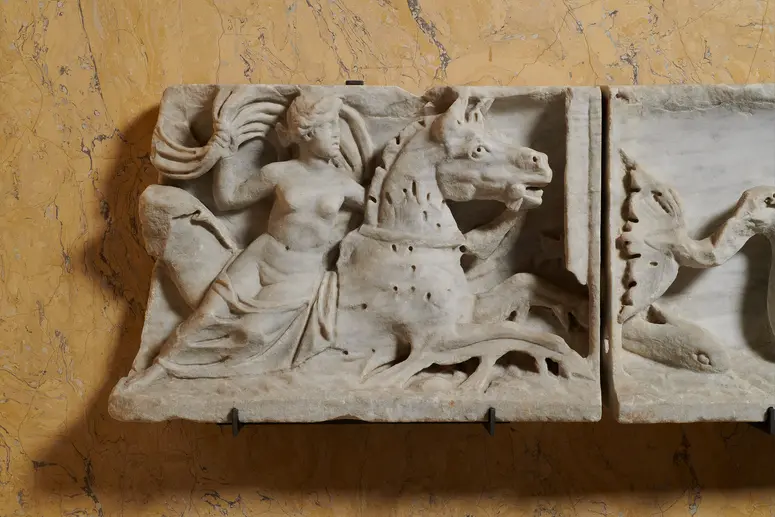
Relief: Fries mit Nereiden und Tritonen Römisch, Mittlere Kaiserzeit 2. Hälfte 2. Jh.n. Chr.
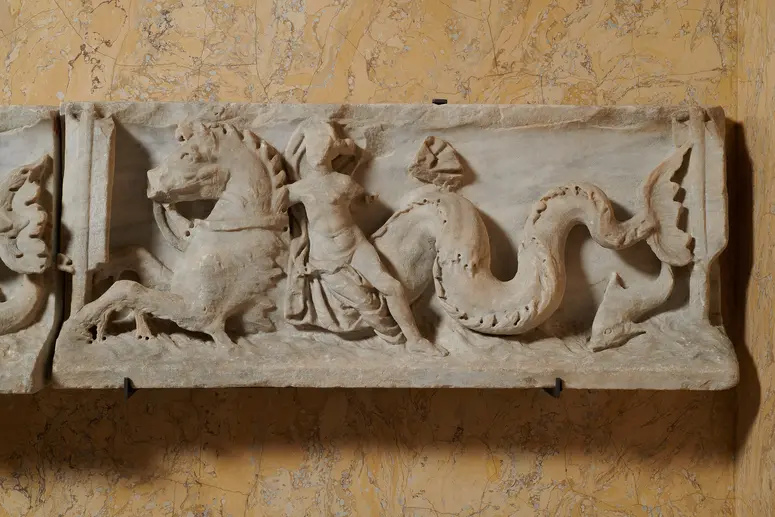
Relief: Fries mit Nereiden und Tritonen Römisch, Mittlere Kaiserzeit 2. Hälfte 2. Jh.n. Chr.
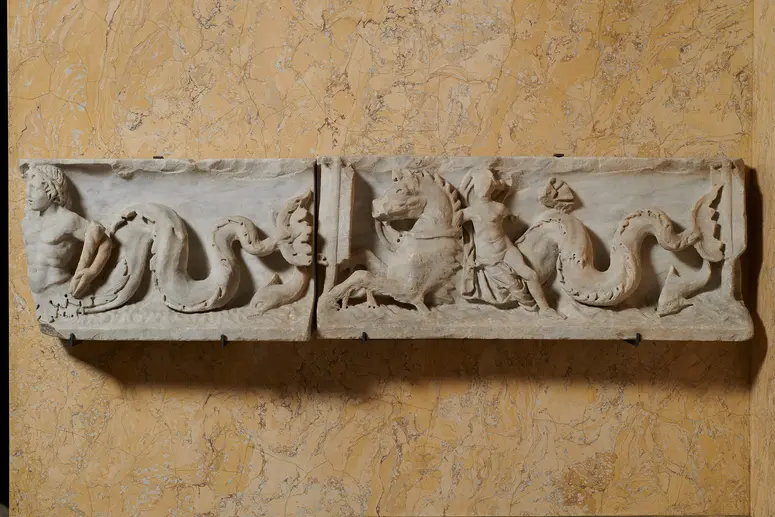
Relief: Fries mit Nereiden und Tritonen Römisch, Mittlere Kaiserzeit 2. Hälfte 2. Jh.n. Chr.

Kandelaber: Herakles und Kentaur im Kampf Griechisch, Hellenistisch Mitte 1. Jh. v. Chr.
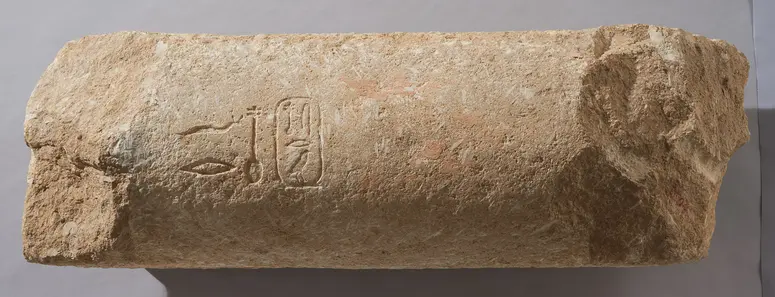
Rundbalken vom Eingang der Mastaba des Snofru-nefer Giza, Westfriedhof, Mastaba des Snofru-nefer, verworfen in der Nähe Späte 5. Dynastie, um 2400 v. Chr.
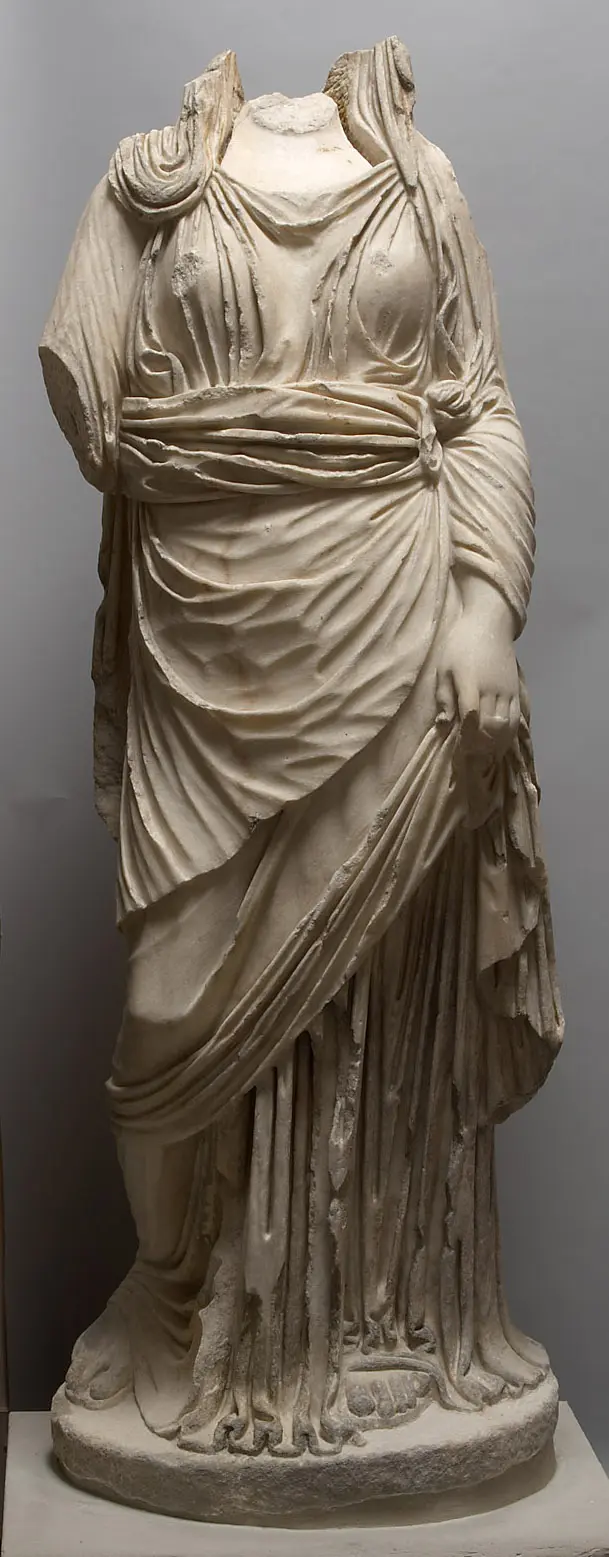
Statue: Episteme Kelsou Römisch, Mittlere Kaiserzeit 2. Jh. n. Chr.
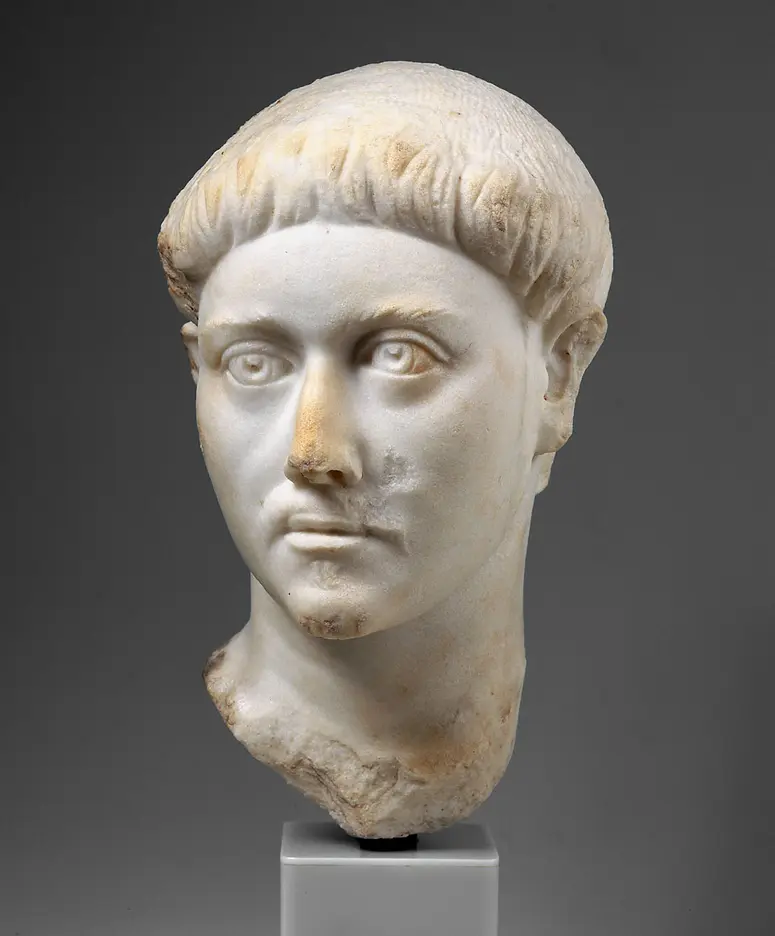
Porträtkopf: Porträtkopf eines jungen Mannes Römisch, Spätantik Anfang 4. Jh. n. Chr.
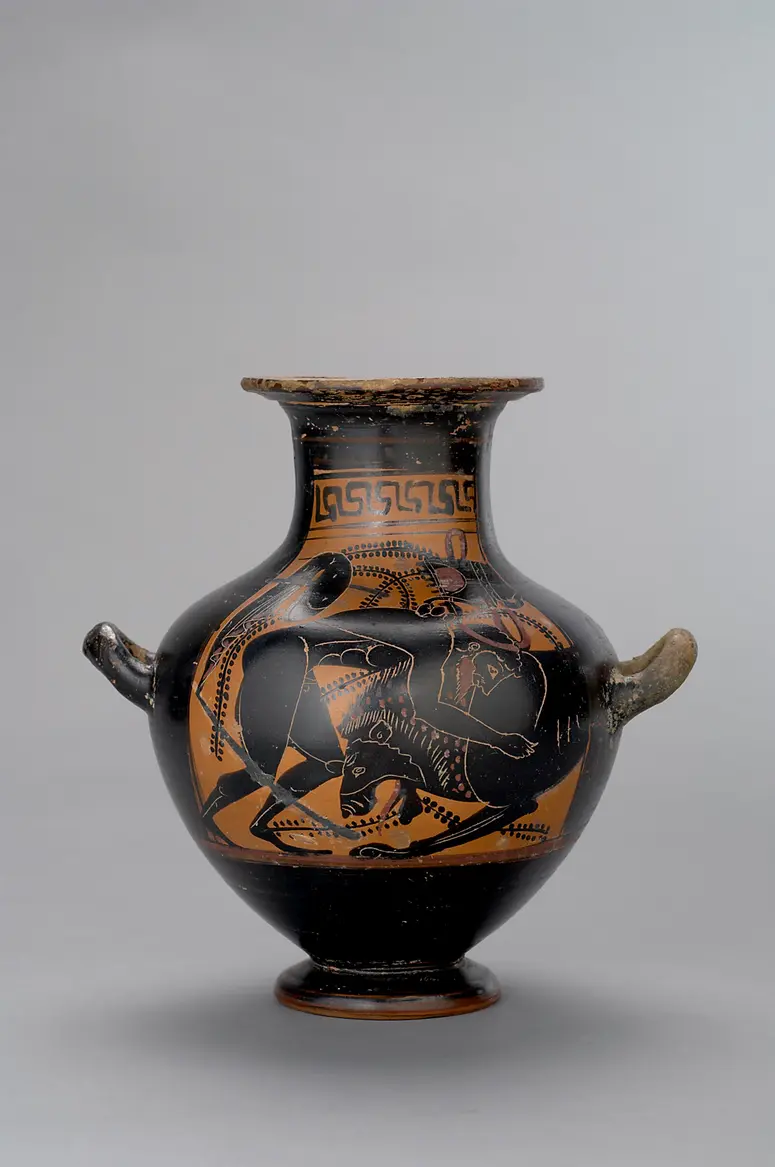
Kalpis: Herakles im Löwenkampf Griechisch, Attisch, schwarzfigurig Anfang 5. Jh. v. Chr.